

Concrete Tips
Quick facts, pro secrets, and cost-saving strategies for concrete projects. Each tip links to the full guide for deeper reading.
Calculators & Tools
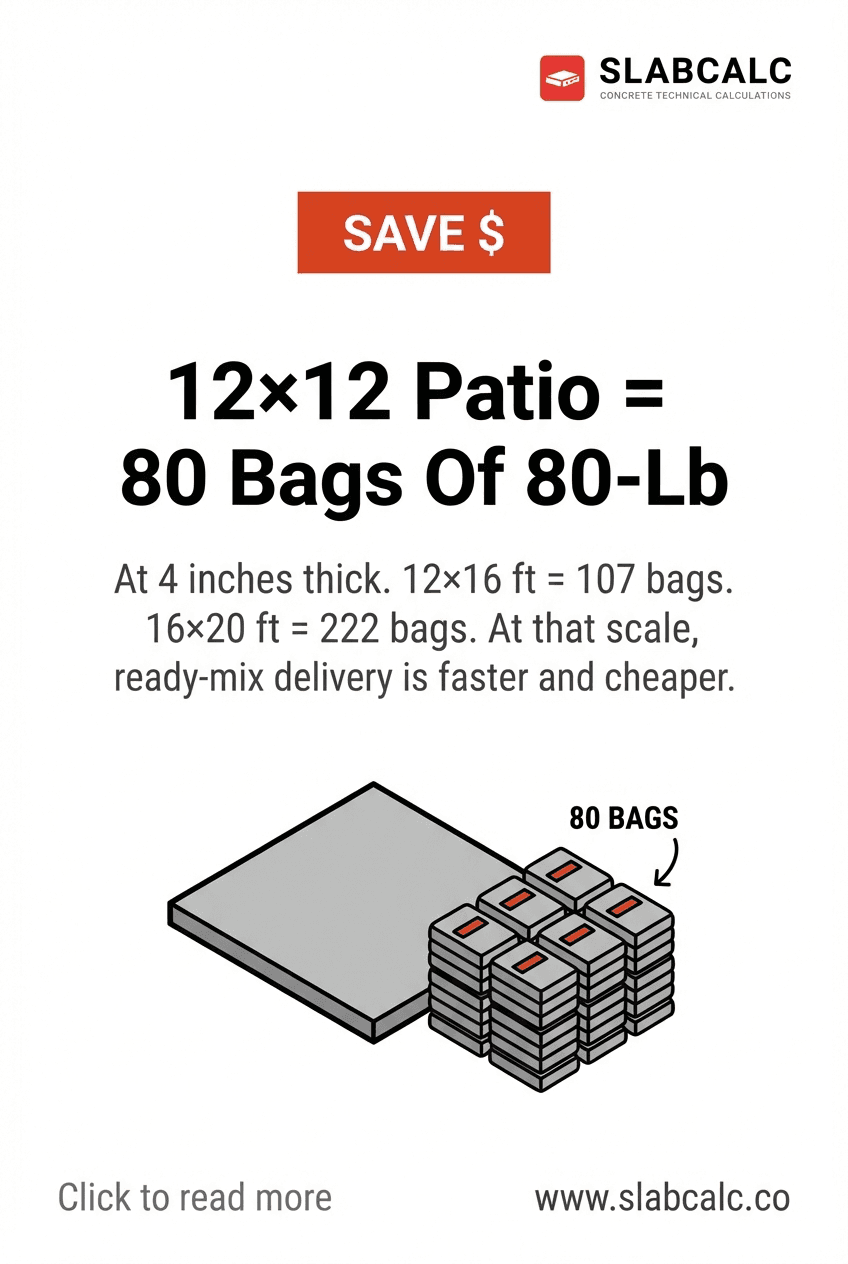
Concrete Bag Costs: When to Switch to Ready-Mix Delivery
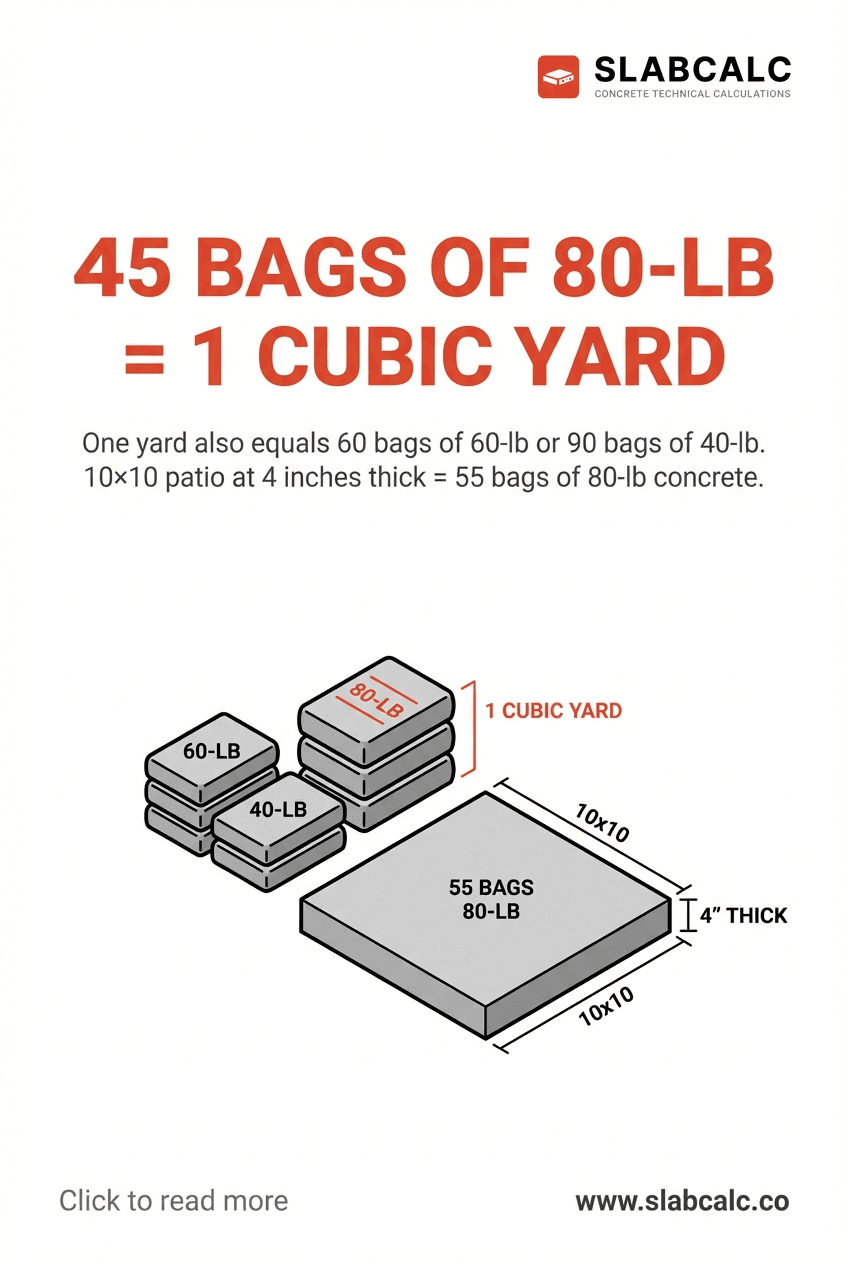
How Many Concrete Bags Per Cubic Yard: The 45-Bag Rule
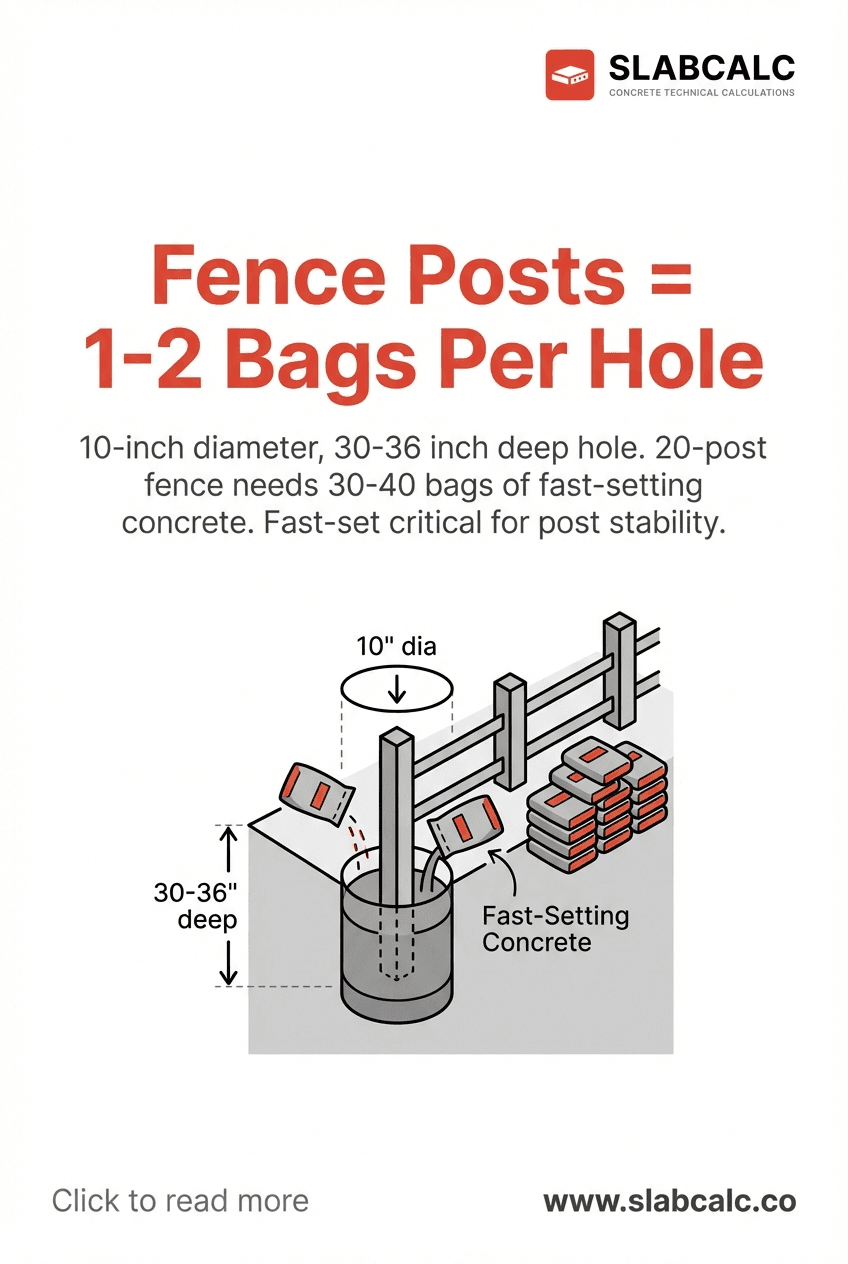
Why Undersizing Post Hole Concrete Fails Your Fence
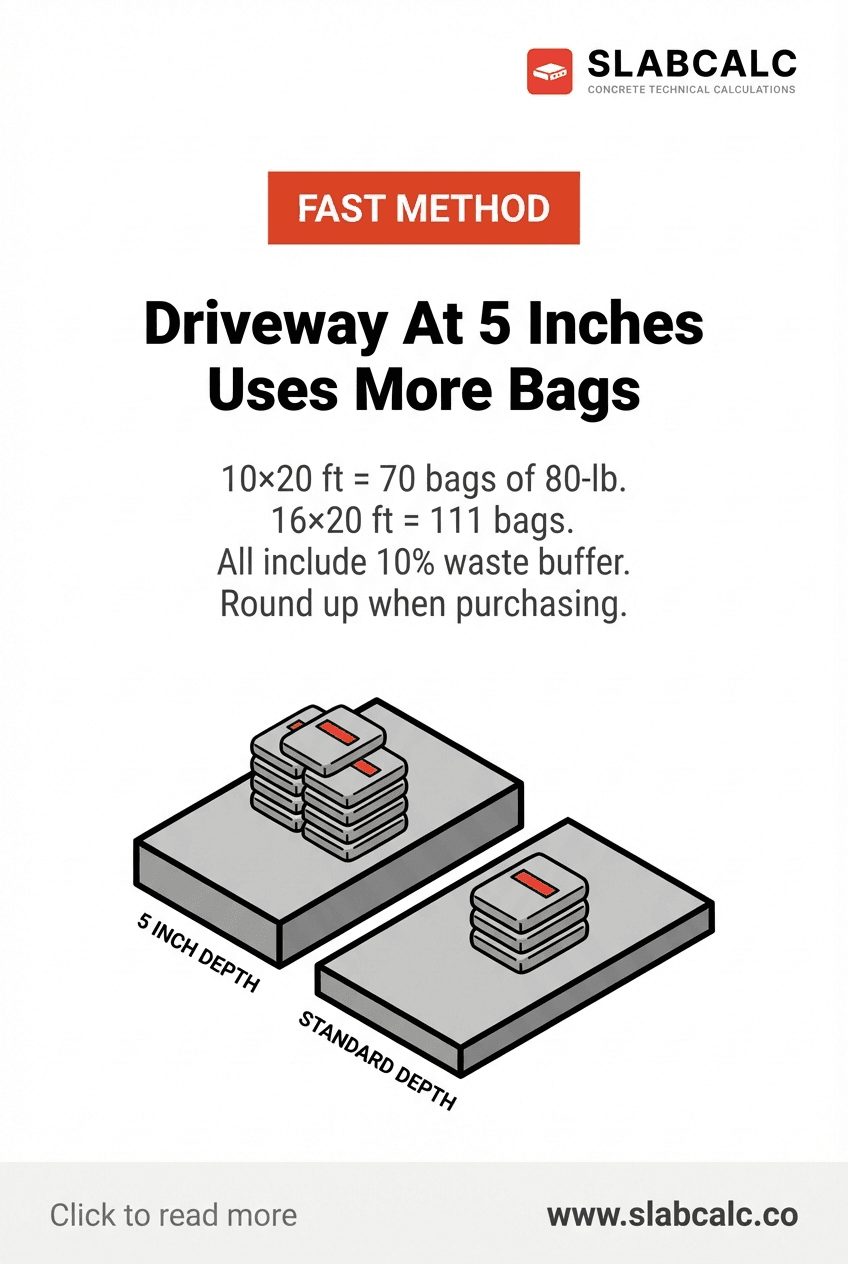
Why Driveway Thickness Changes Your Concrete Bag Count
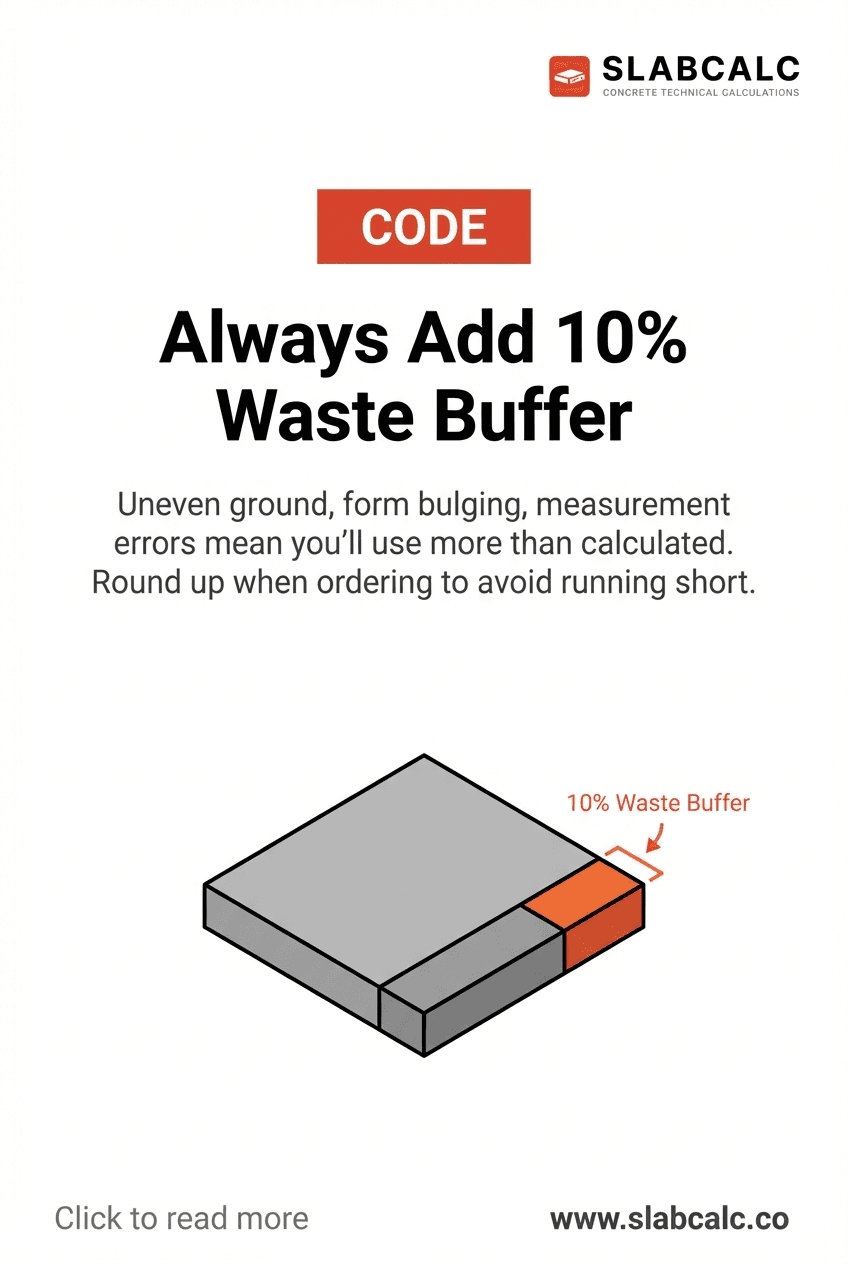
Why You Must Order 10% Extra Concrete for Every Project
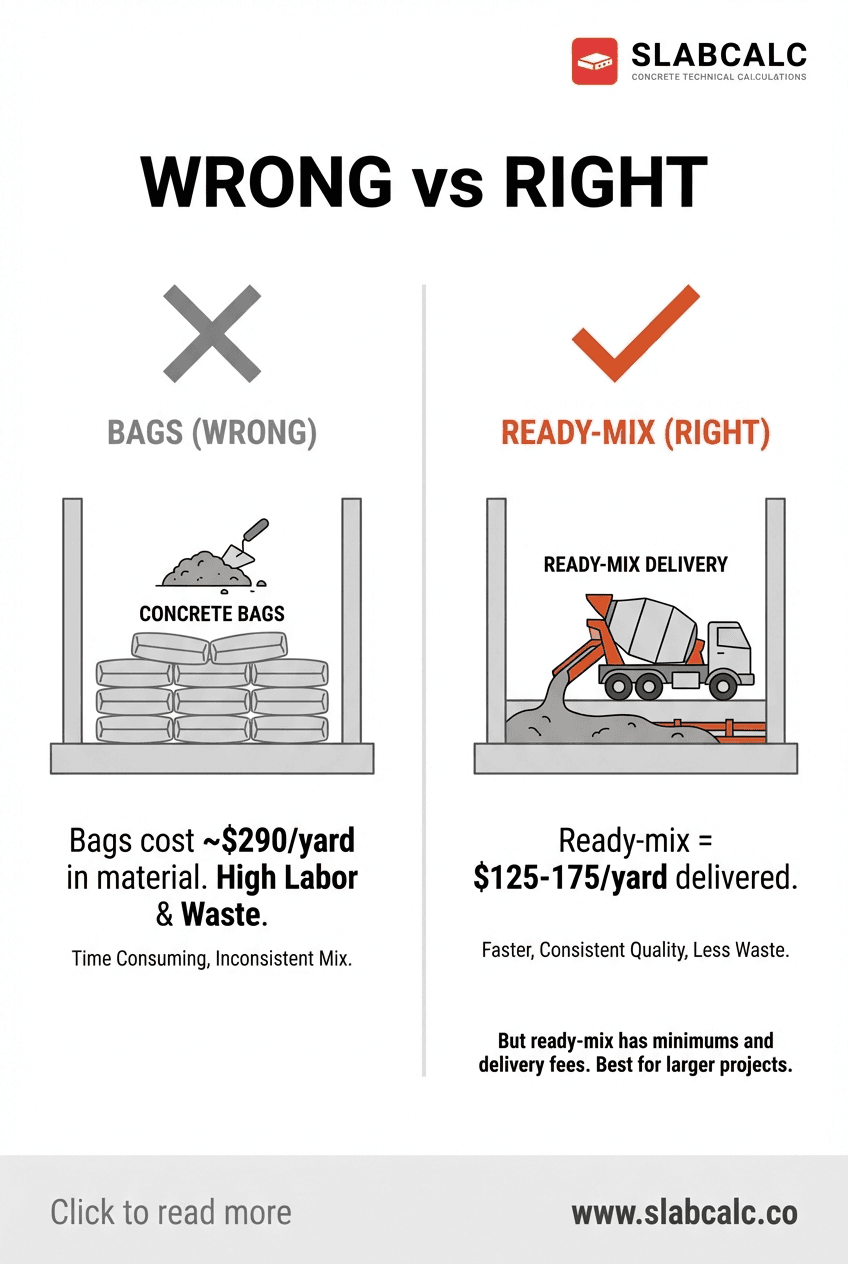
Bags vs Ready-Mix: Find Your Cost Crossover Point
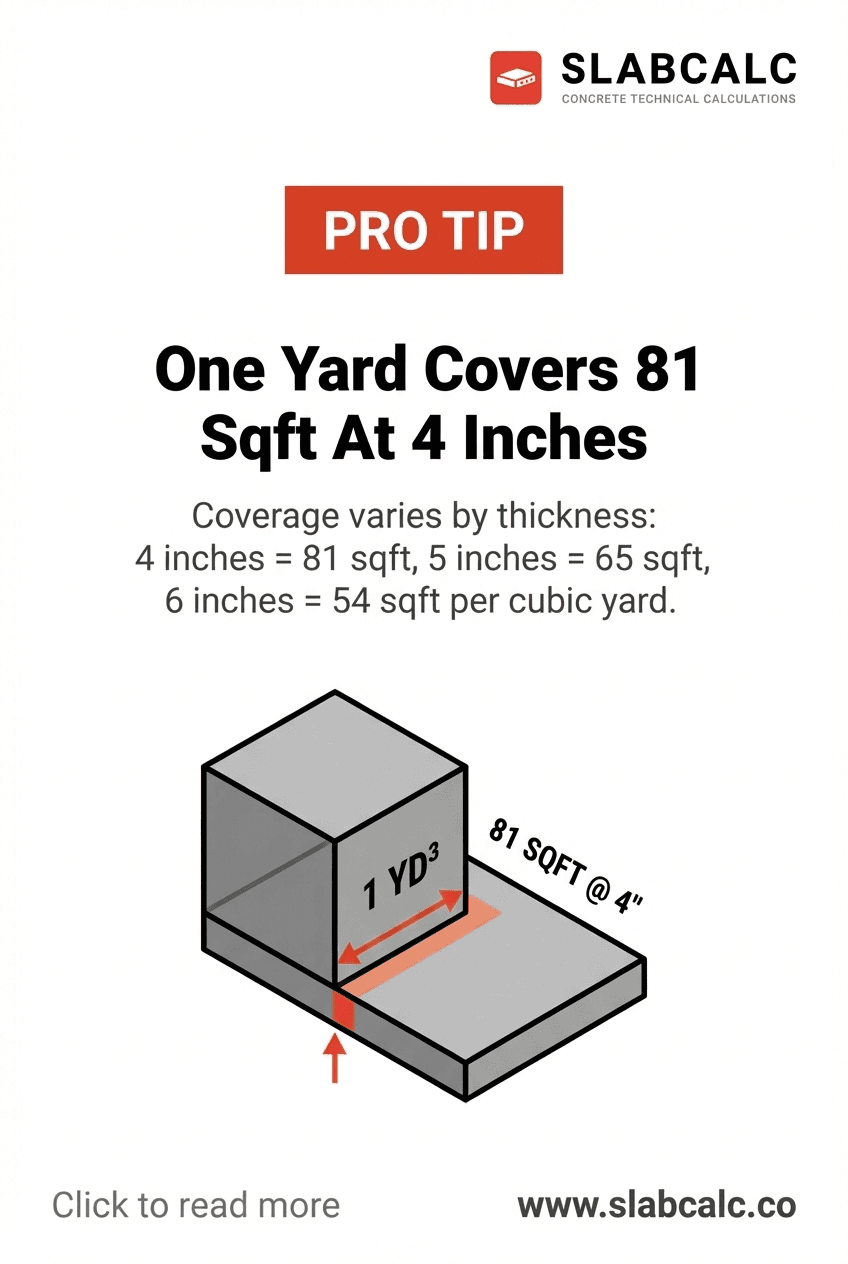
How Much Concrete You Really Need: The Cubic Yard Coverage Secret
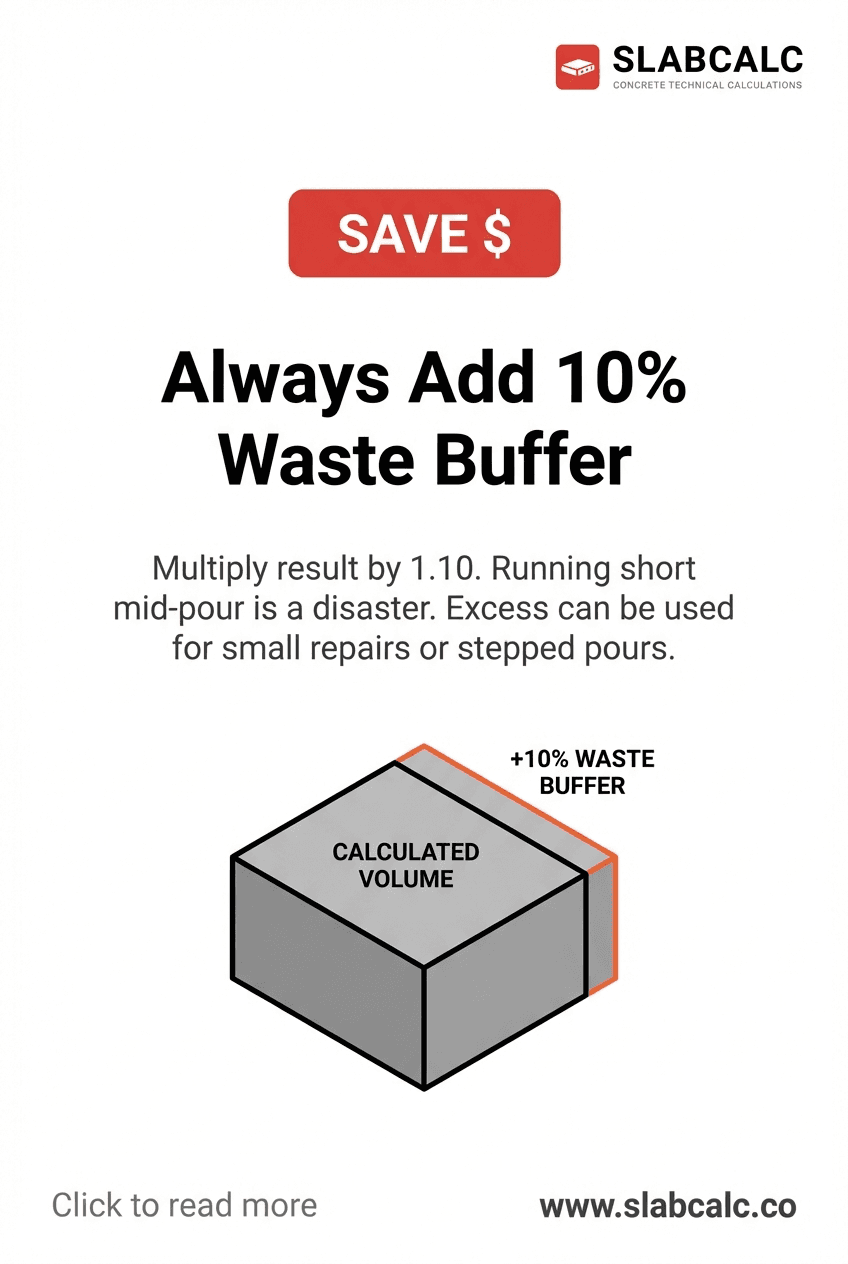
Why Adding 10% Waste Buffer Saves Money on Concrete Orders
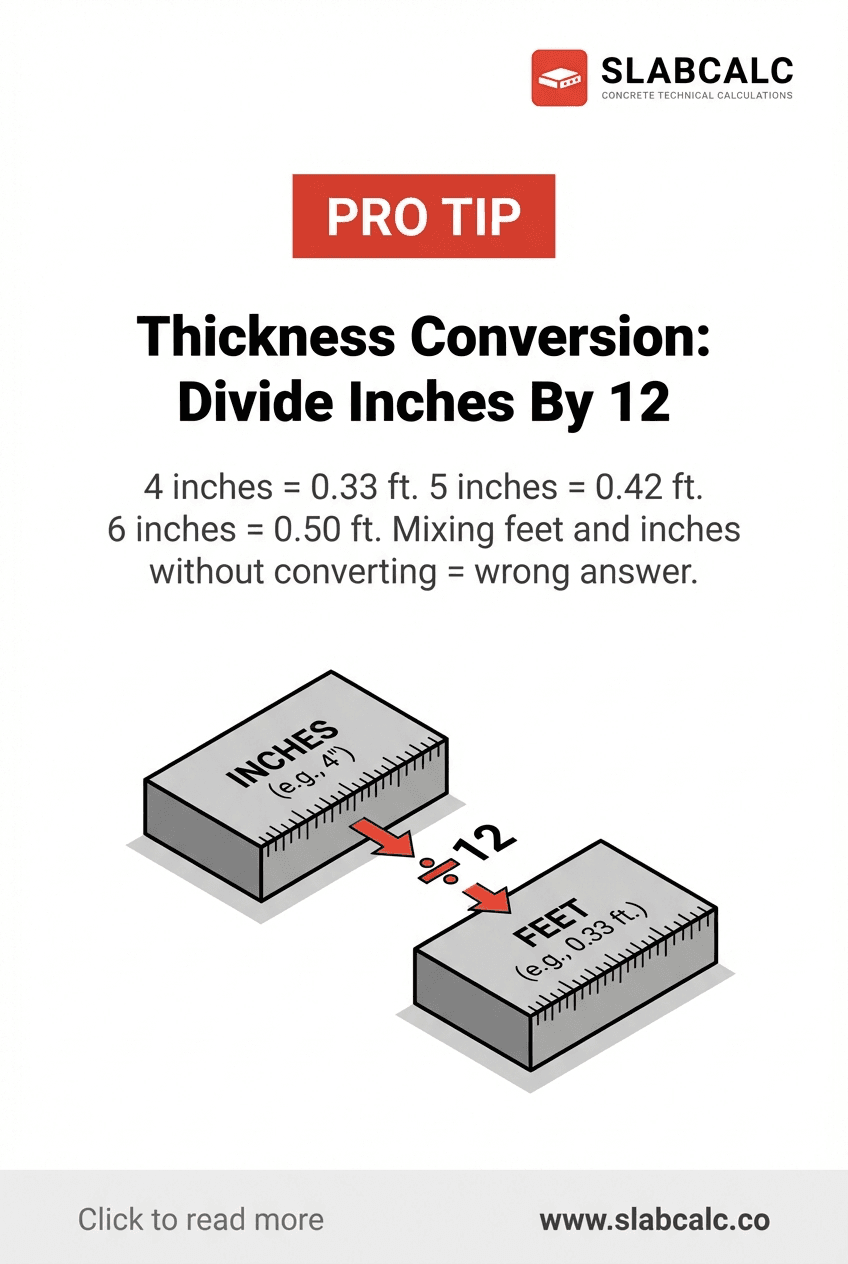
How to Convert Inches to Feet for Concrete Calculations
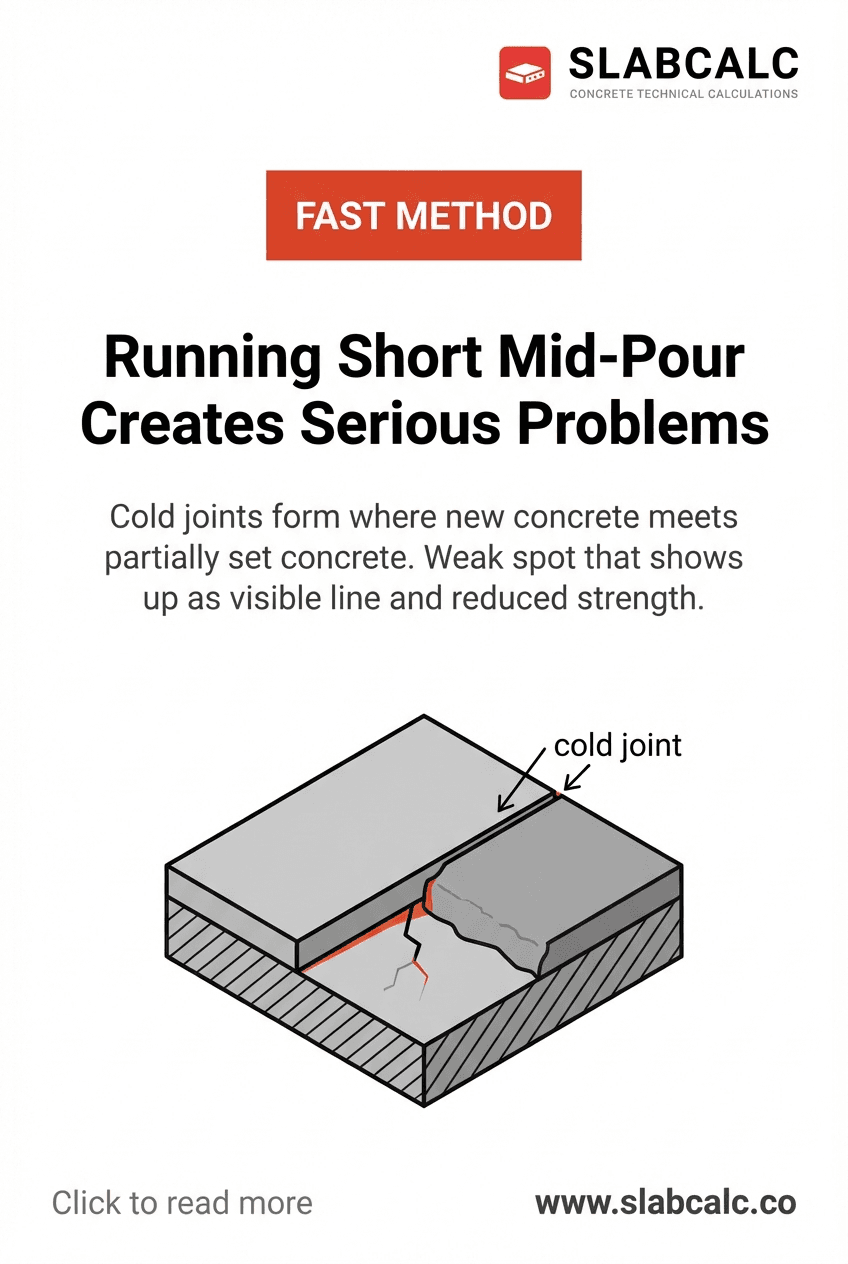
How to Calculate Concrete Before Pouring to Avoid Running Short
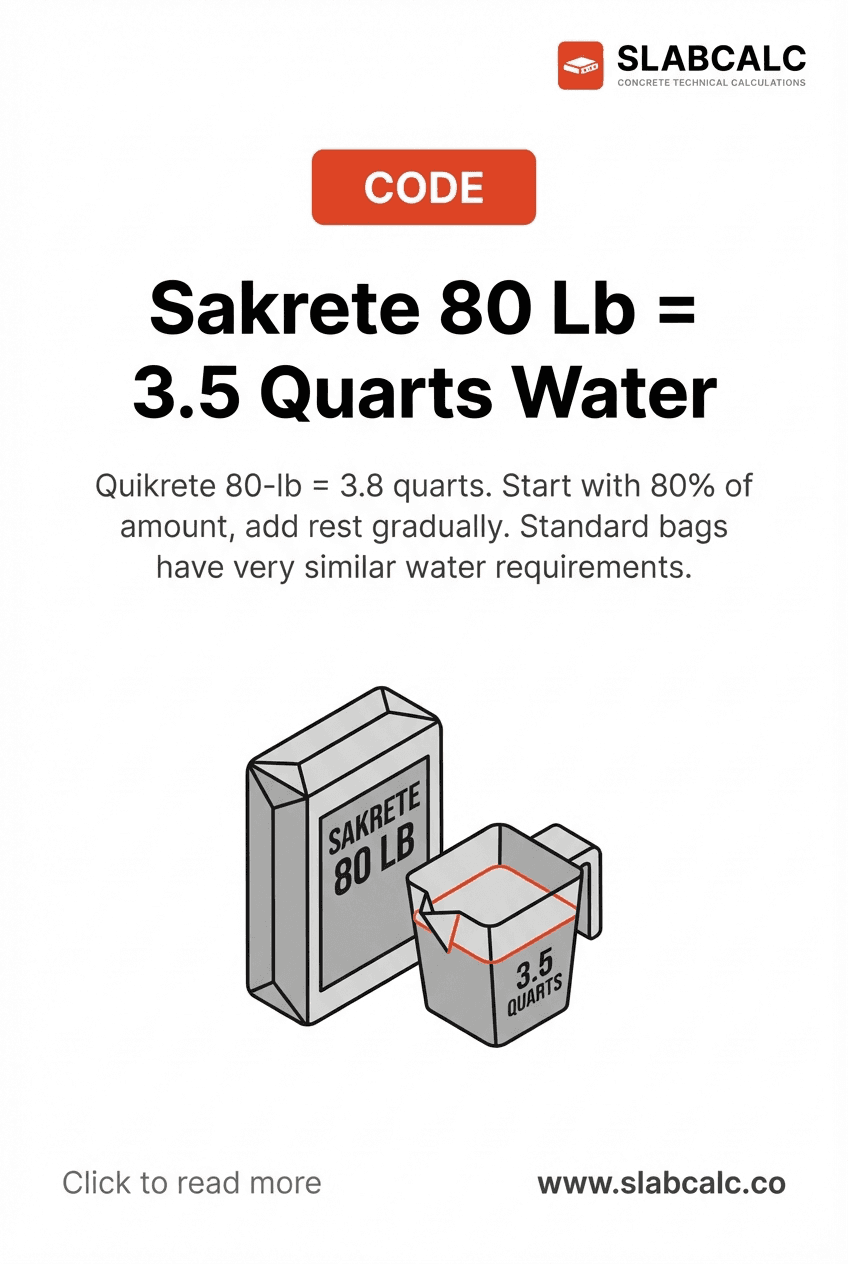
Sakrete 80 lb Bag Water Ratio: 3.5 Quarts Explained
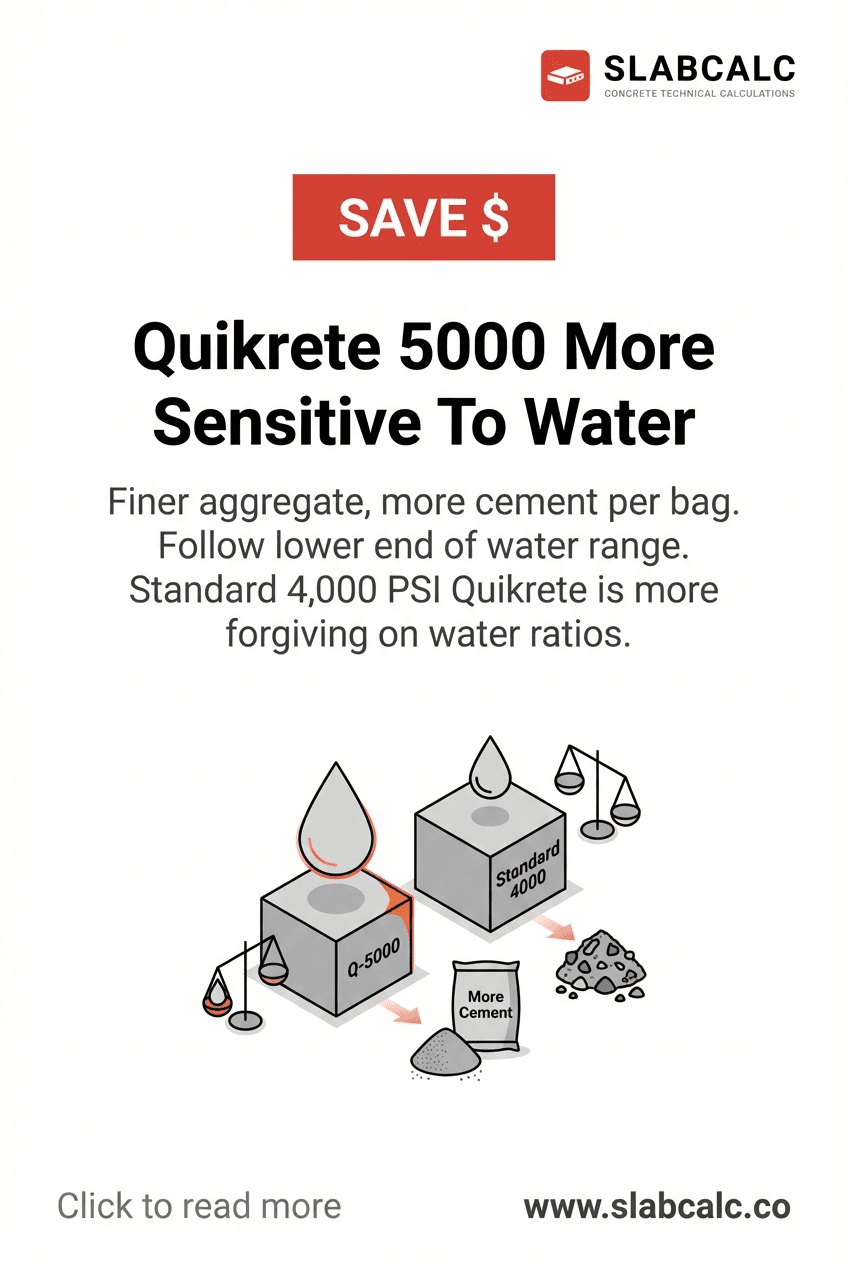
Quikrete 5000 Water Ratio Mistakes Cost Homeowners $200+ Per Project
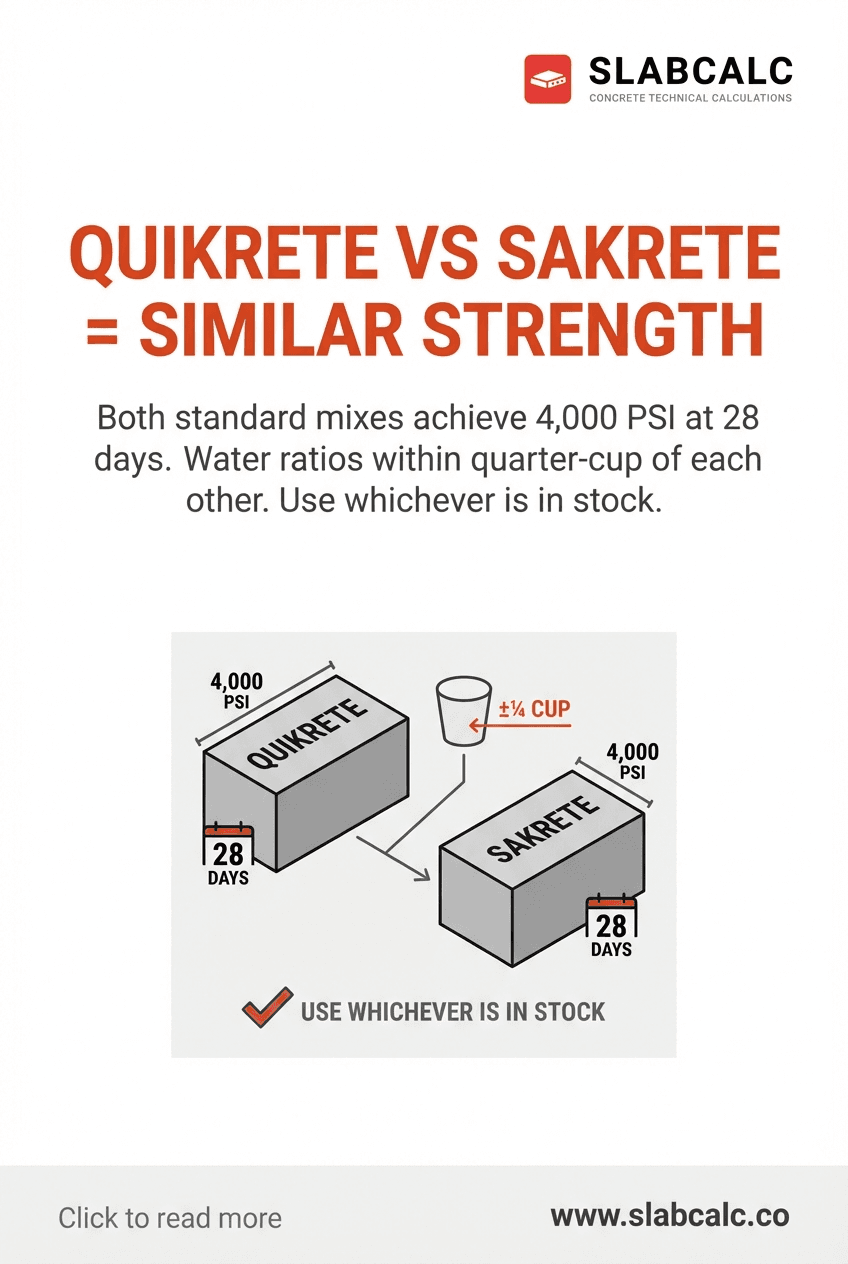
Quikrete vs Sakrete: Both Hit 4,000 PSI Standard
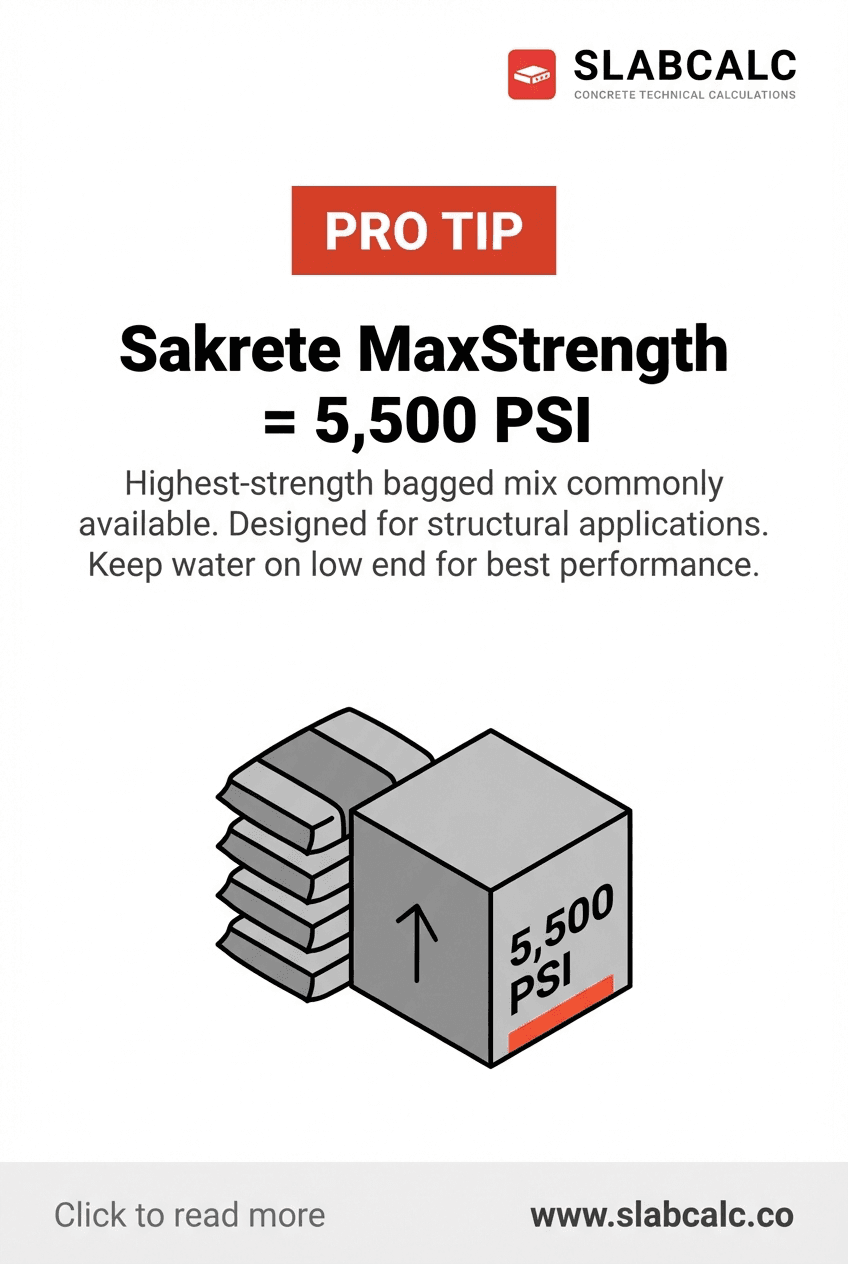
Why Pros Choose Sakrete MaxStrength for Structural Concrete
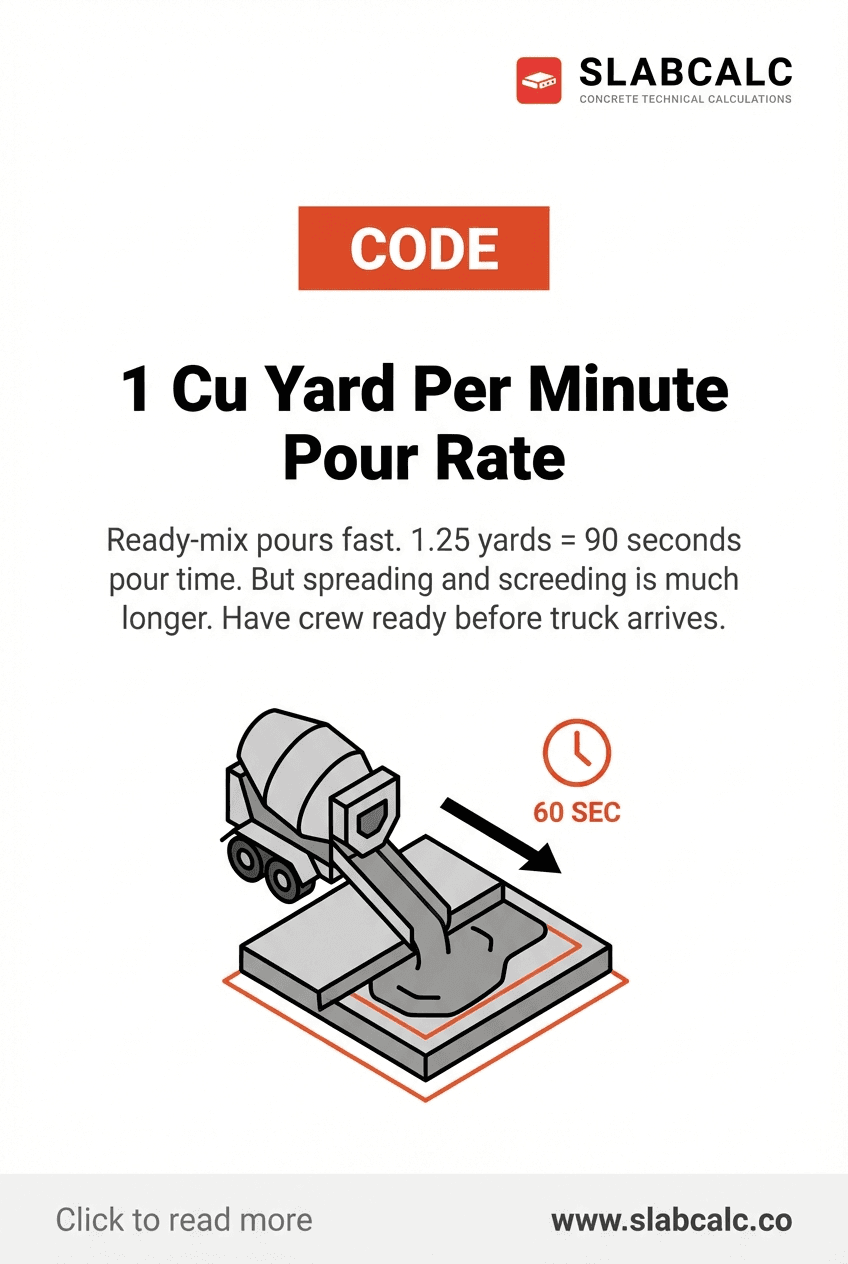
Ready-Mix Pour Rate: Why Crew Timing Matters Most
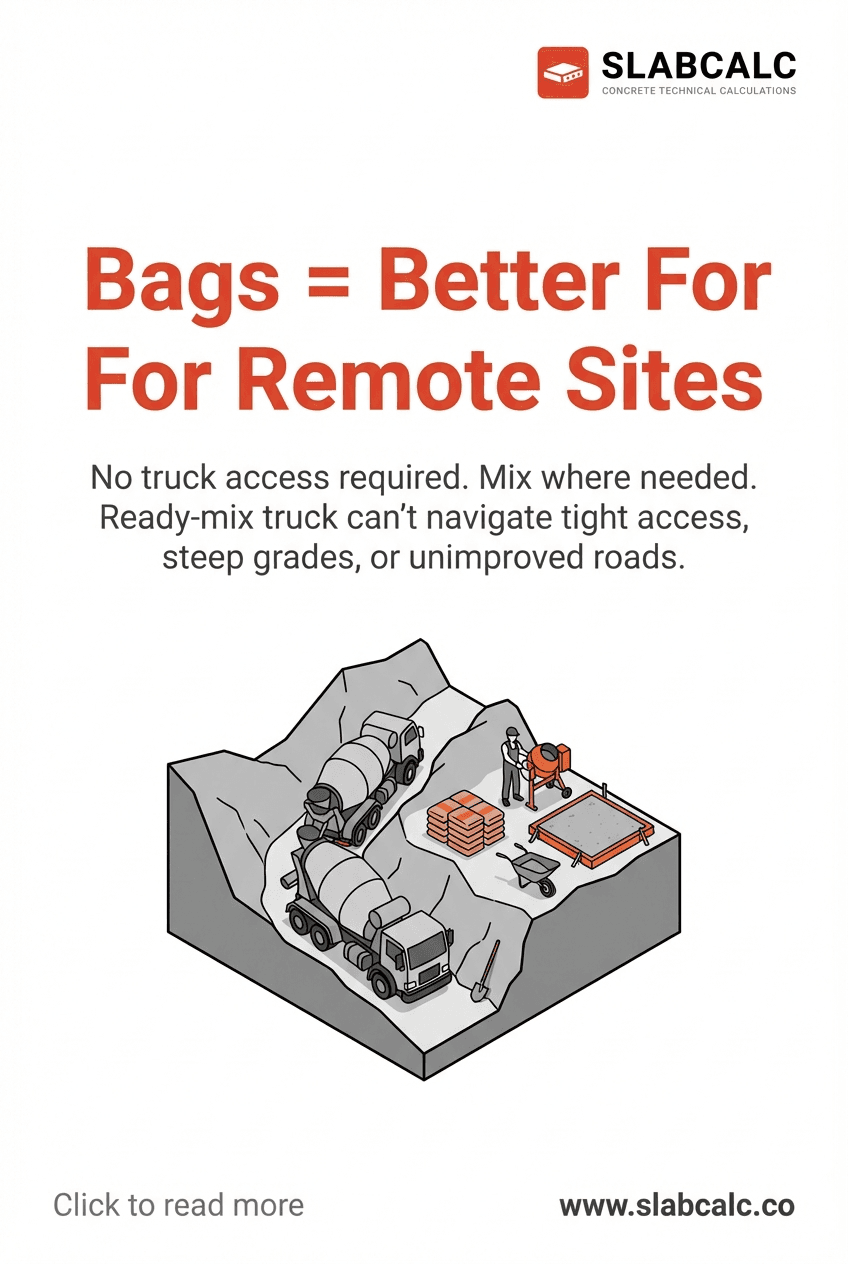
Bagged Concrete for Remote Sites: No Truck Access? No Problem
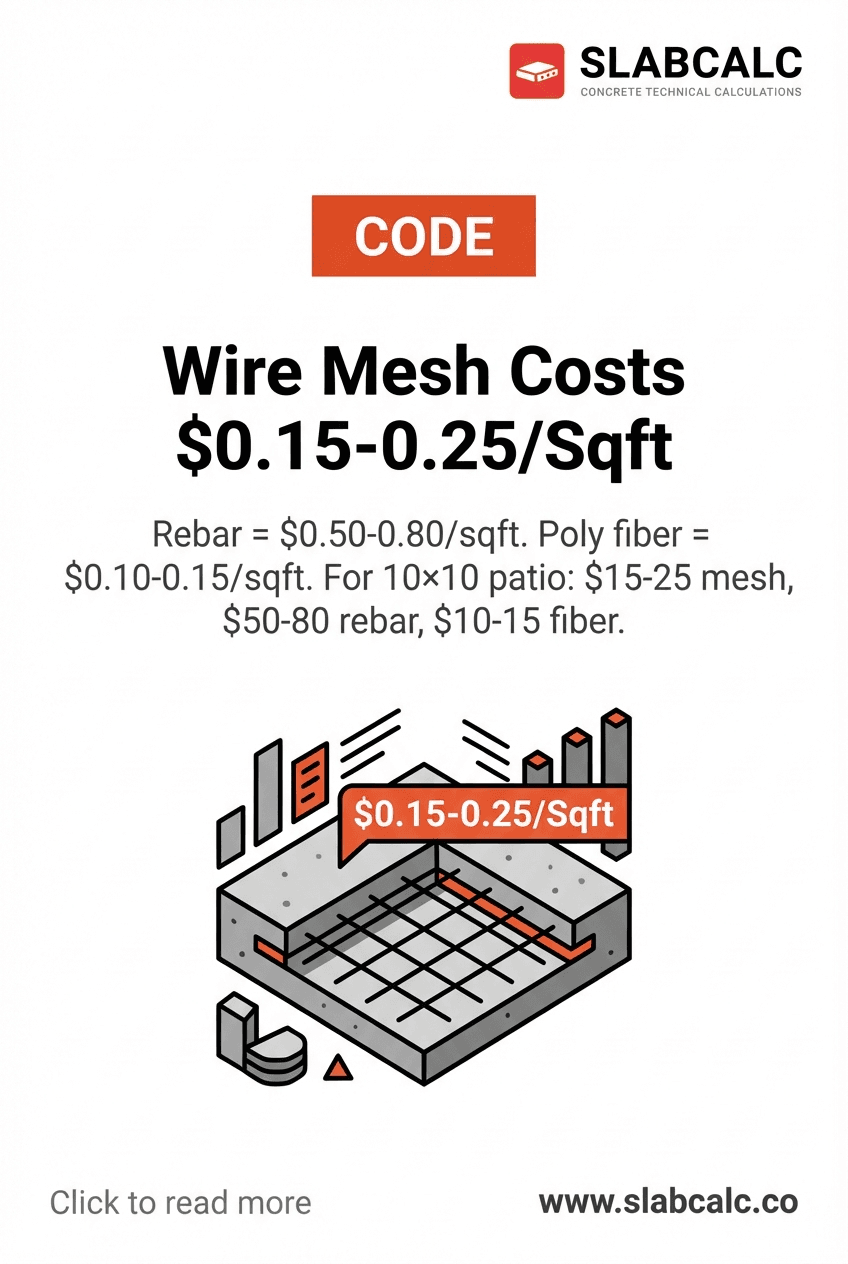
Wire Mesh vs. Rebar: Which Reinforcement Your Slab Needs
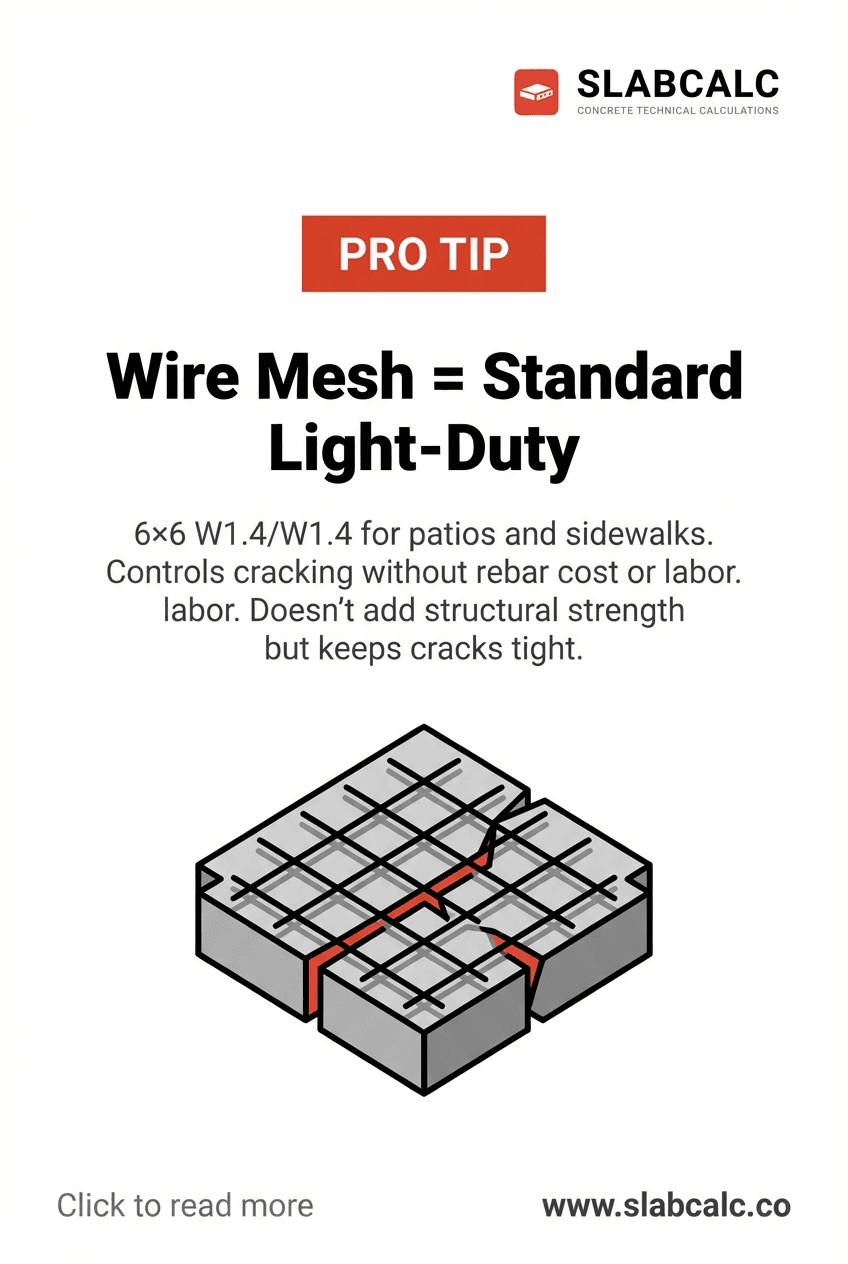
Wire Mesh for Patios & Sidewalks: The Crack-Control Sweet Spot
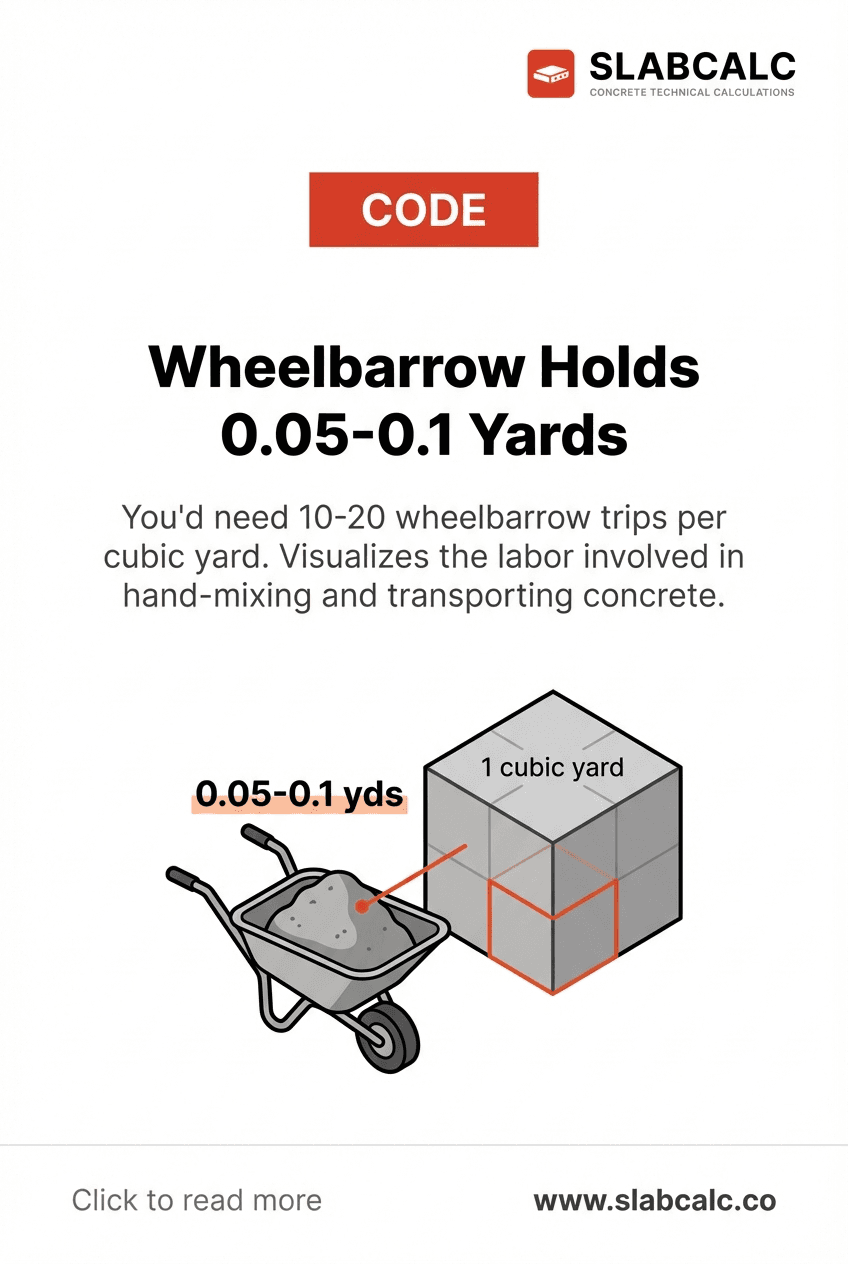
Wheelbarrow Capacity and Concrete Volume Calculations
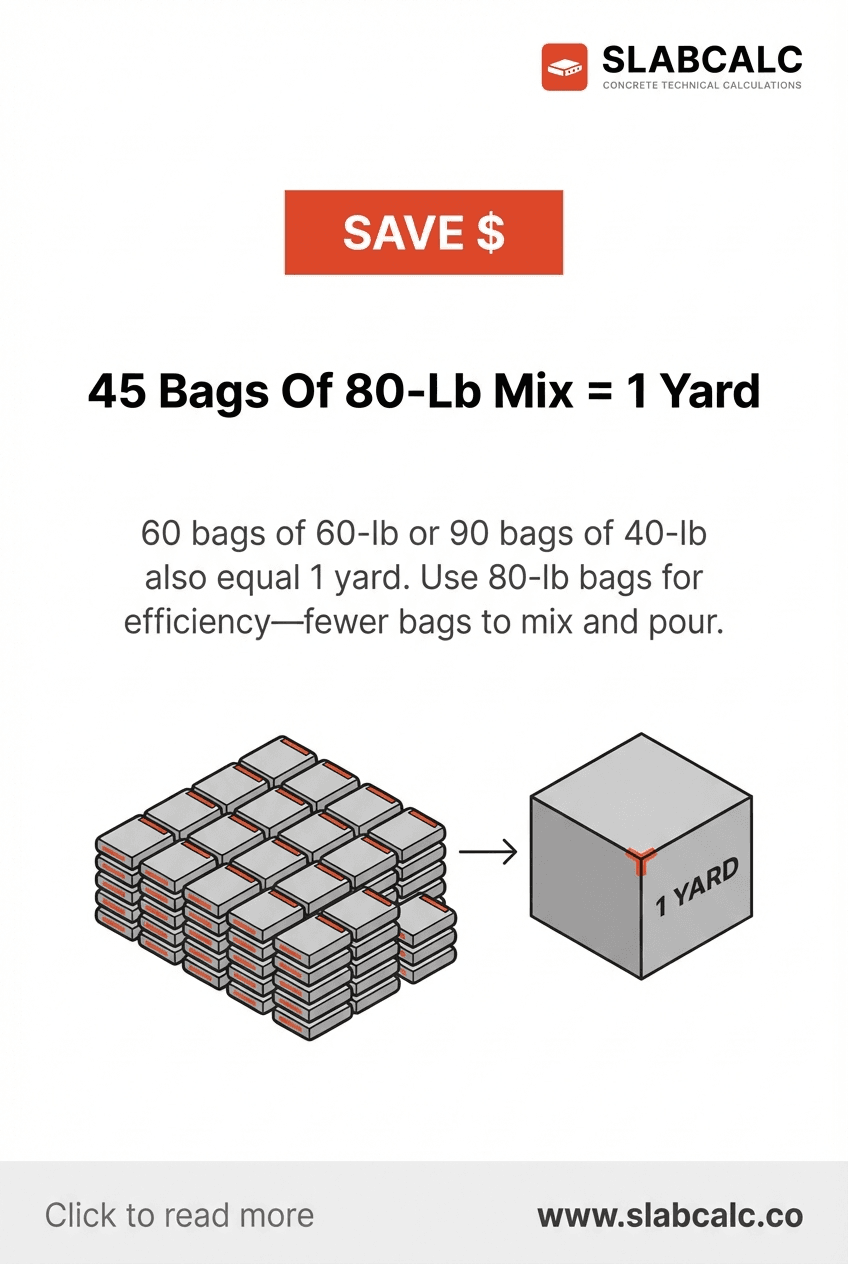
How Many Bags Equal 1 Yard? Save $40-80 Per Yard
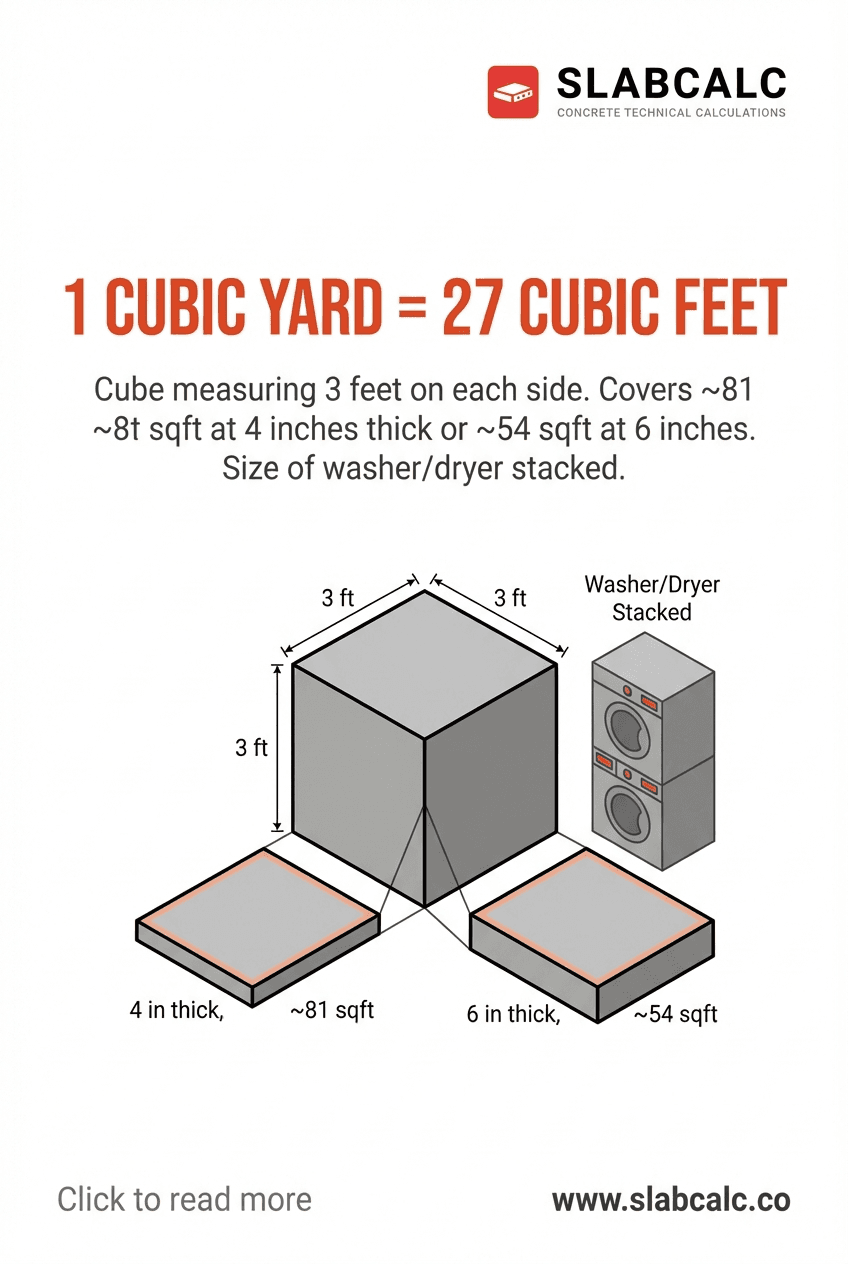
Understanding 1 Cubic Yard: The Foundation of Concrete Math
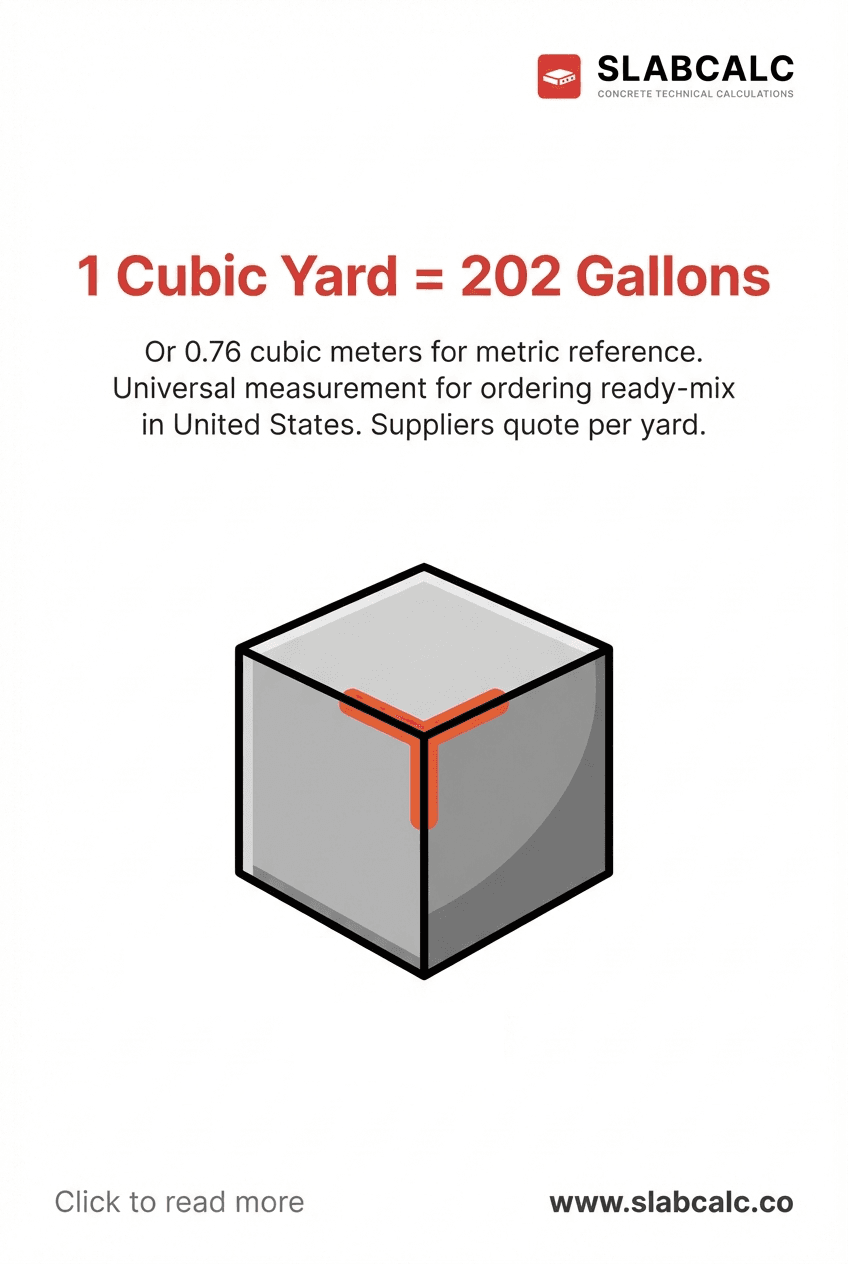
Understanding Cubic Yards: The Standard Concrete Measurement
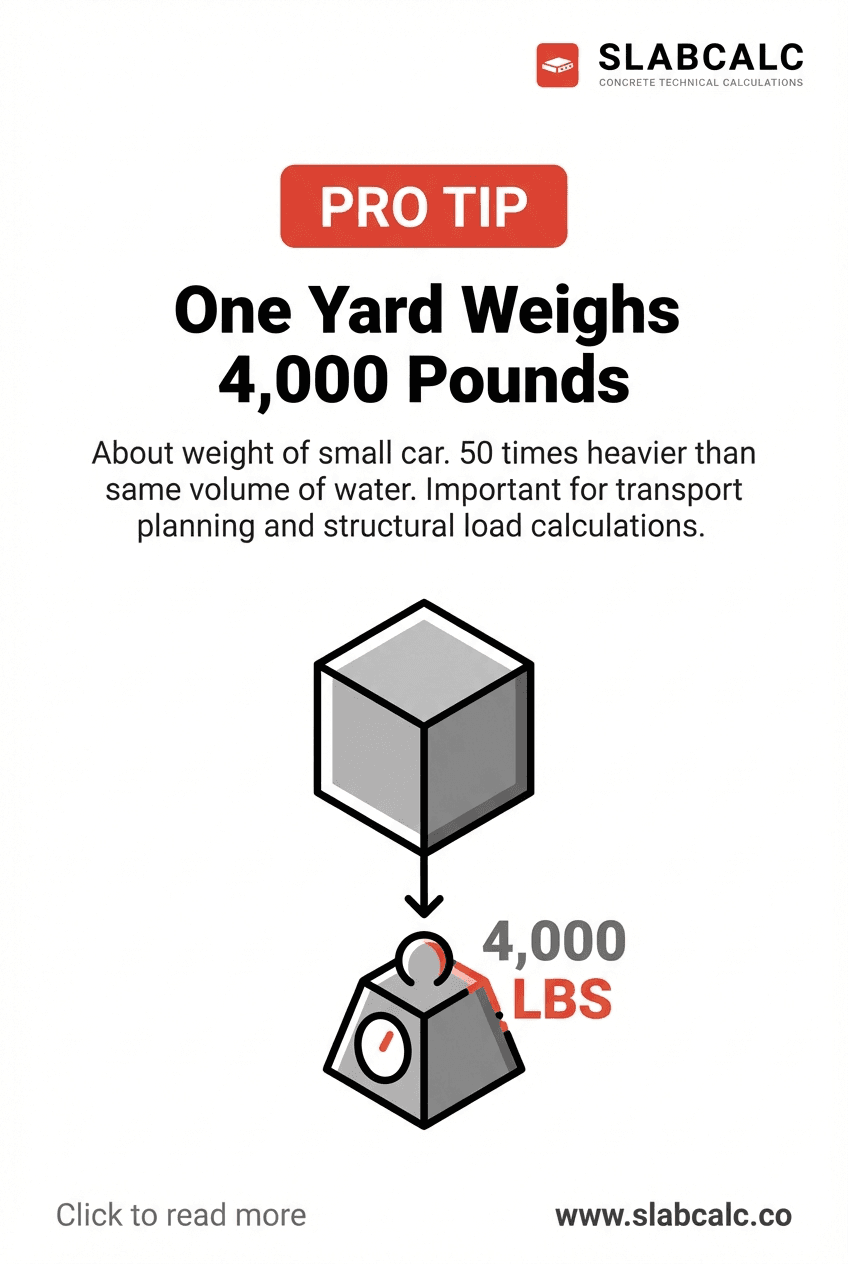
Concrete Yard Weight: Why 4,000 Pounds Changes Your Project
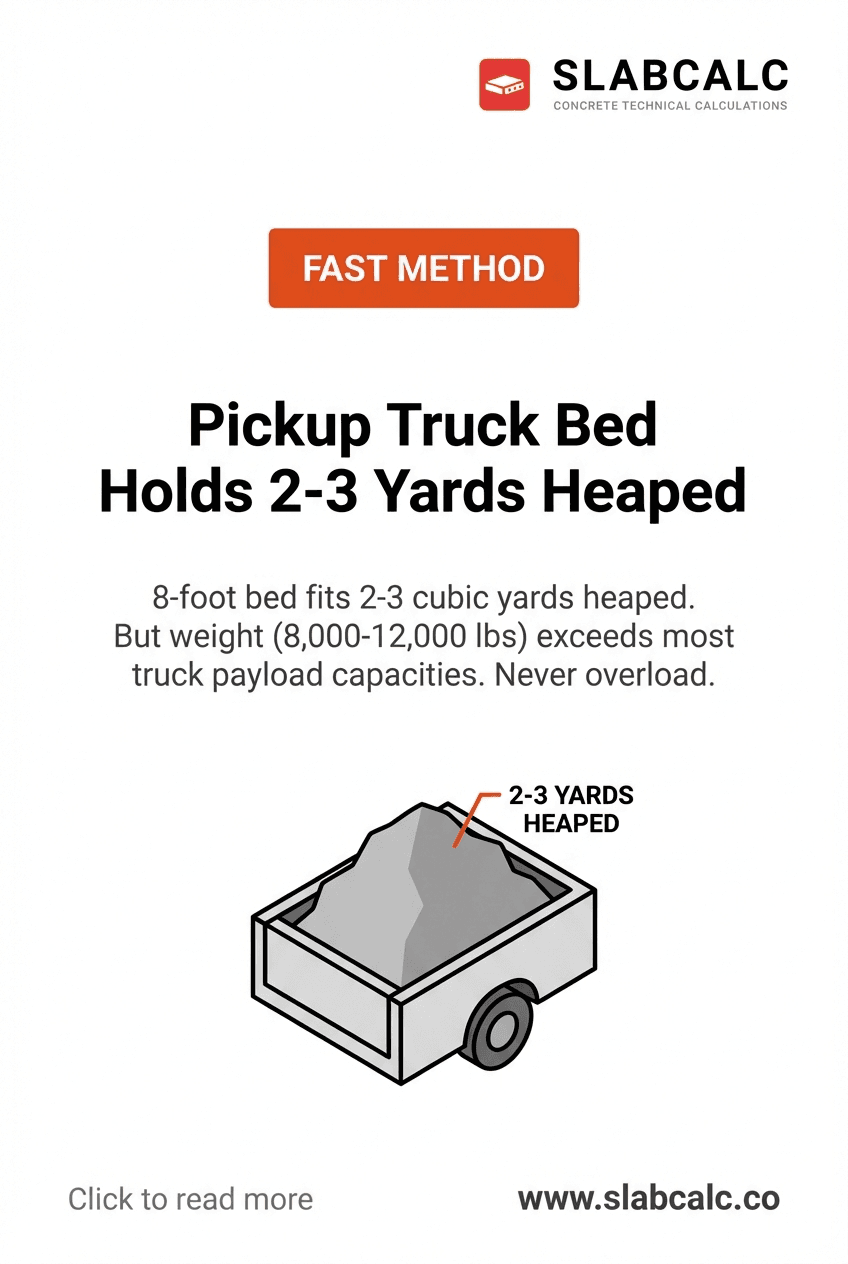
How Much Concrete Fits in a Pickup Truck Bed
Concrete Basics
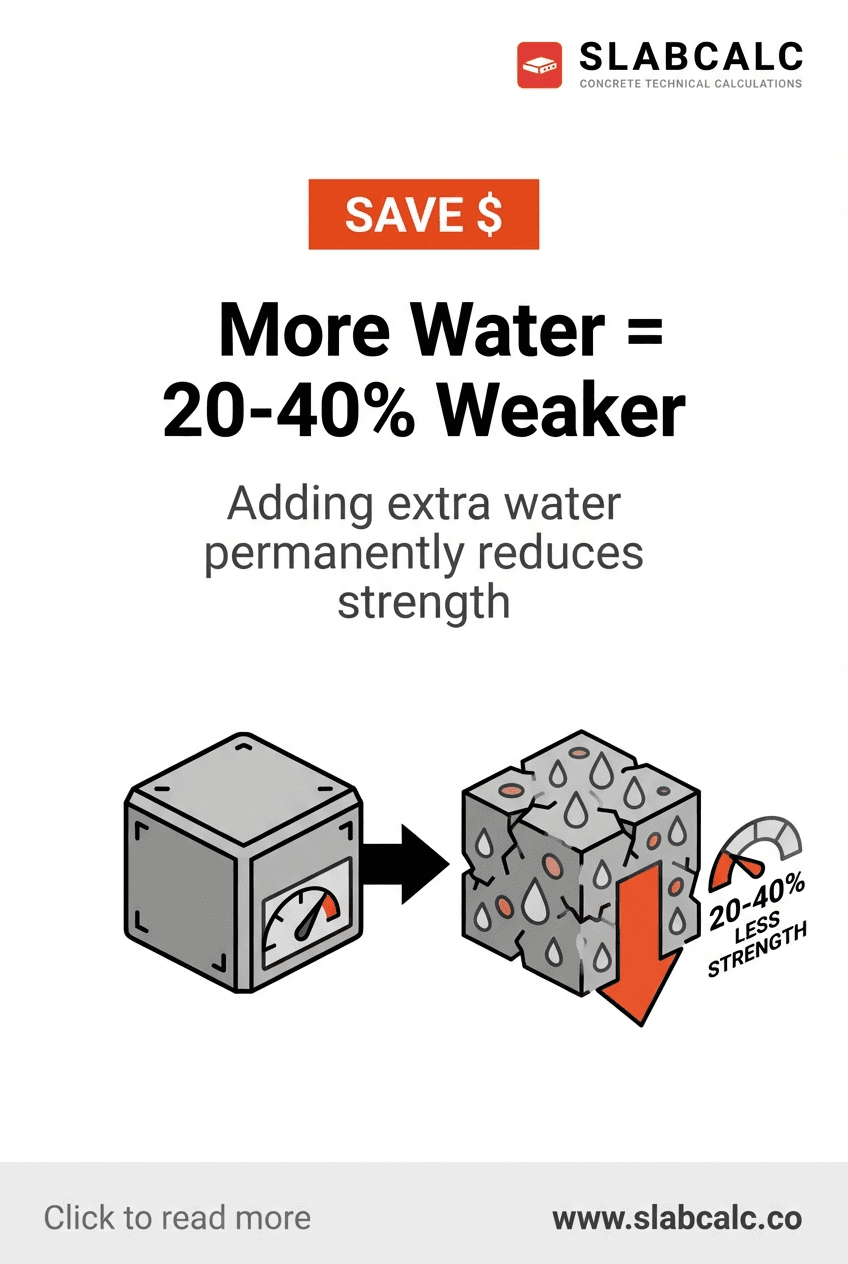
Why Adding Water Costs You $400+ in Concrete Strength
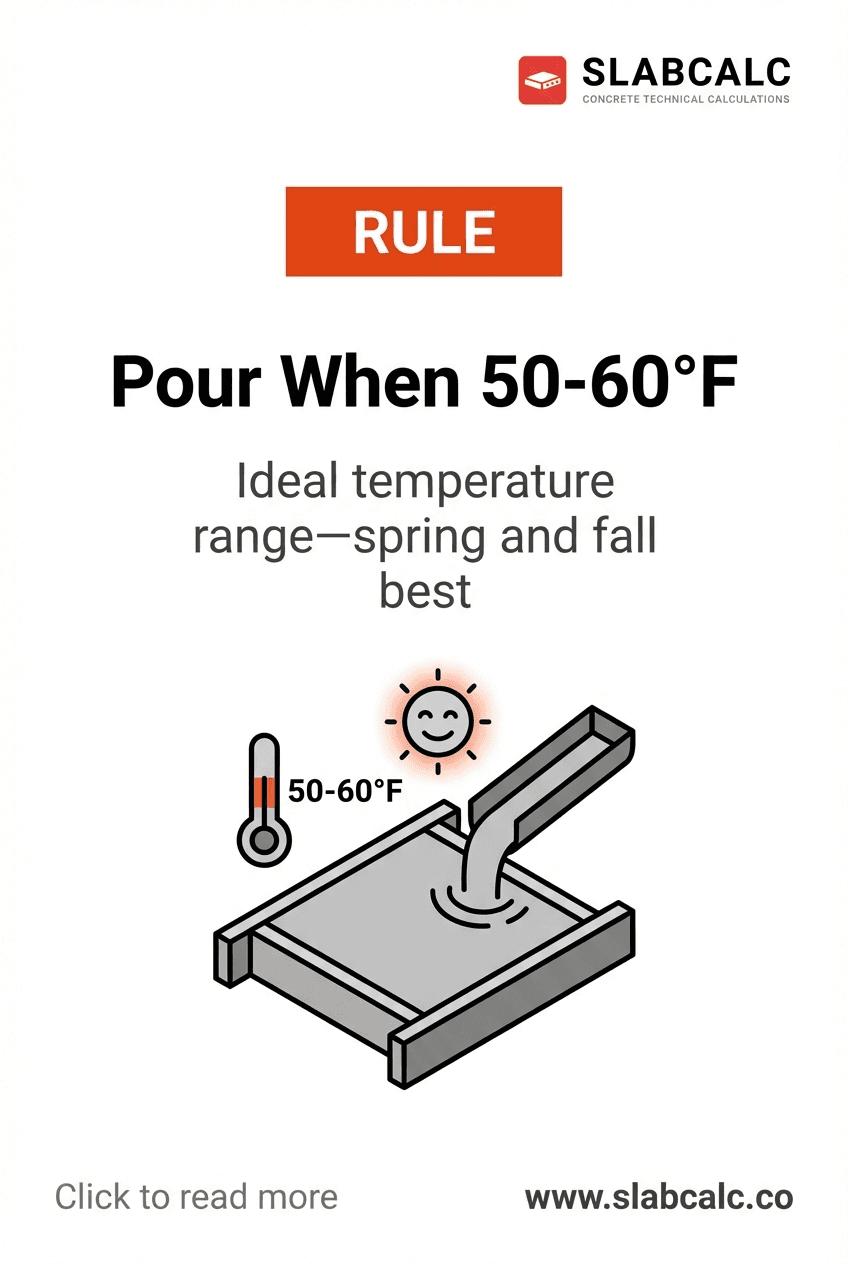
Temperature Rules for Concrete: Why 50-60°F Is the Sweet Spot

Speed Up Concrete Curing: The Spray Method vs. Plastic Covering
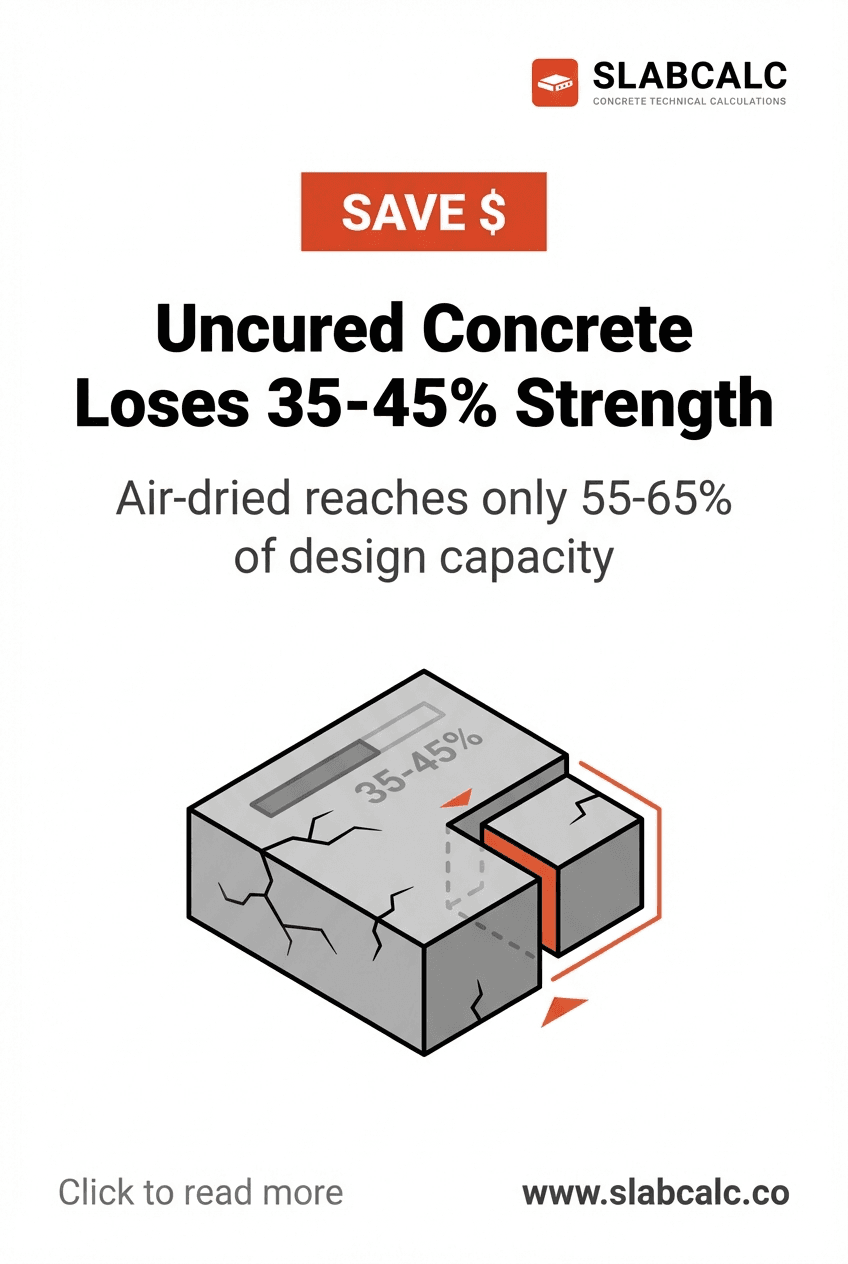
Why Proper Curing Saves Thousands in Concrete Repairs

Hot Weather Concrete: Why Temperature Matters for Curing
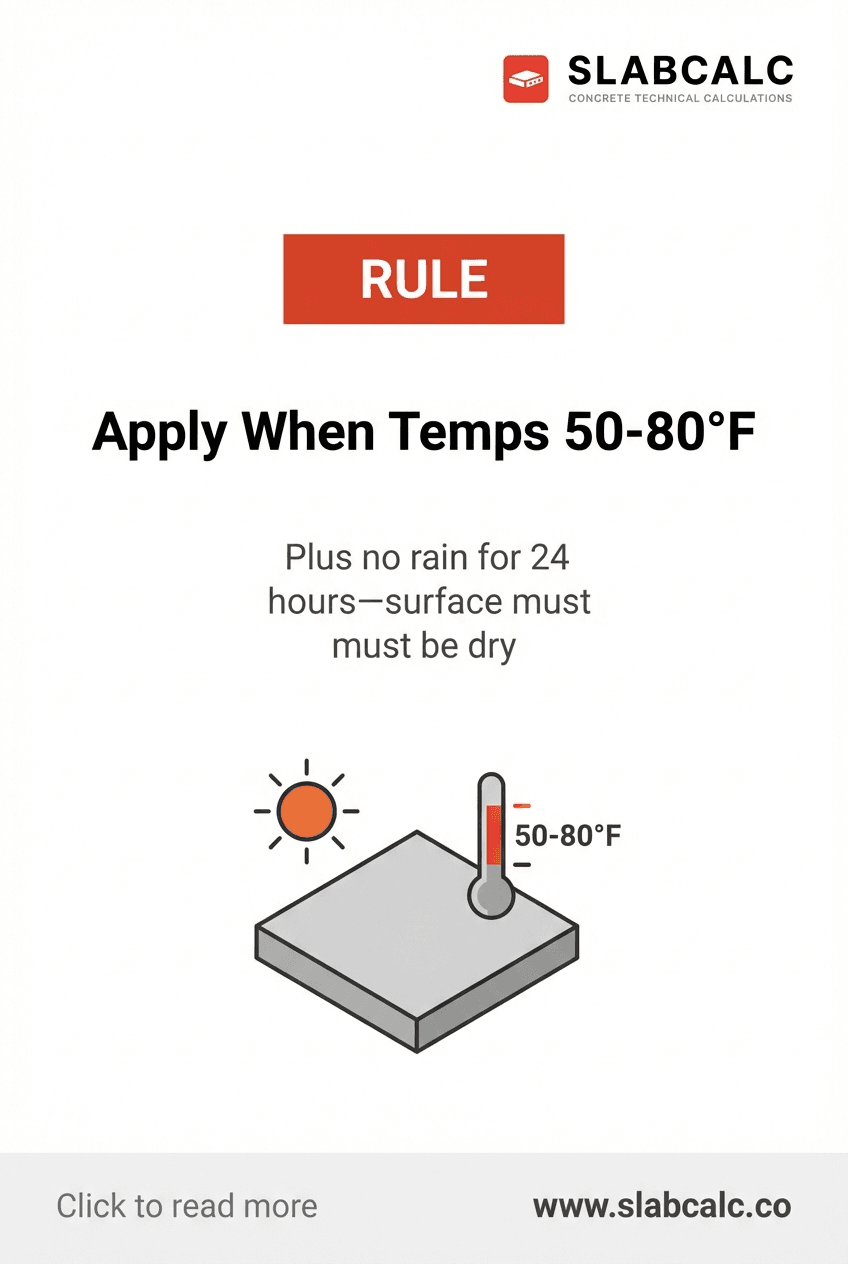
Concrete Sealer Application: Temperature & Weather Rules
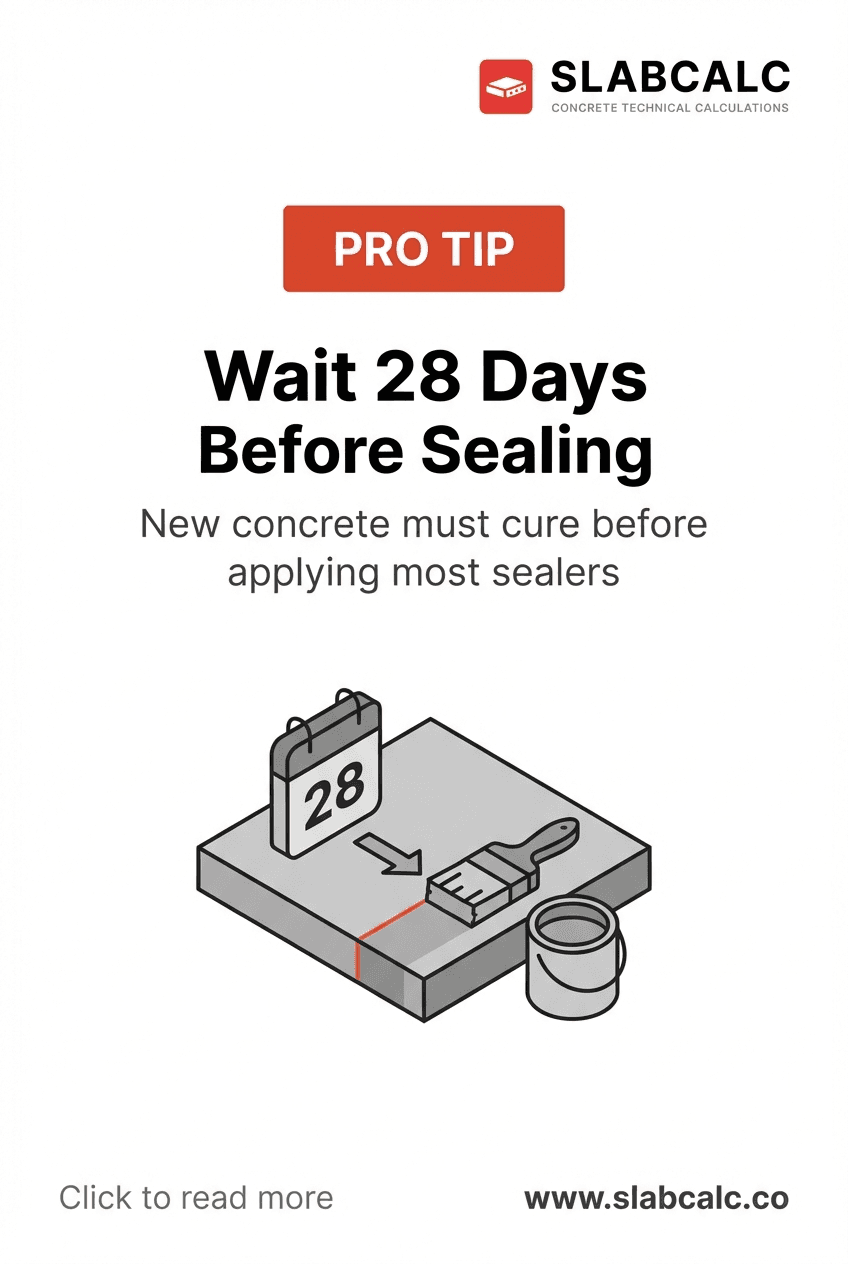
Why You Must Wait 28 Days Before Sealing Concrete

Epoxy Garage Floor Coating: Fast Application Method
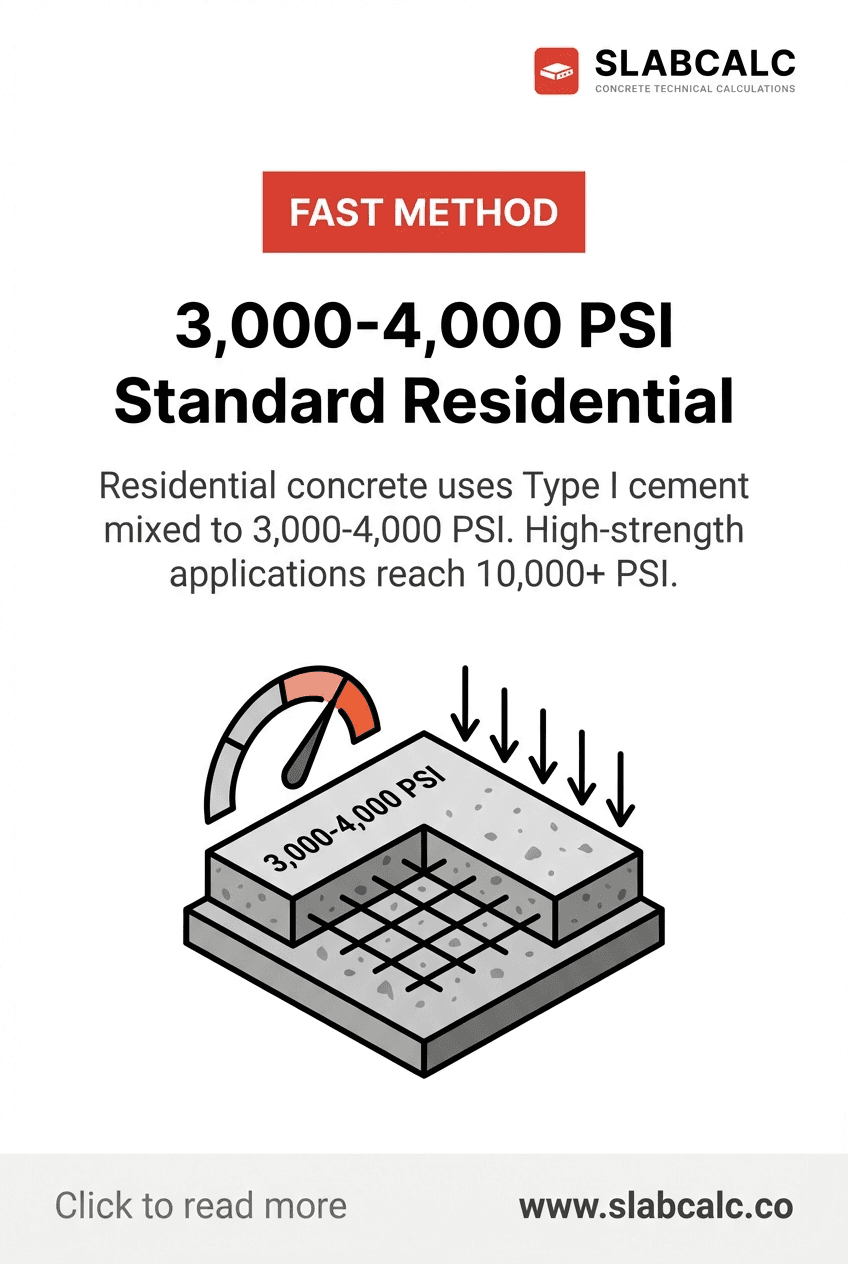
Why Residential Concrete Needs 3,000-4,000 PSI: Time-Smart Mixing
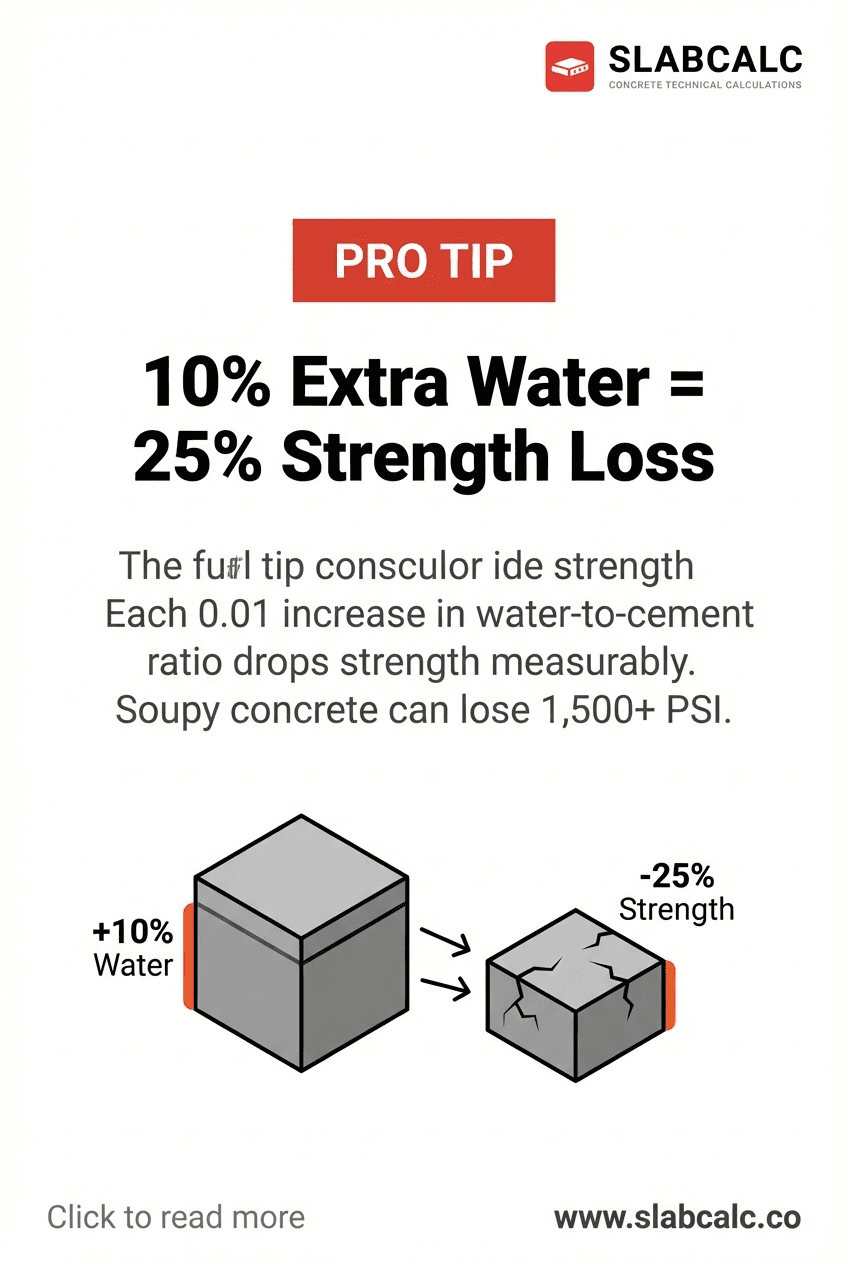
Why Extra Water Ruins Concrete Strength: The Pro Fix
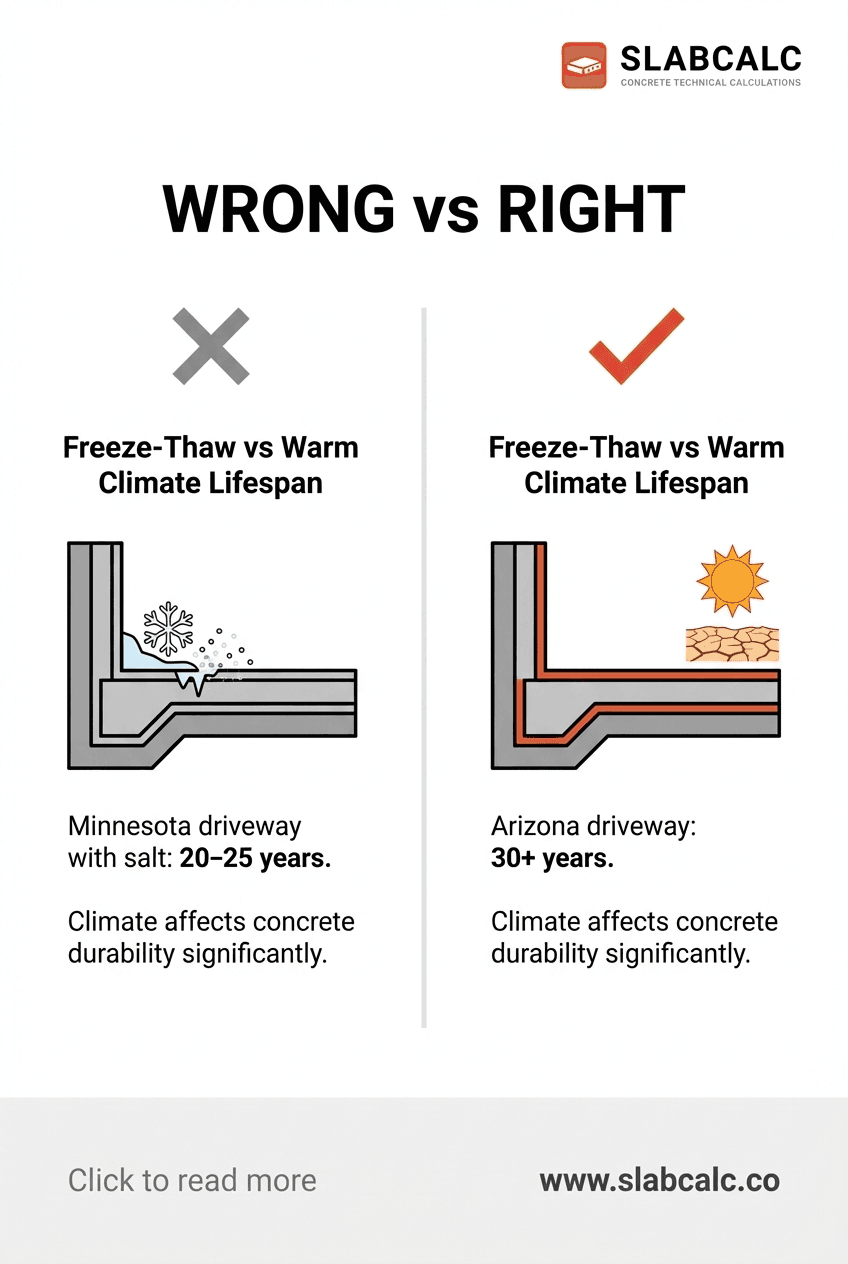
How Climate Affects Concrete Driveway Lifespan: Cold vs Warm
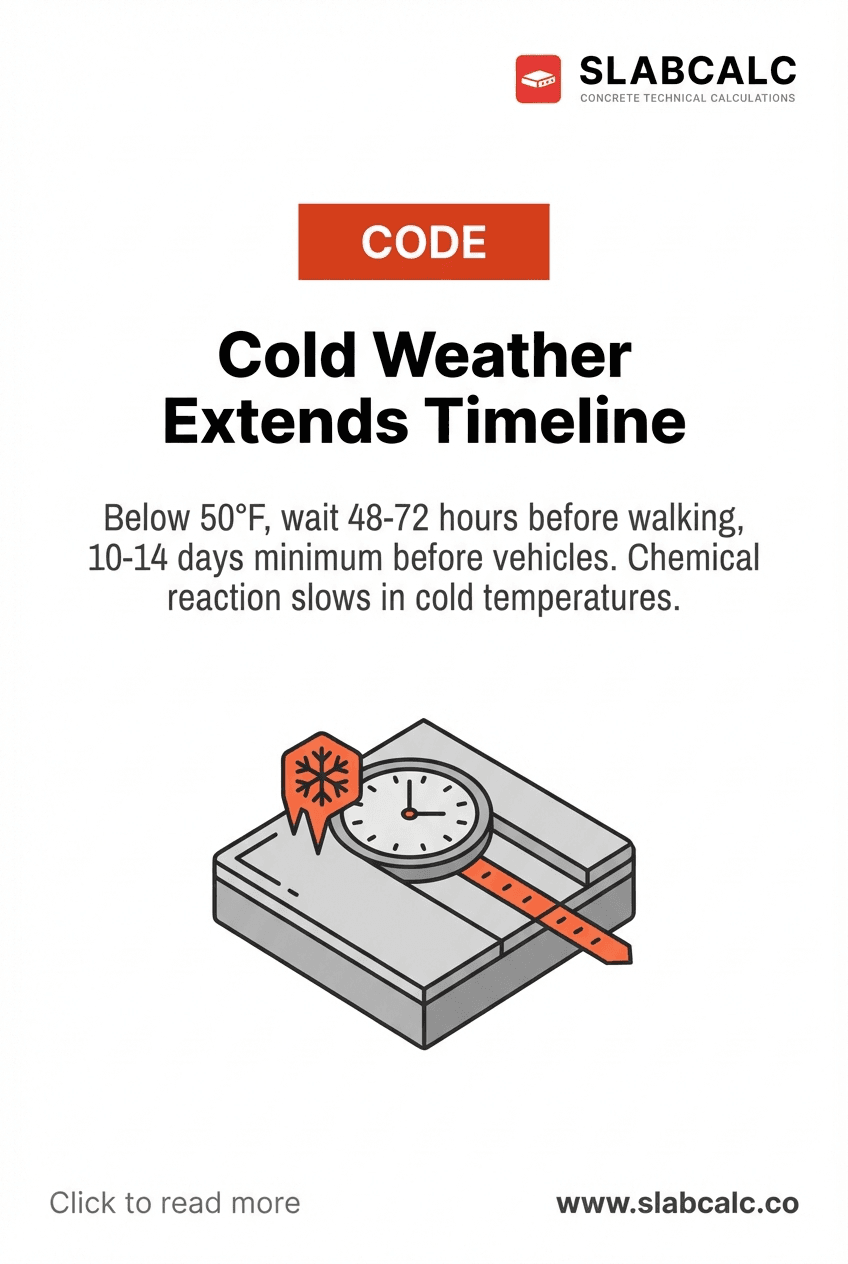
Cold Weather Concrete: Why Curing Takes Longer Below 50°F
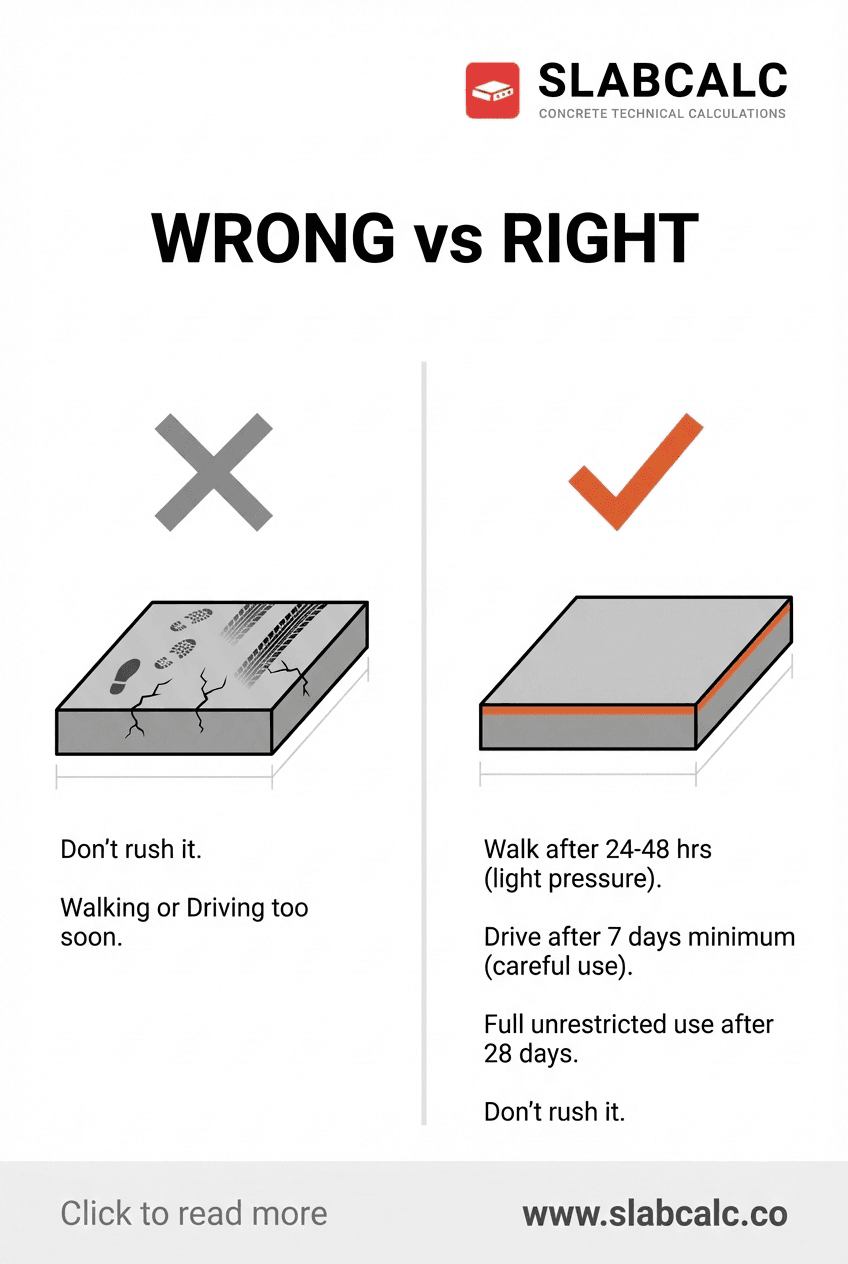
When Can You Walk and Drive on Concrete? Complete Timeline
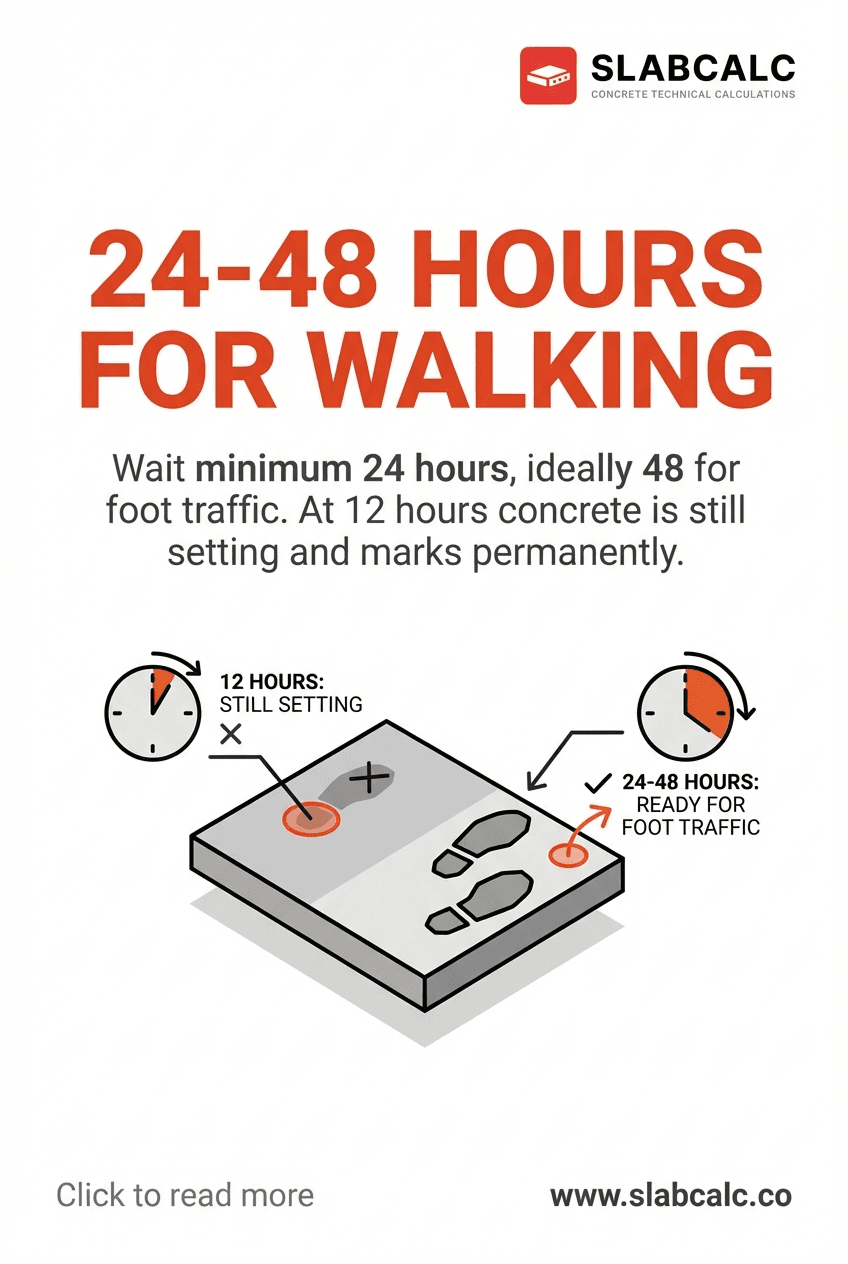
Wait 24-48 Hours Before Walking on New Concrete
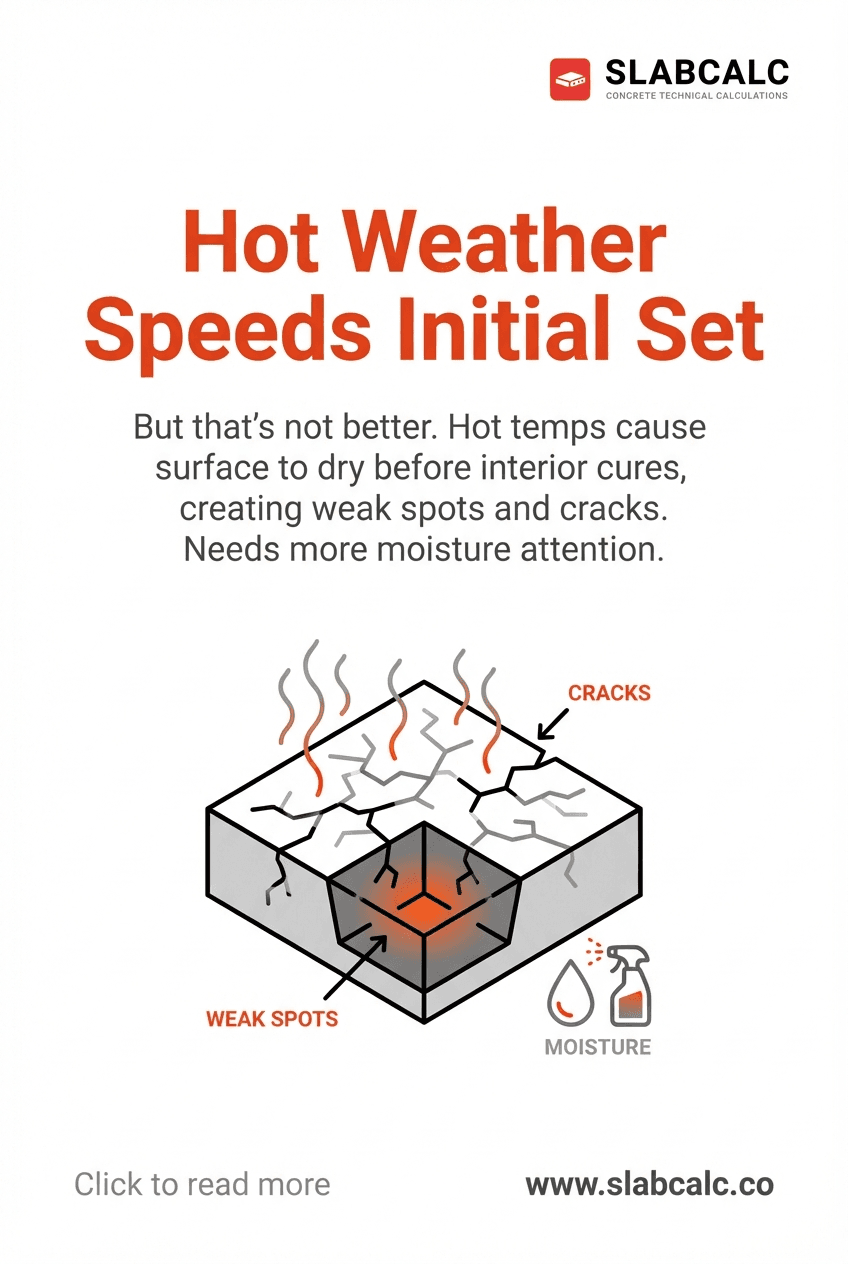
Hot Weather Concrete Curing: Why Speed Isn't Your Friend
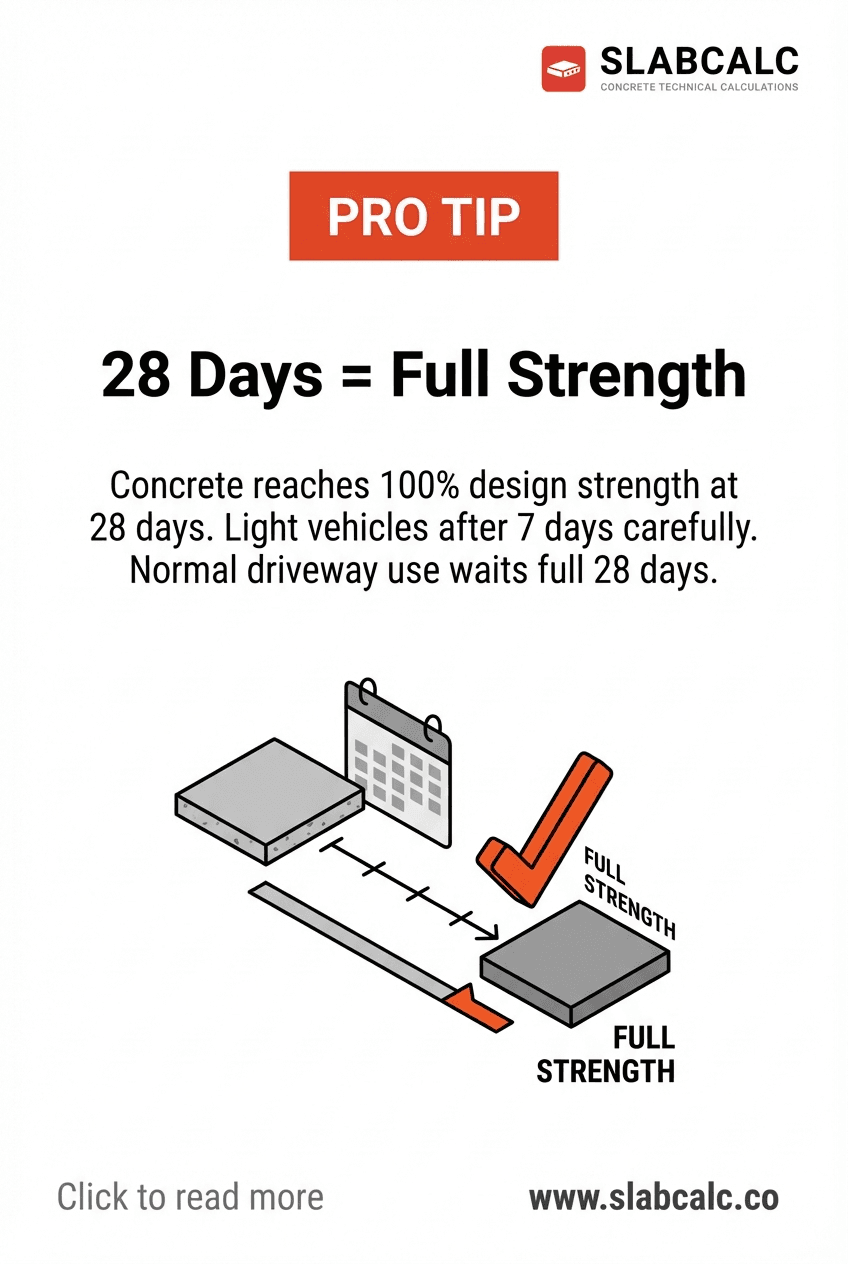
When Can You Drive on New Concrete? The 28-Day Rule
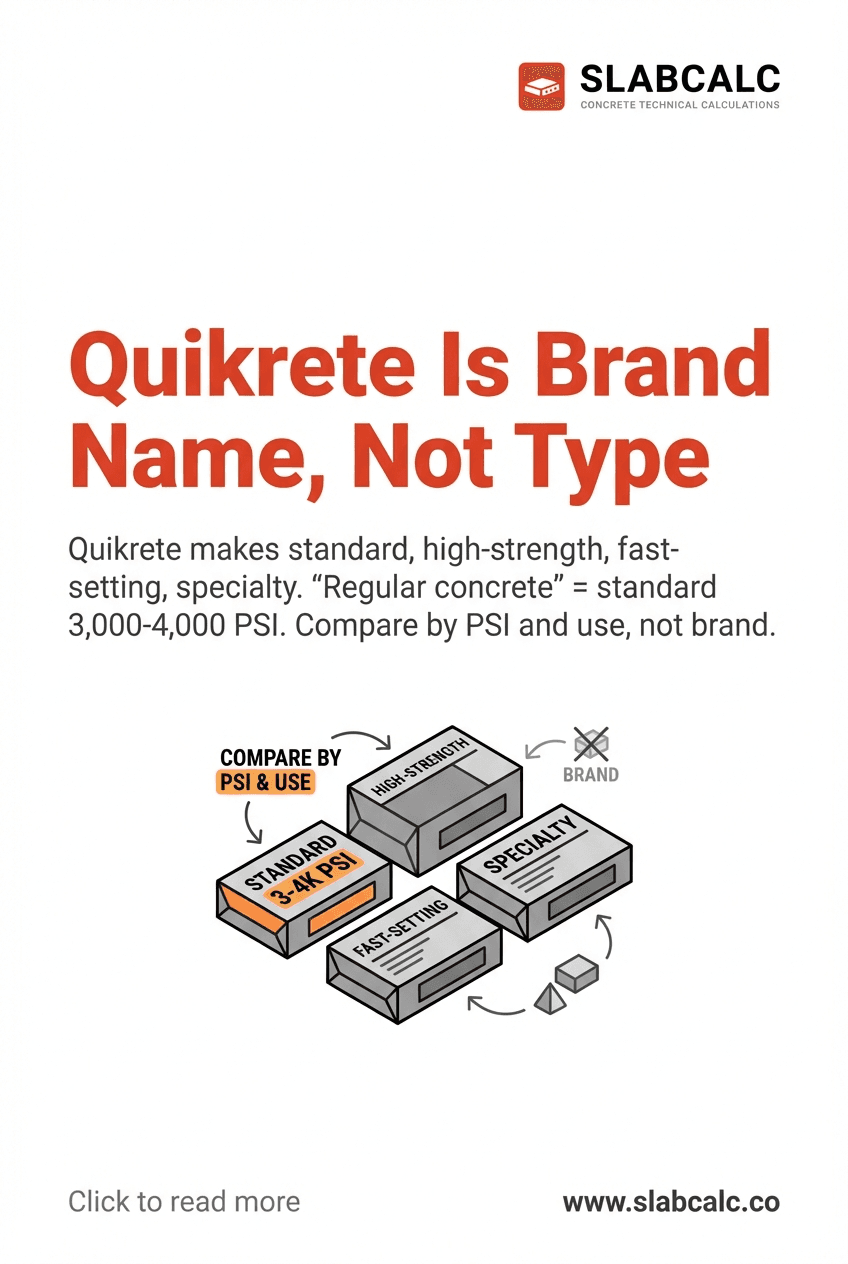
Stop Confusing Quikrete Brand with Concrete Type
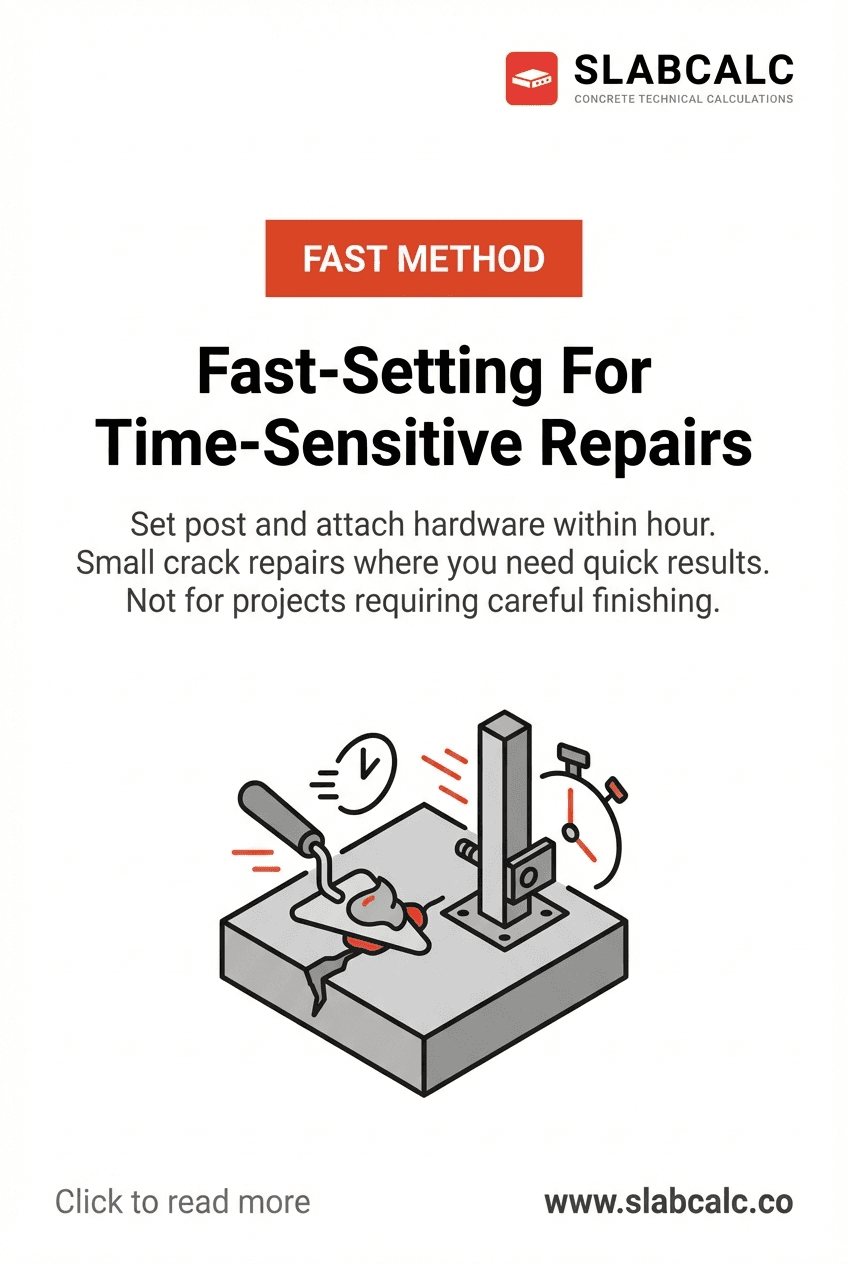
Fast-Setting Concrete: Repair & Post Solutions in Under an Hour
Costs & Budgeting
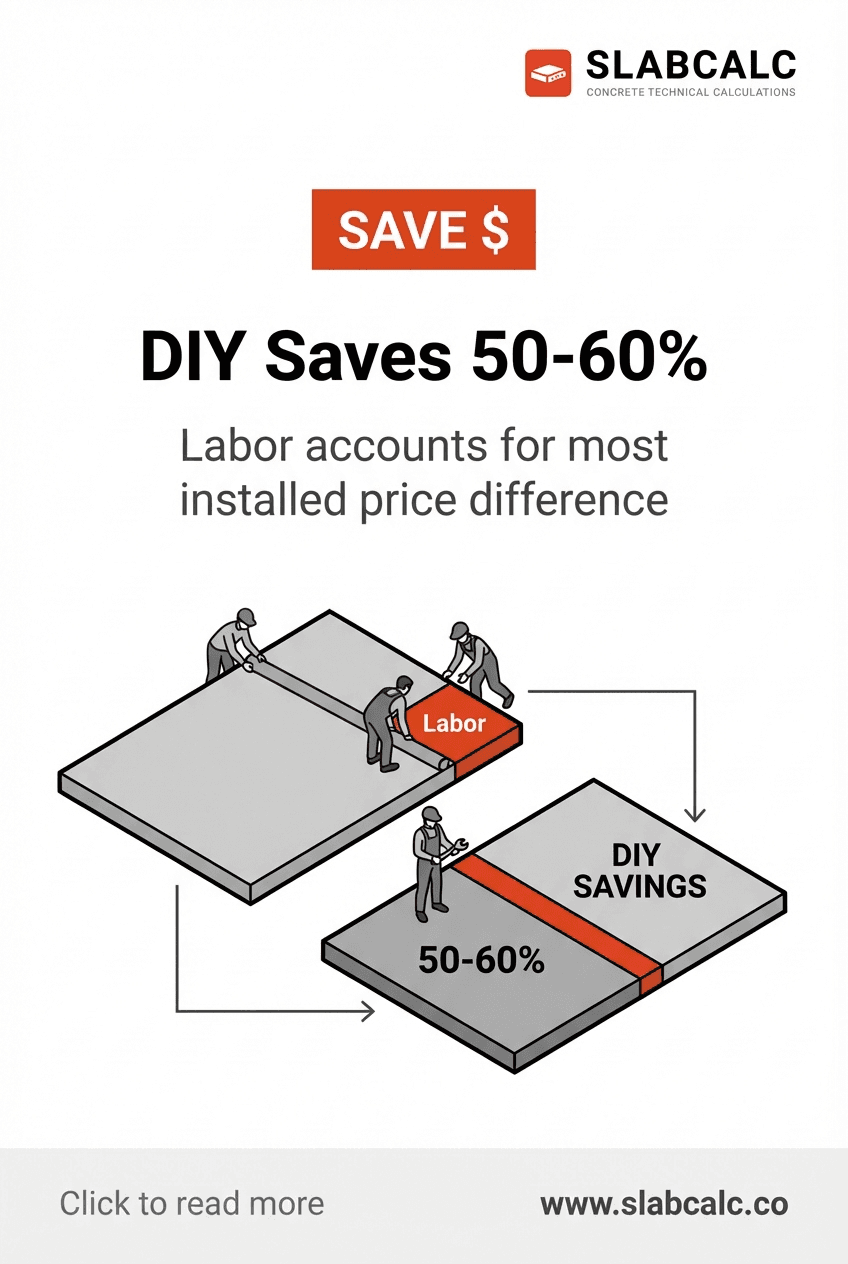
DIY Concrete Saves $3,000–$6,000 on Average Projects
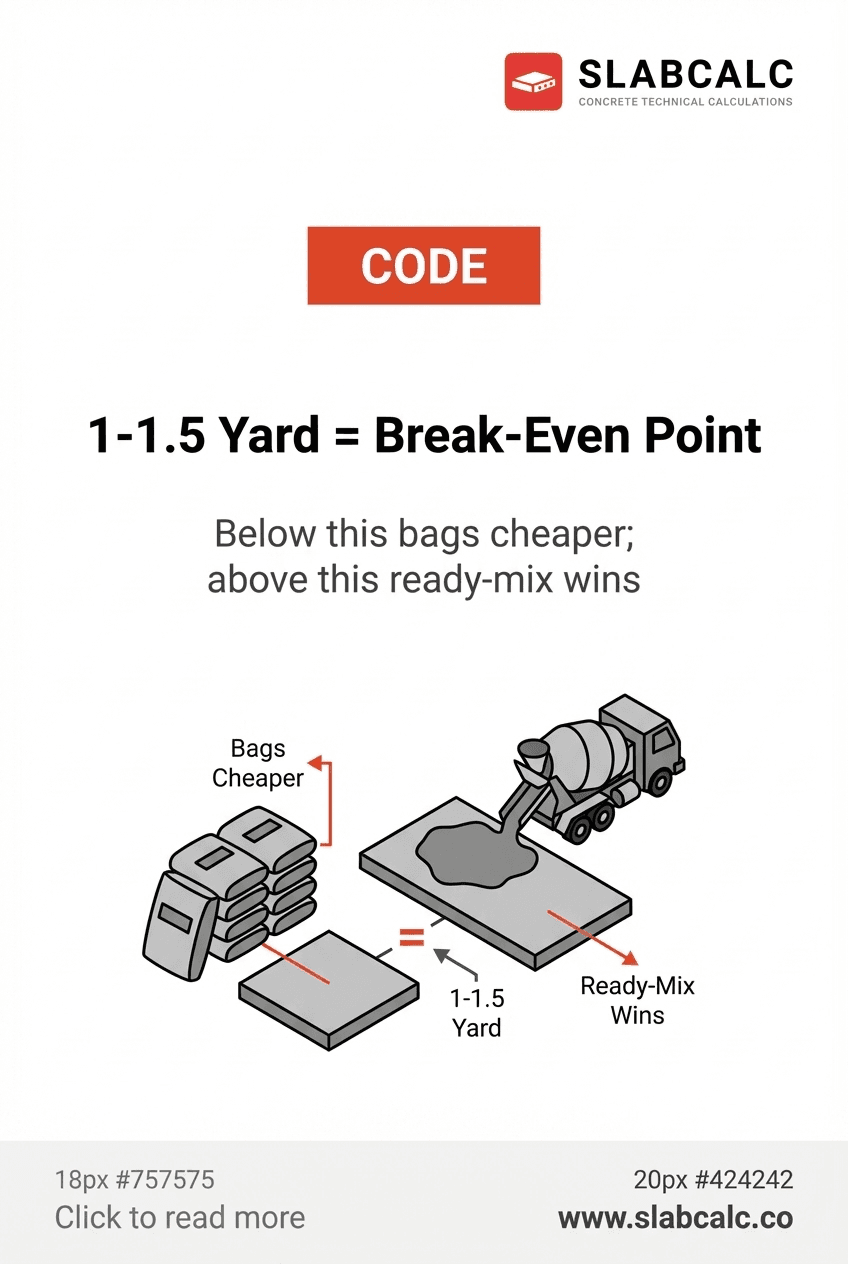
Bagged vs. Ready-Mix: Finding Your Concrete Break-Even Point
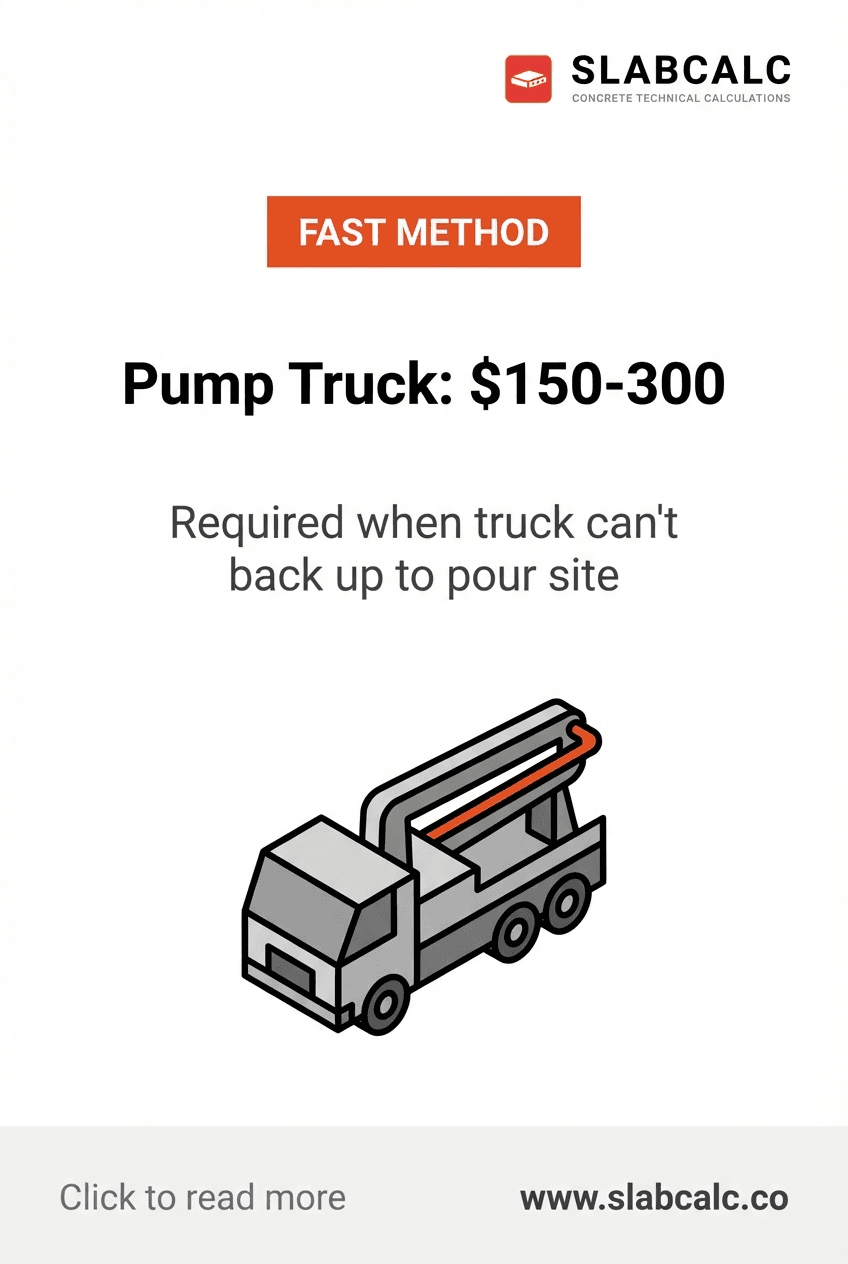
Pump Truck Fees: When $150-300 Saves You Days of Work
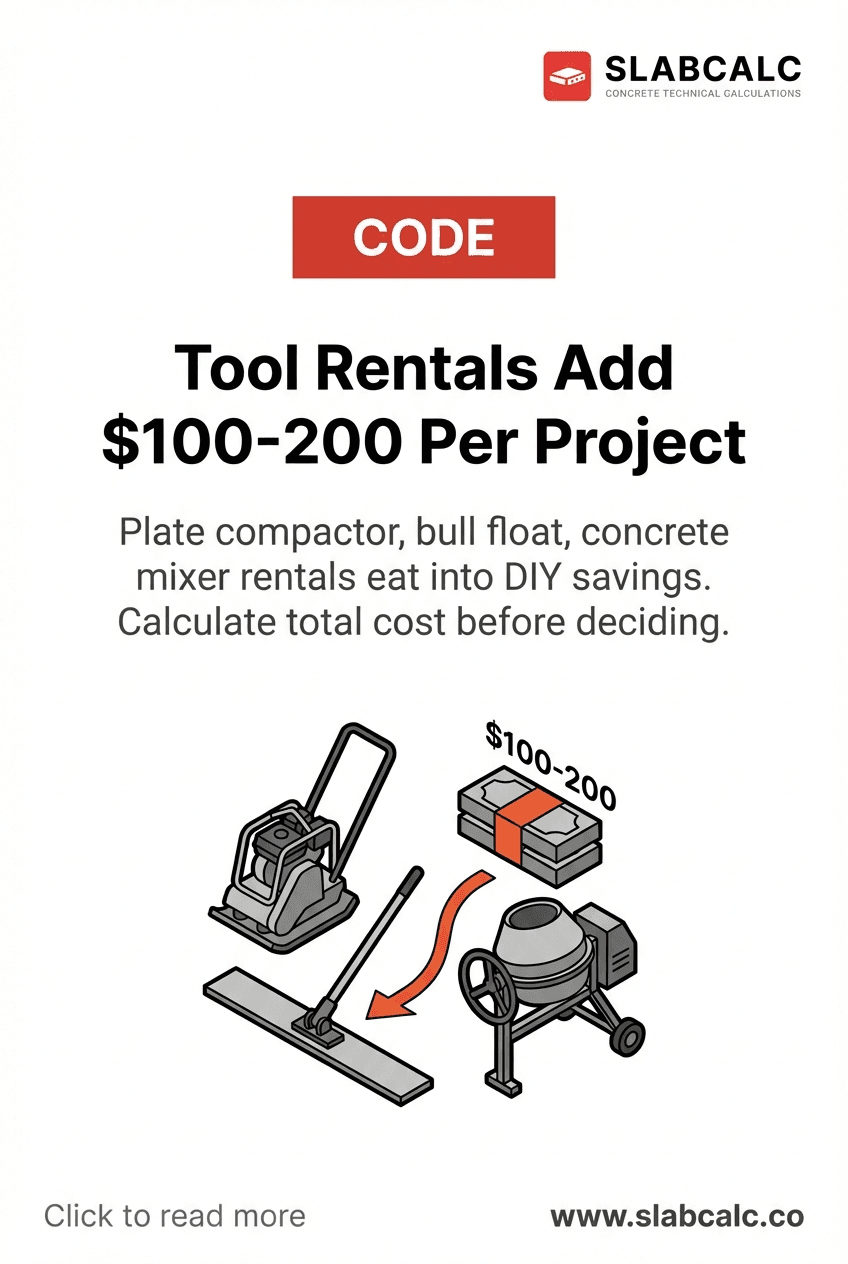
Hidden Tool Rental Costs: Budget These Essentials
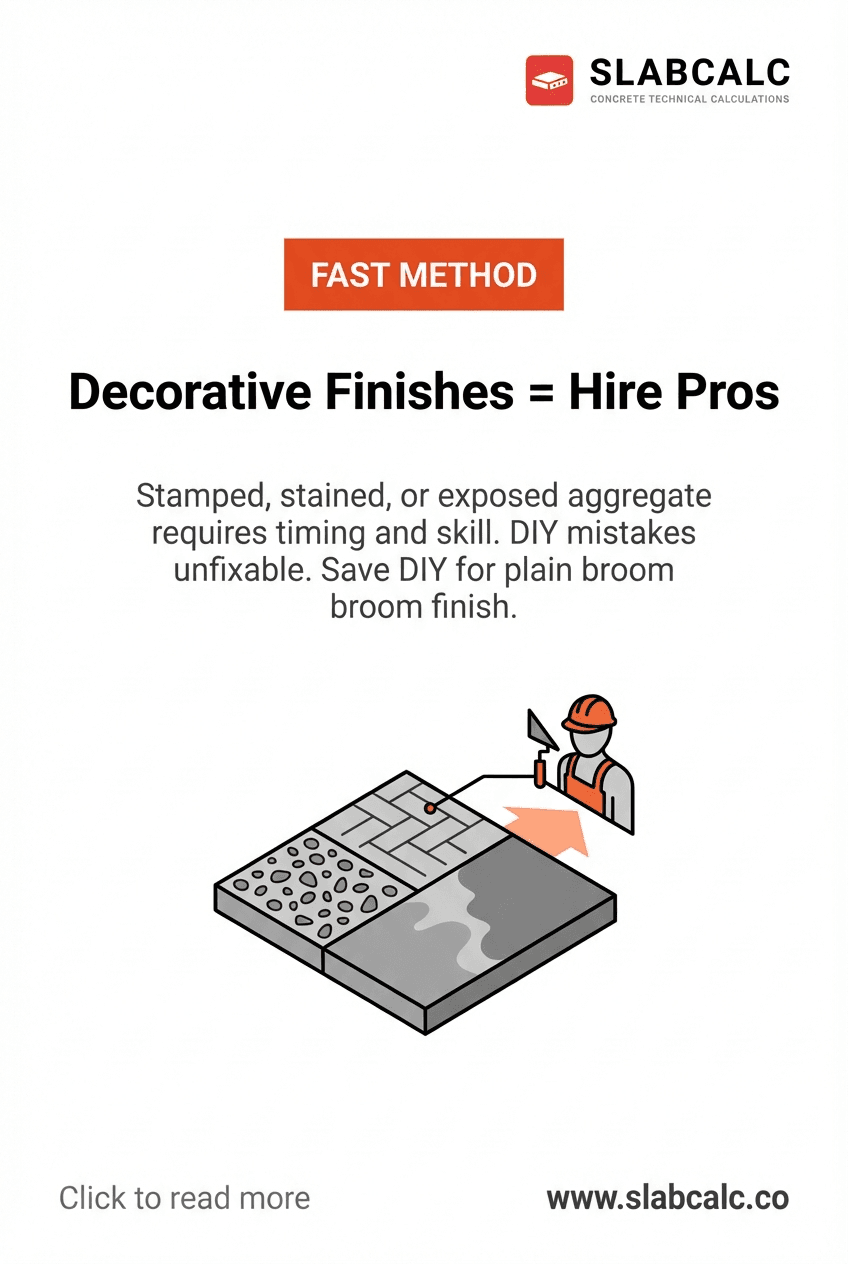
Why Decorative Concrete Finishes Demand Professional Contractors
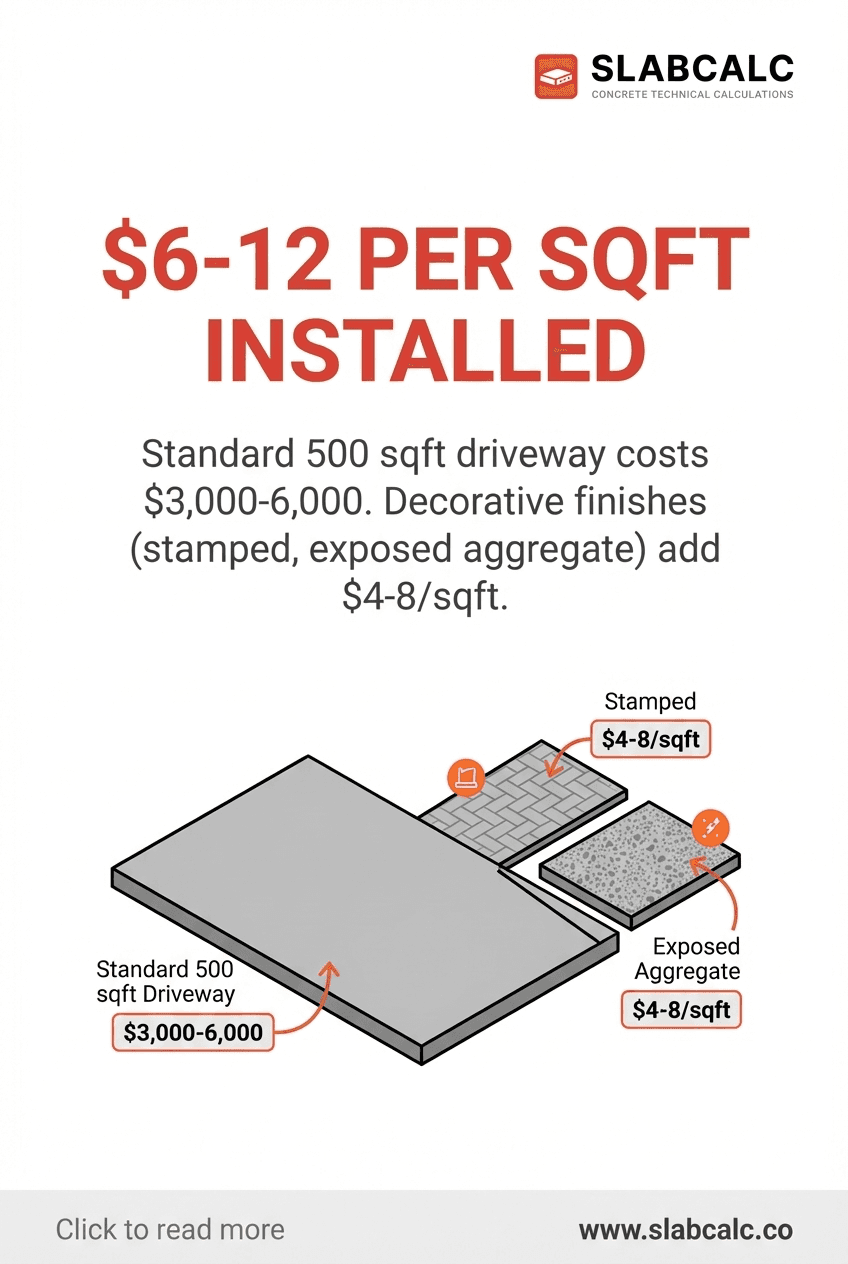
Concrete Driveway Cost: $6-12 Per Square Foot Installed
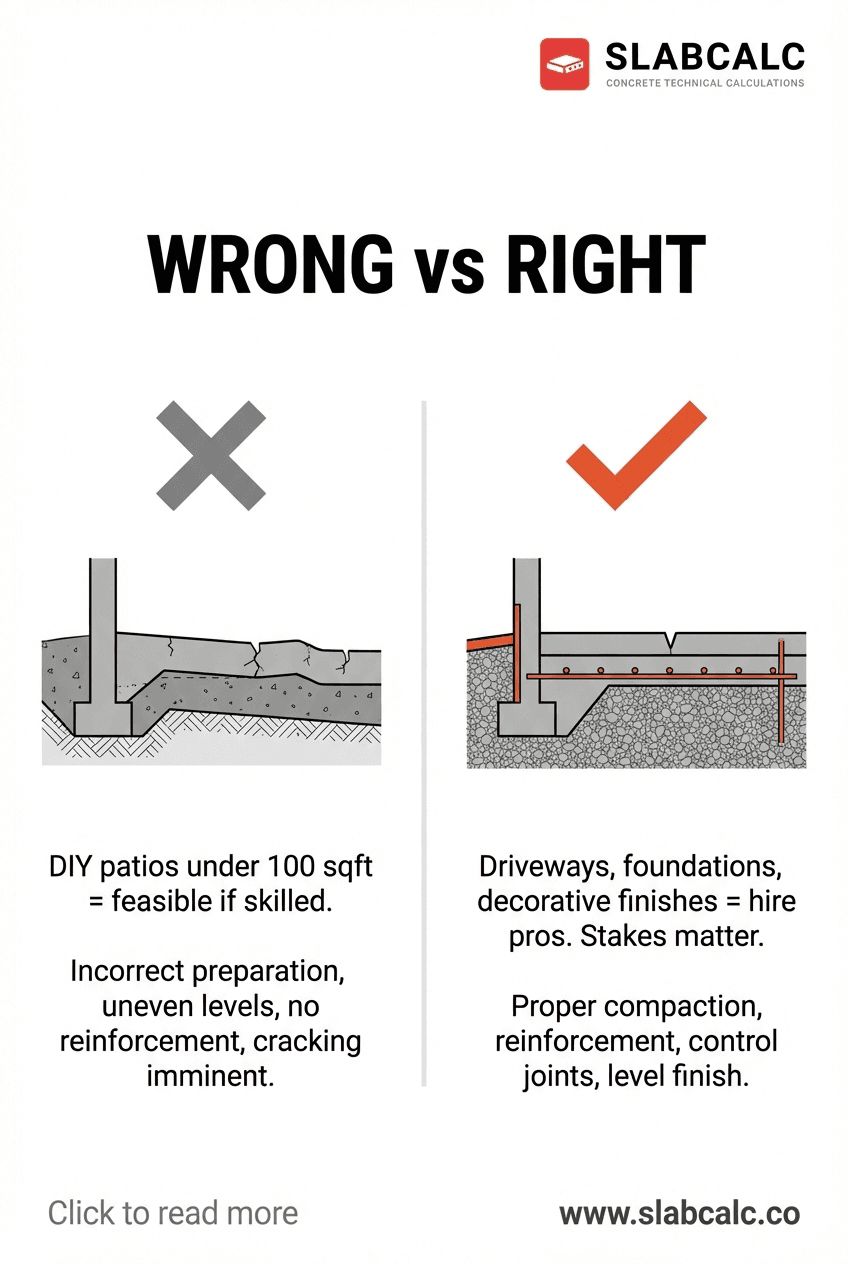
When to DIY Your Concrete Patio vs Hiring a Pro
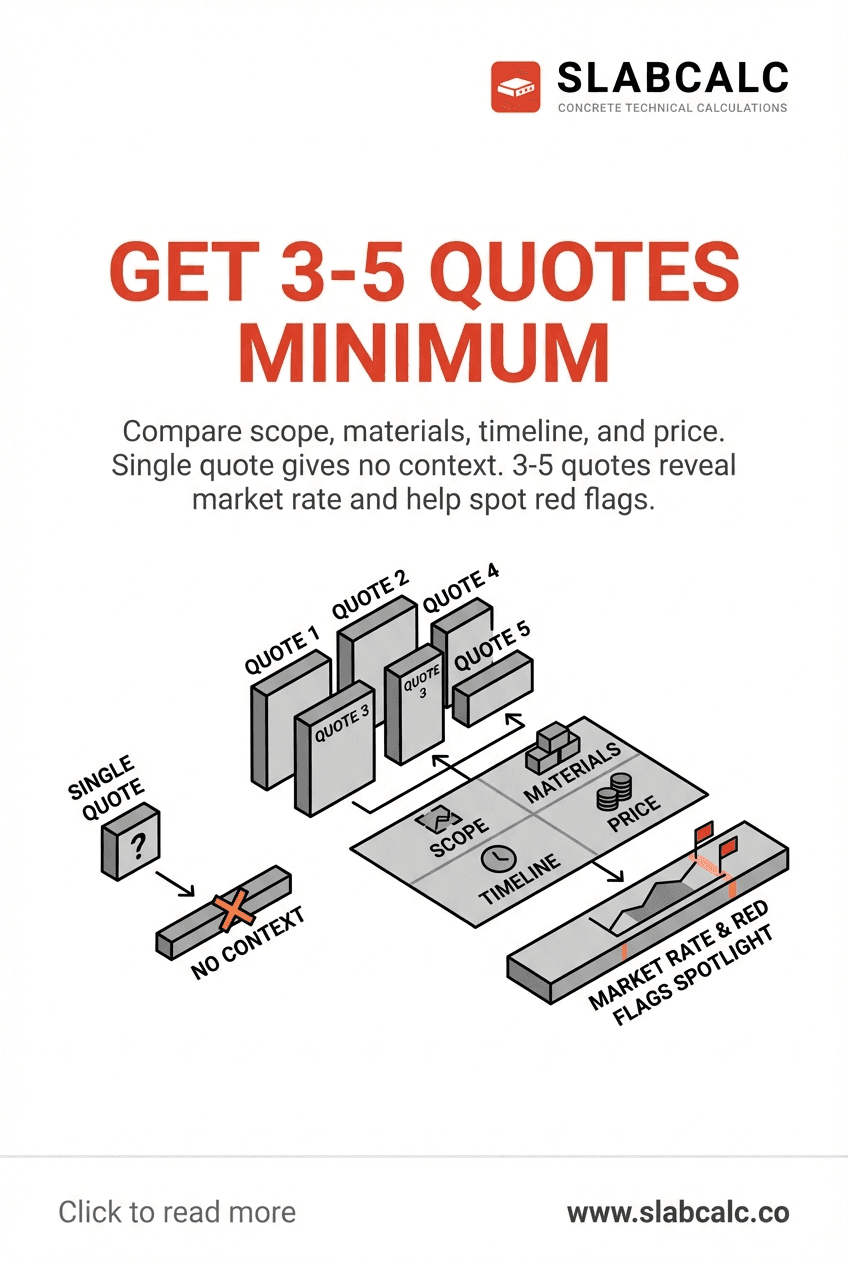
Why Getting 3-5 Concrete Quotes Saves Thousands
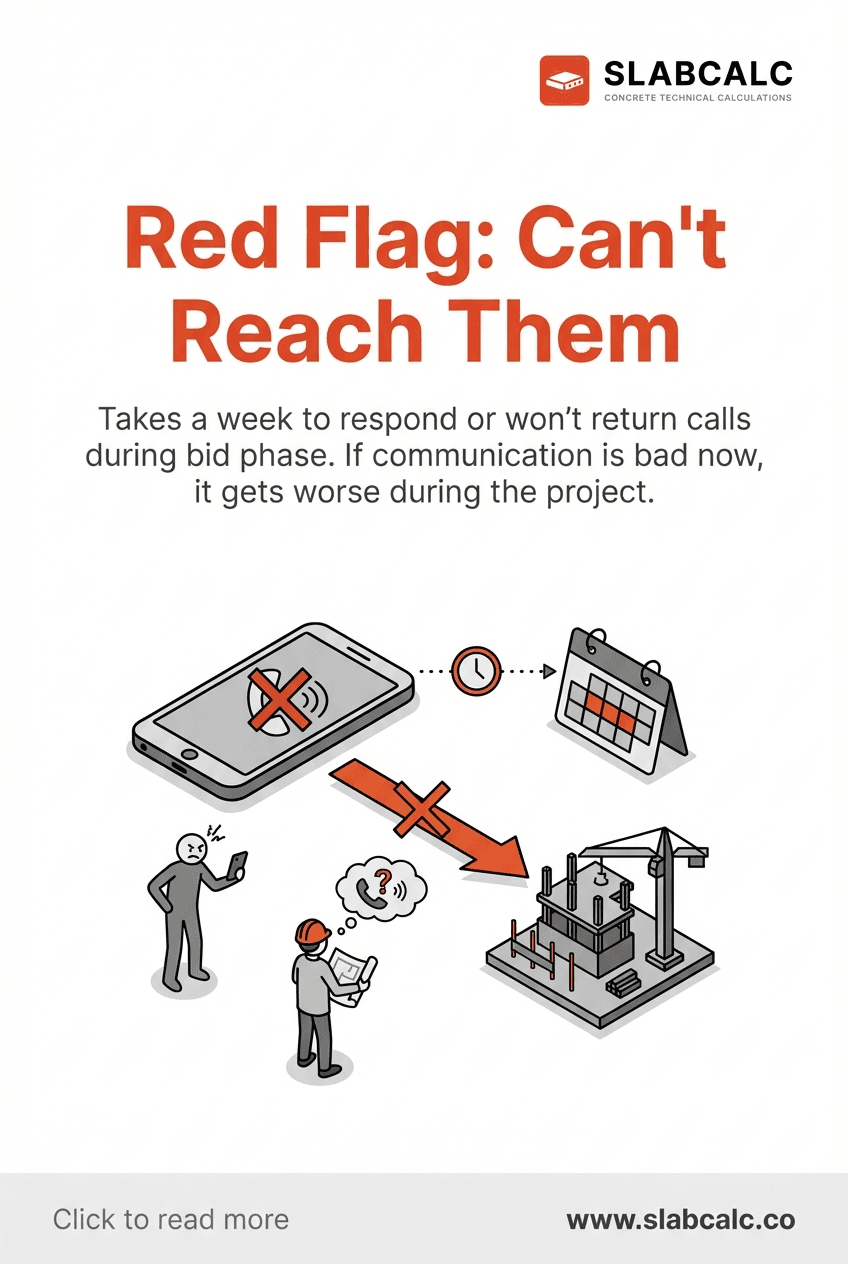
Why Slow Communication Signals Trouble with Concrete Contractors

Why Skipping Contractor References Costs You Thousands
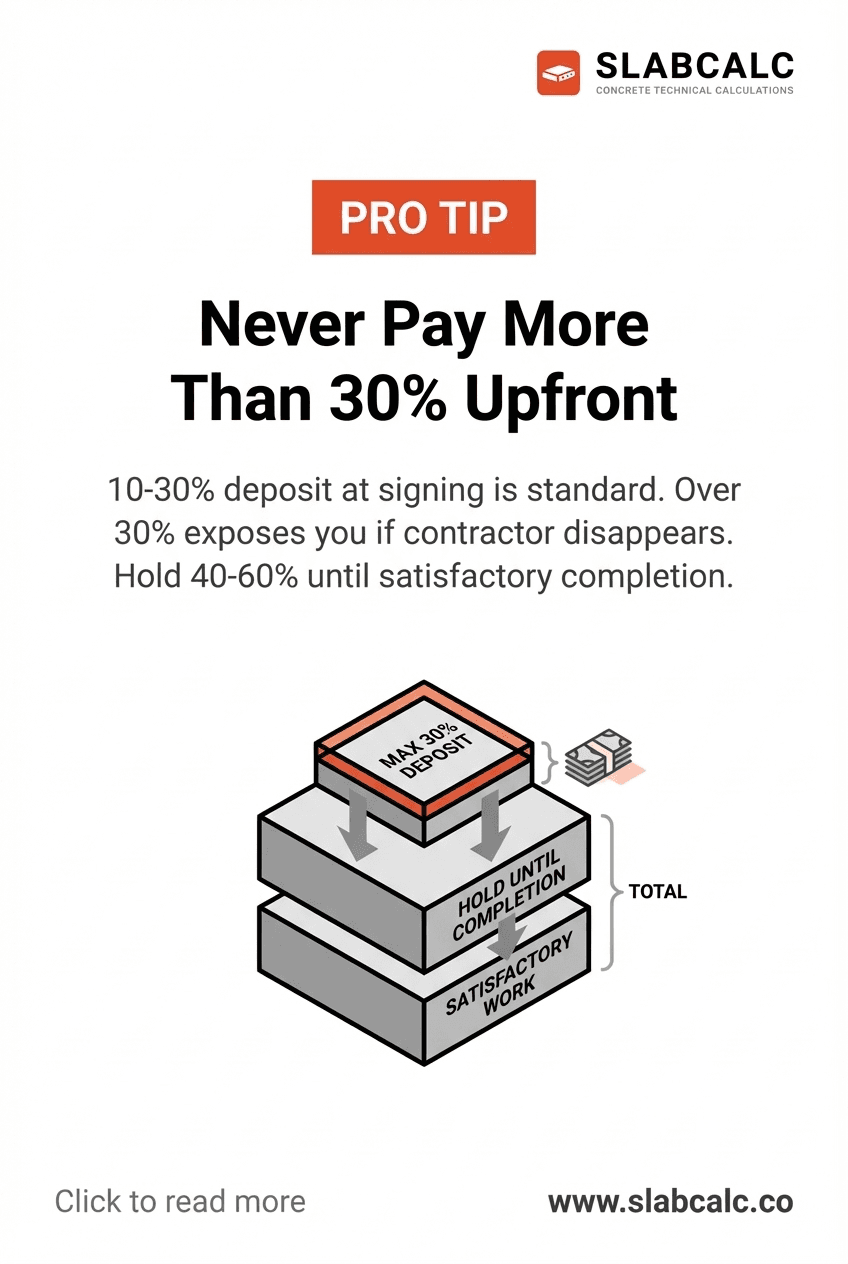
Never Pay More Than 30% Upfront for Concrete Work
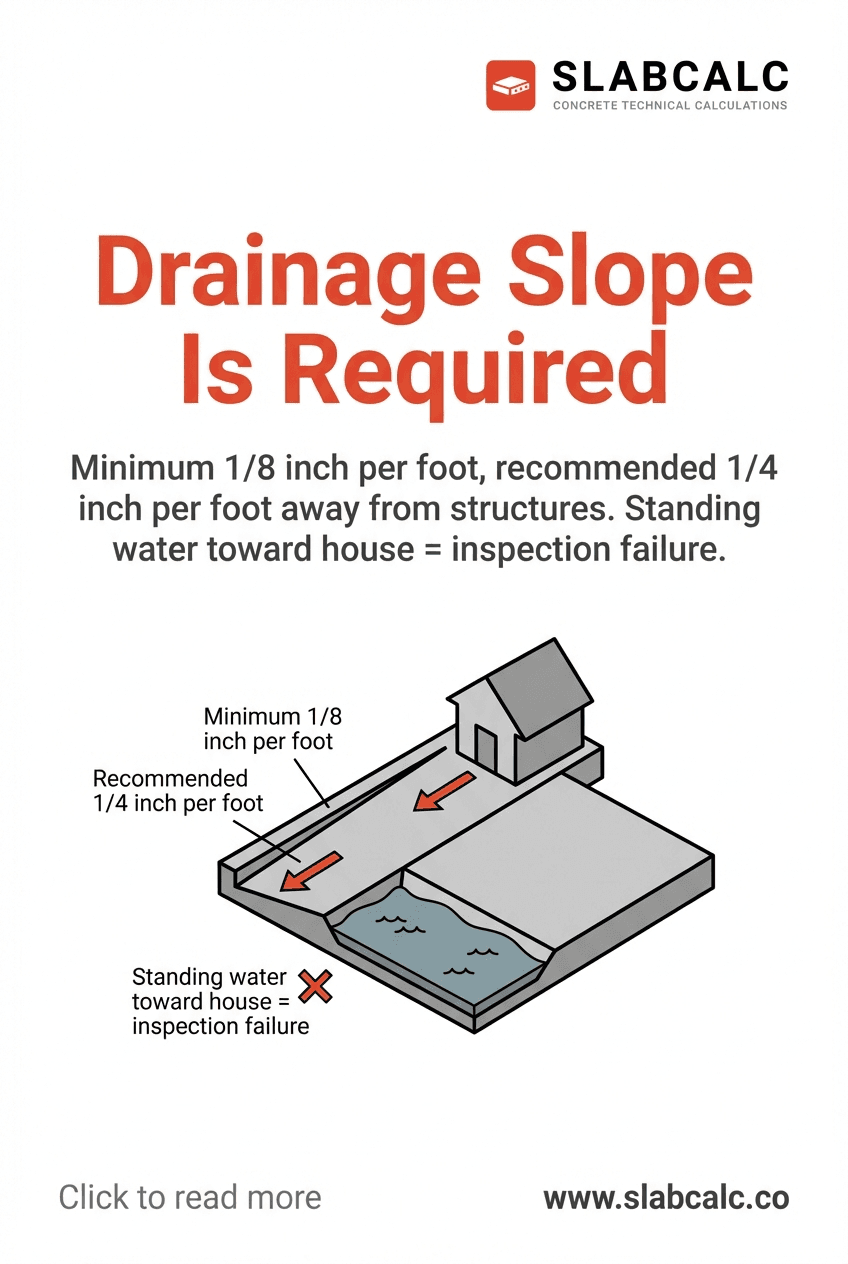
Why Drainage Slope Failure Halts Your Concrete Inspection

How to Find Concrete Permit Requirements for Your City
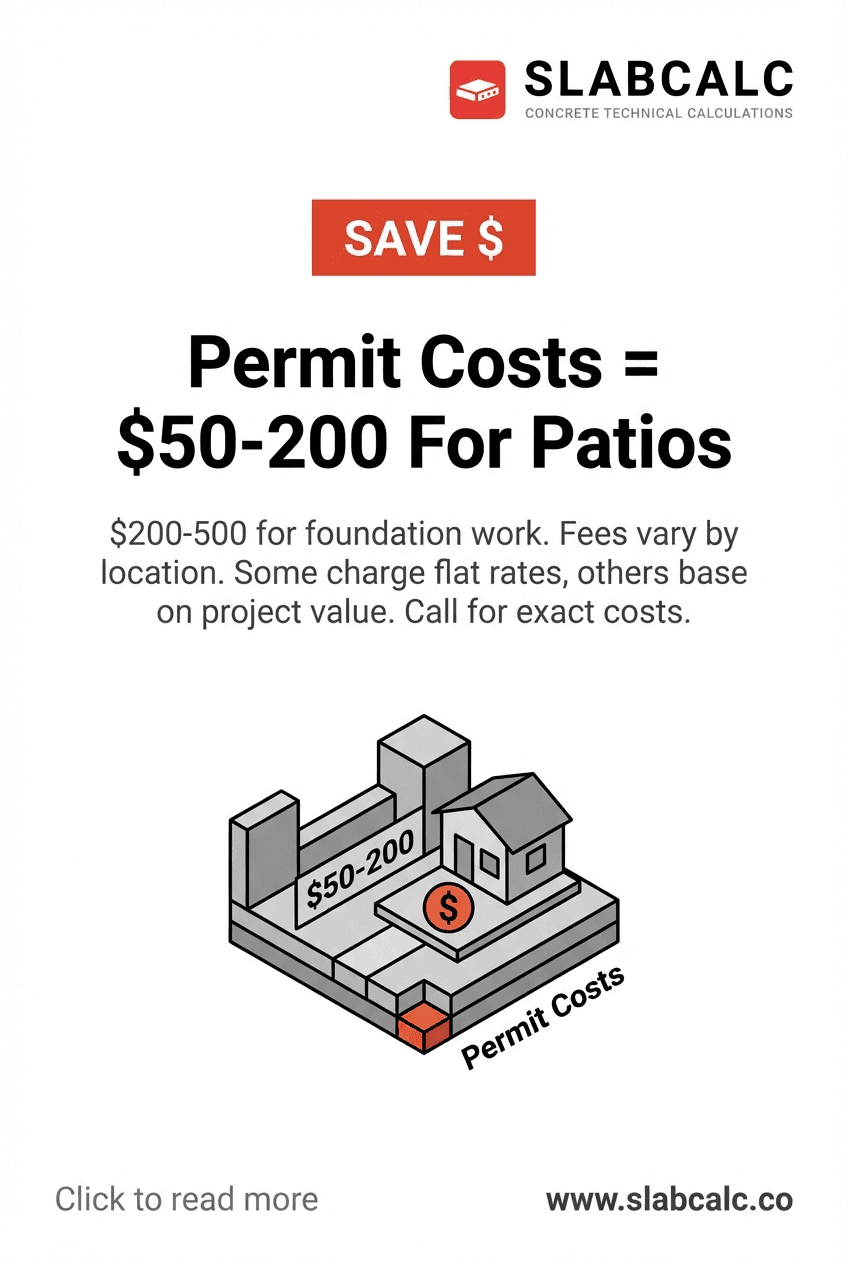
Permit Costs for Concrete Patios: Save $50-500
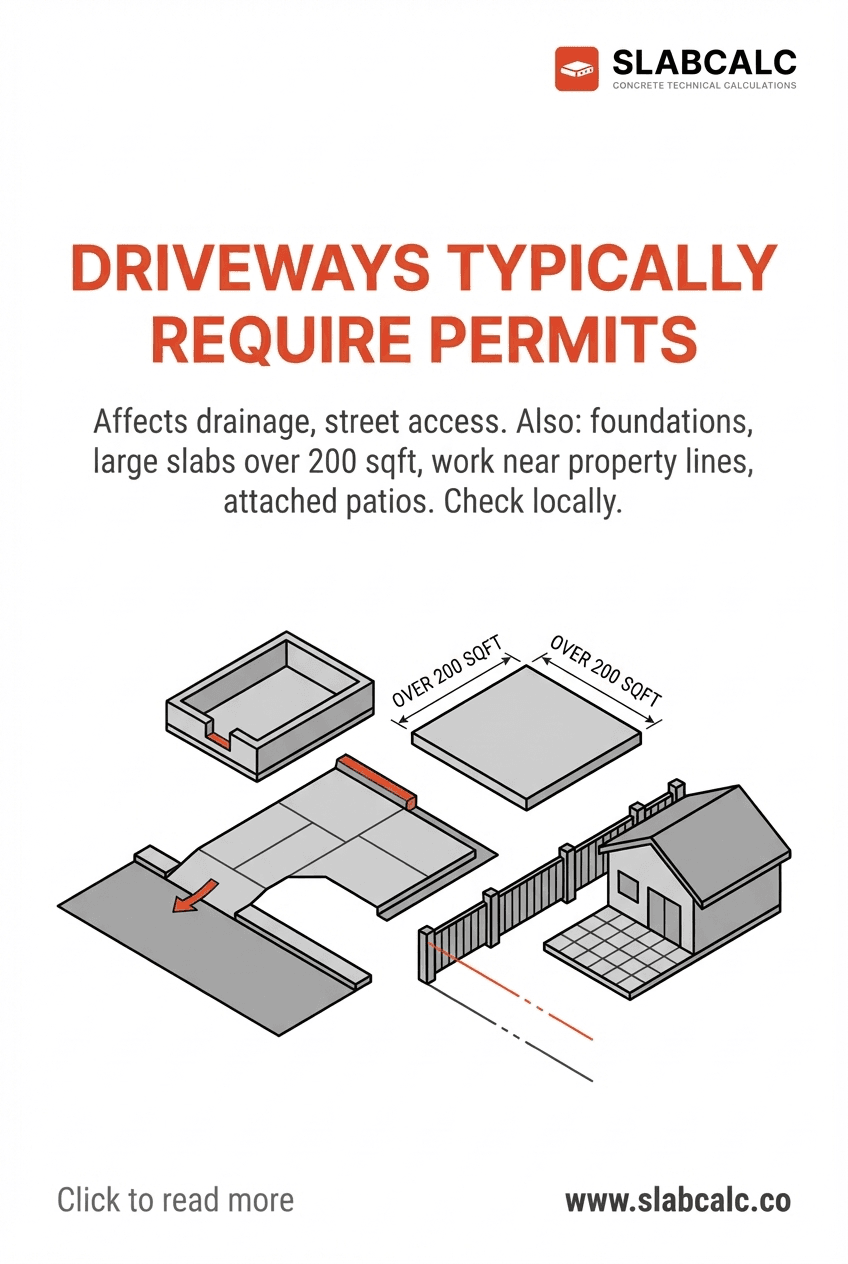
Driveway Permits: When You Need One and Why It Matters
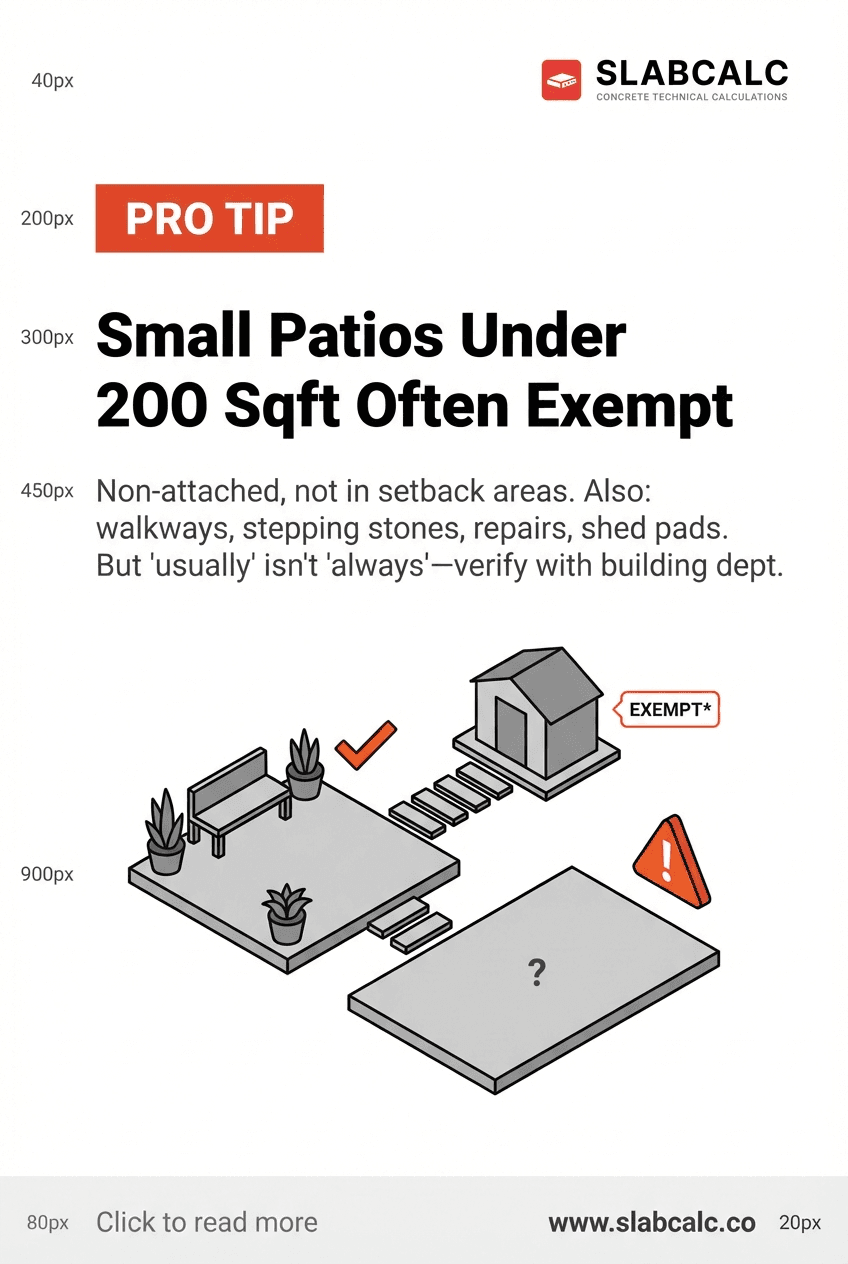
Small Patios Under 200 Sqft Often Exempt From Permits
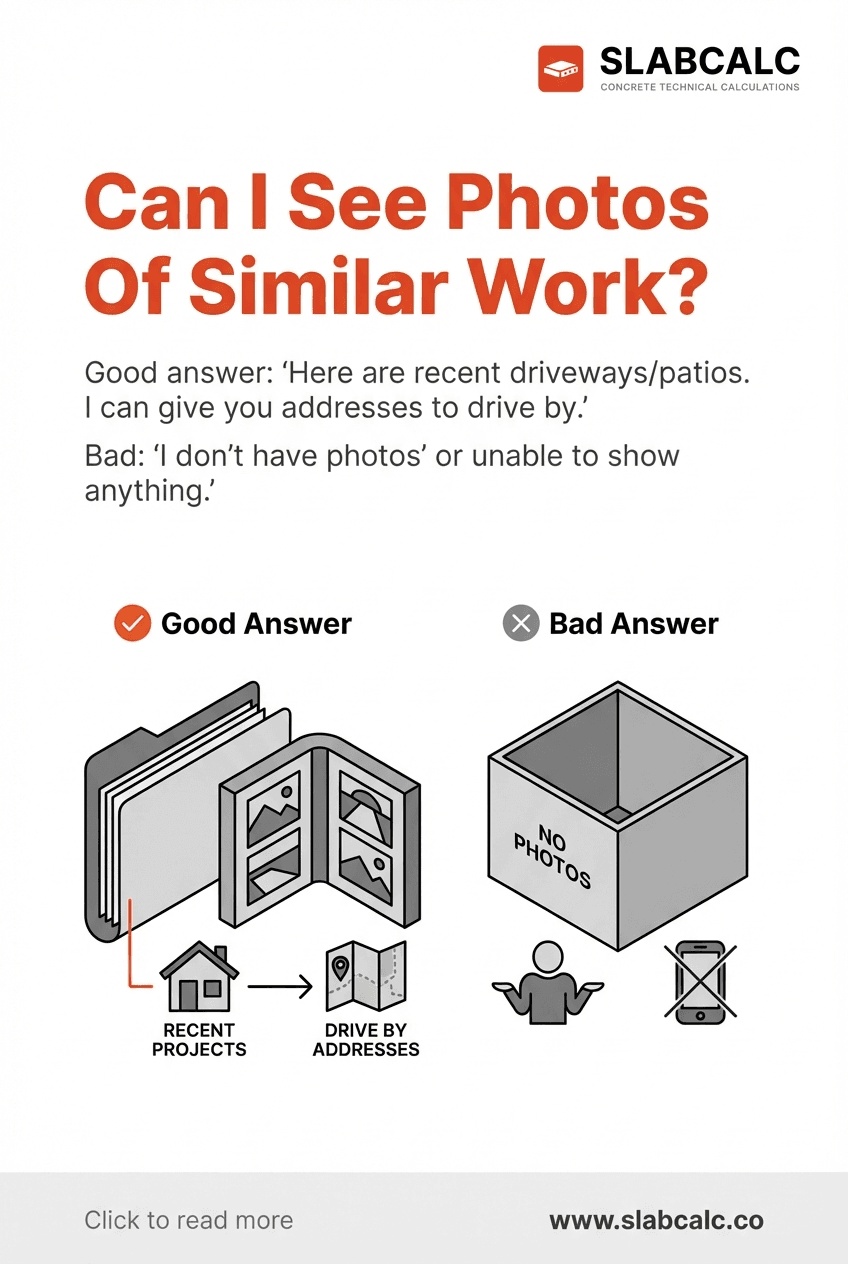
Why Contractor Photos Matter For Your Concrete Project
Decorative Concrete
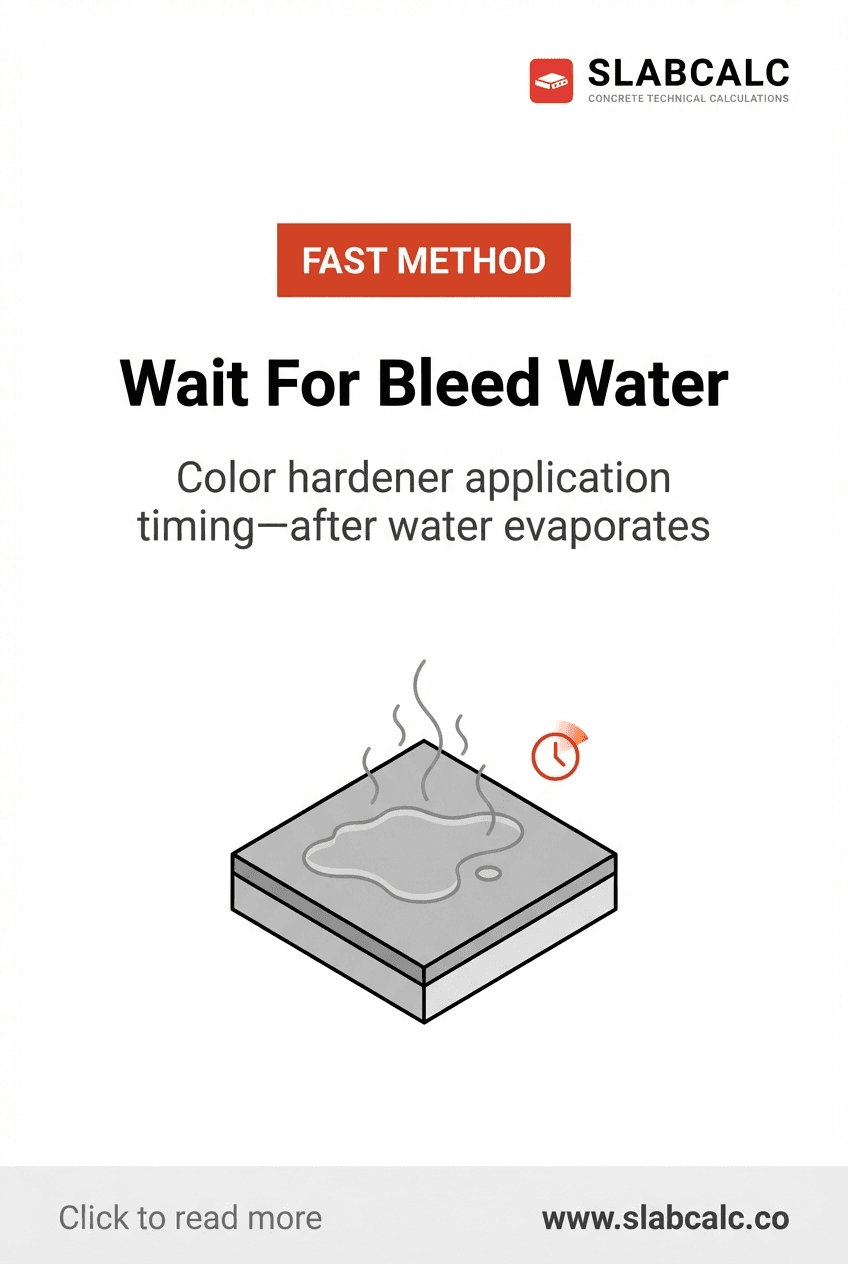
Wait For Bleed Water Before Color Hardener
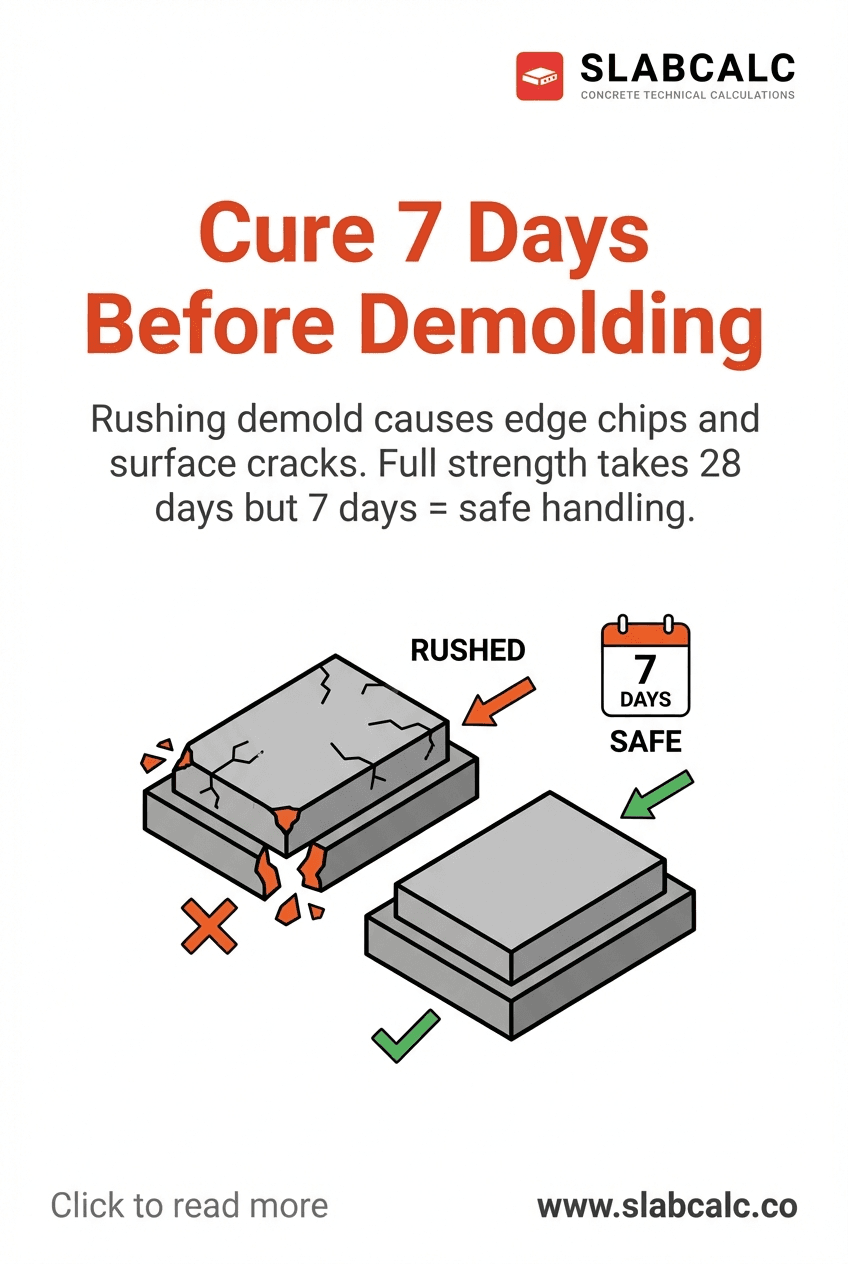
Why Waiting 7 Days Before Demolding Prevents Concrete Damage

Epoxy Application Temperature: Why 50-90°F Matters
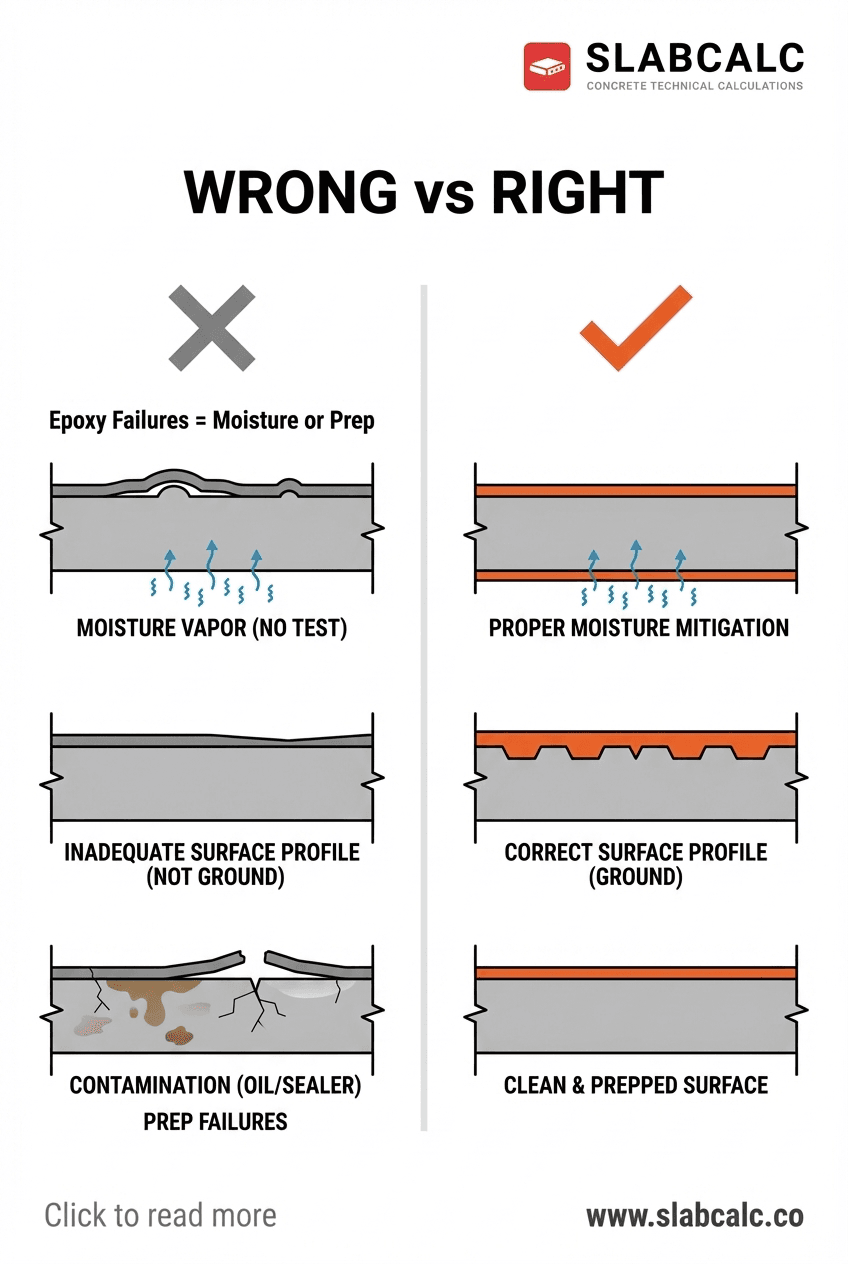
Why Epoxy Fails: Moisture, Prep & Contamination
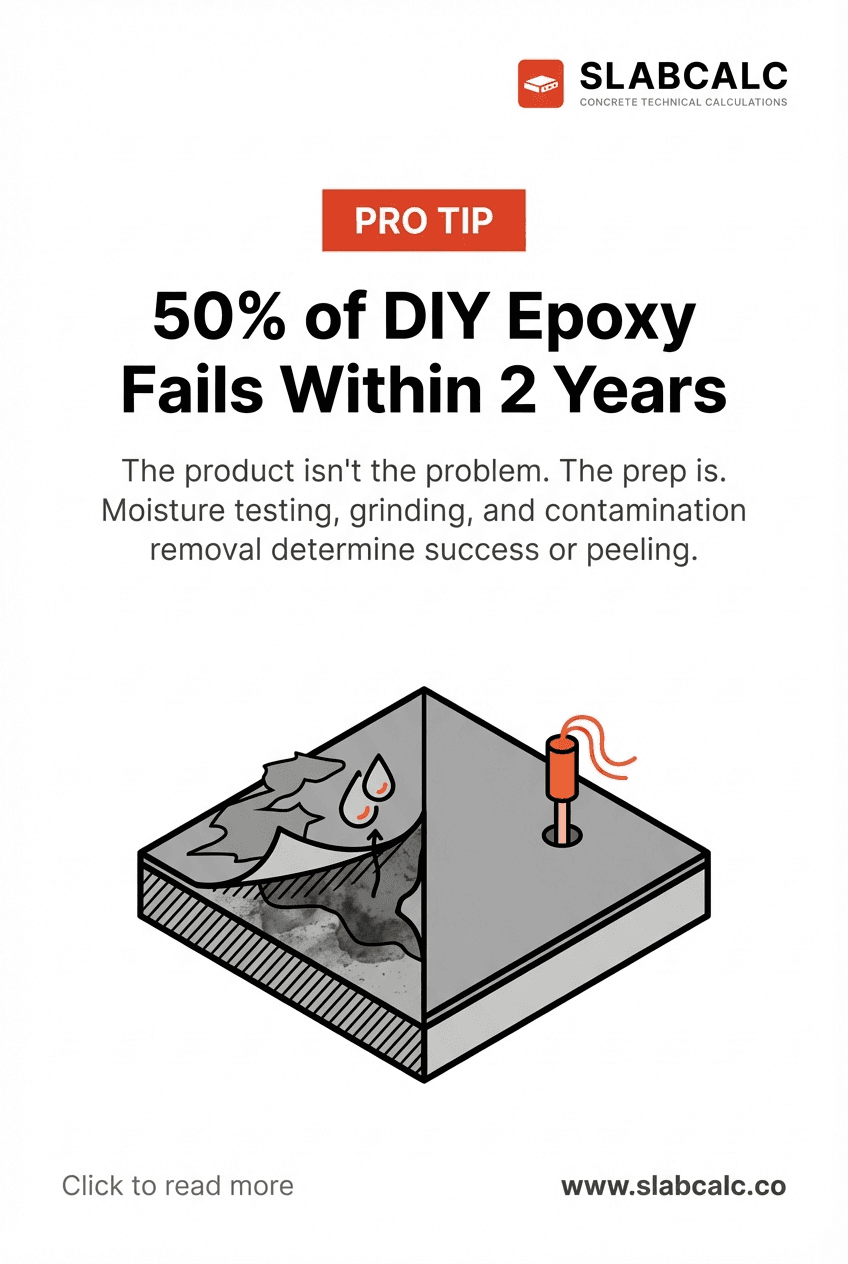
Why DIY Epoxy Fails: The Prep Secret Professionals Know
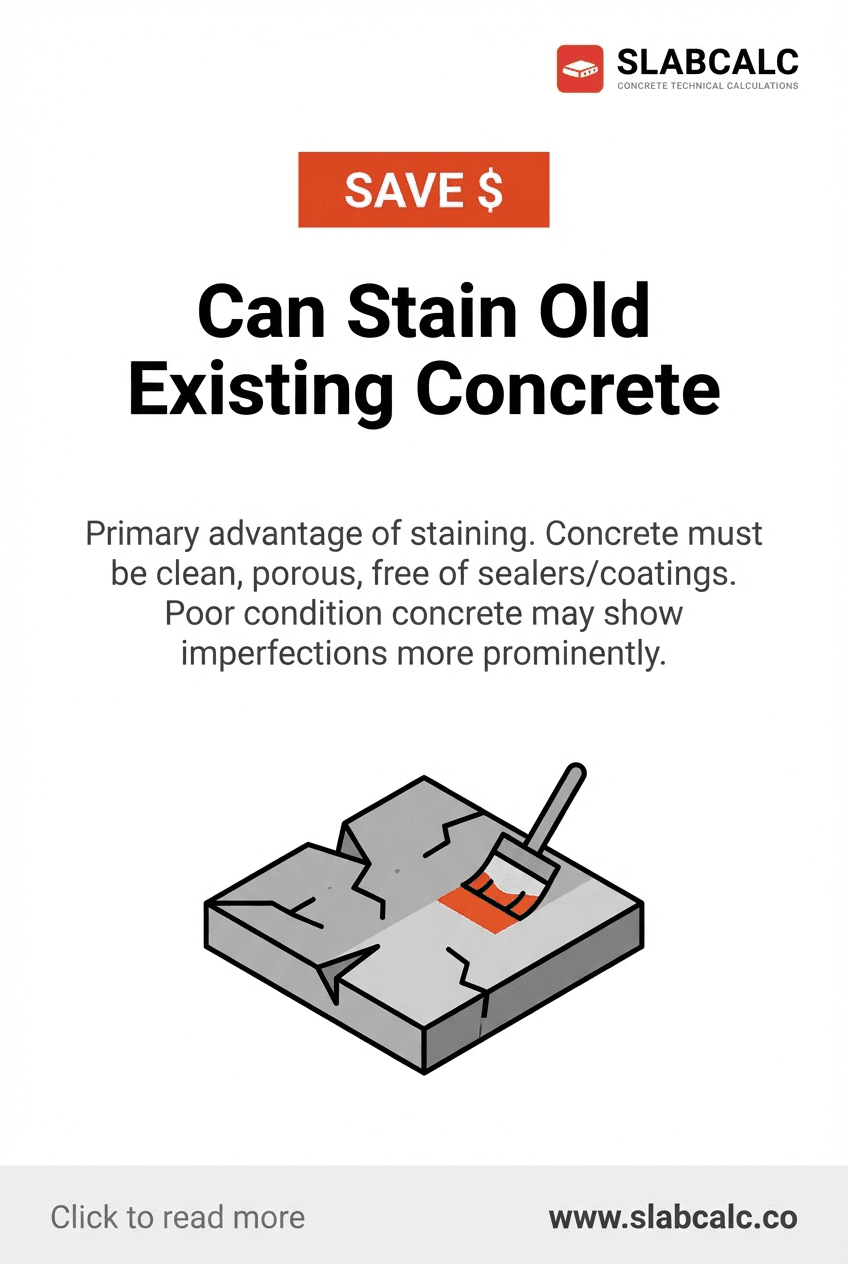
Stain Old Concrete for $200-500: Save vs. New Pour
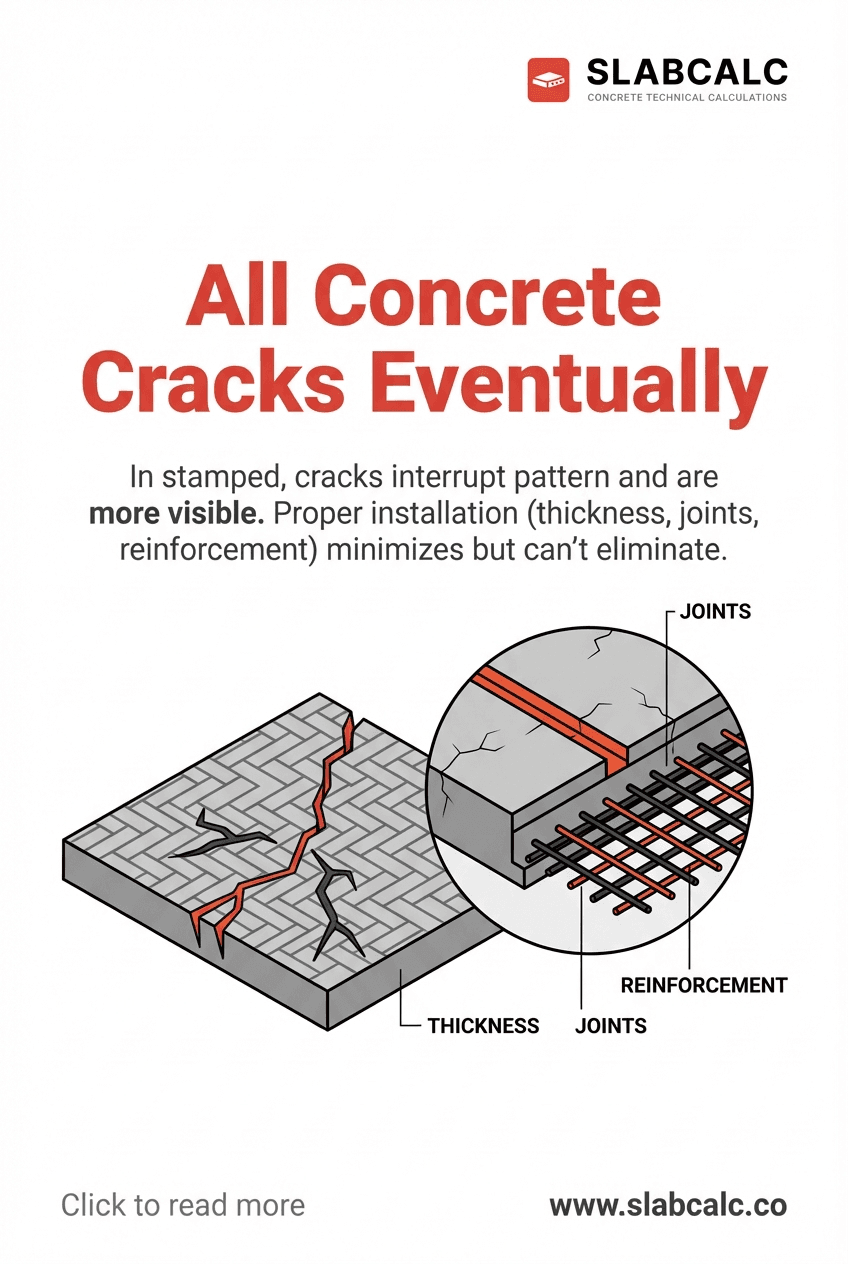
Why Stamped Concrete Cracks and How to Minimize It
DIY Projects

When to Pour Concrete: Spring & Fall Weather Rules
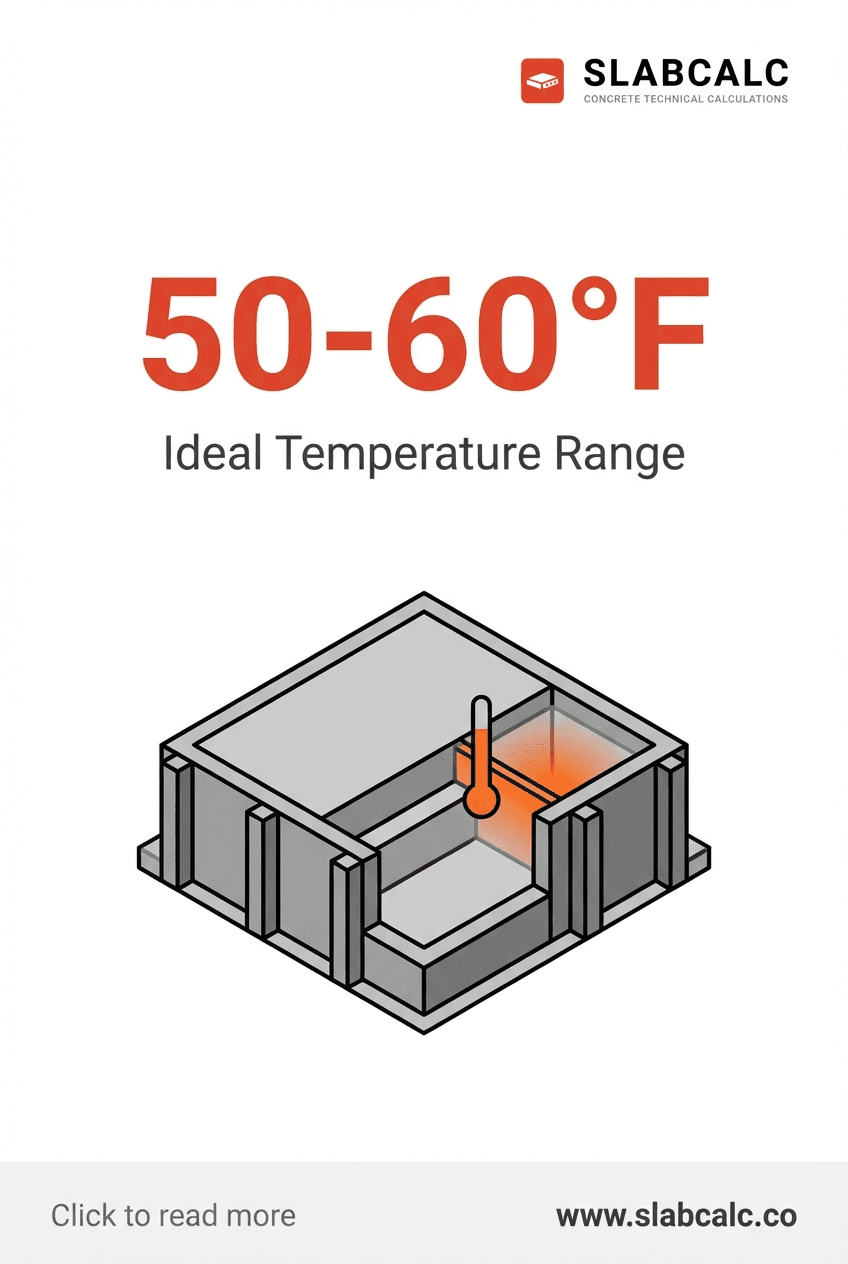
Why 50-60°F is the Sweet Spot for Concrete Pouring
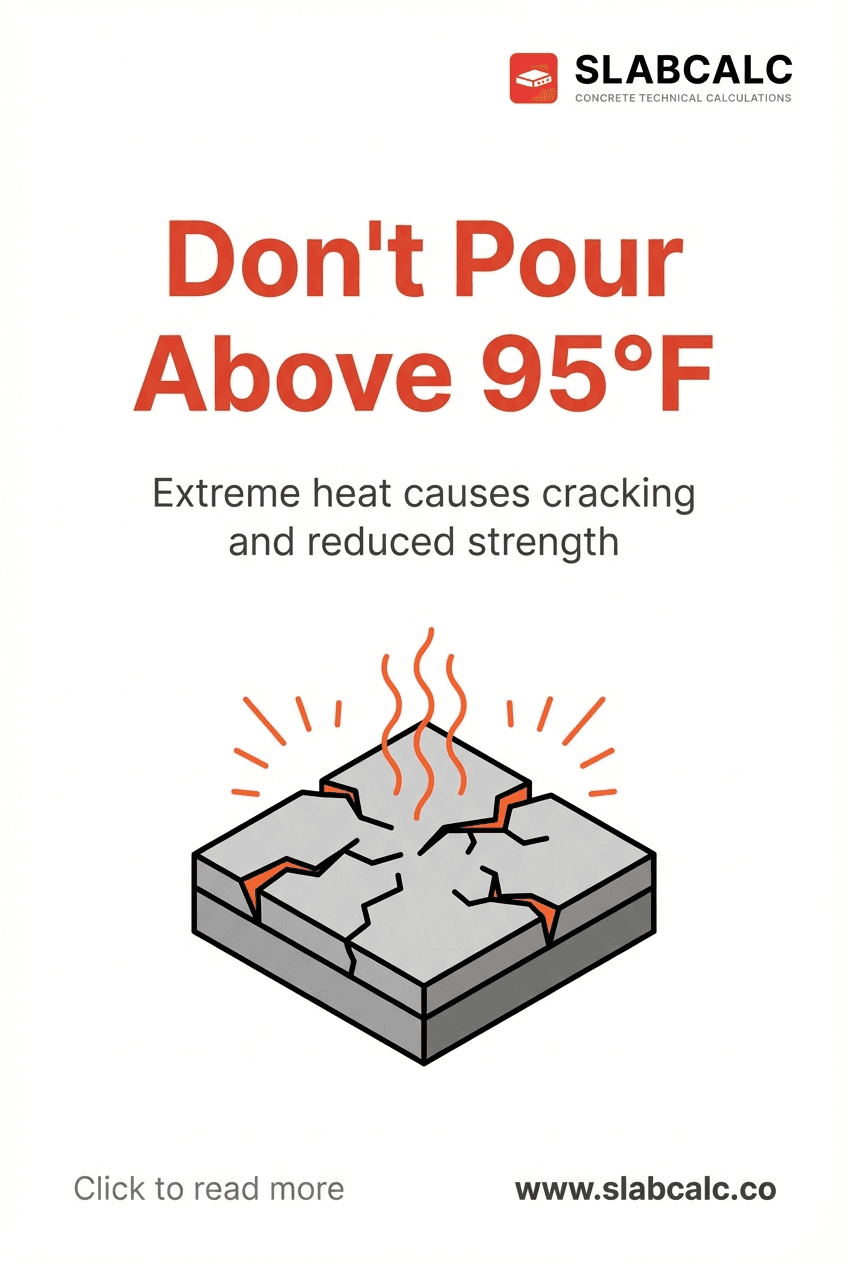
Why Pouring Concrete Above 95°F Causes Cracking and Weakness
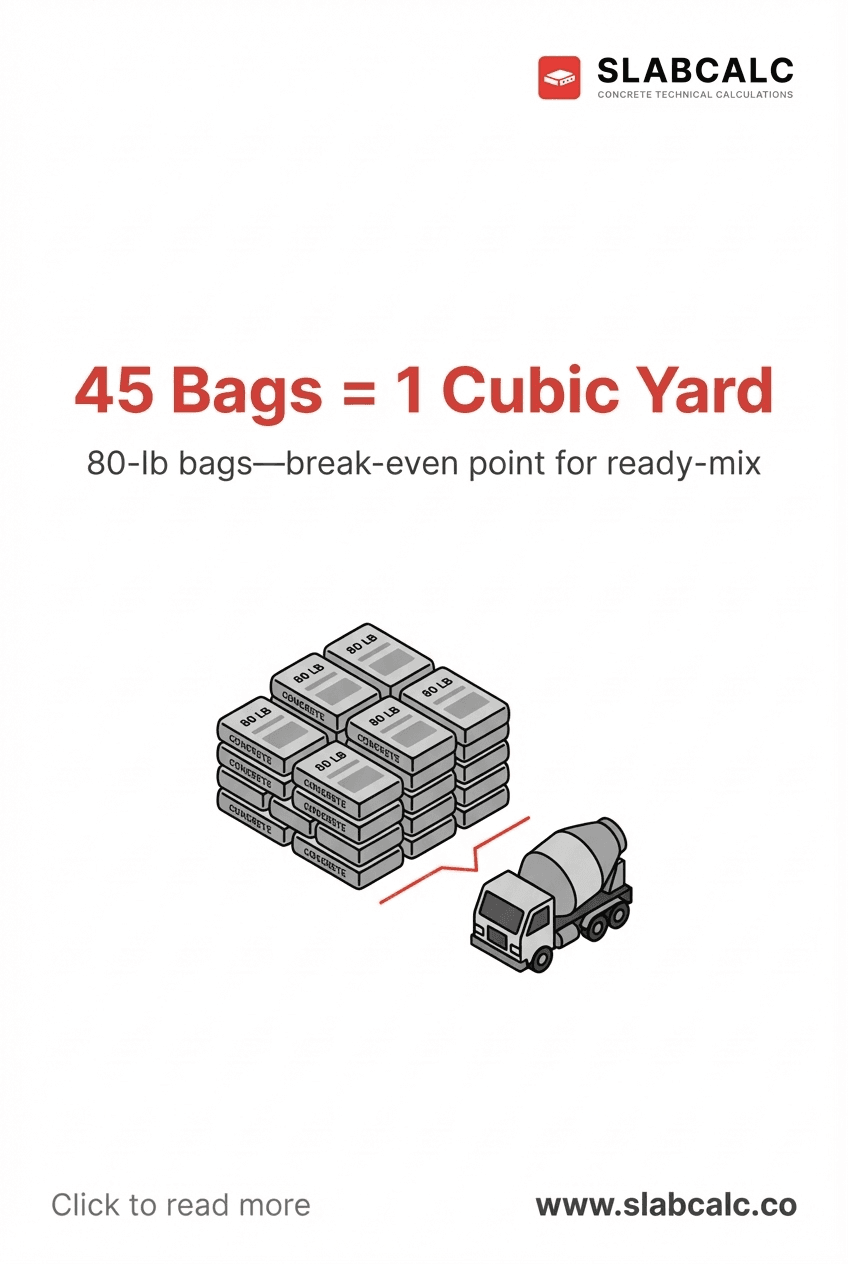
80-Pound Bags vs Ready-Mix: The 45-Bag Break-Even Point
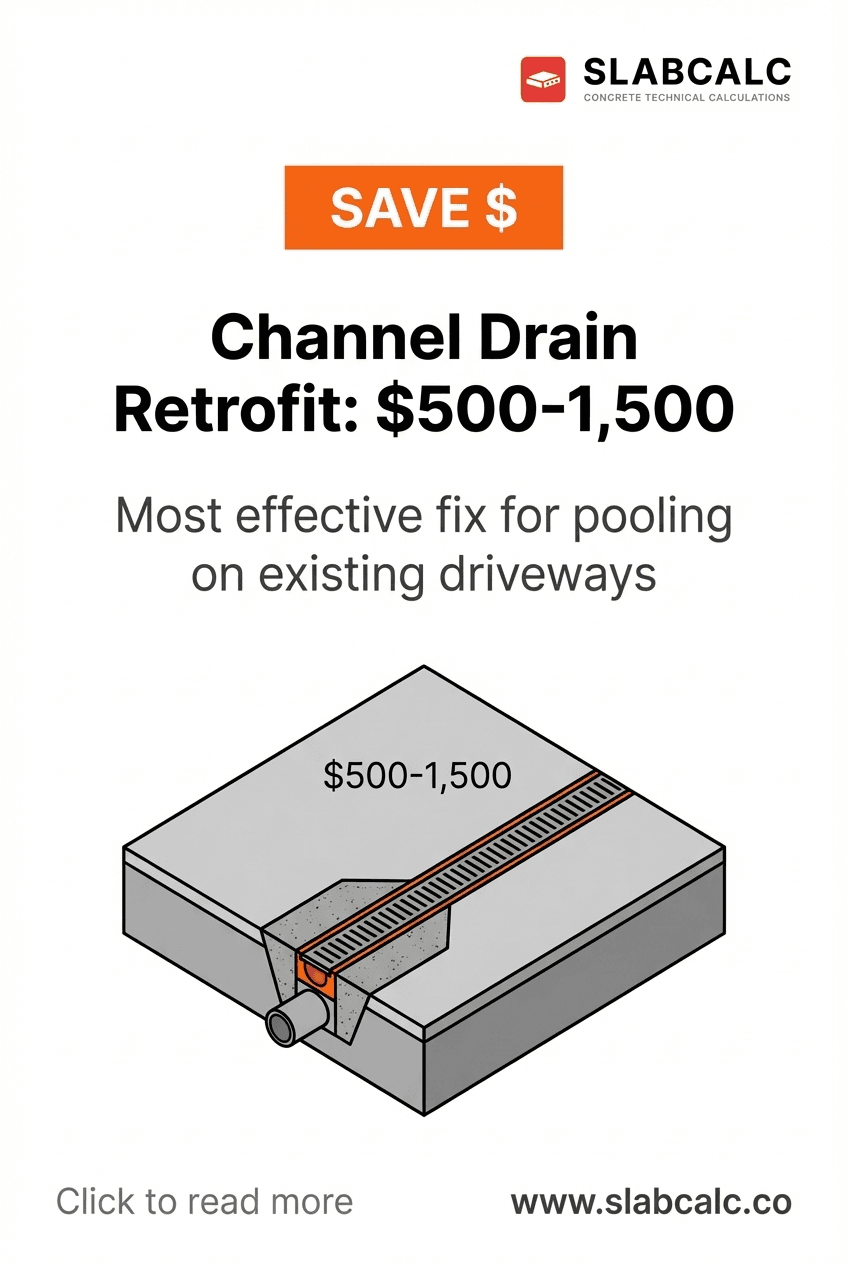
Fix Pooling Driveways with Channel Drains: Save $500–$1,500
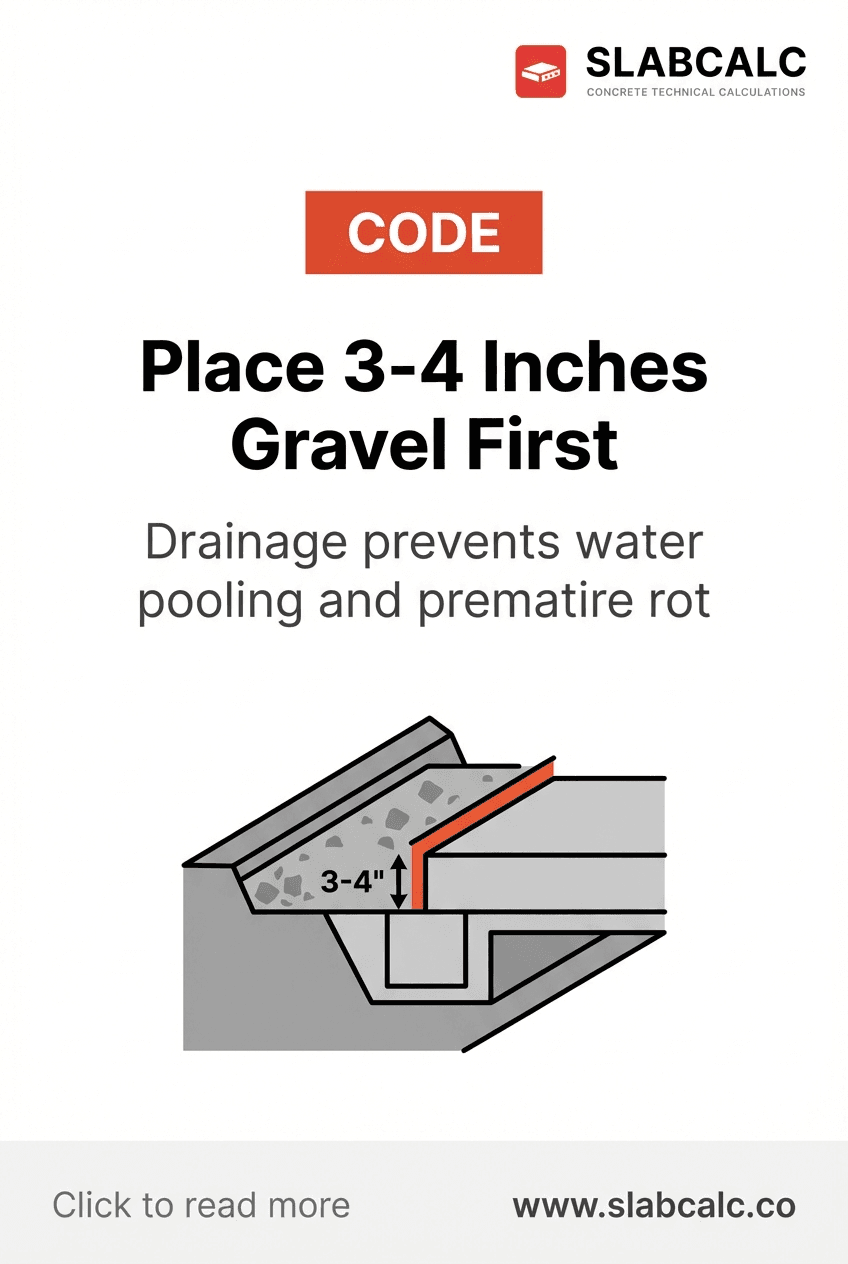
Why Gravel Base Layer Prevents Fence Post Failure
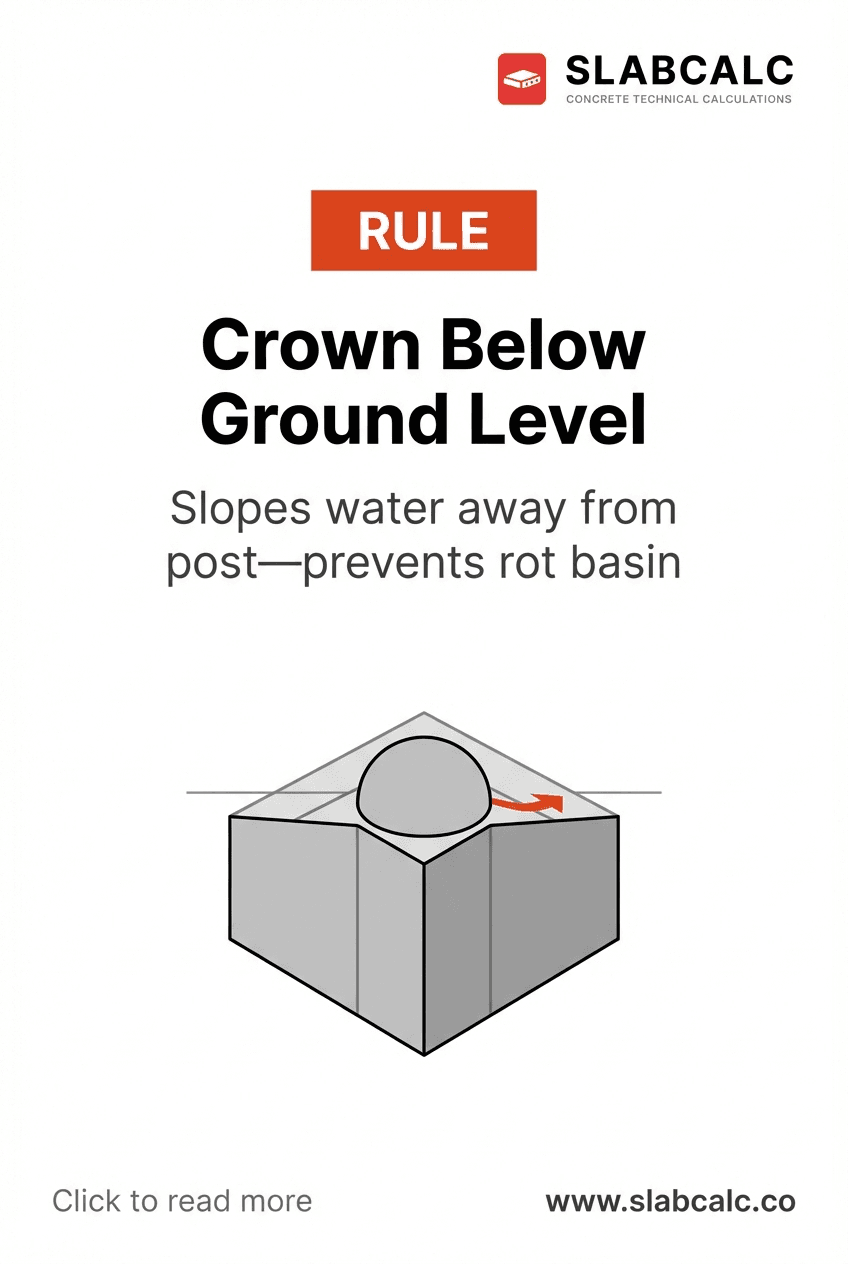
Why Crown Your Fence Post Below Ground Level
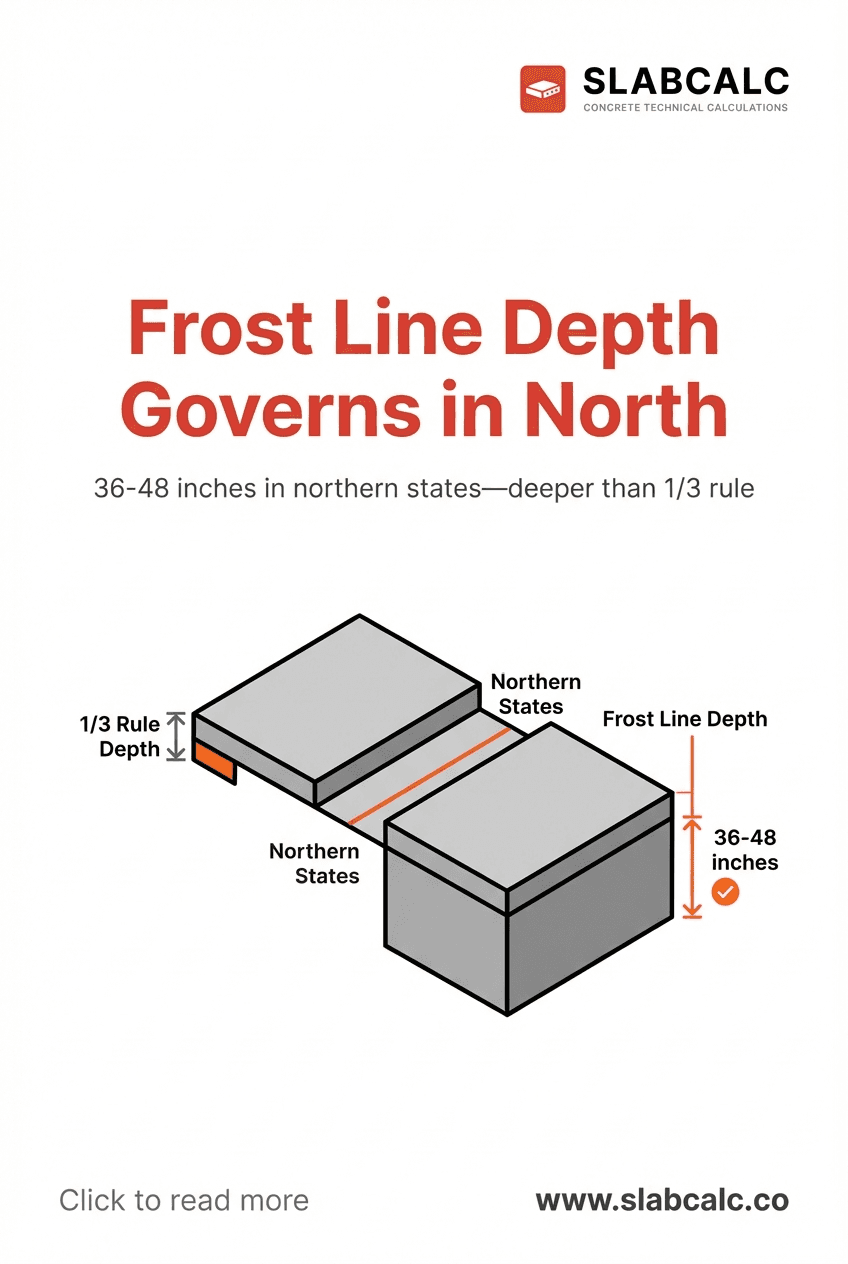
Frost Line Depth Governs in North: Don't Bury Posts Too Shallow
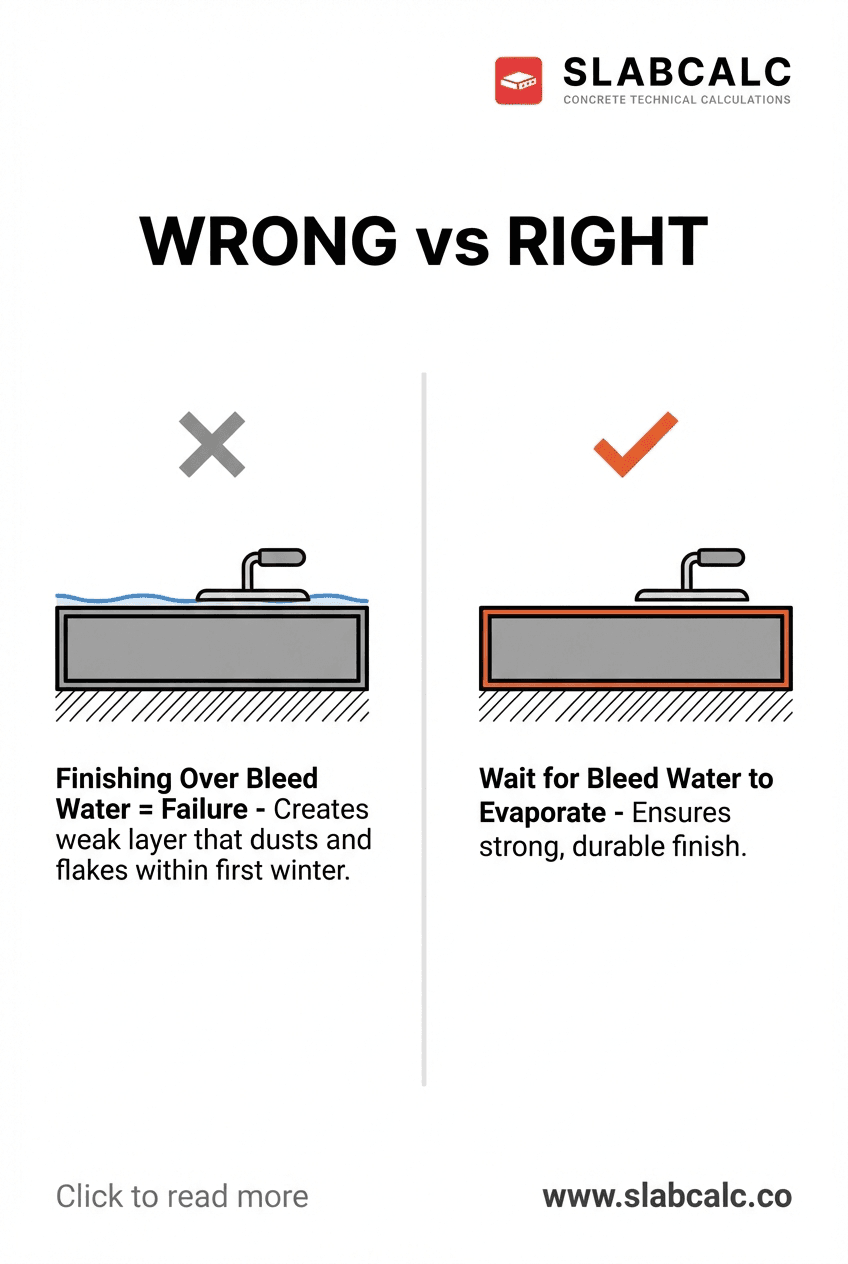
Skip Bleed Water Finishing: Save $2,000+ on Repairs
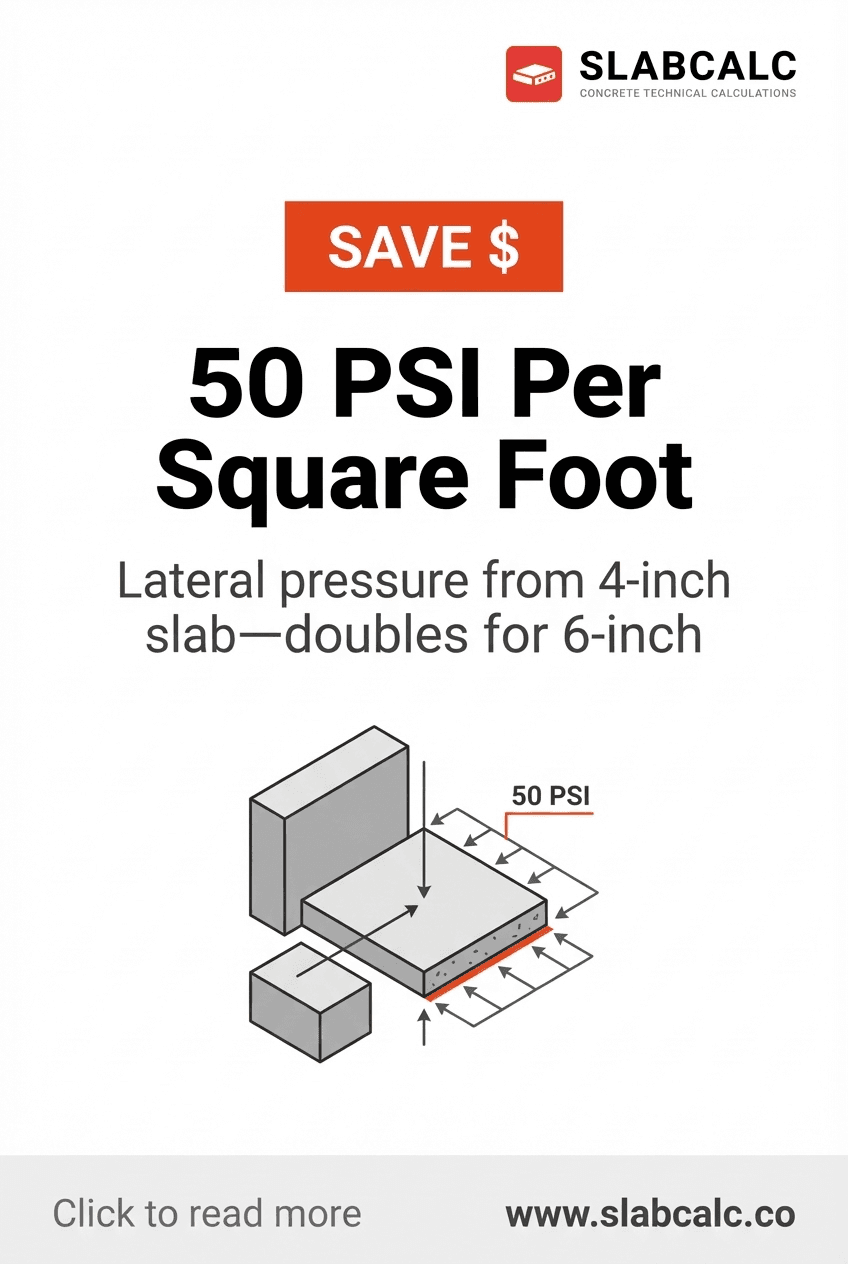
Save $300+ with Smart Form Bracing for Concrete Slabs
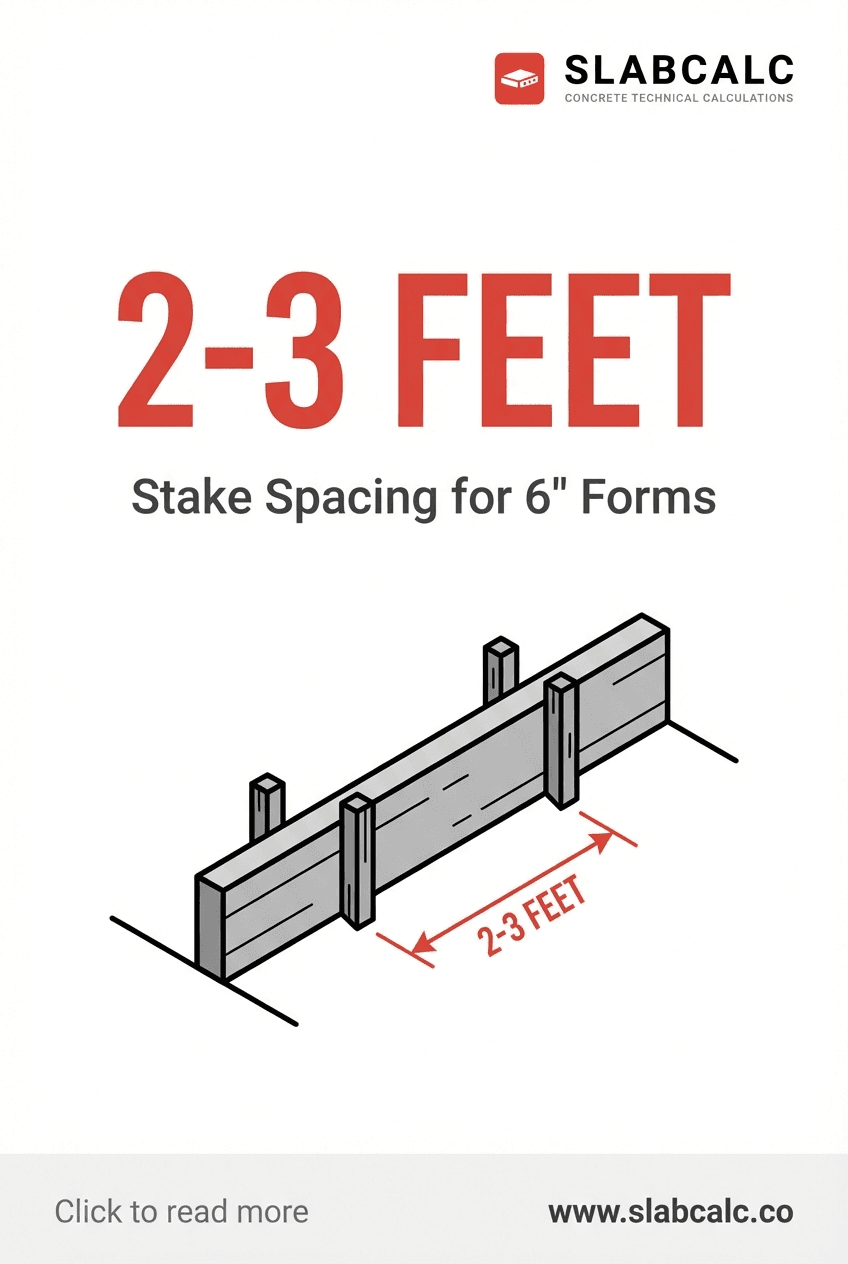
Stake Spacing for 6-Inch Concrete Forms: The 2-3 Foot Rule
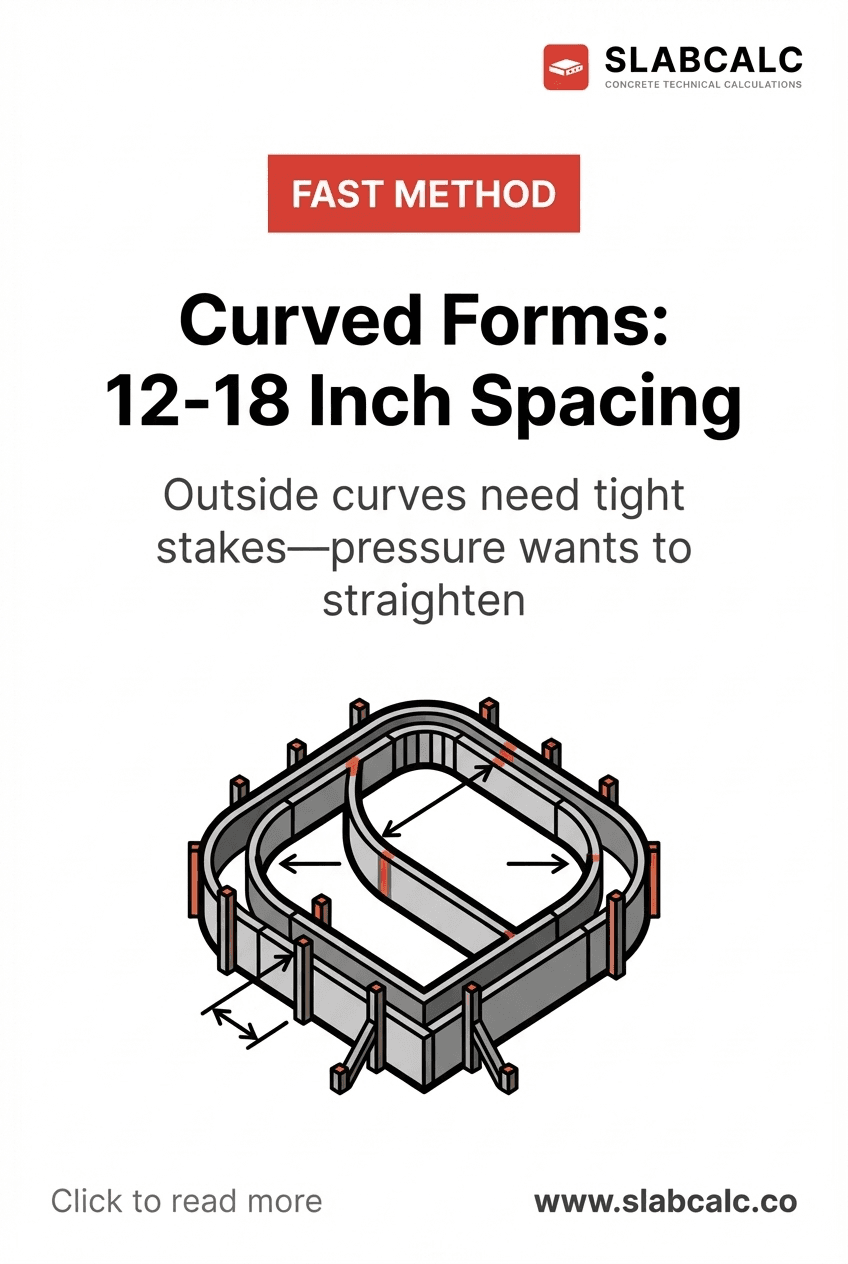
Curved Forms: Master 12-18 Inch Spacing for Tight Curves
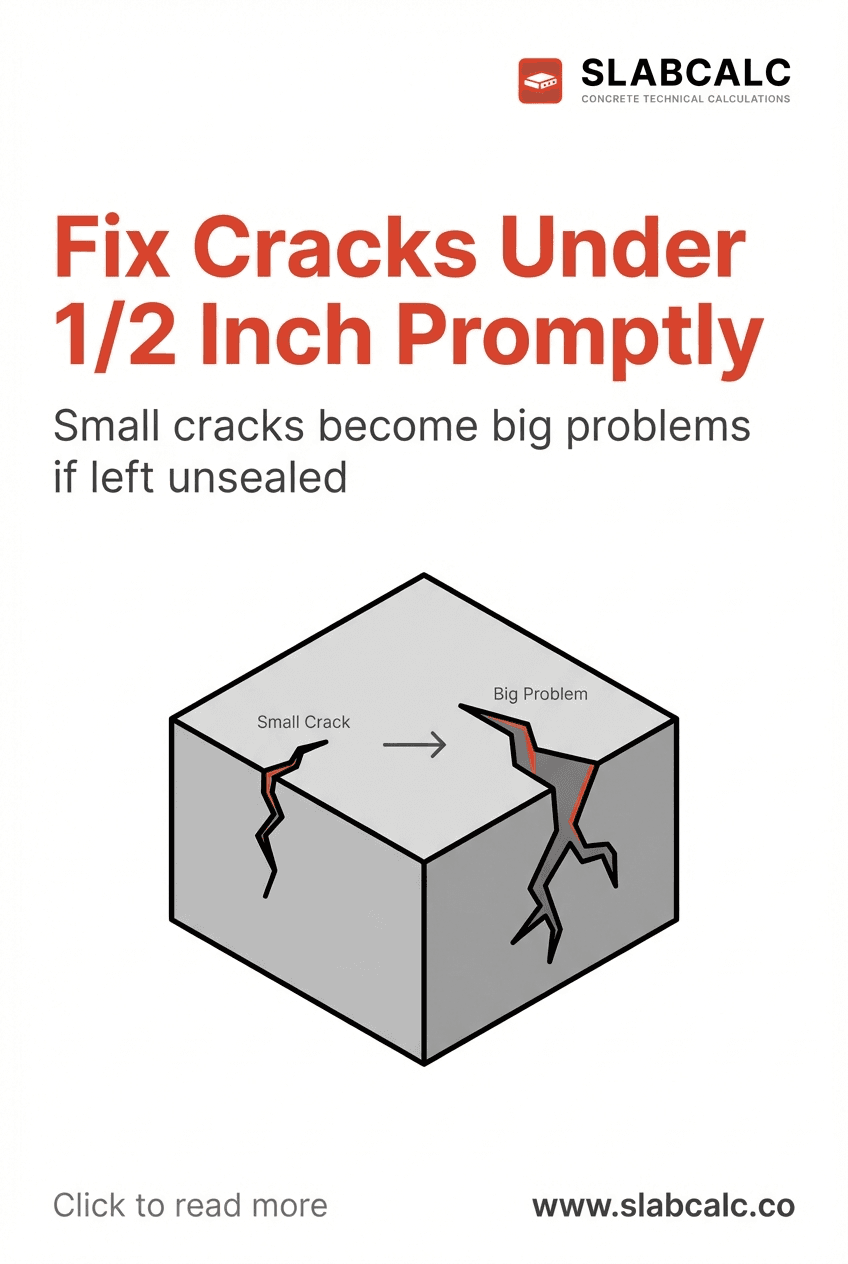
Seal Small Concrete Cracks Before They Spread
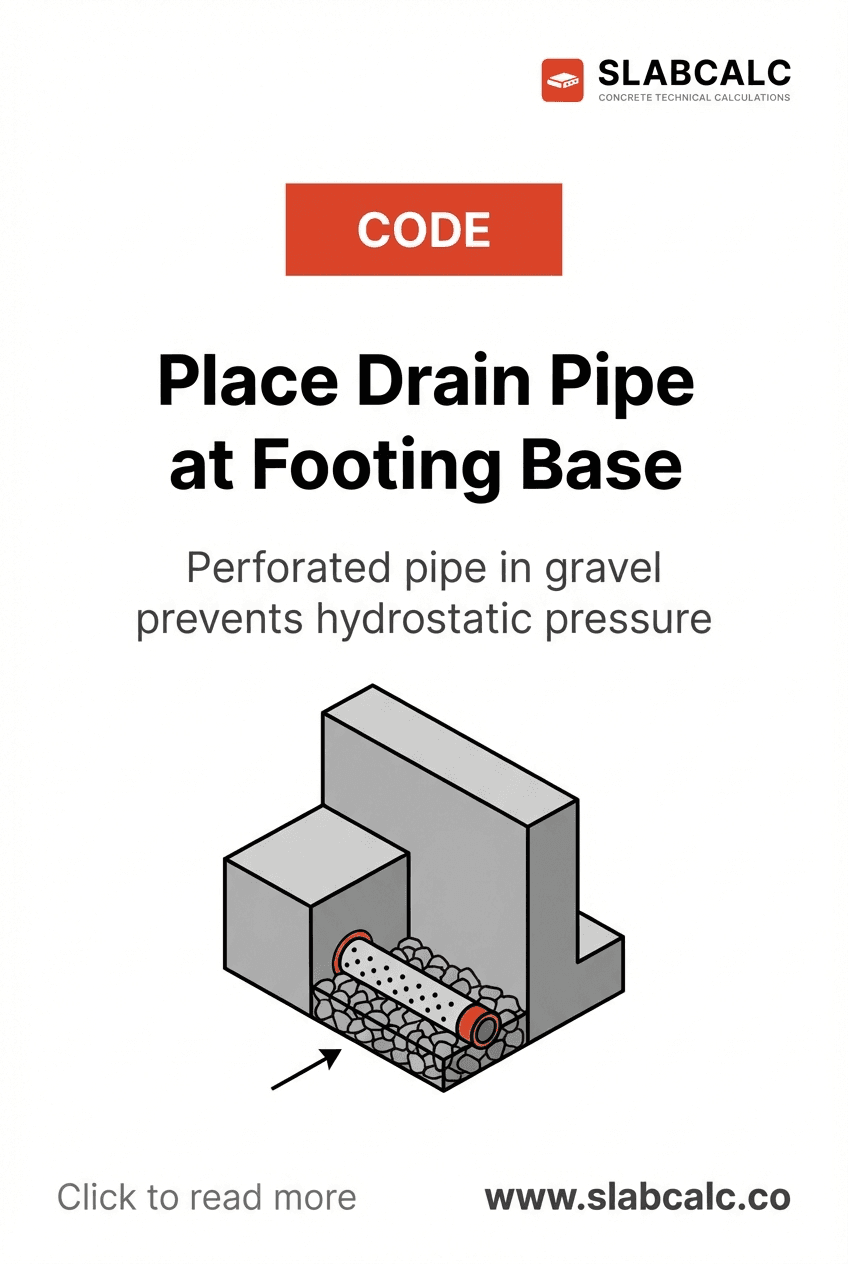
Drain Pipe at Footing Base: Code-Required Moisture Control
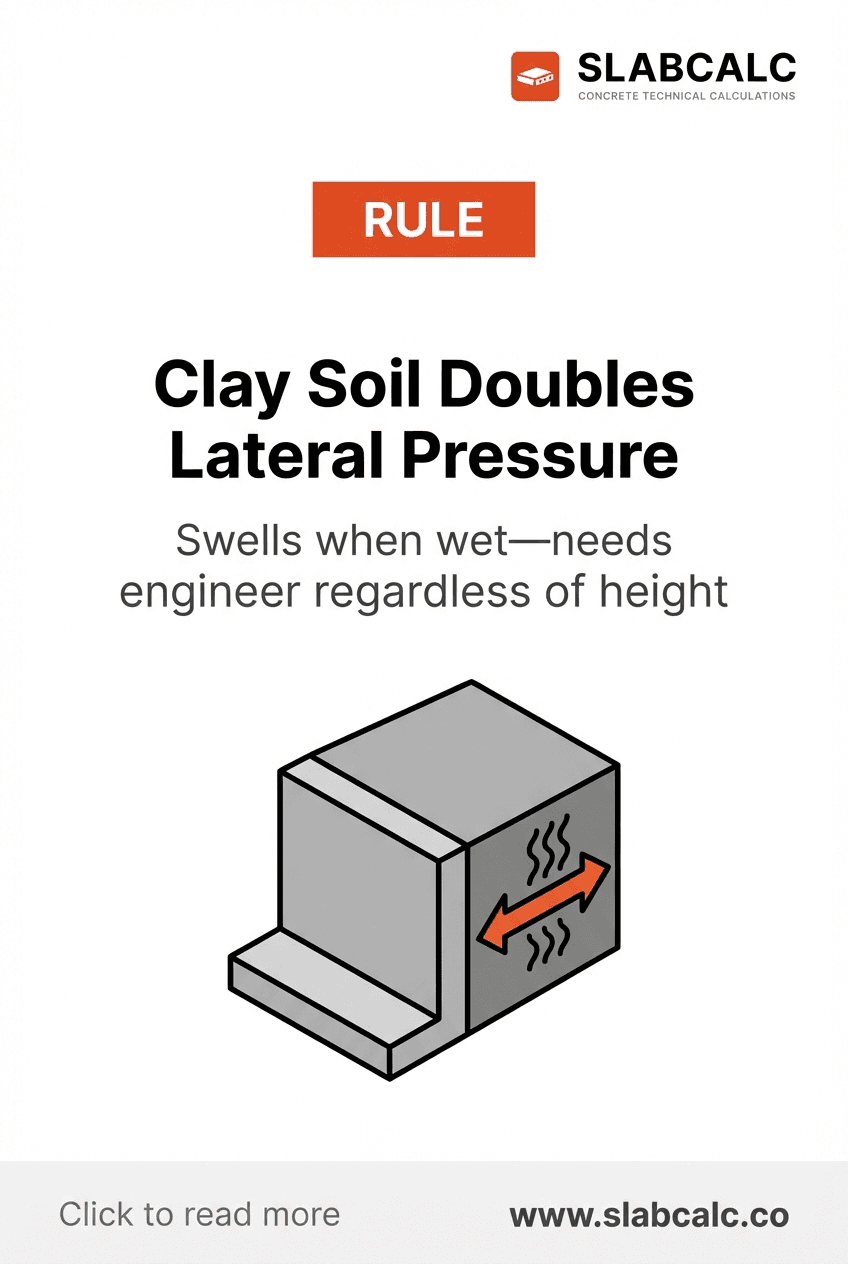
Clay Soil Doubles Lateral Pressure: When You Need an Engineer
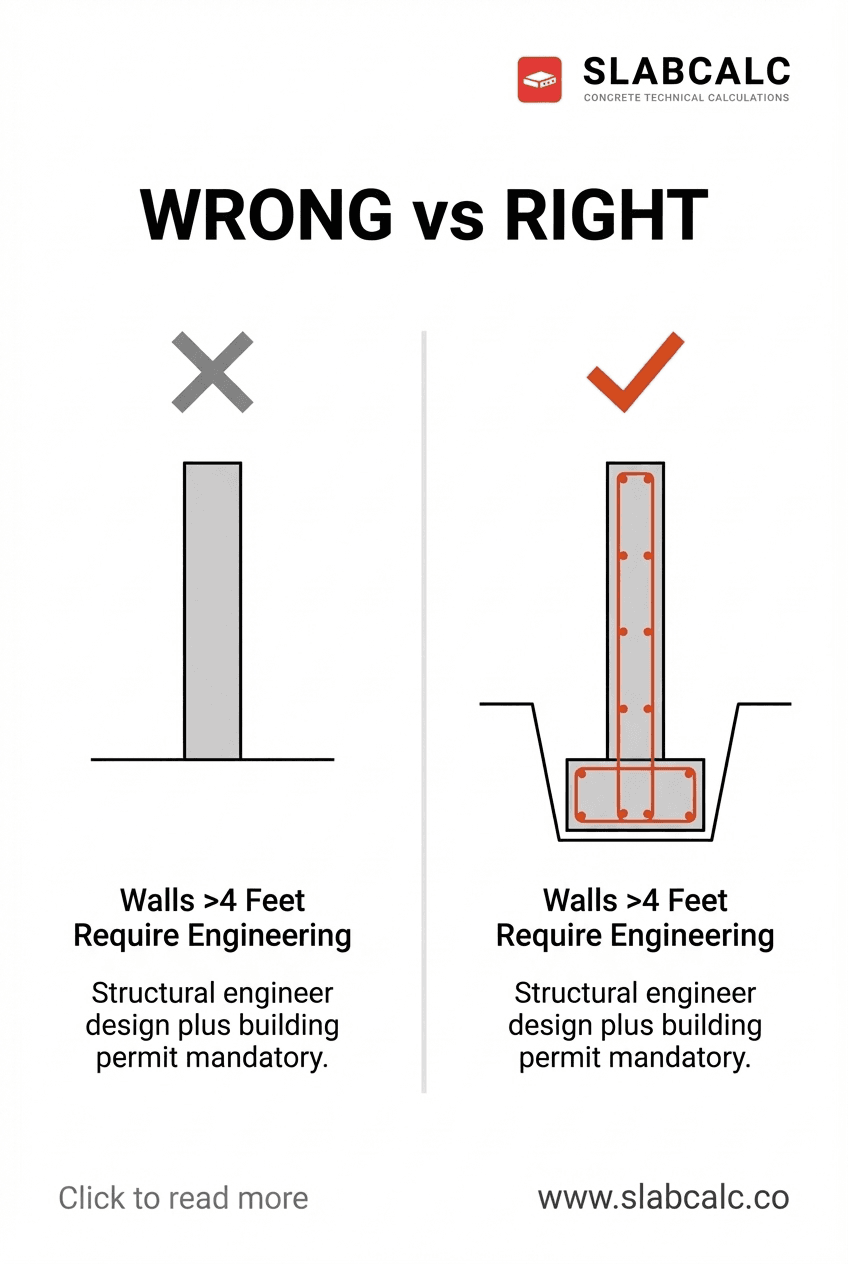
Why Retaining Walls Over 4 Feet Fail (And How to Prevent It)
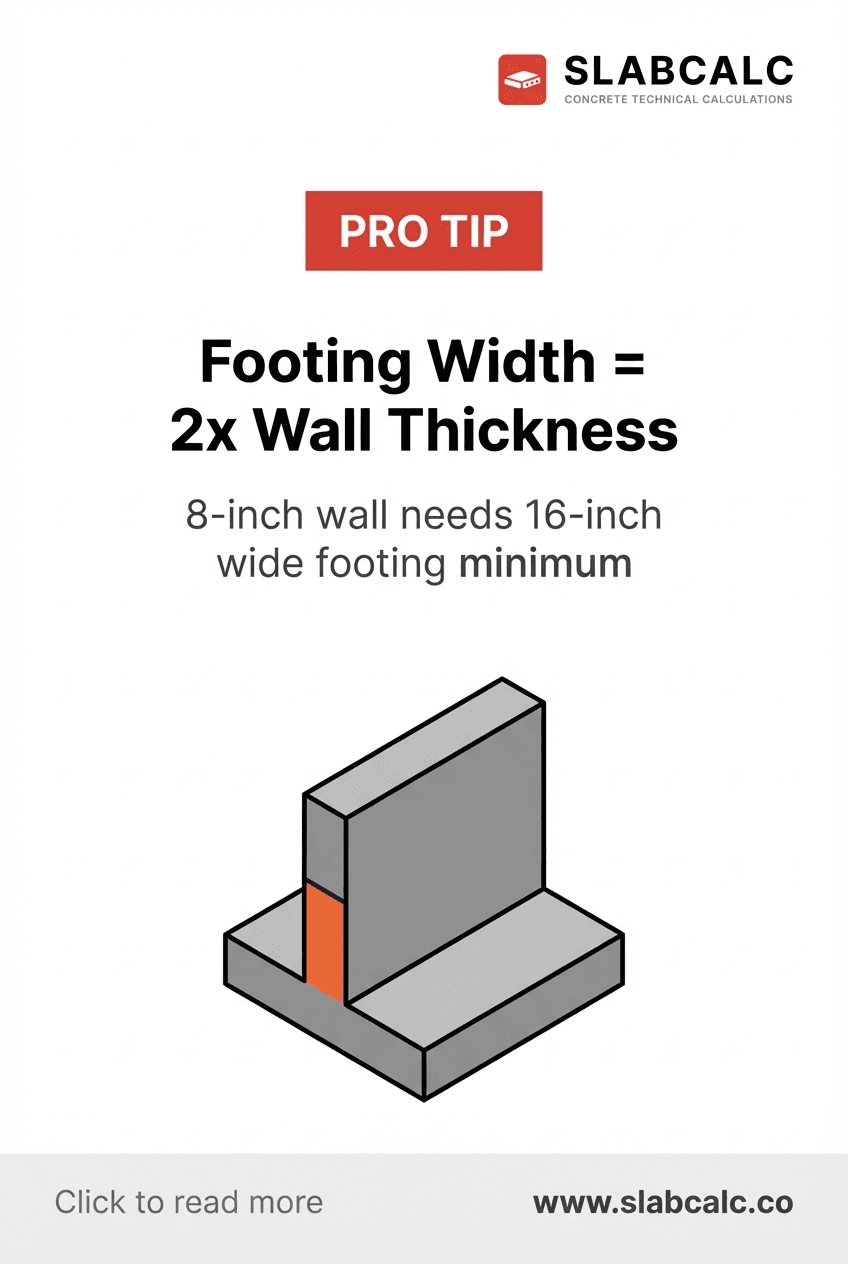
Retaining Wall Footing Width Rule: 2x Wall Thickness
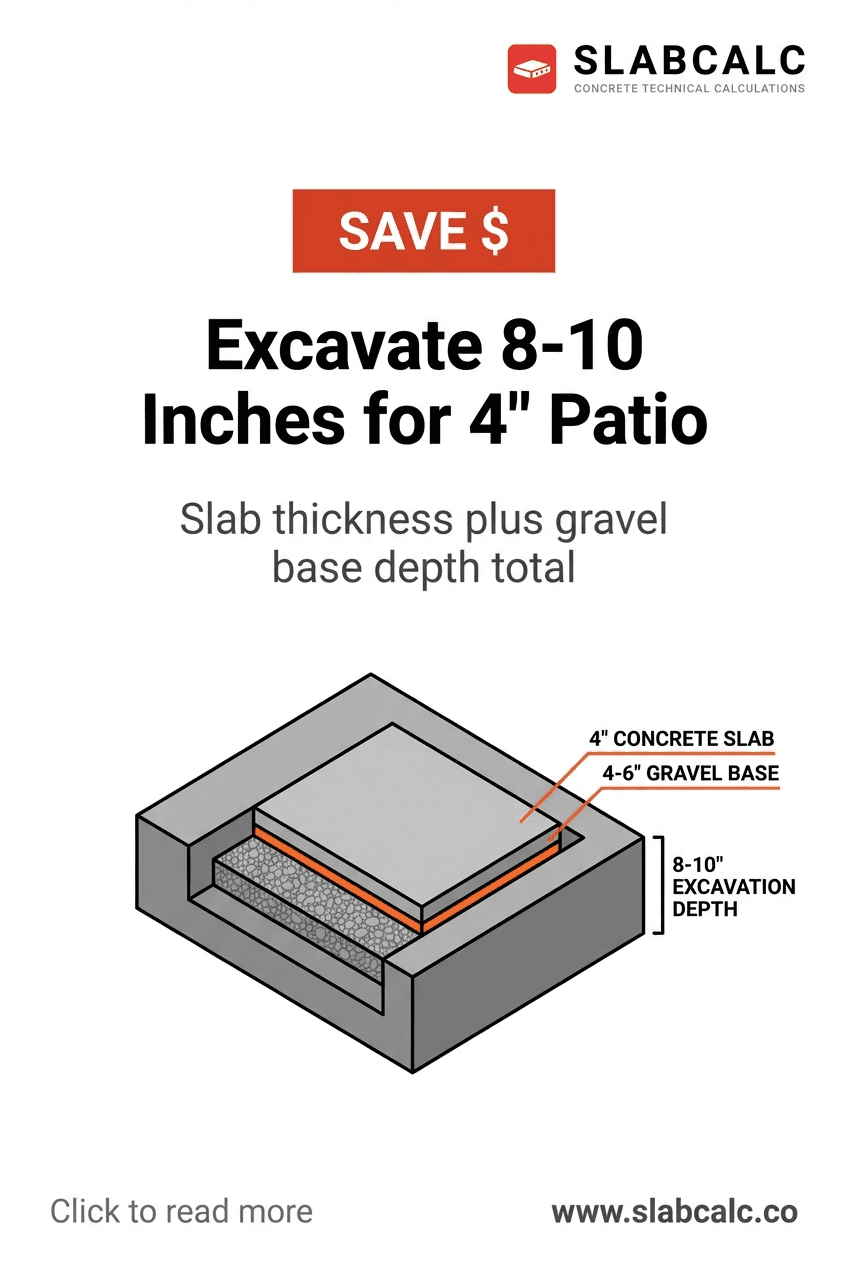
Save $200+ by Digging the Right Depth for Your Patio
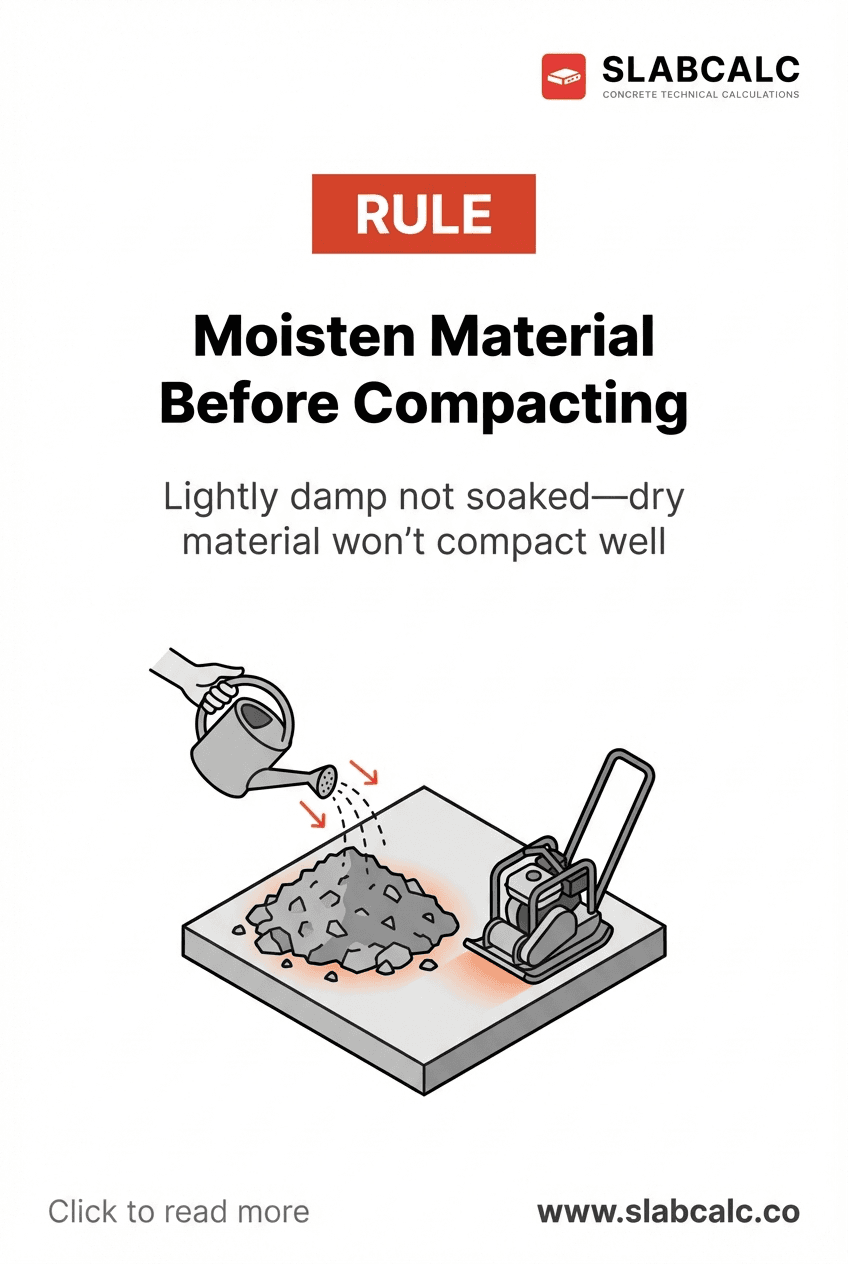
Why Moistening Base Material Before Compacting Matters
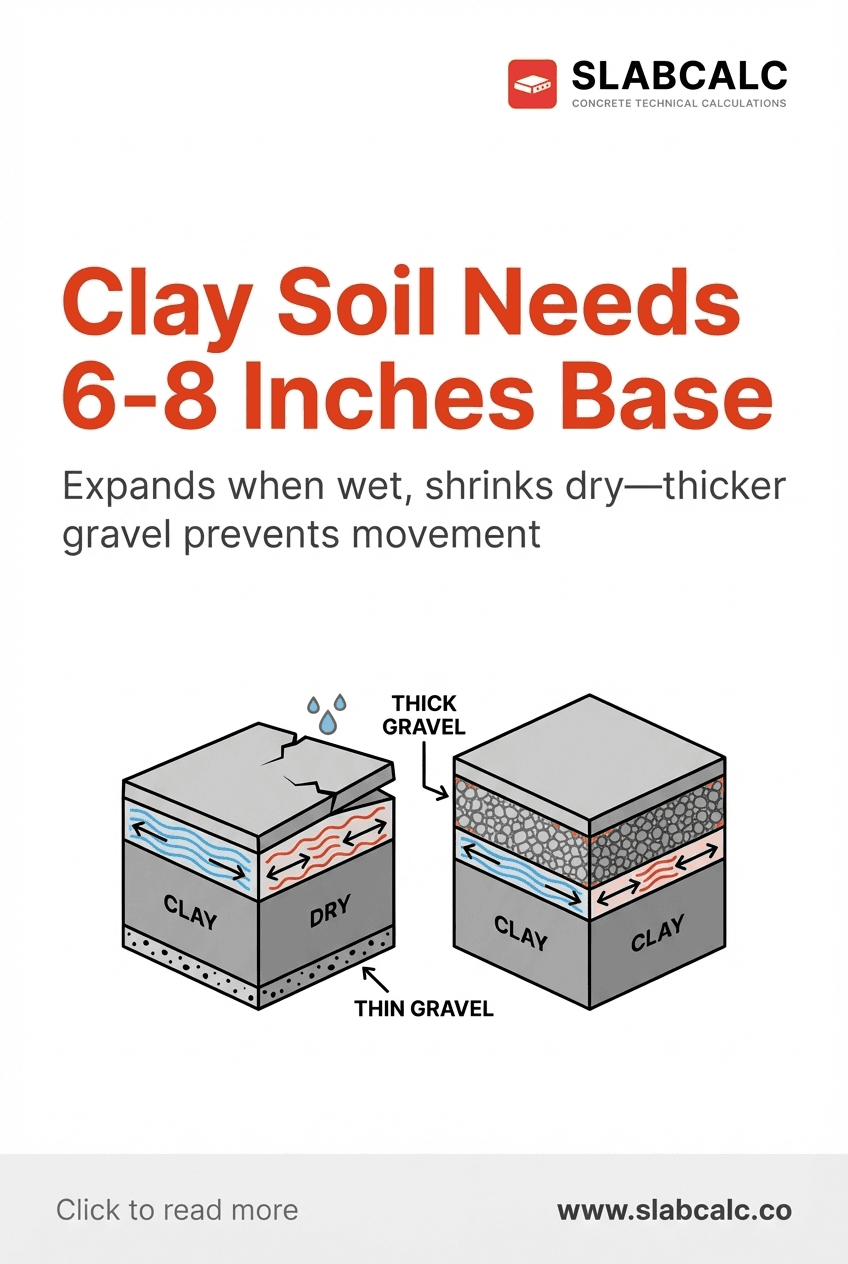
Clay Soil Base Prep: Why 6-8 Inches of Gravel Matters
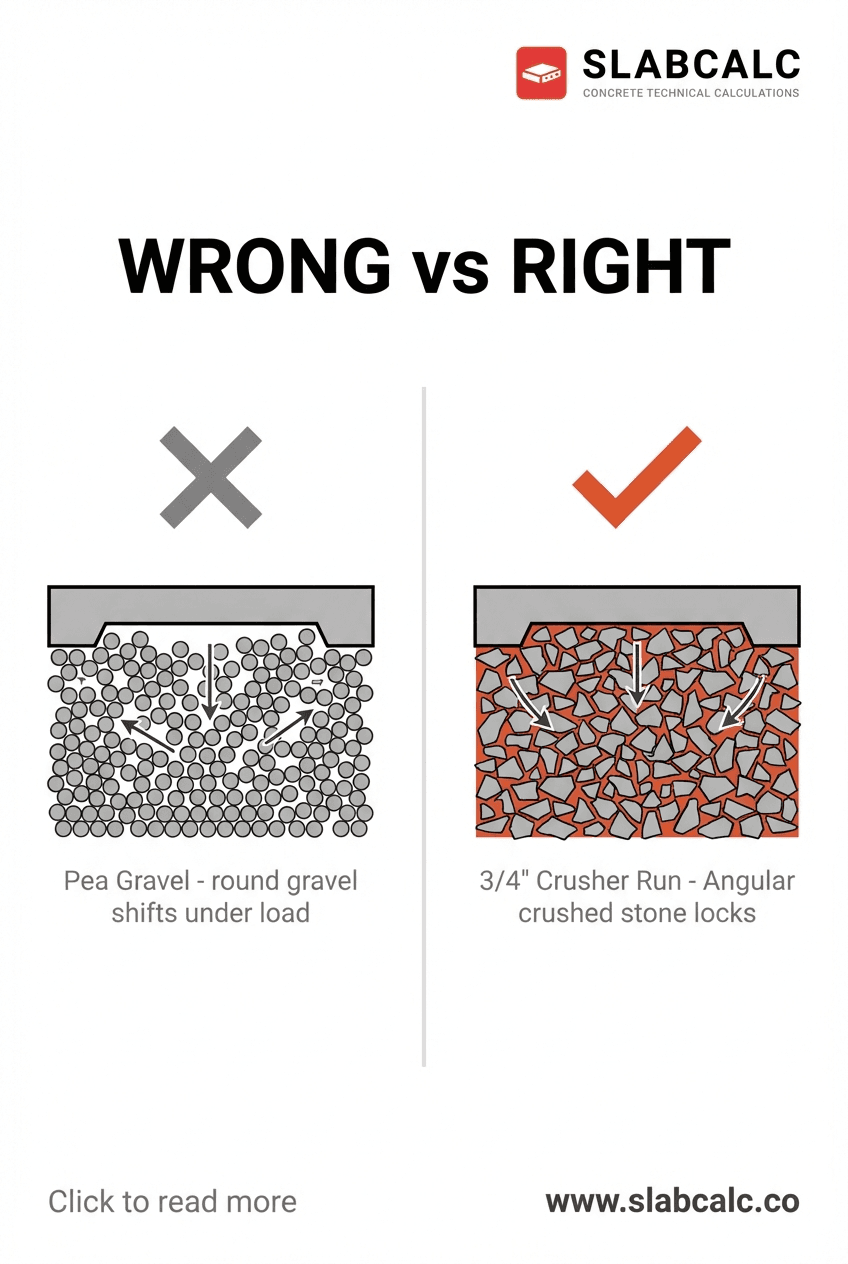
Why Pea Gravel Fails Under Concrete (Use Crusher Run Instead)
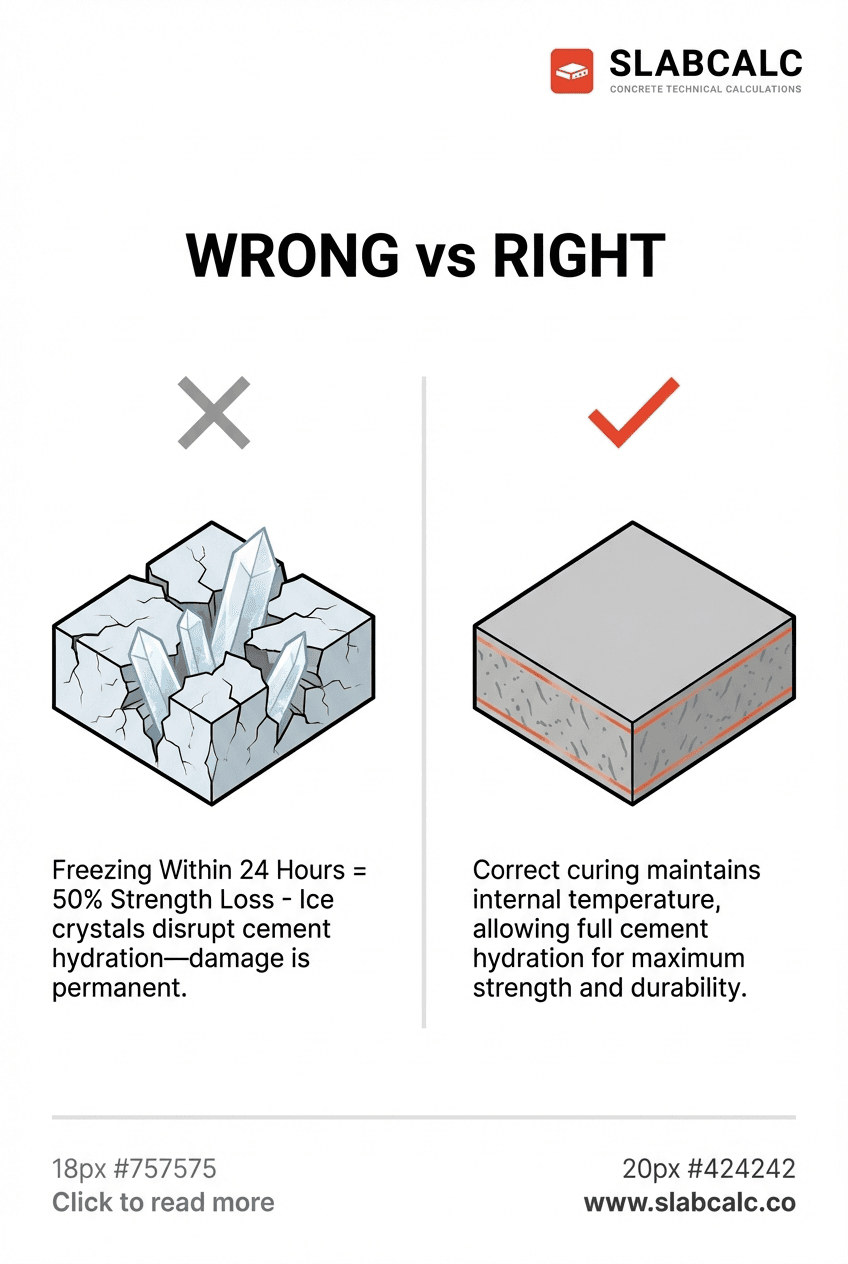
Prevent $2,000+ in Frost Damage: Concrete Temperature Control
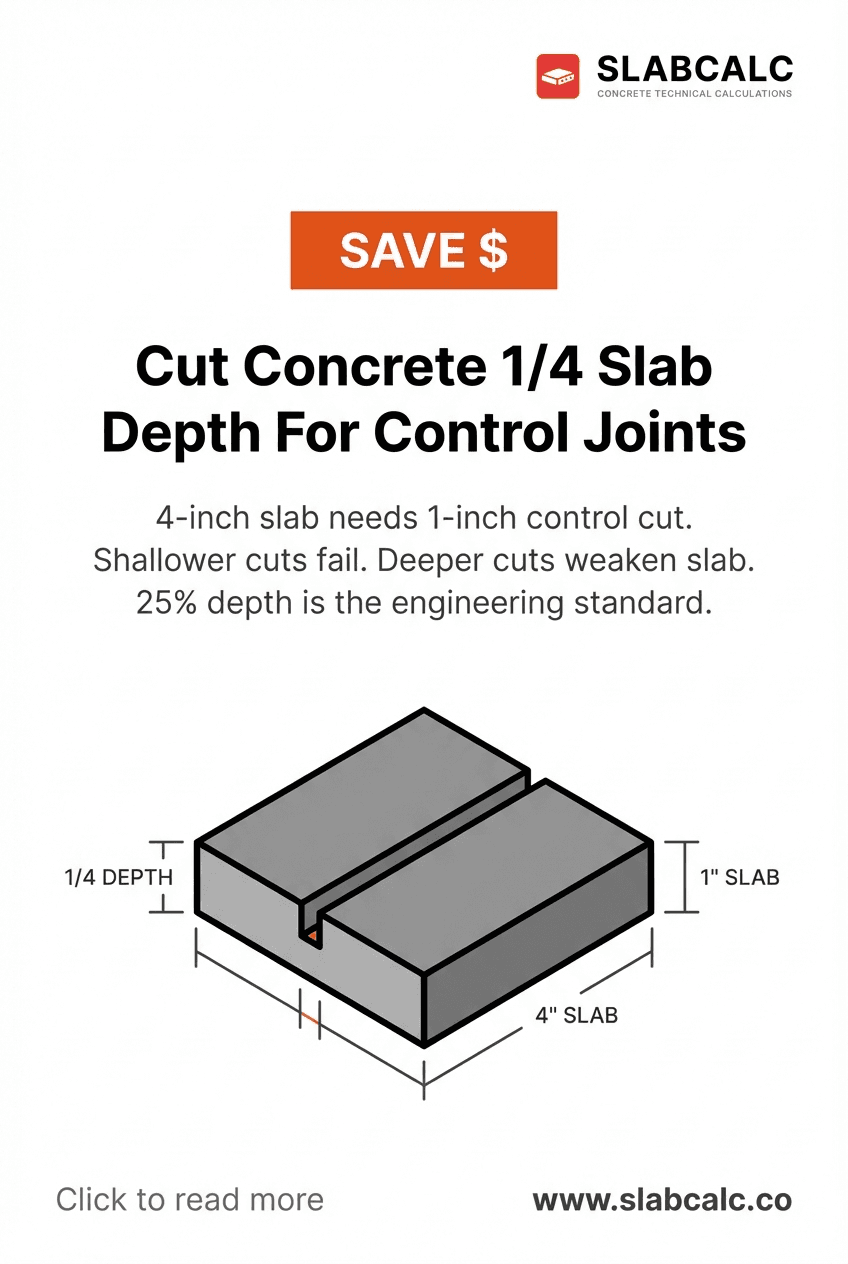
Control Joint Depth Rule: Cut 1/4 Slab Depth to Prevent Cracking
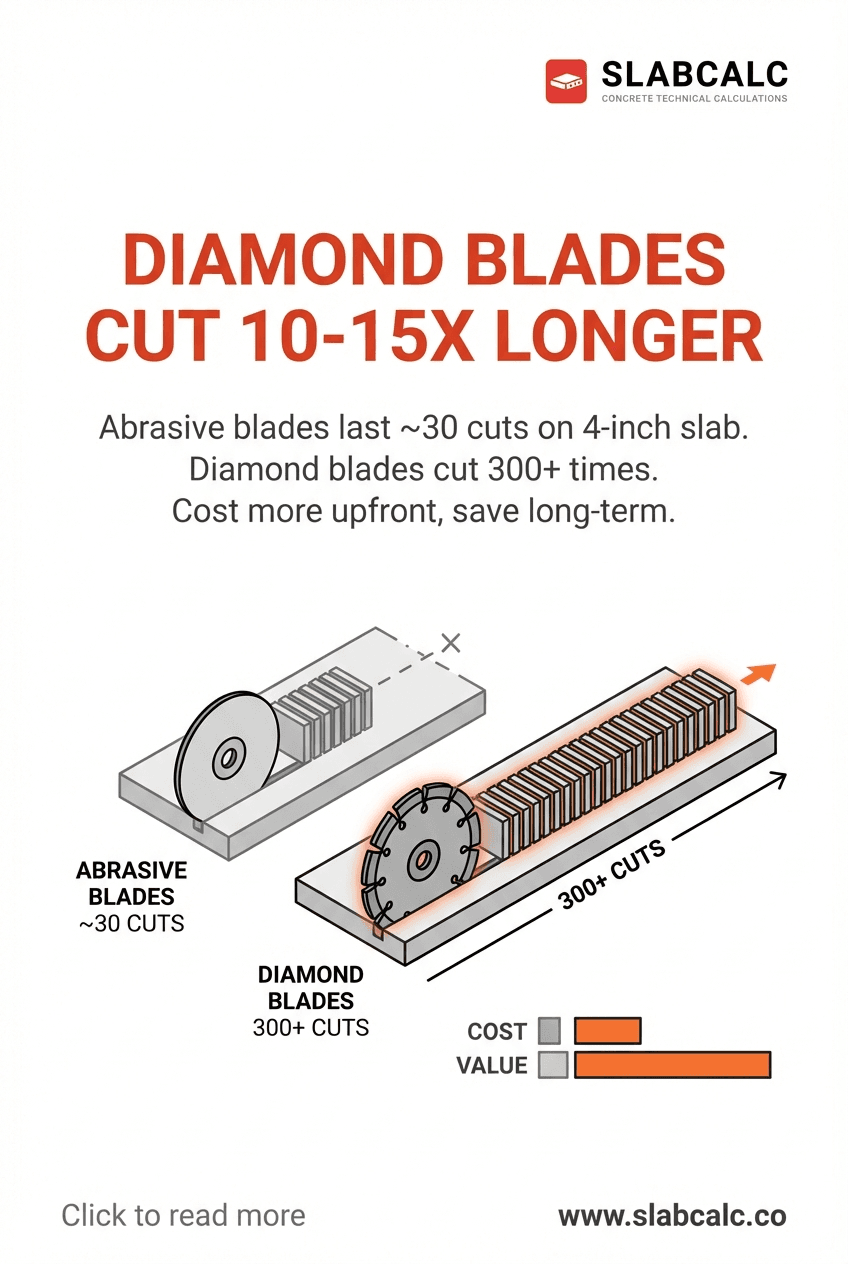
Diamond Blades vs. Abrasive: Which Cuts More?
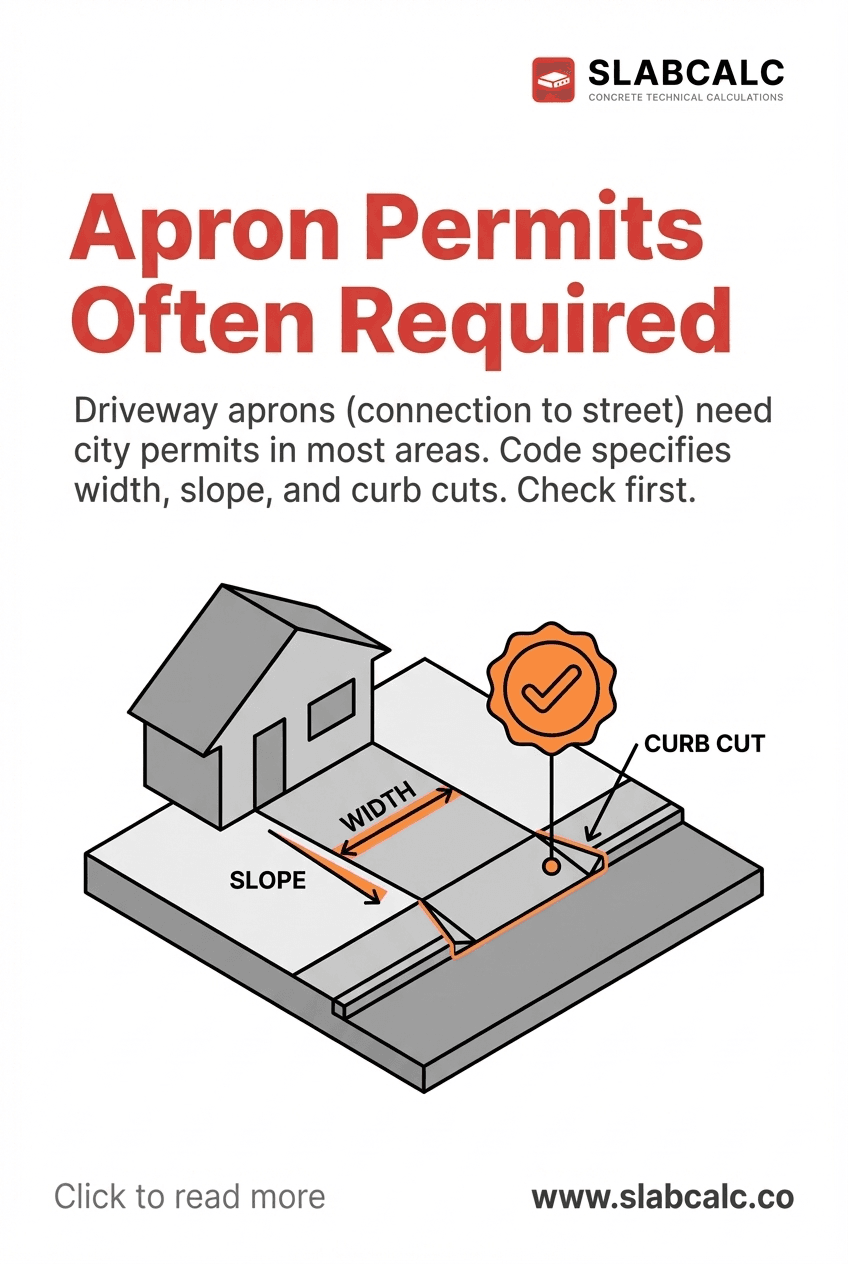
Driveway Apron Permits: Why Code Compliance Matters
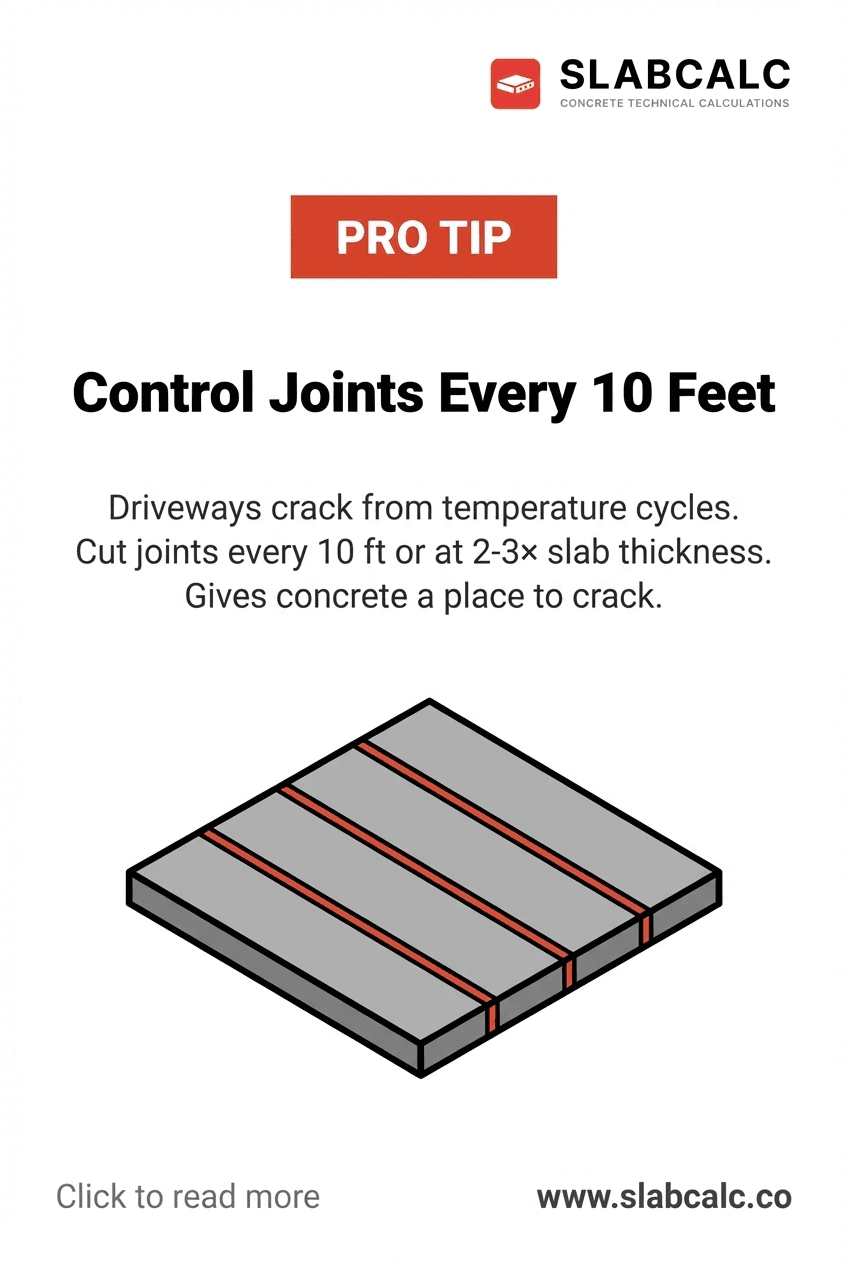
Why Control Joints Every 10 Feet Save Your Driveway
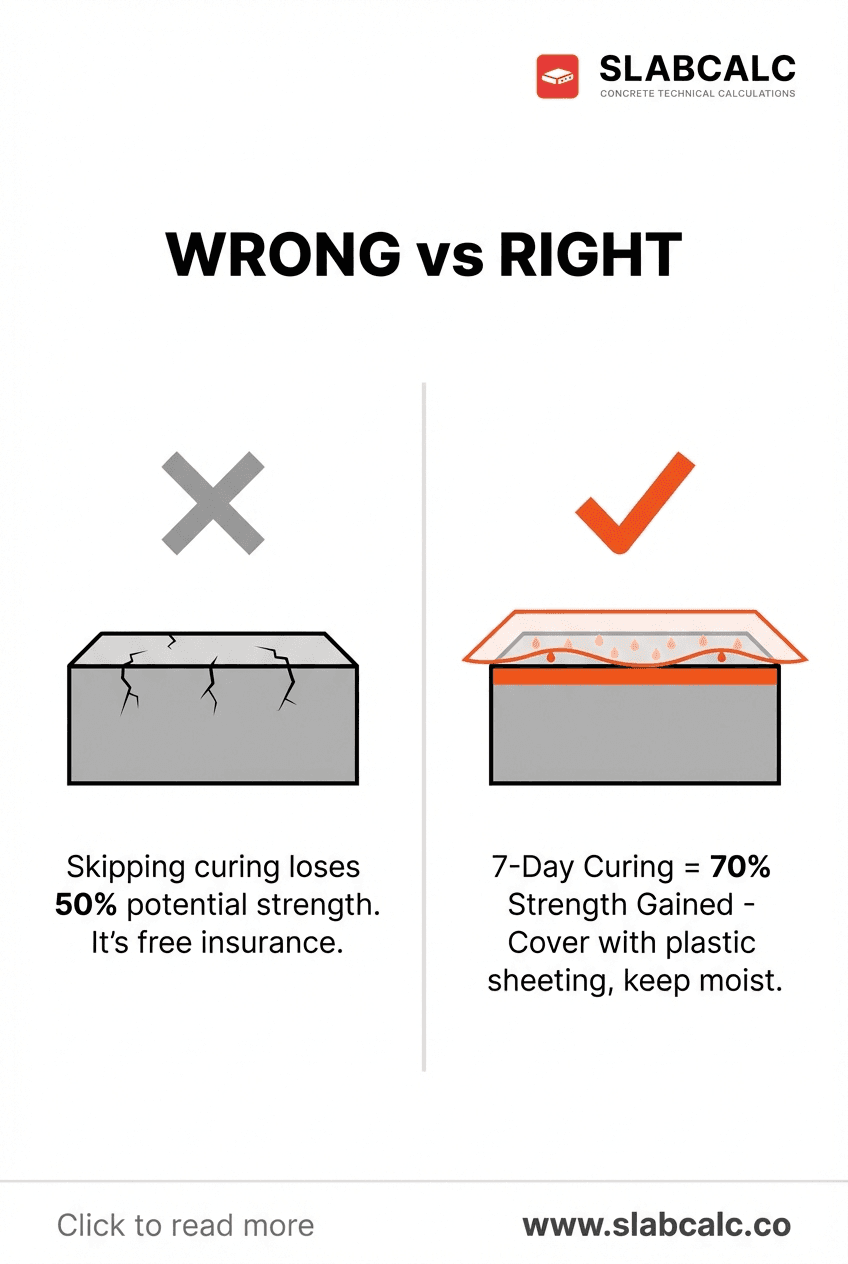
Why 7-Day Curing Determines Your Concrete's Lifespan
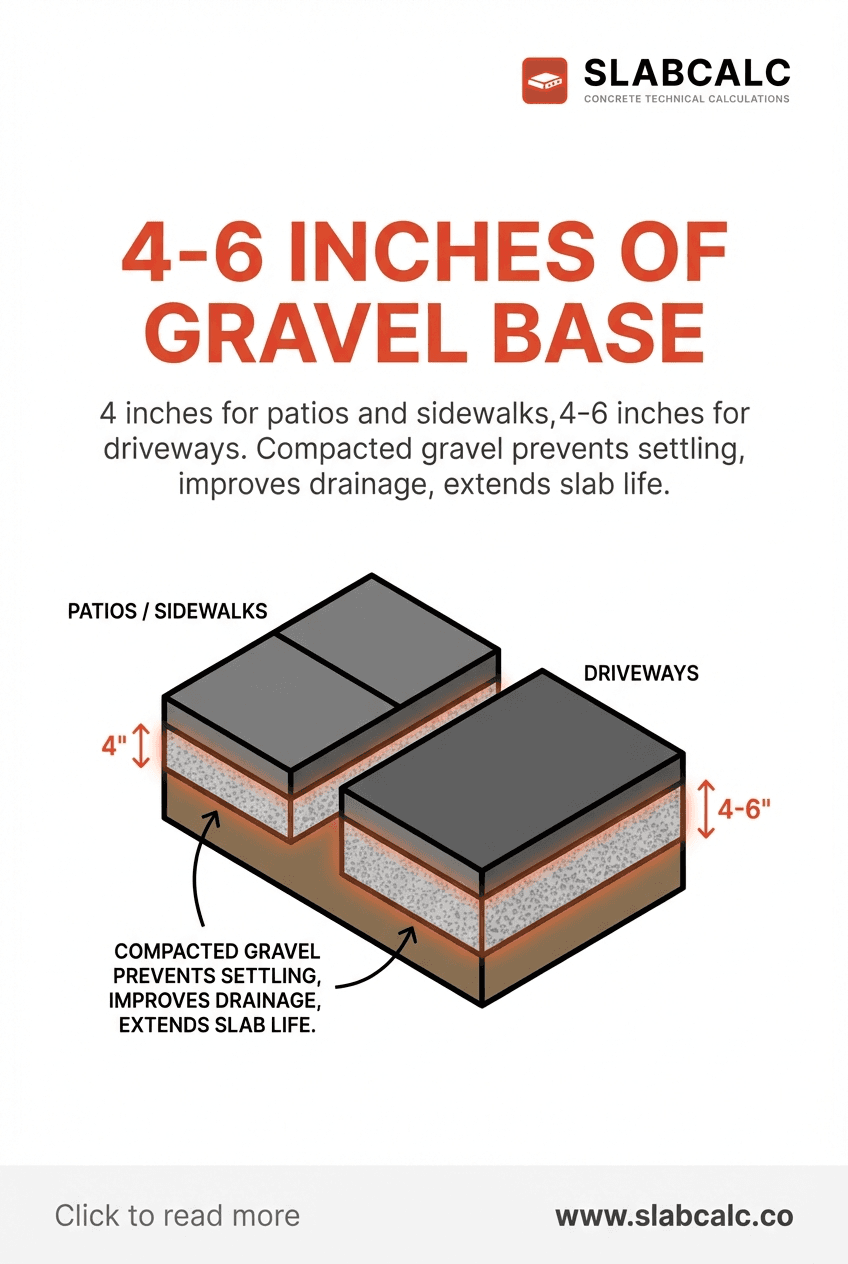
Why 4-6 Inches of Gravel Base Matters for Concrete
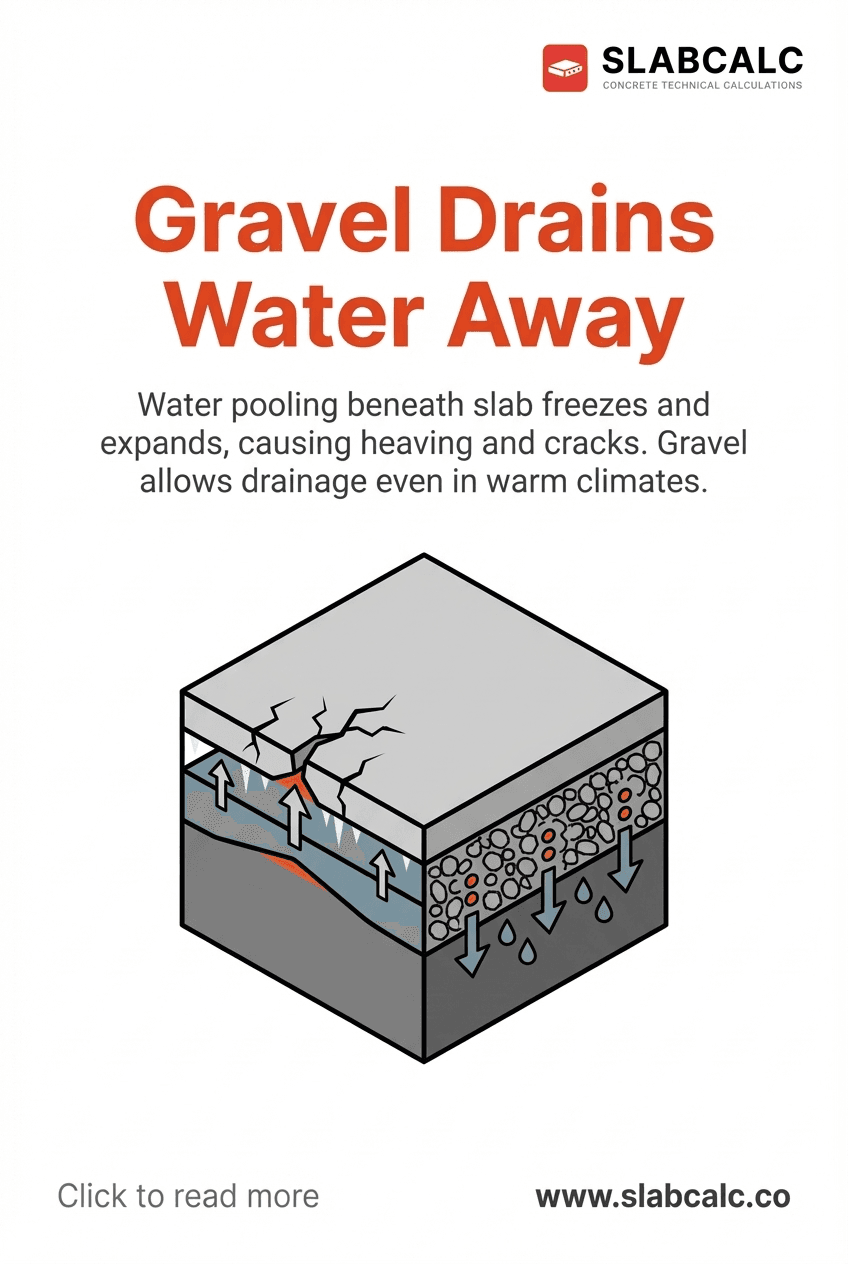
Why Skipping Gravel Under Concrete Leads to Costly Cracks
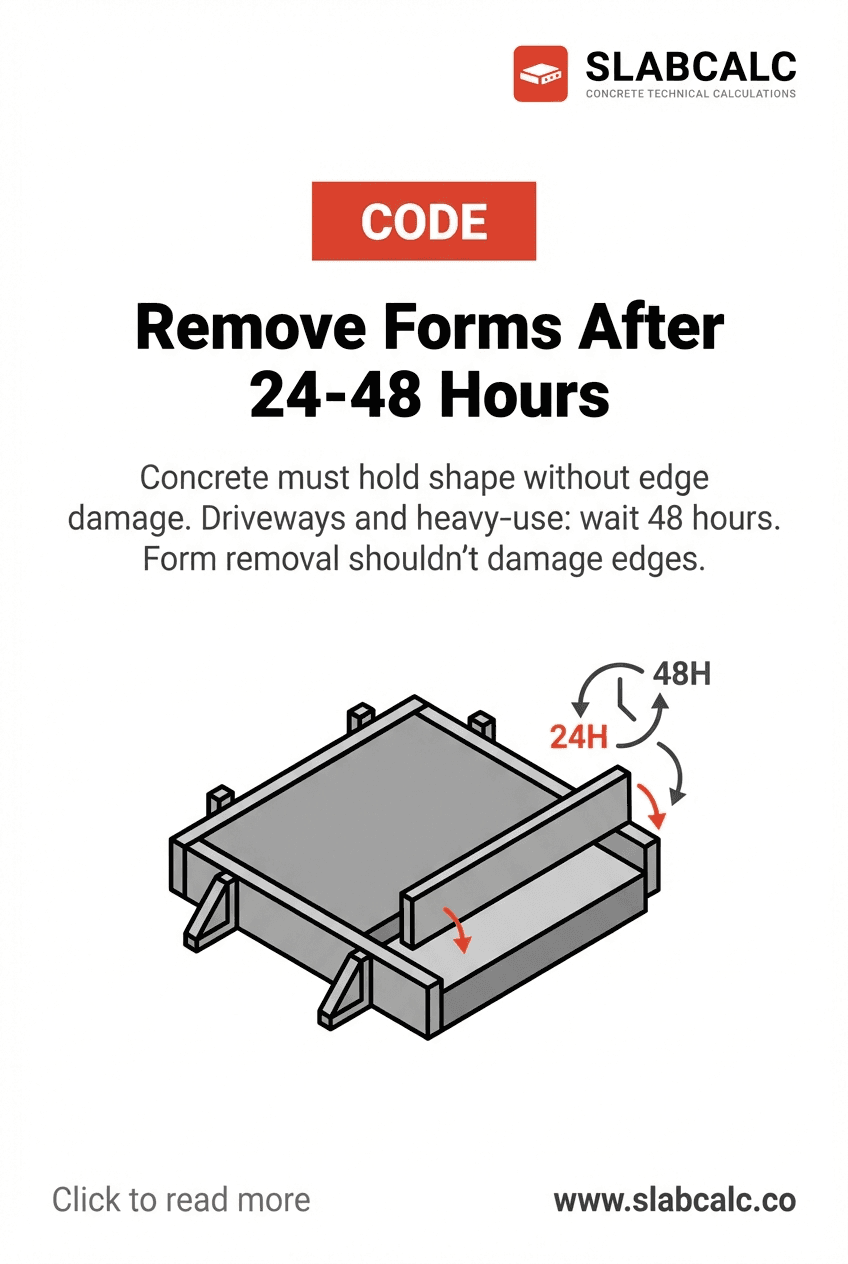
When to Remove Concrete Forms: Code & Best Practices
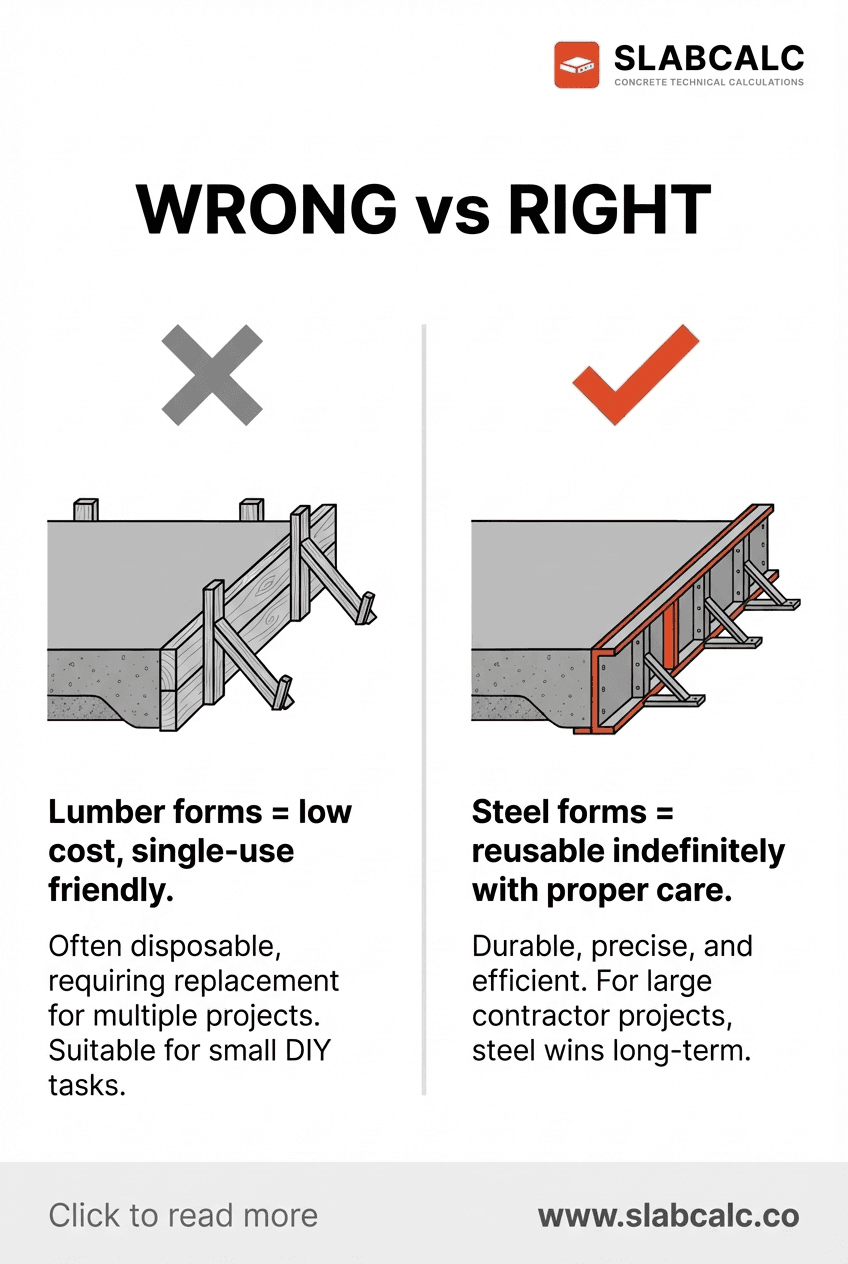
Lumber vs Steel Forms: Which Should You Choose?
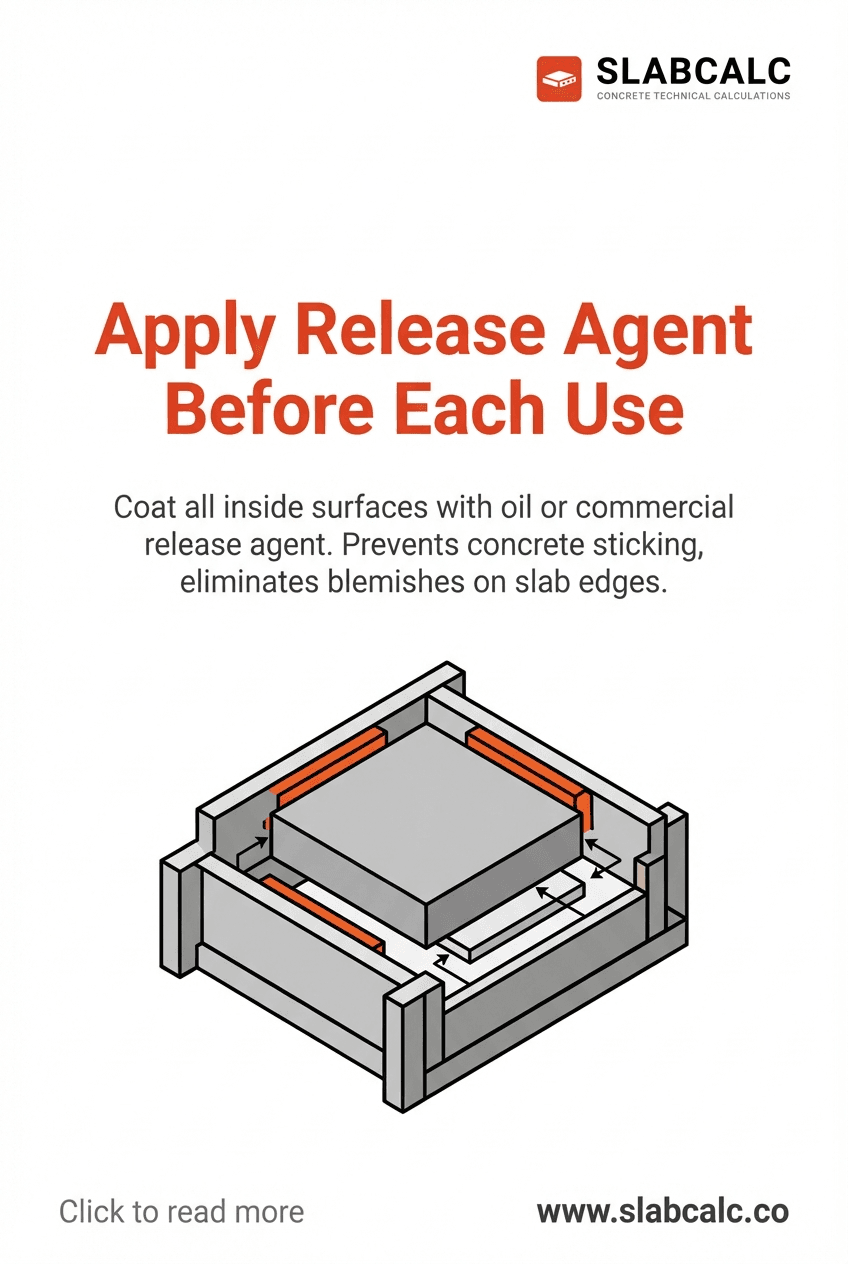
Why Release Agent Matters for Perfect Concrete Edges
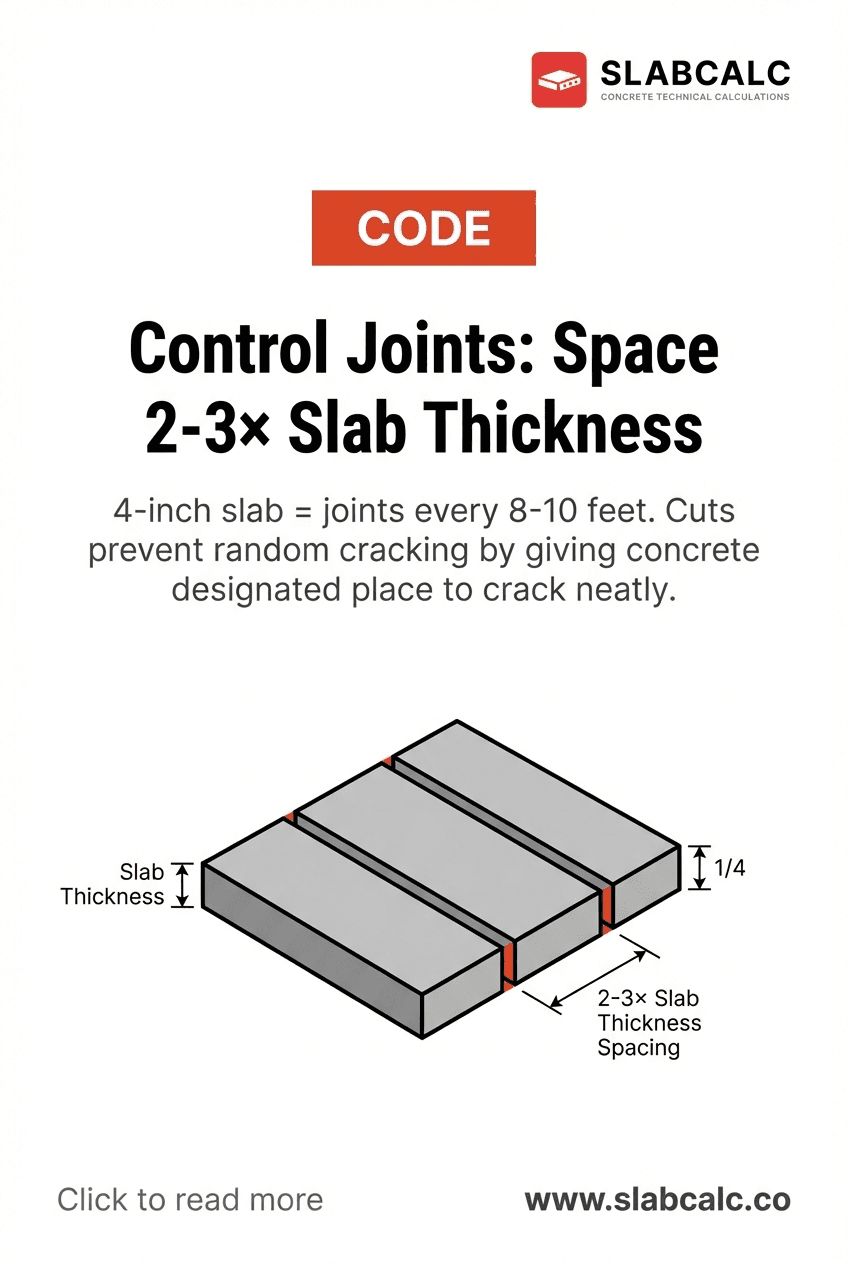
Control Joints: Space 2-3× Slab Thickness
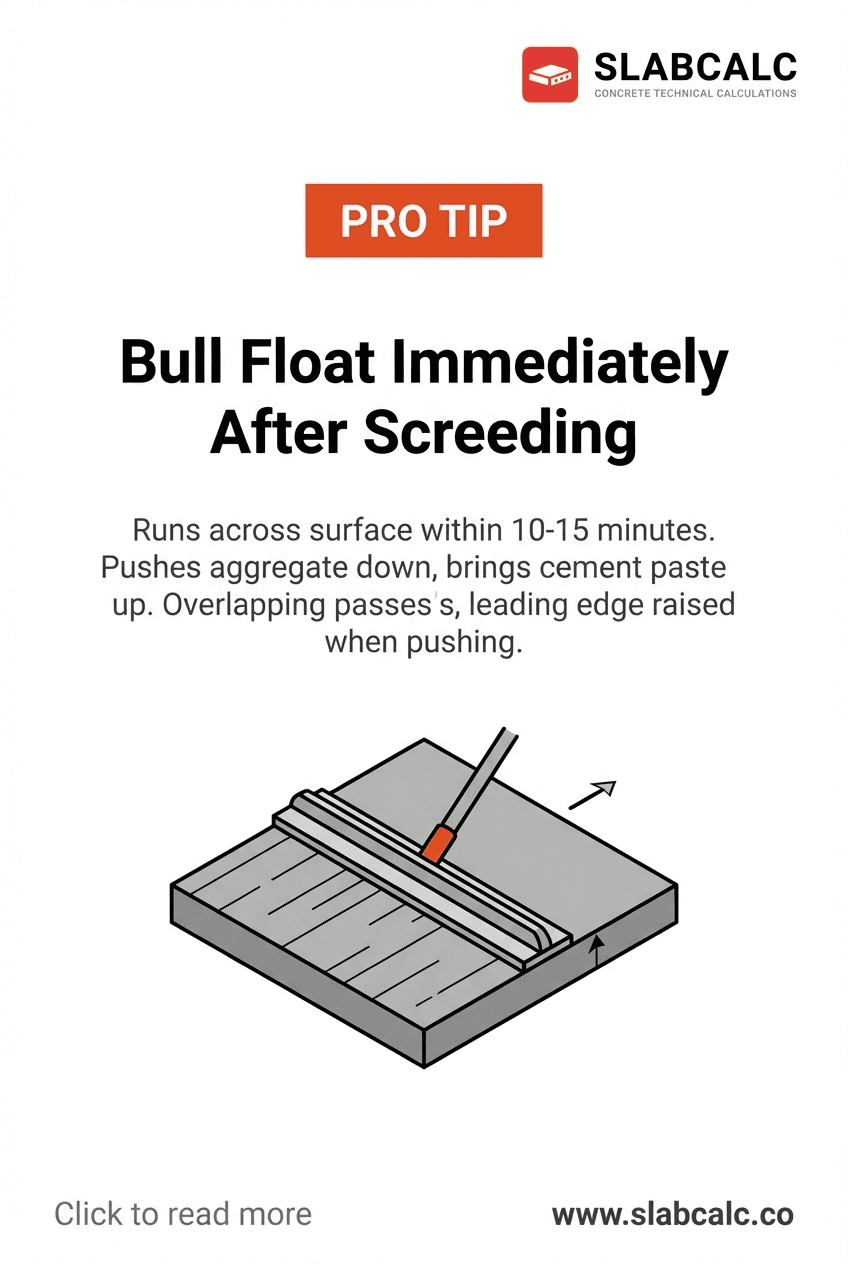
Bull Float Concrete Right After Screeding: The Pro Technique
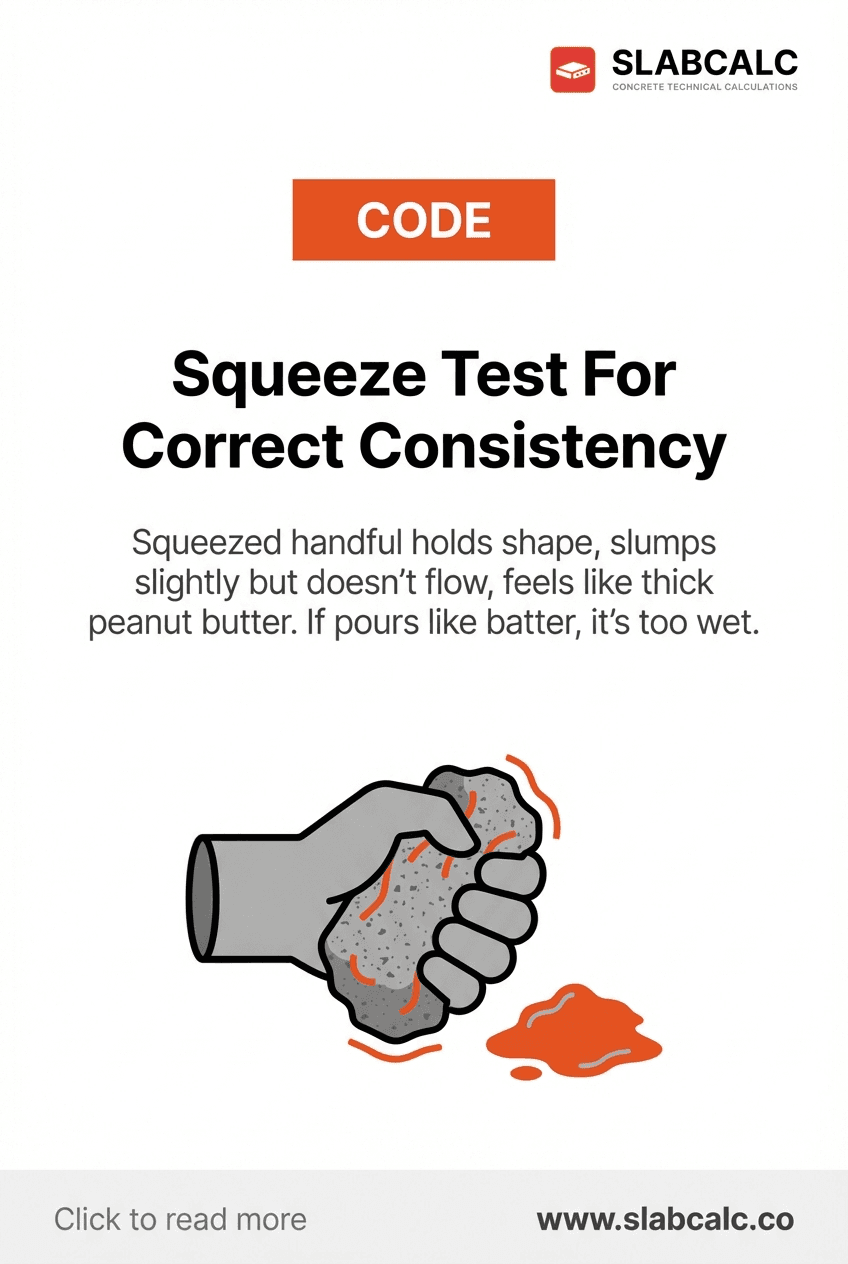
Squeeze Test: How to Get Concrete Consistency Right
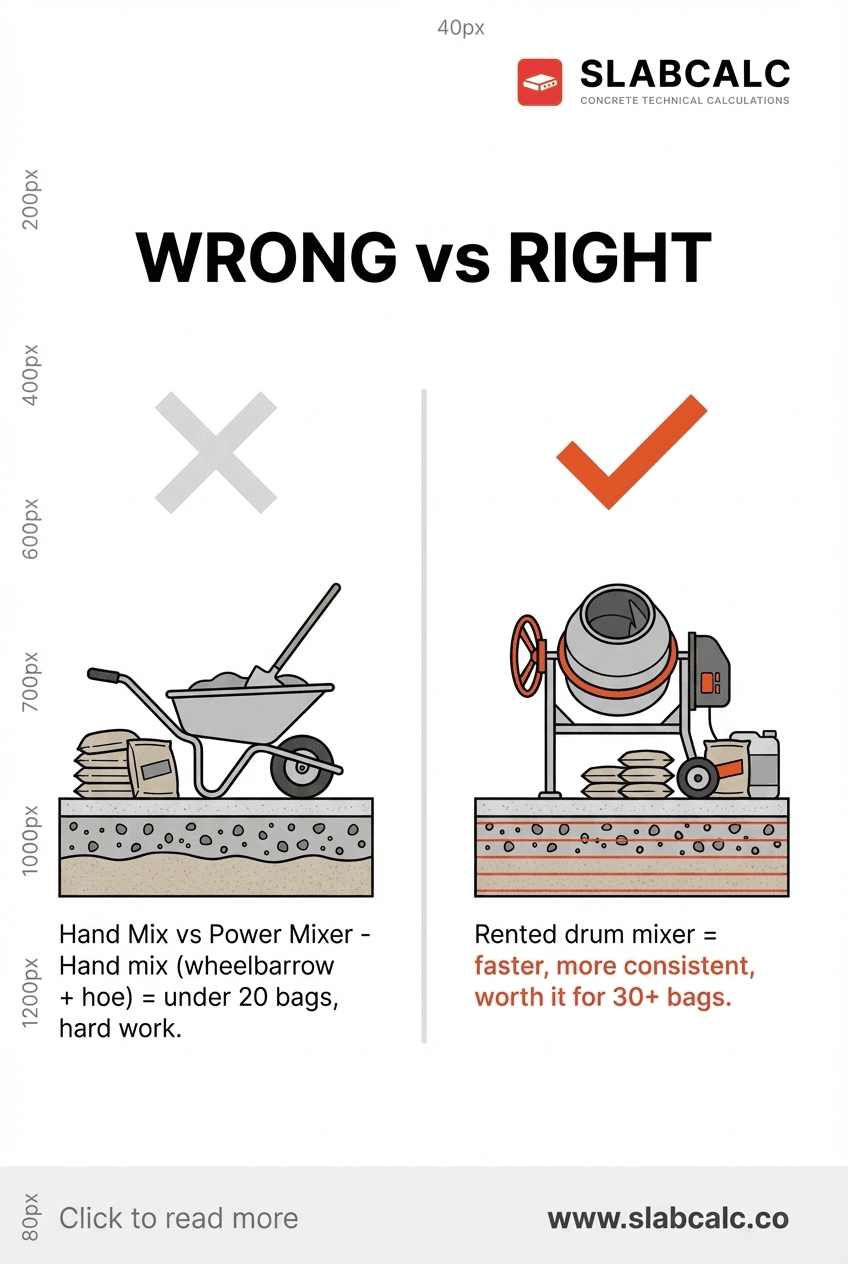
Hand Mix vs Power Mixer: When to Rent and When to DIY
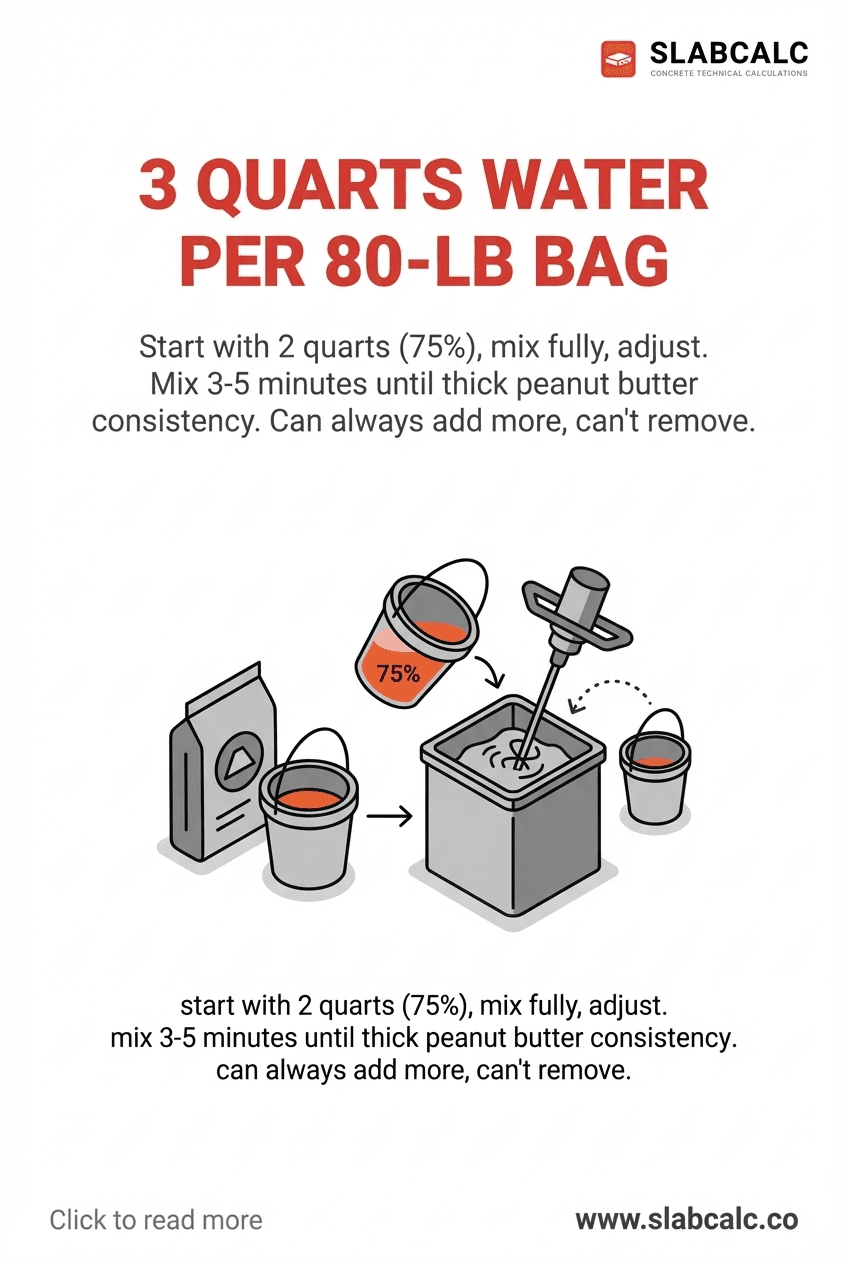
The Right Water Ratio for 80-Pound Concrete Bags
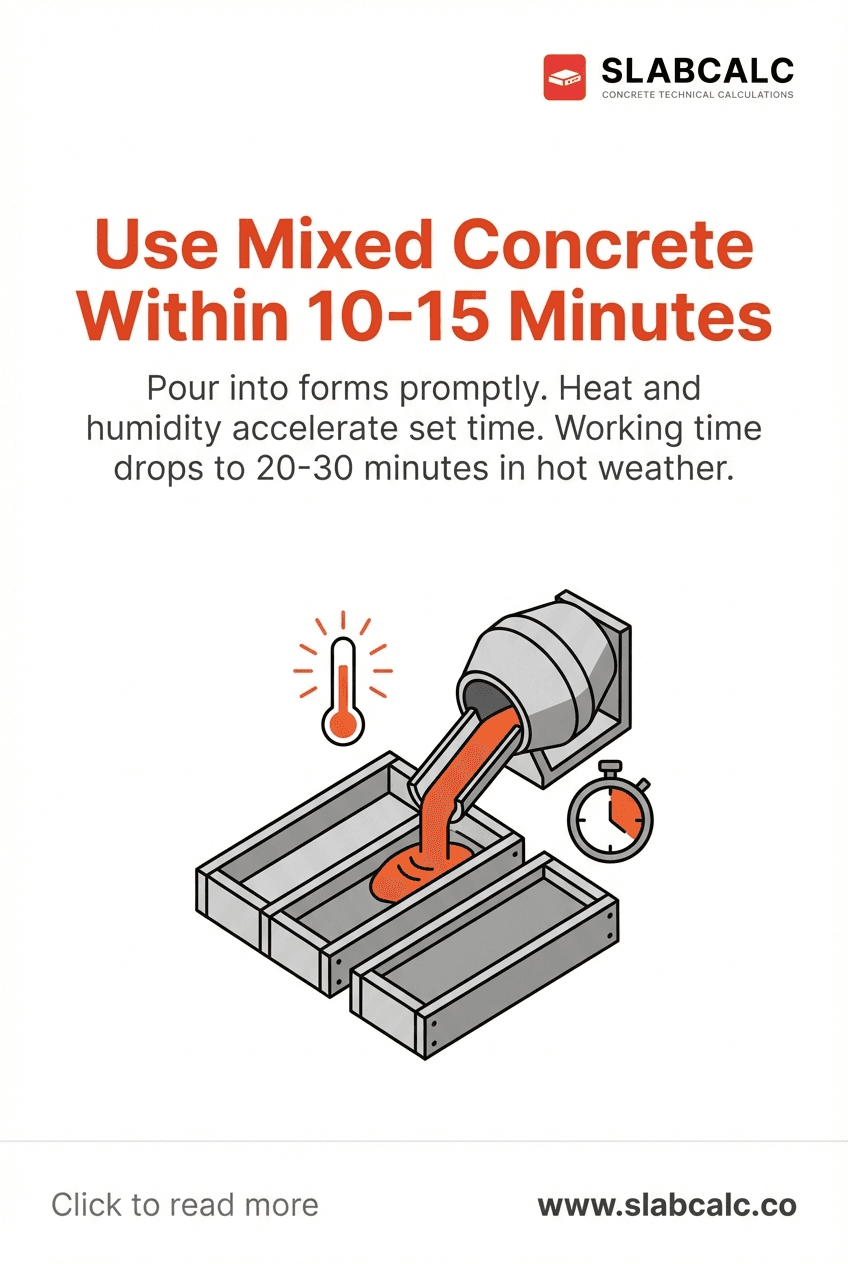
Use Mixed Concrete Within 10-15 Minutes of Mixing
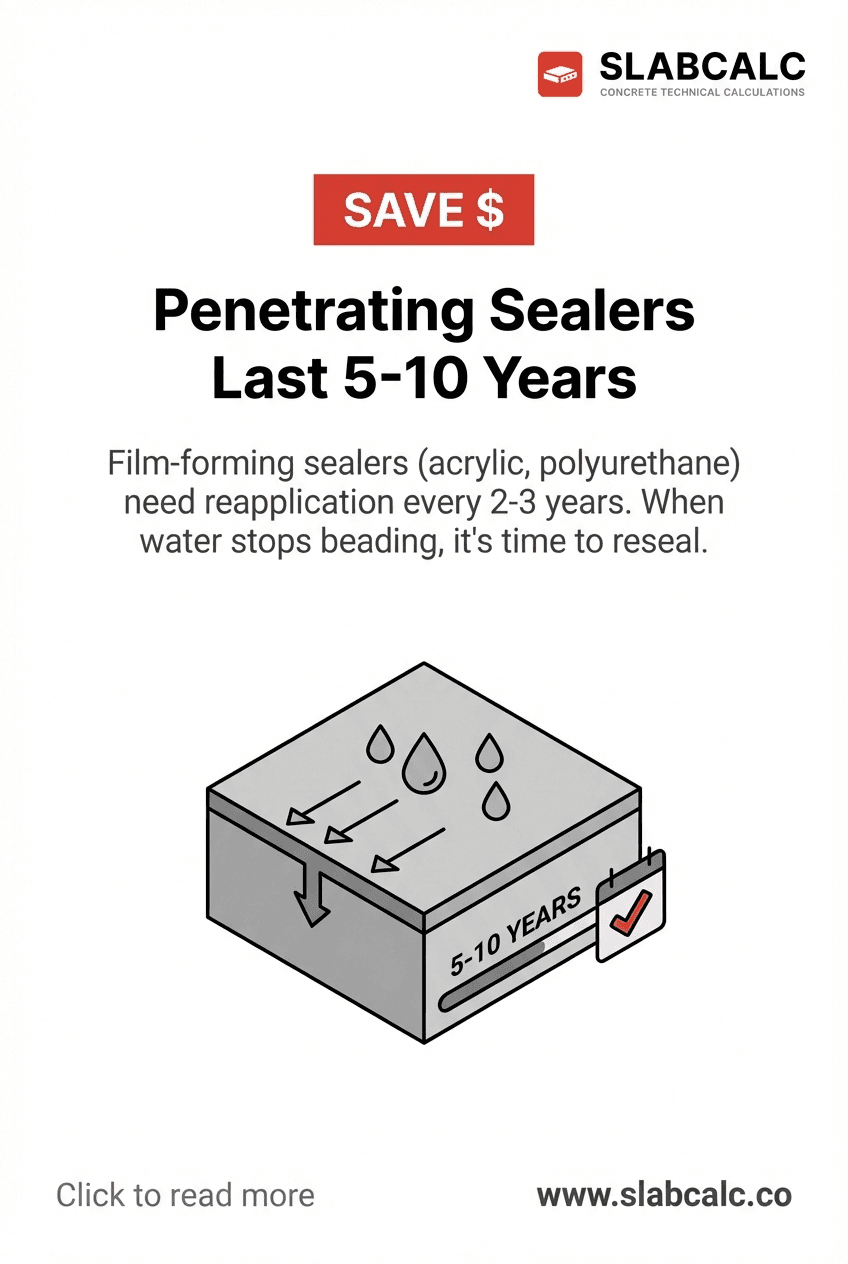
Penetrating Sealers Last 5-10 Years: Save $500+ on Resealing
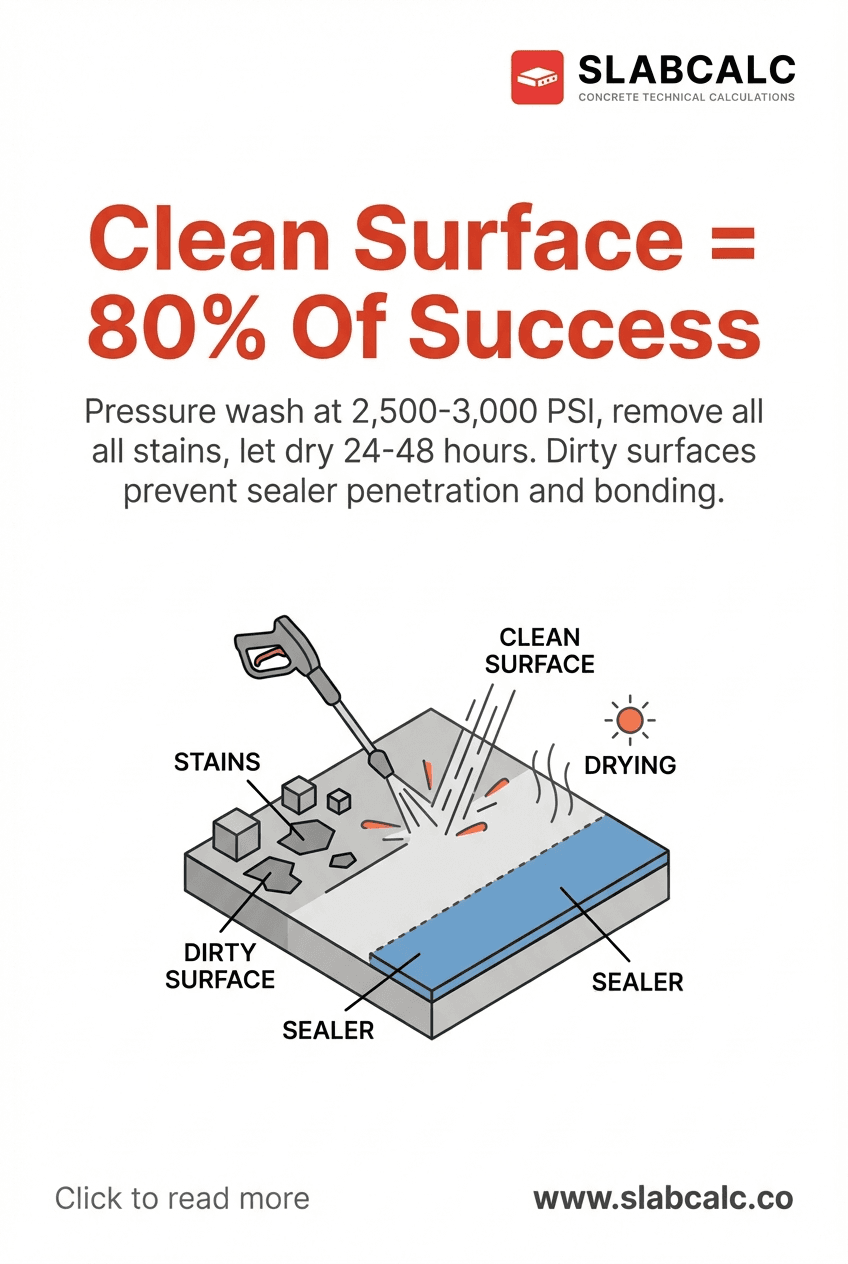
Why Dirty Concrete Destroys Your Sealer (And How to Fix It)
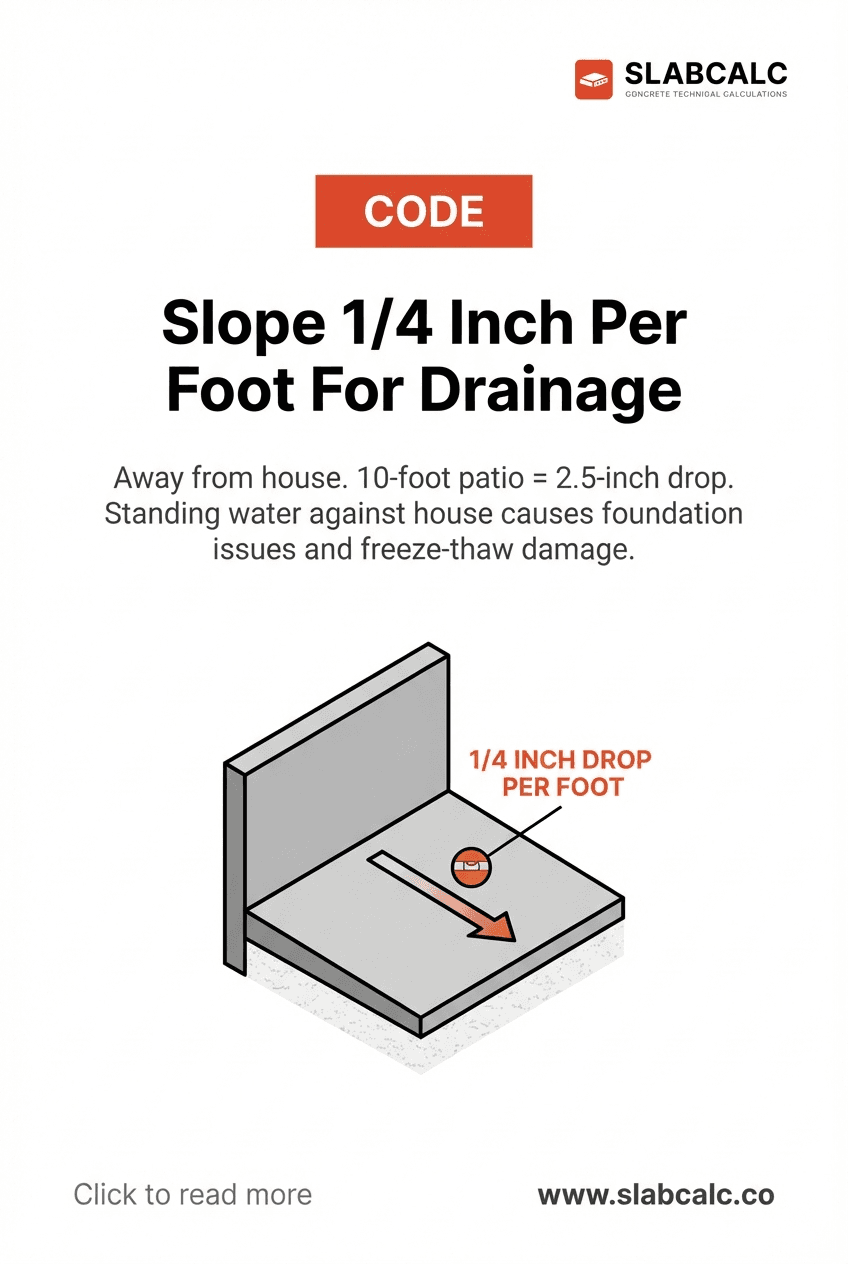
Why 1/4 Inch Slope Per Foot is Required for Patio Drainage
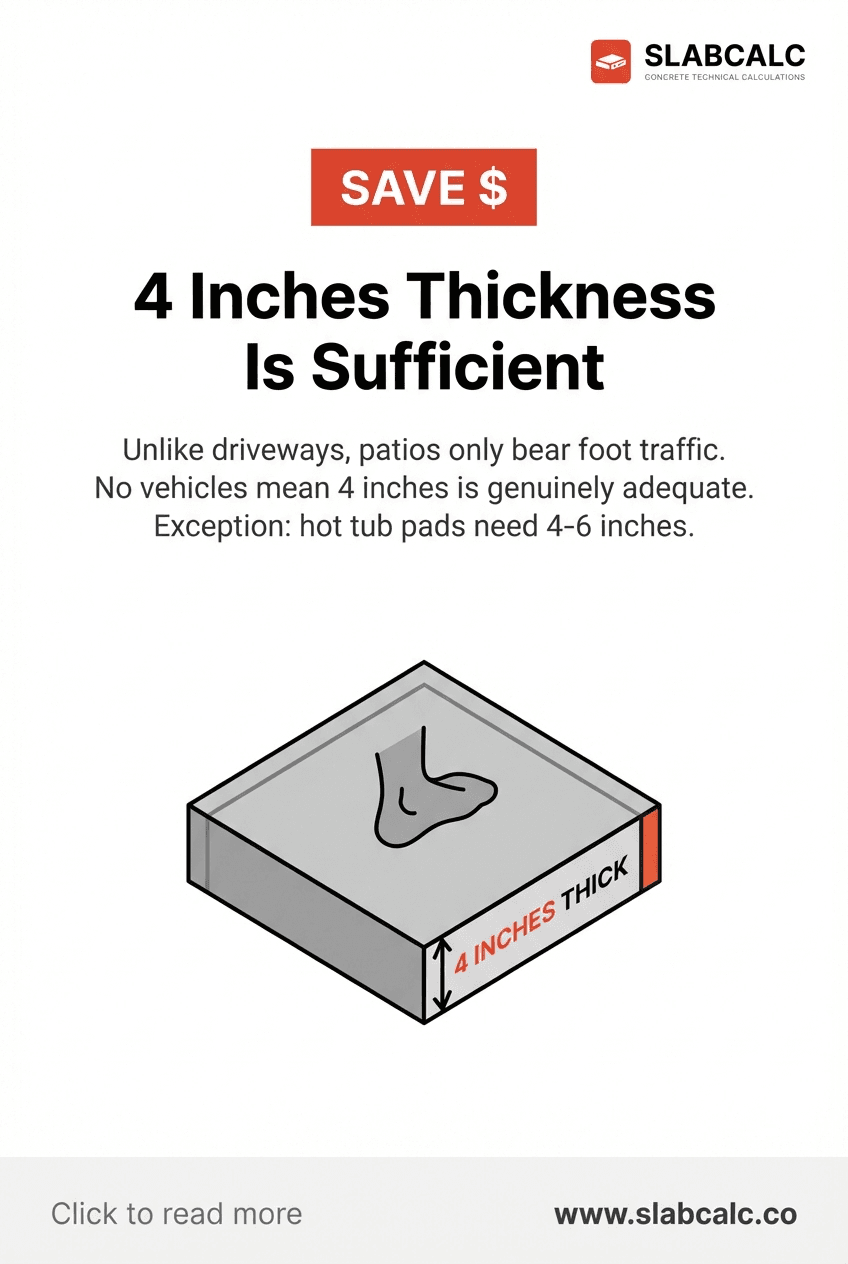
Why 4-Inch Patios Save You $800+ (And When They Don't)
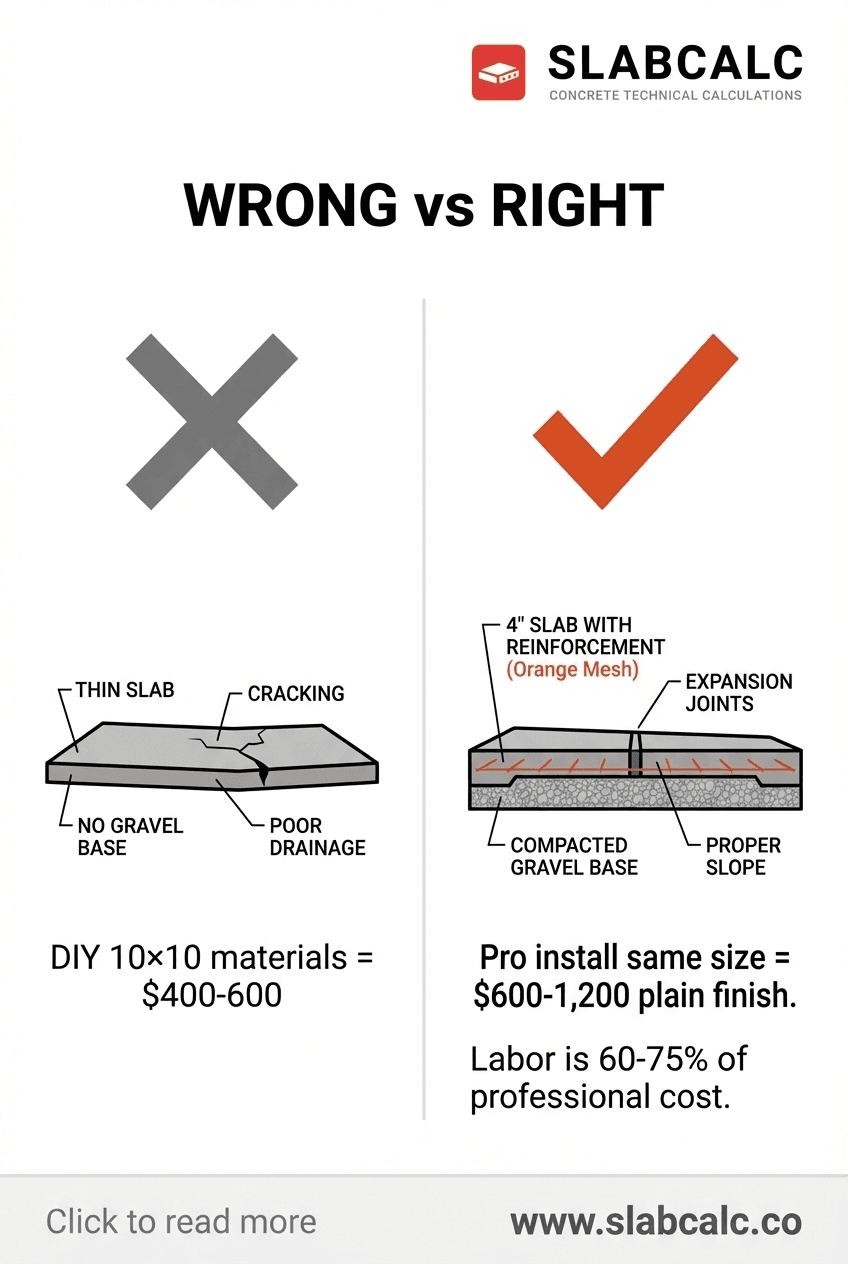
DIY vs Pro Patio: When the Cost Gap Matters
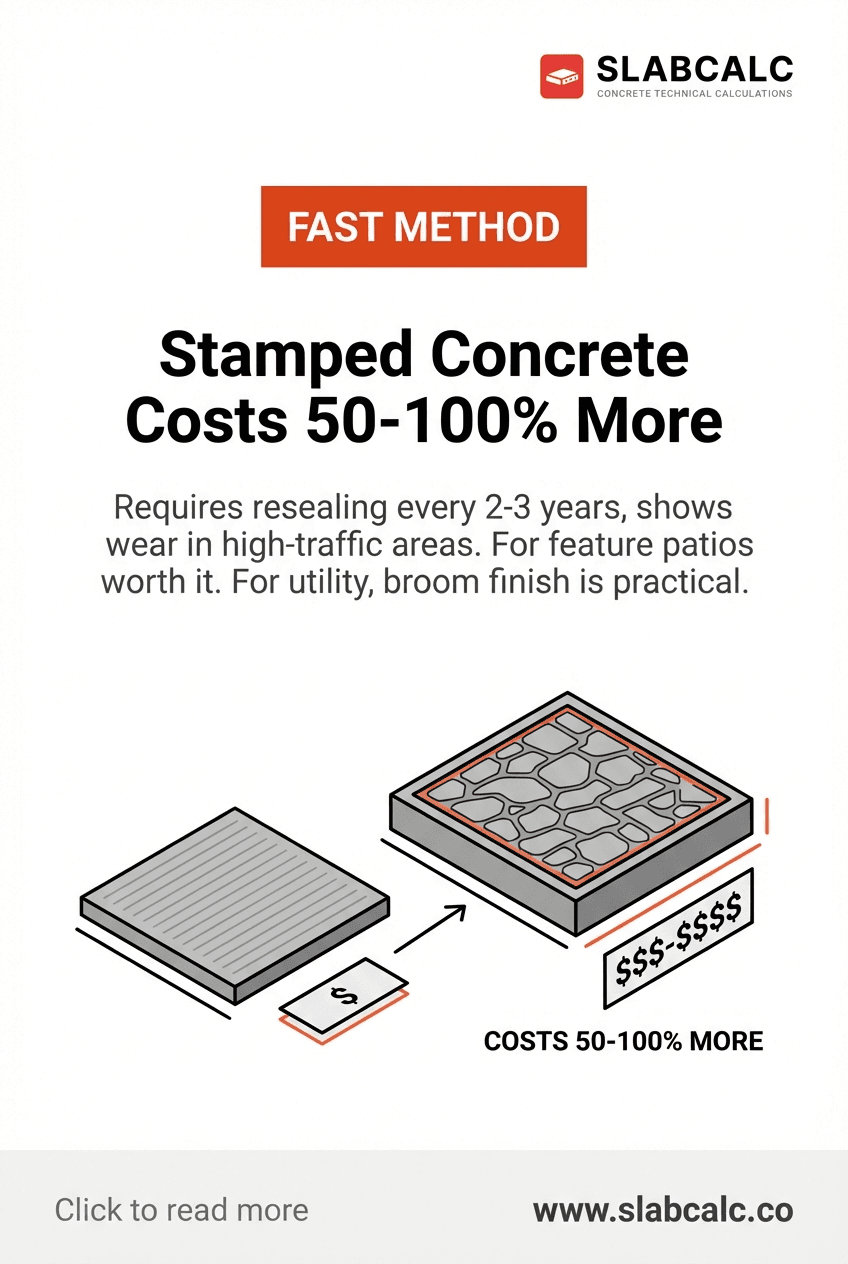
Stamped Concrete Costs 50-100% More: Choose the Right Finish
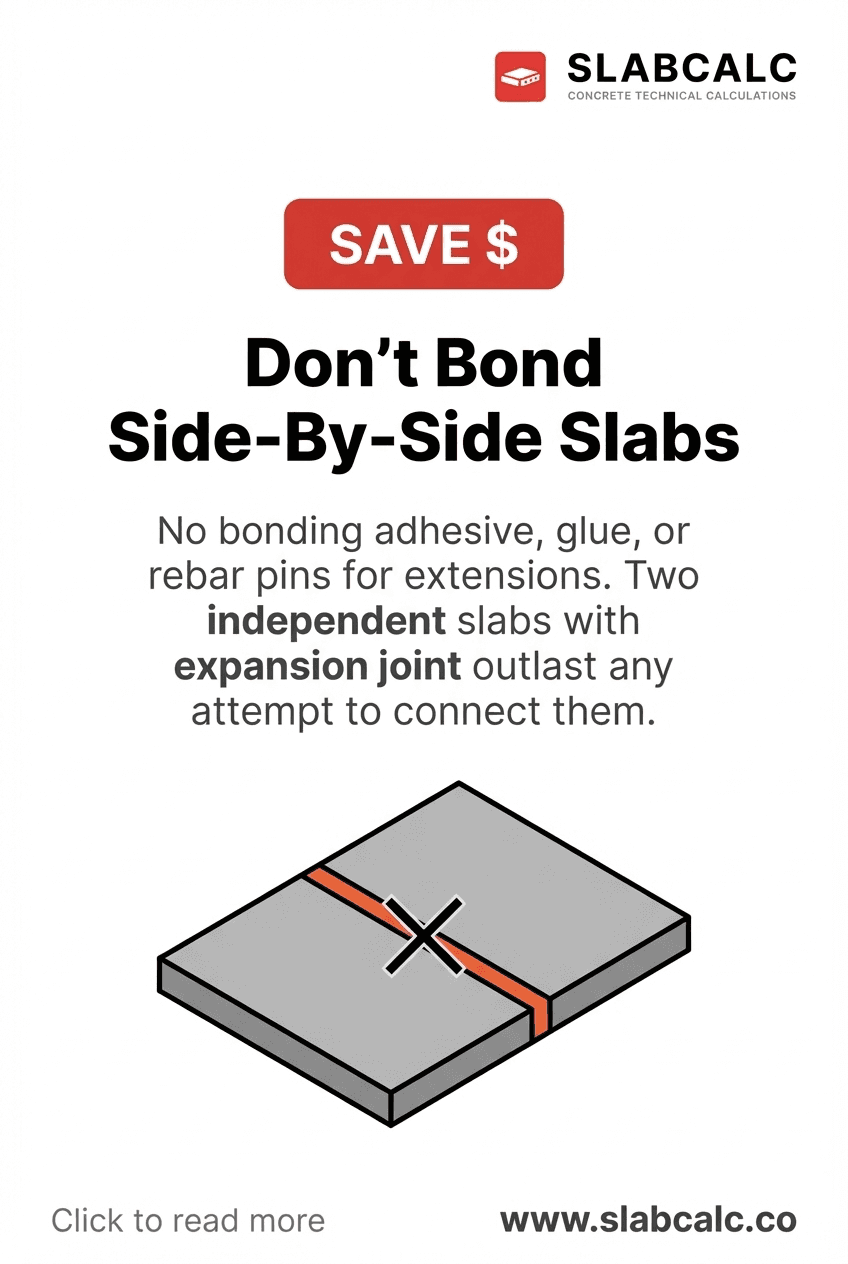
Save $500+ by Skipping Adhesive on Slab Extensions
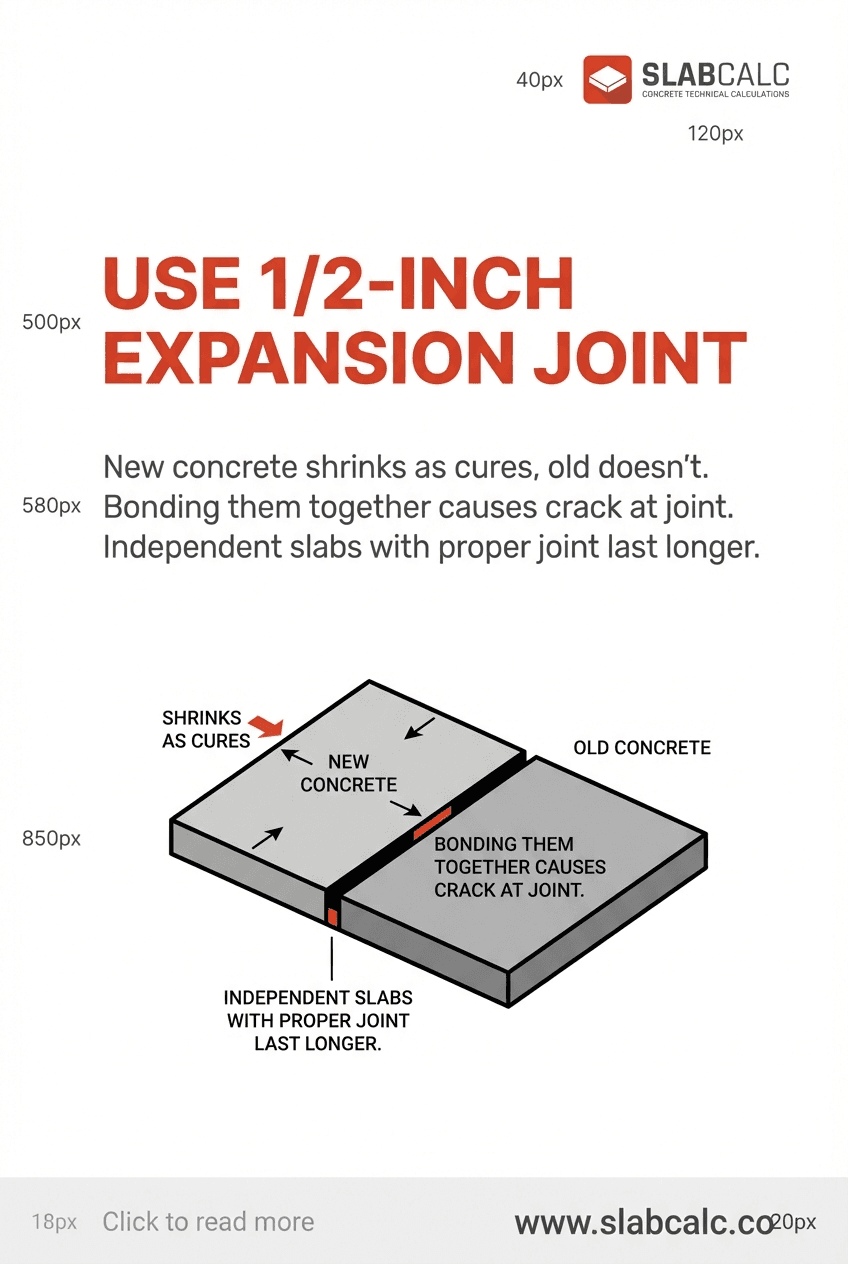
Why 1/2-Inch Expansion Joints Prevent Cracks in New Concrete
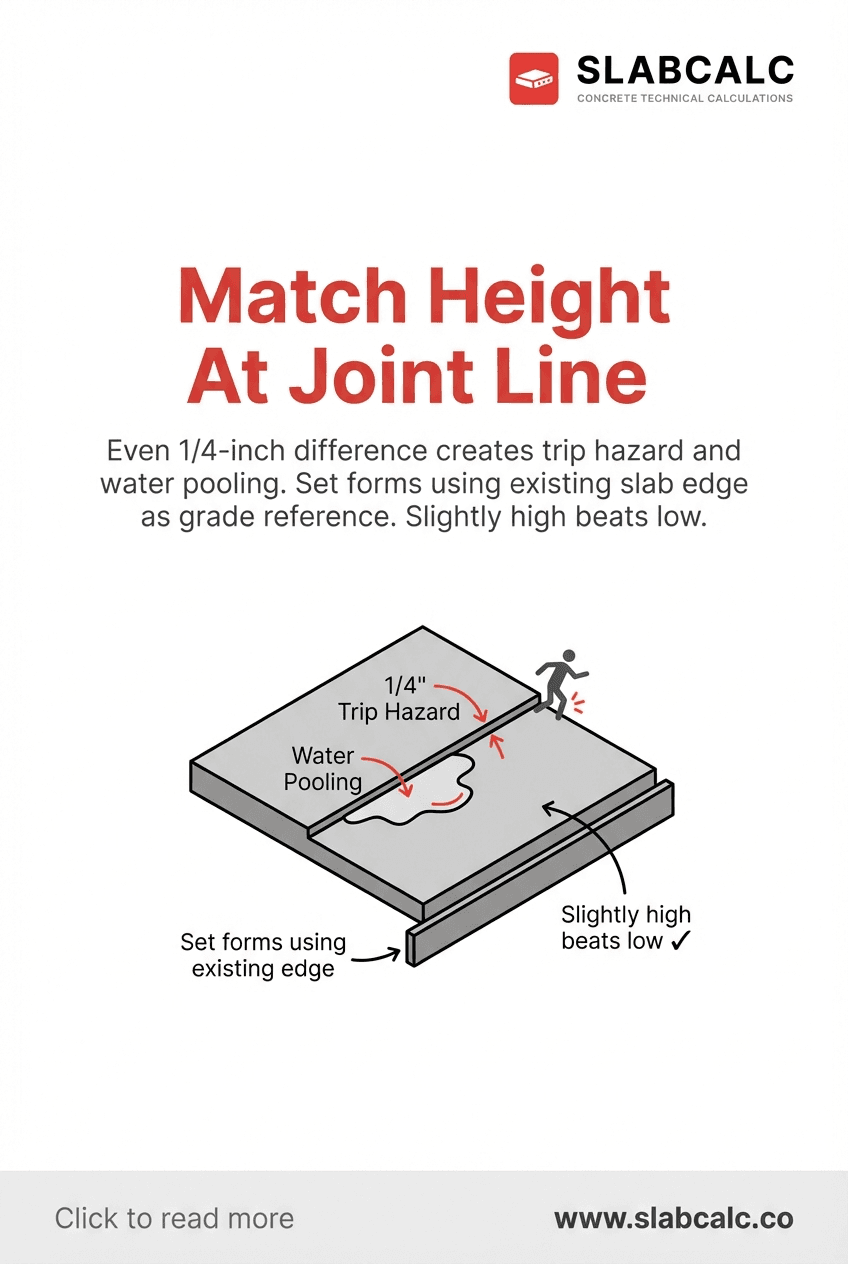
Prevent Trip Hazards: Match Concrete Joint Heights
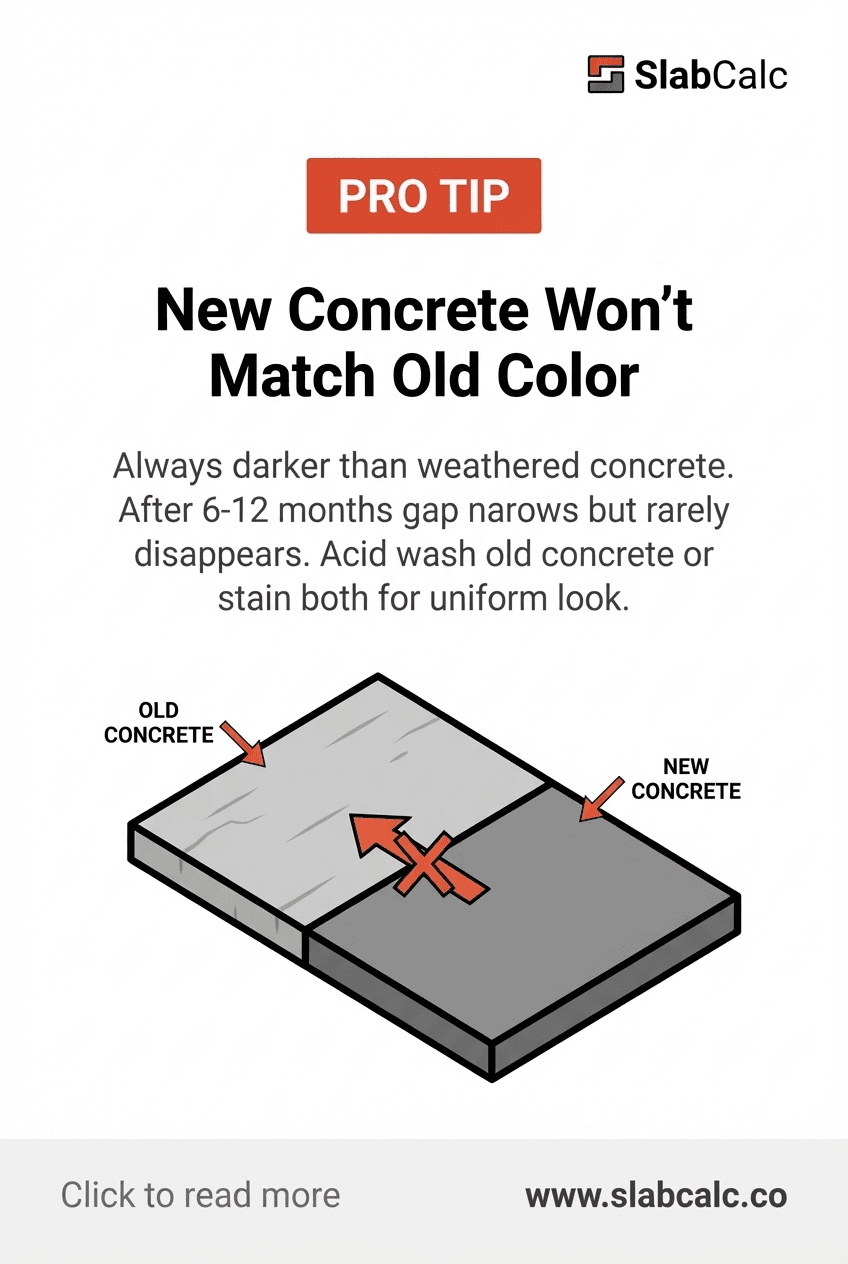
Why New Concrete Looks Different & How to Fix It
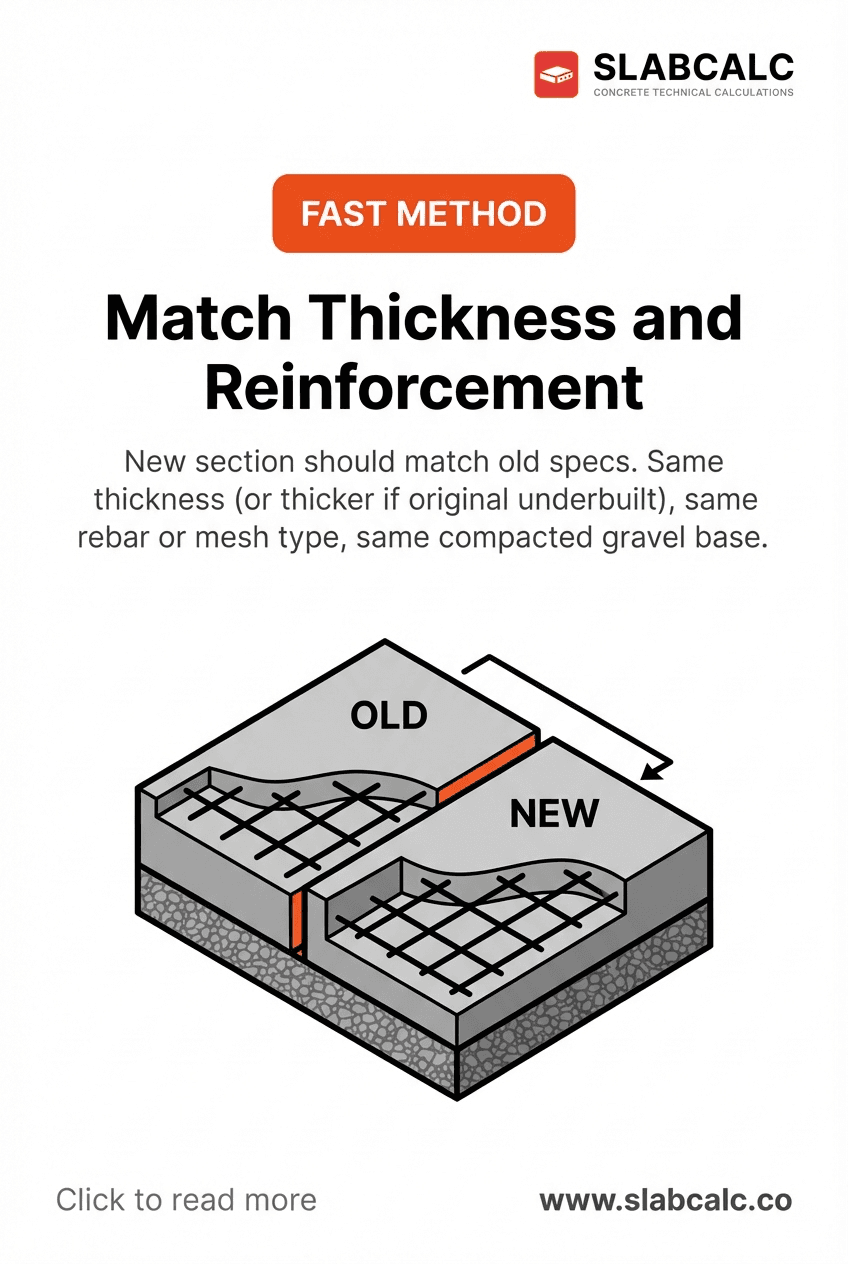
Match Thickness and Reinforcement for Seamless Concrete Extensions
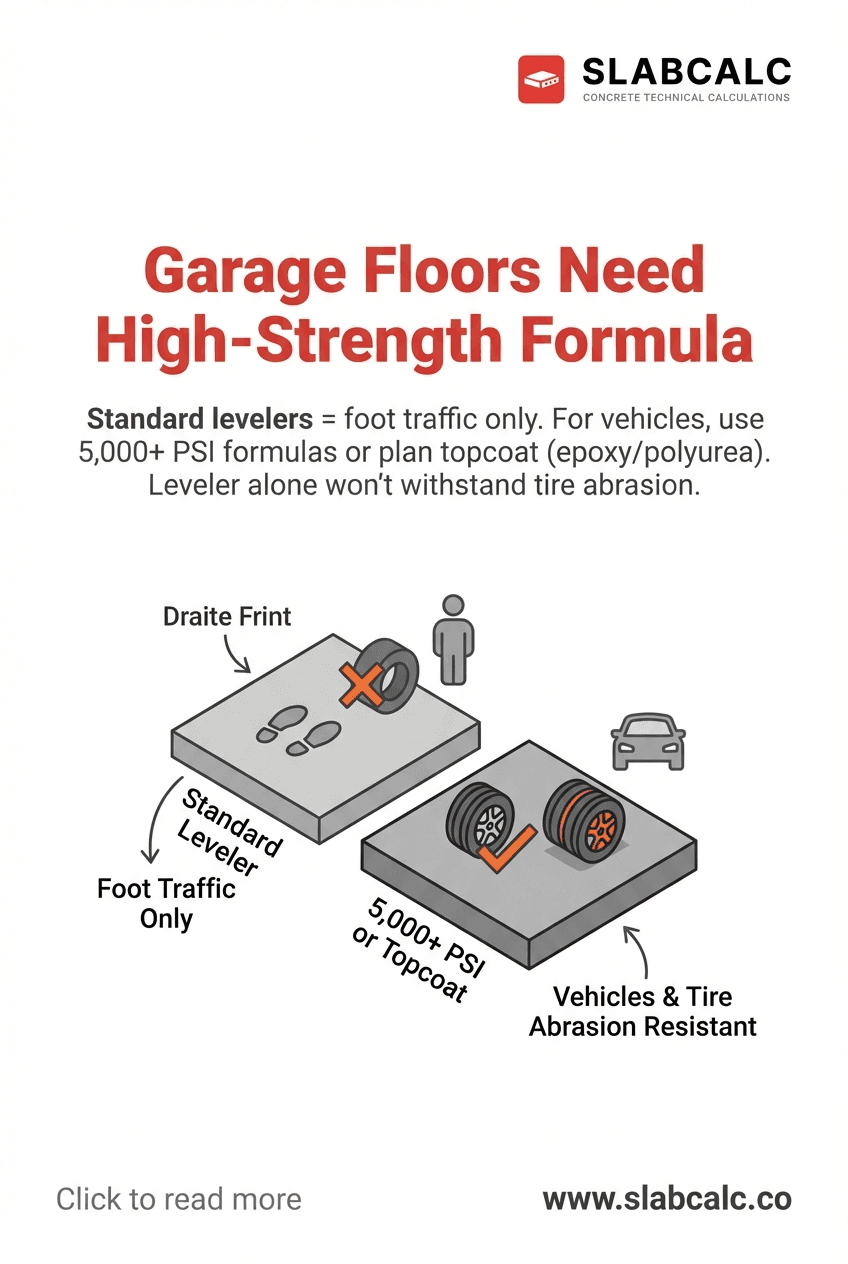
Why Standard Levelers Fail Under Car Tires
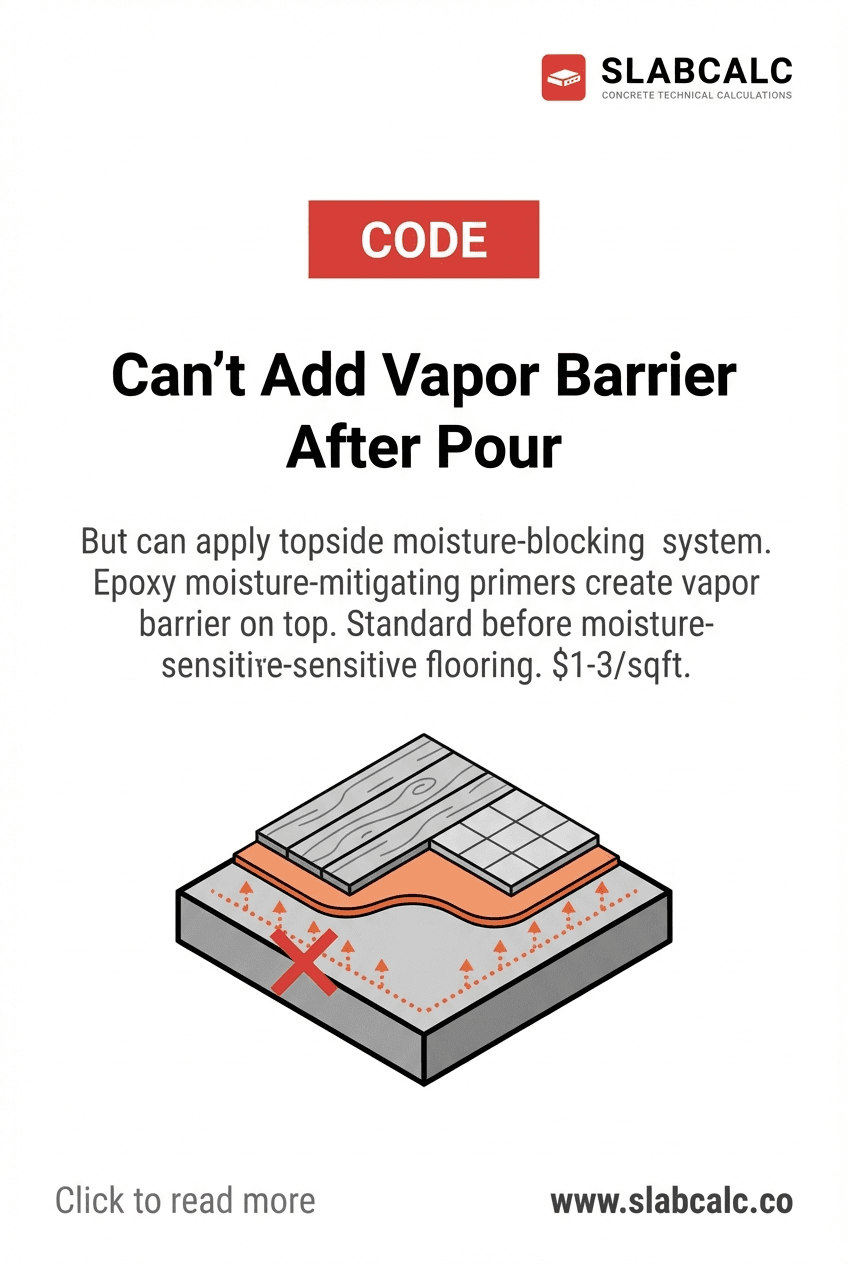
Vapor Barrier After Pour: Why It's Too Late (And What to Do)
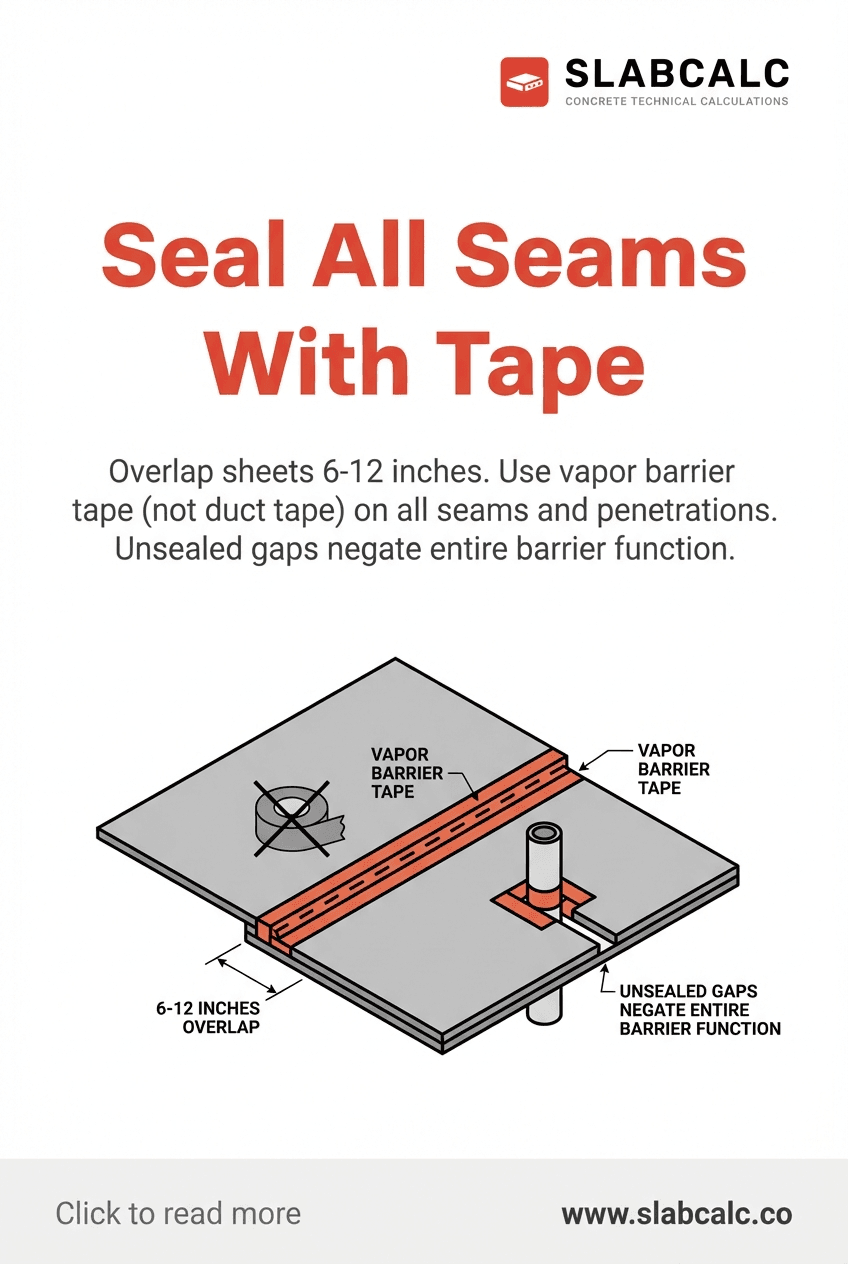
Seal All Seams With Tape: Vapor Barrier Overlap Guide
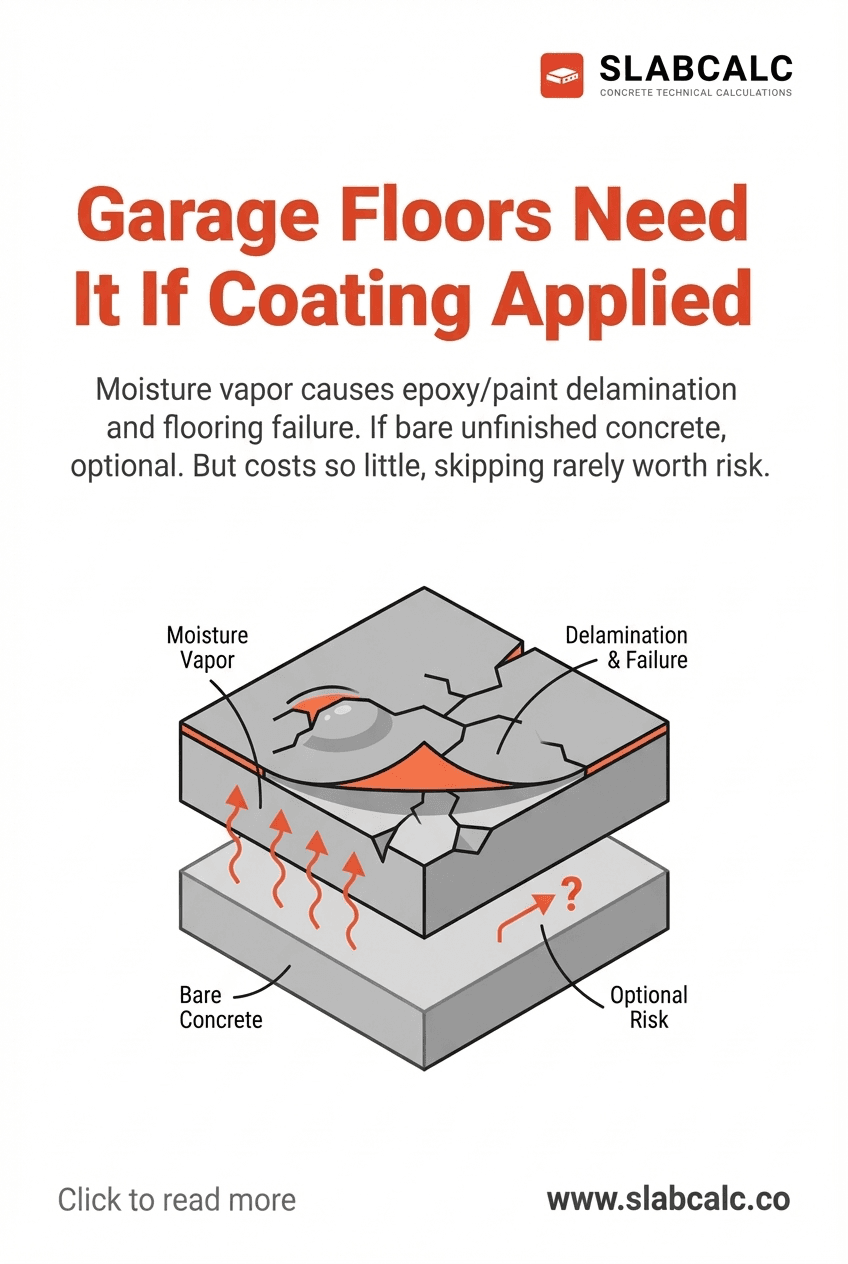
Vapor Barrier Under Concrete: Why Garage Coatings Fail Without It
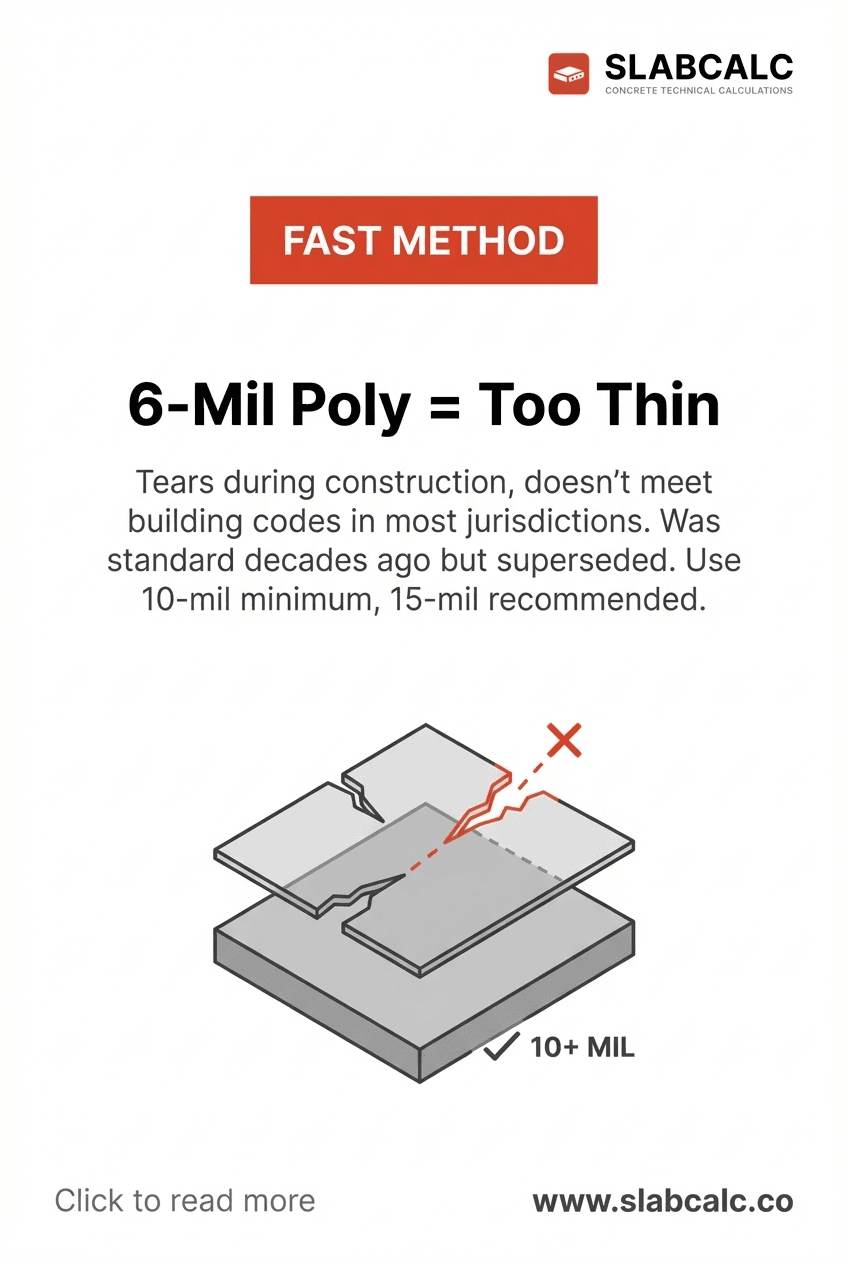
Why 6-Mil Poly Fails Under Concrete Slabs
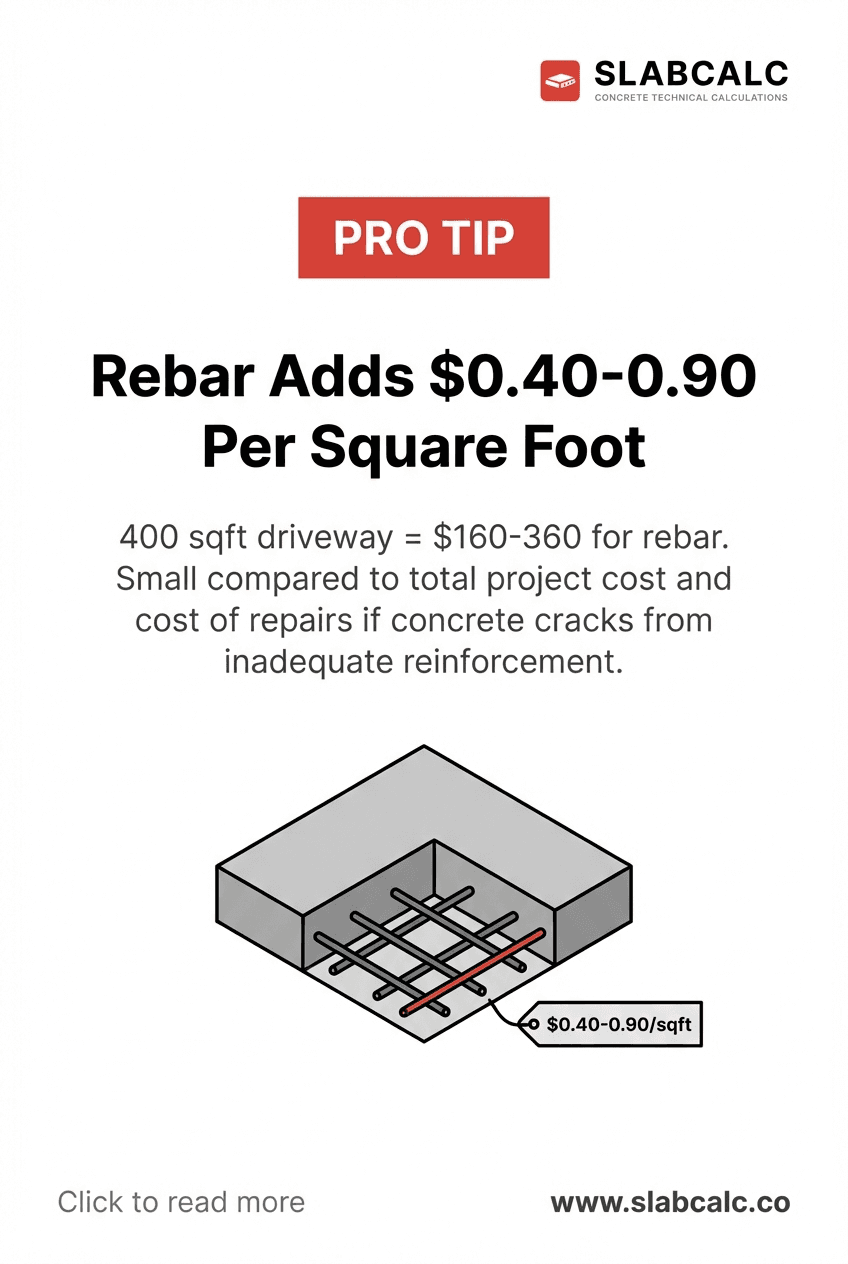
Why Rebar Costs Less Than Concrete Repair
Problems & Fixes
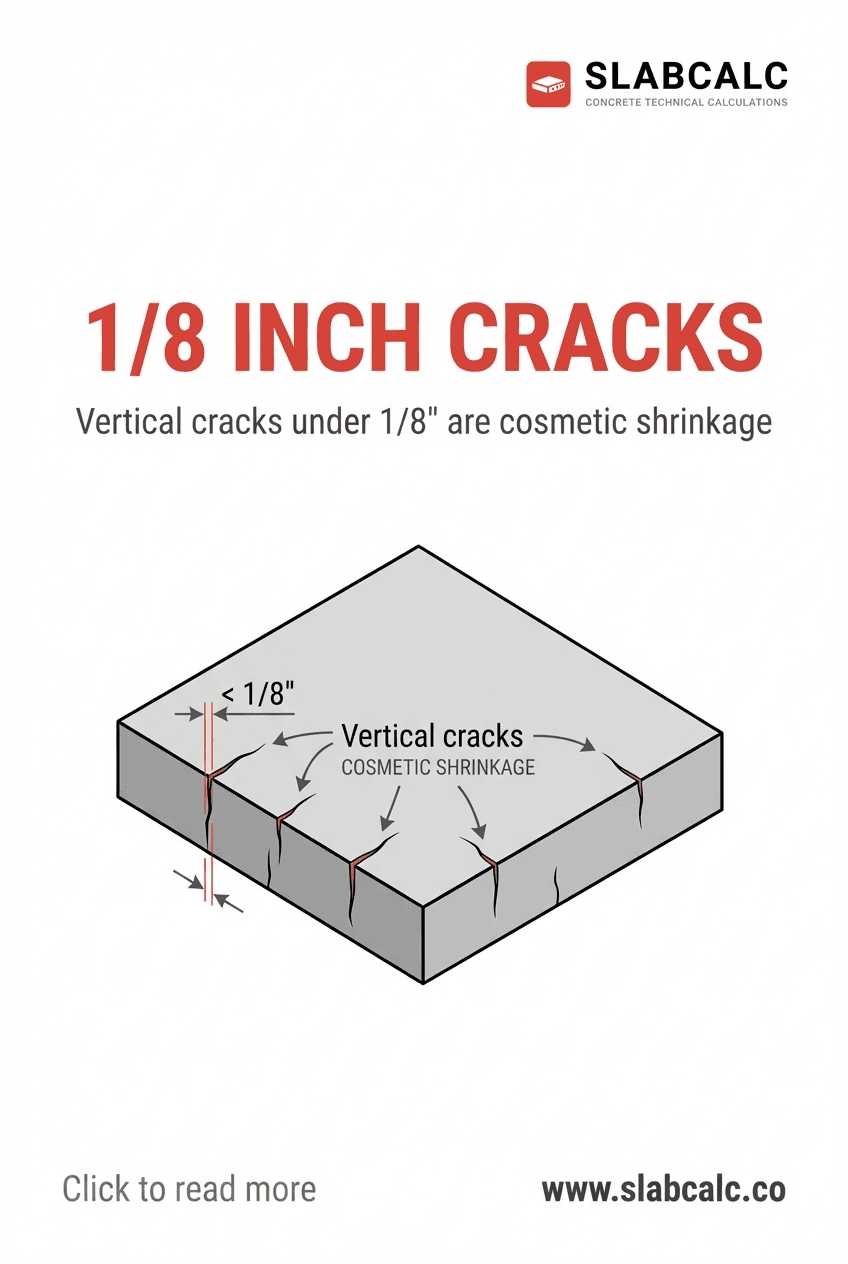
1/8 Inch Cracks: When Basement Concrete Damage Is Cosmetic
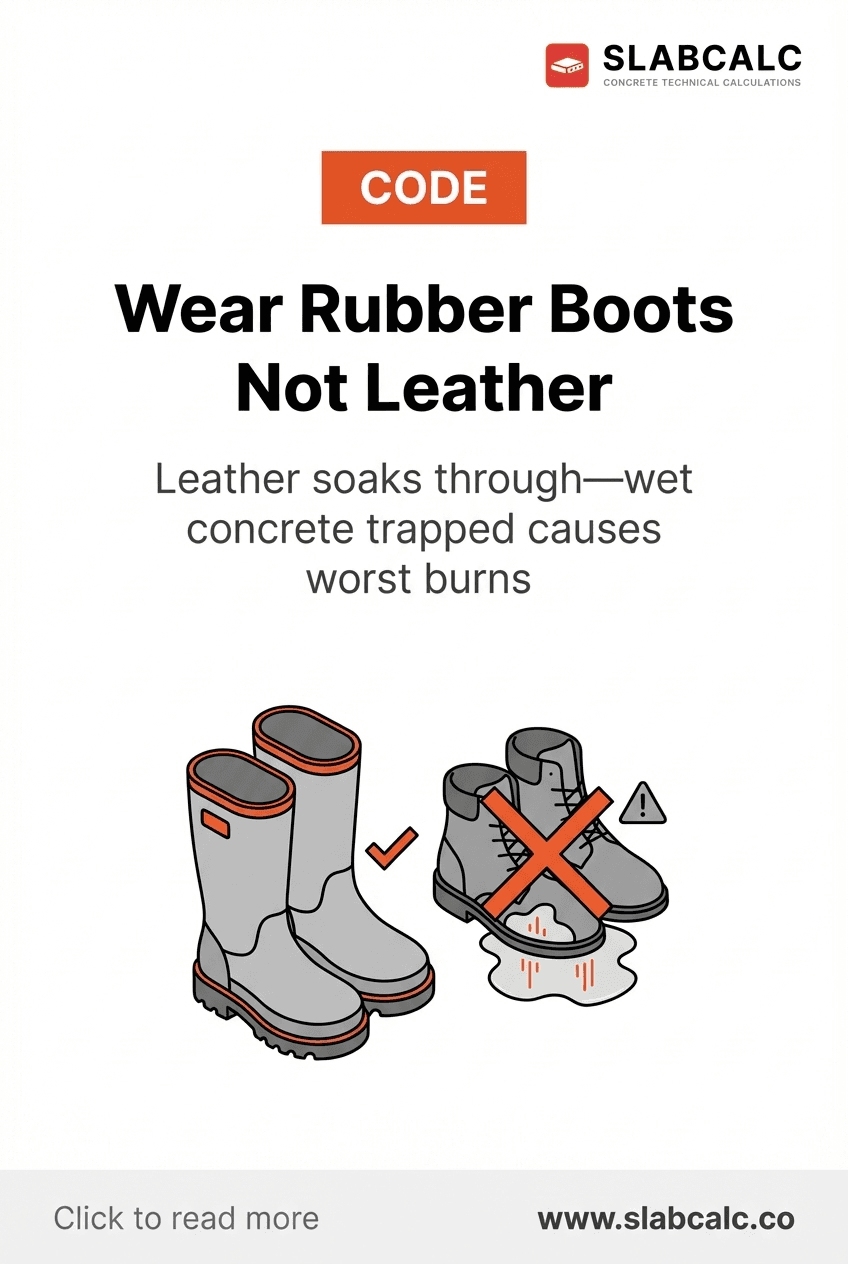
Why Rubber Boots Protect You From Concrete Burns Better Than Leather

Concrete Burns: Why Delayed Pain Costs You Thousands
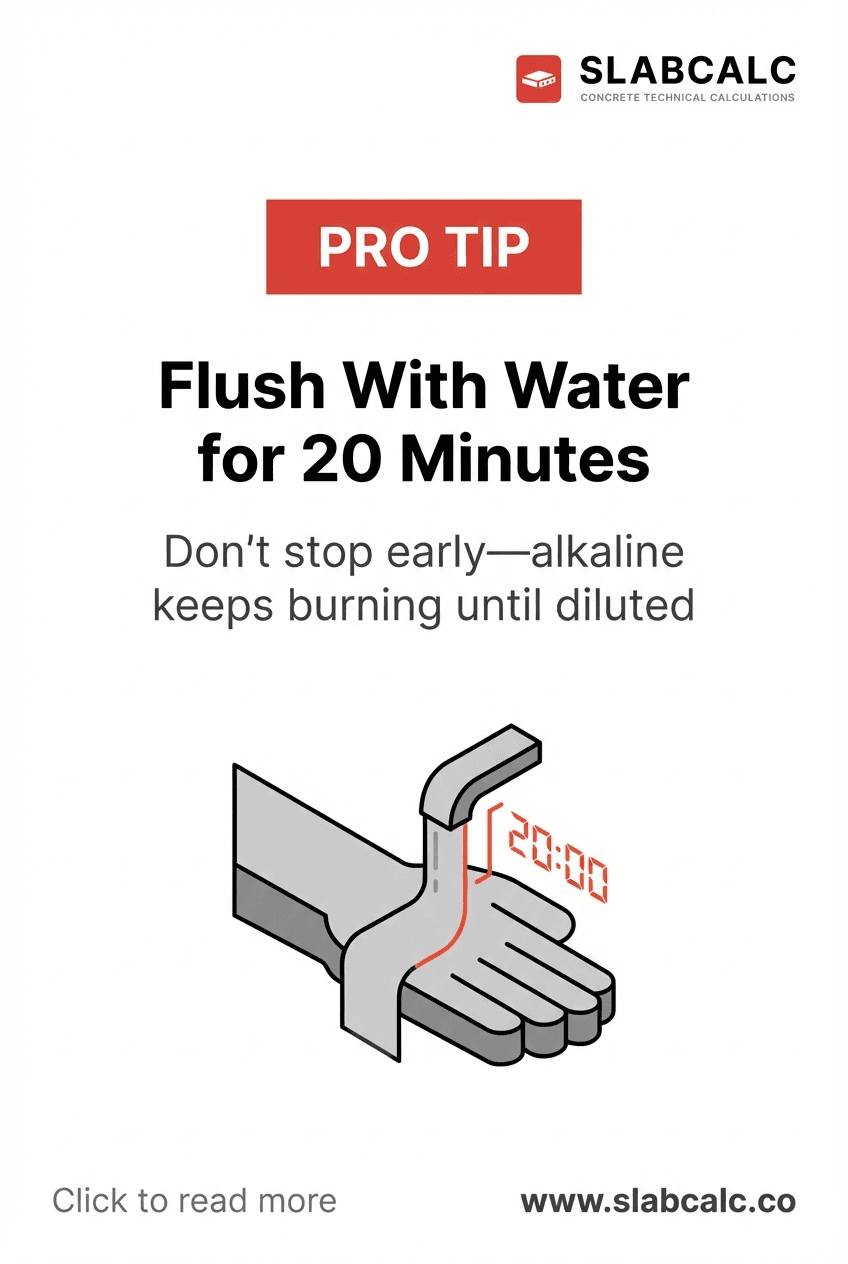
Concrete Burn Treatment: The 20-Minute Flush Rule
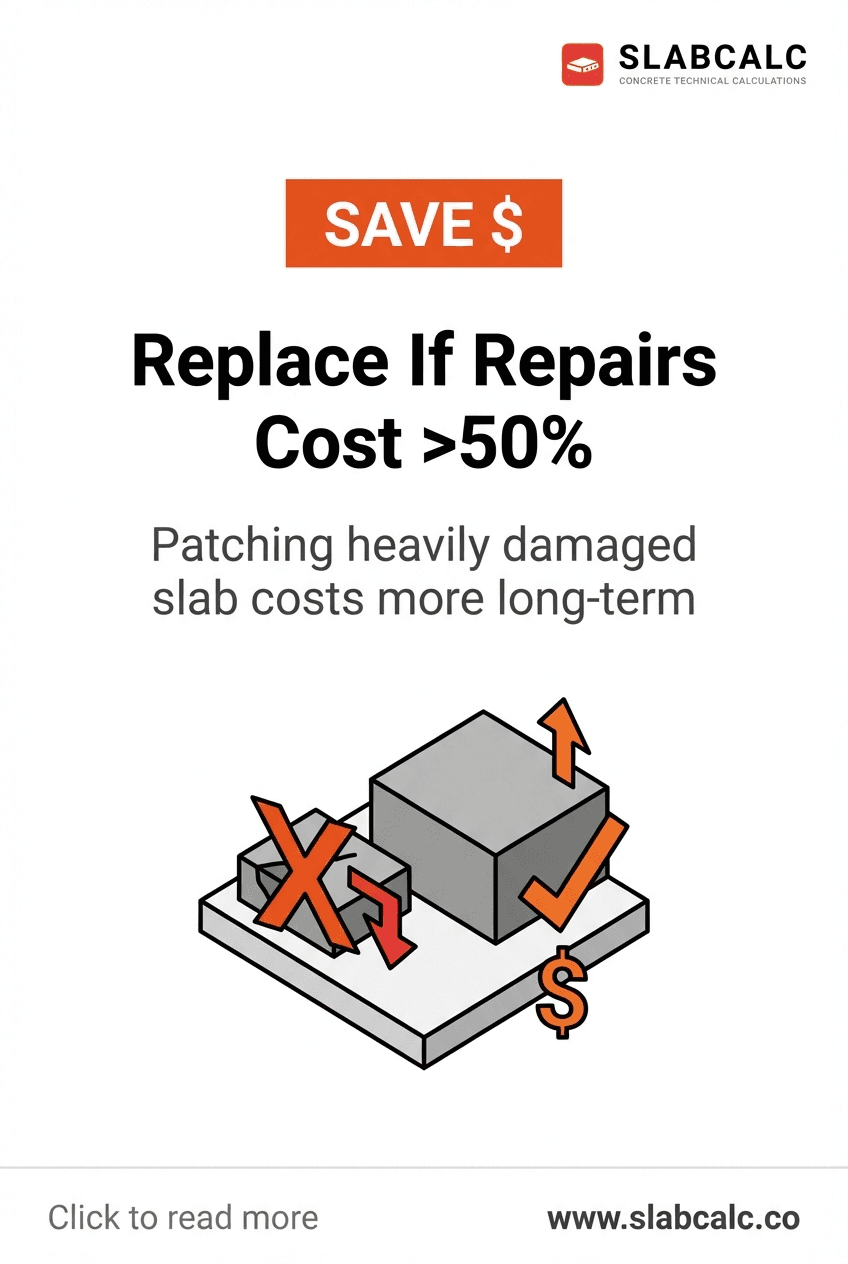
When to Replace vs. Repair Concrete: The 50% Rule
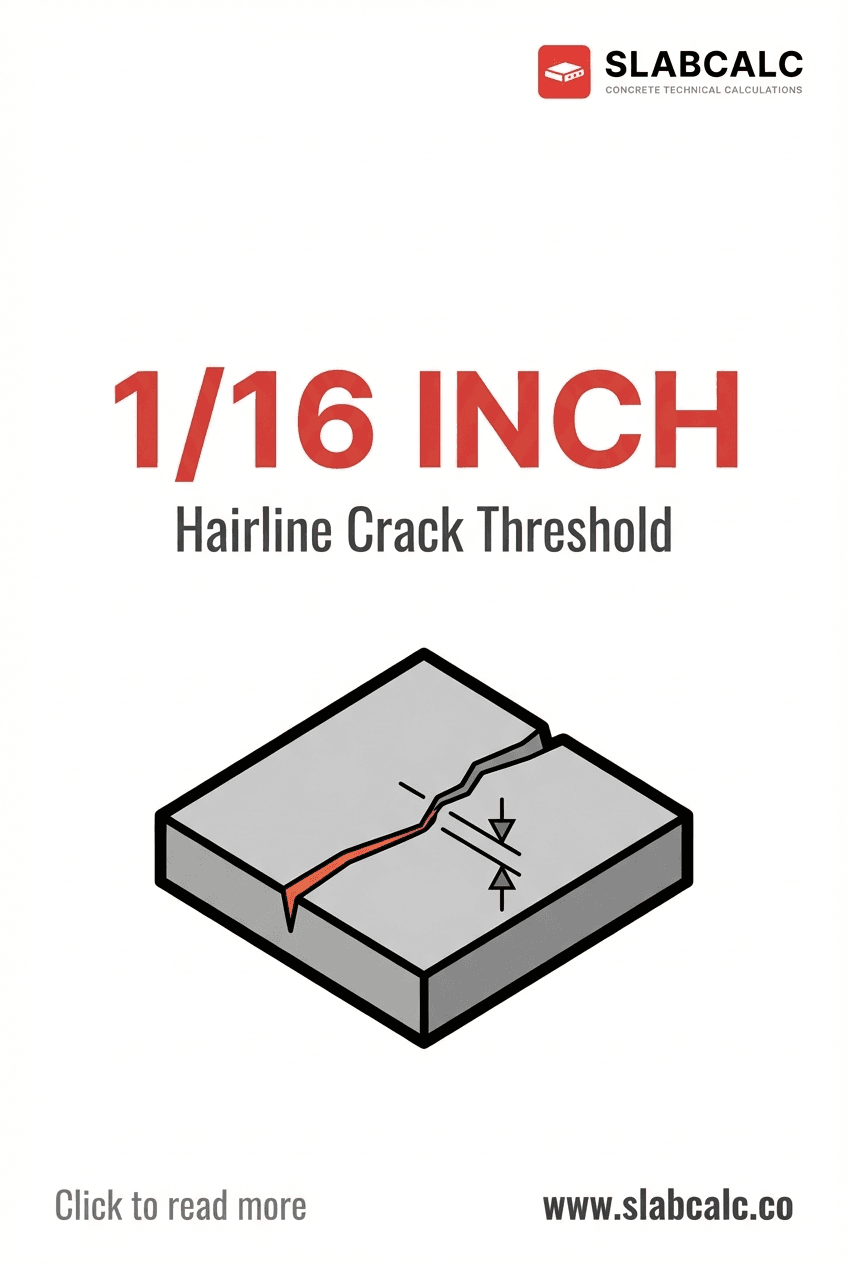
1/16 Inch: The Hairline Crack Threshold Explained
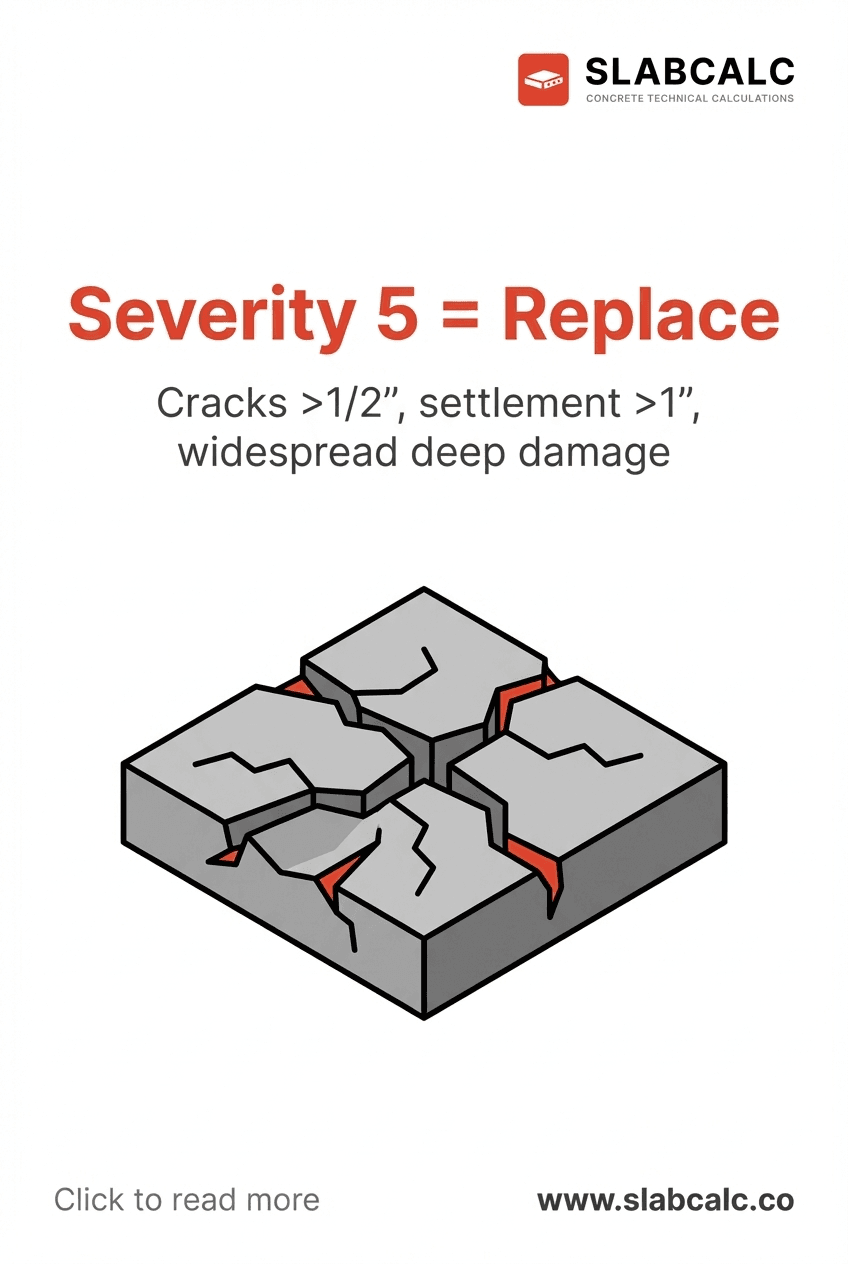
When to Replace Your Concrete Slab: Severity 5 Guide
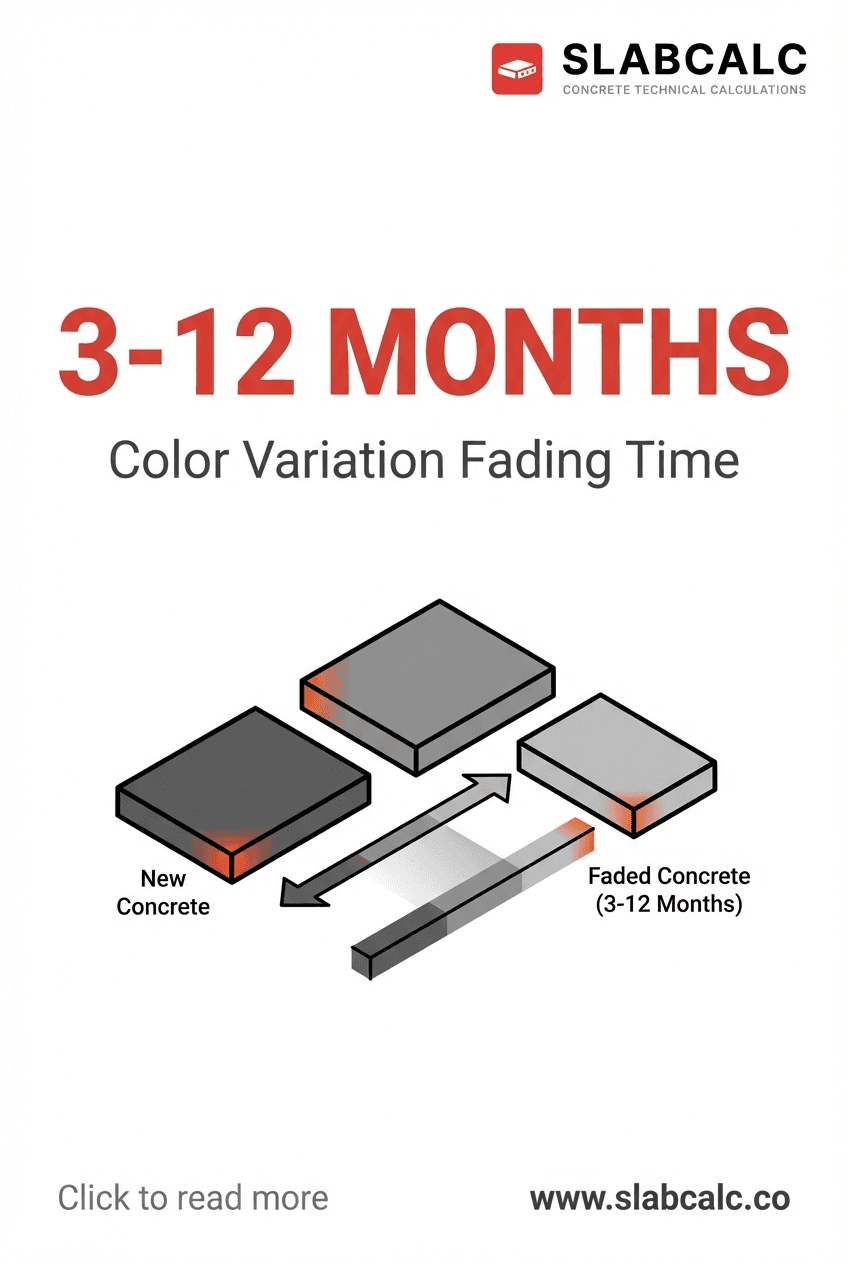
Color Variation Fading: Understanding the 3-12 Month Timeline

Oil Stain Removal: Use Degreaser Not Water on Concrete
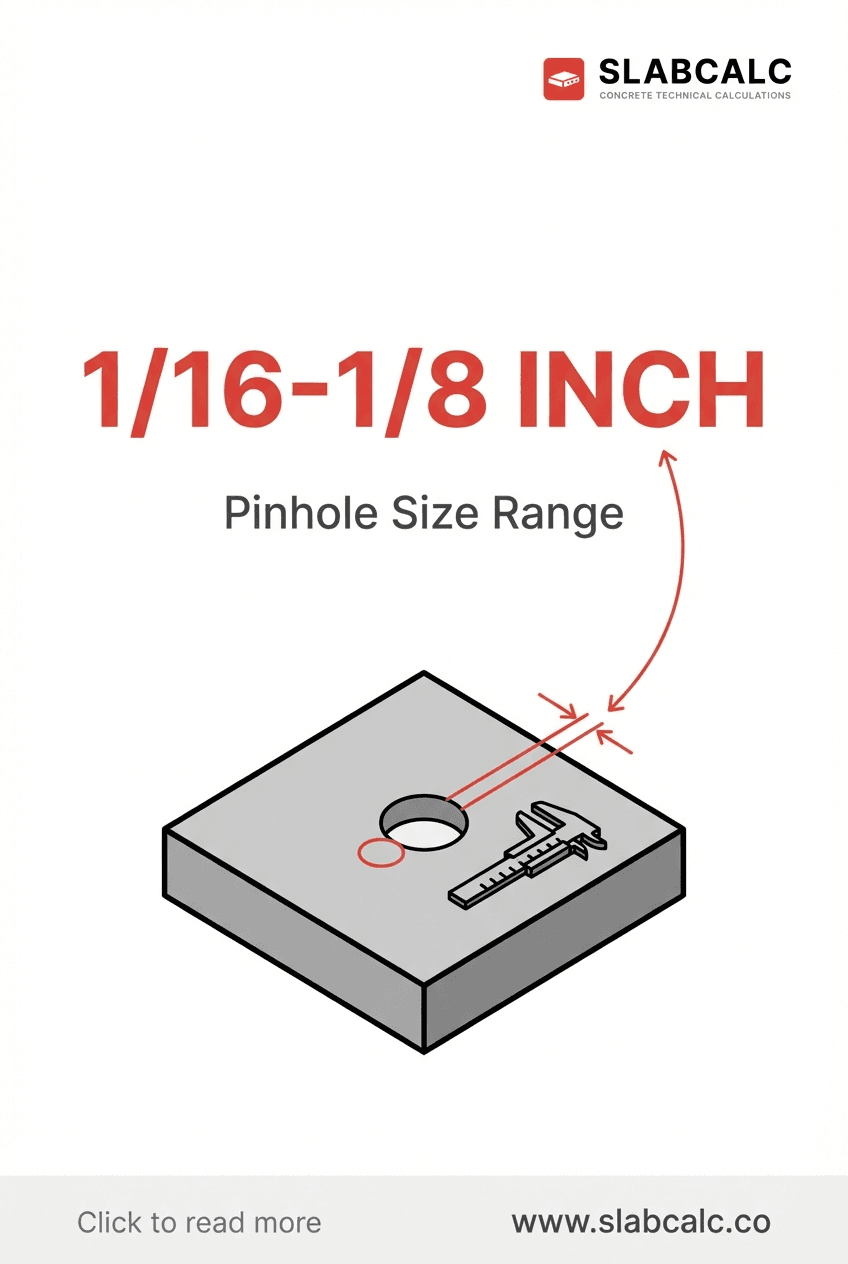
The 1/16-1/8 Inch Pinhole Fix: Concrete Surface Repair Guide
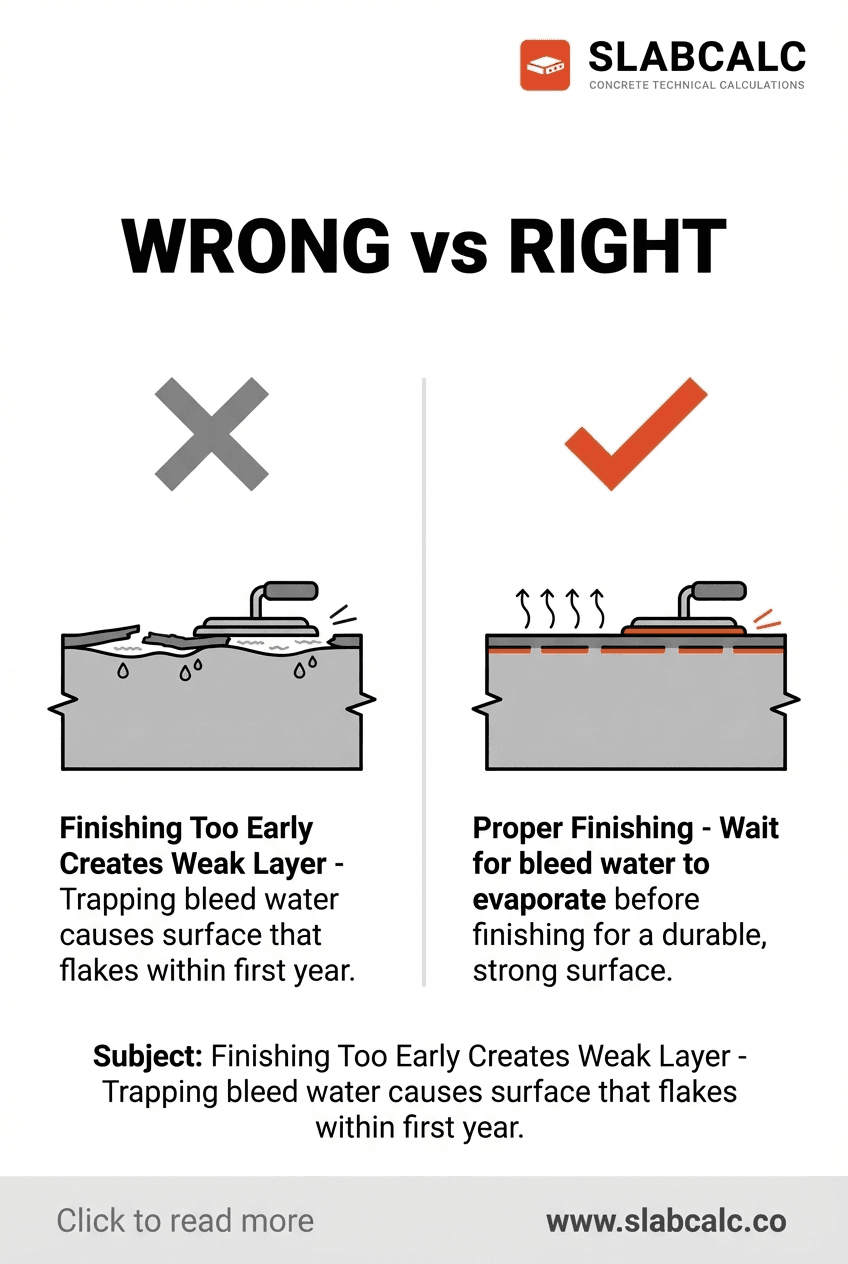
Why Finishing Concrete Too Early Causes Flaking and Peeling
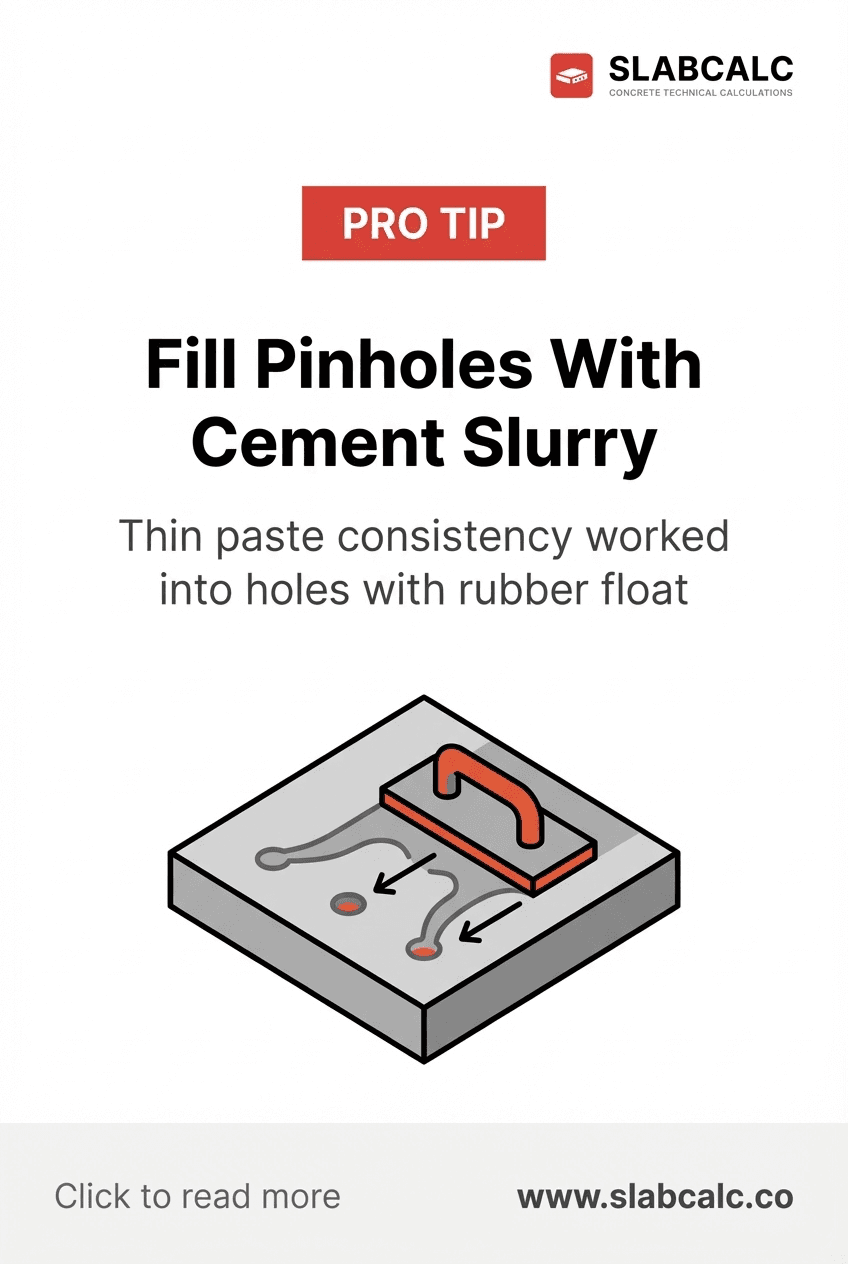
Fix Concrete Pinholes Fast With Cement Slurry
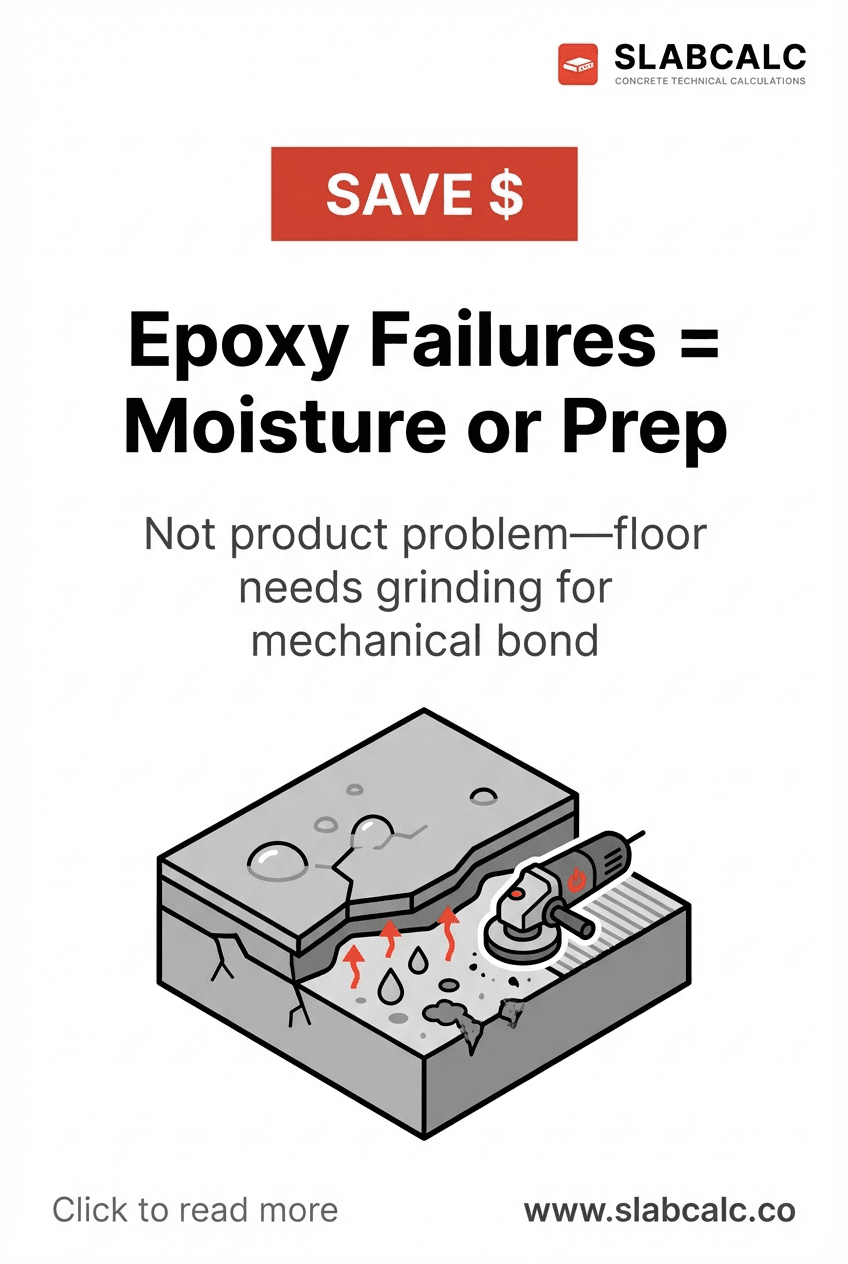
Why Epoxy Fails on Concrete Floors: Moisture and Surface Prep
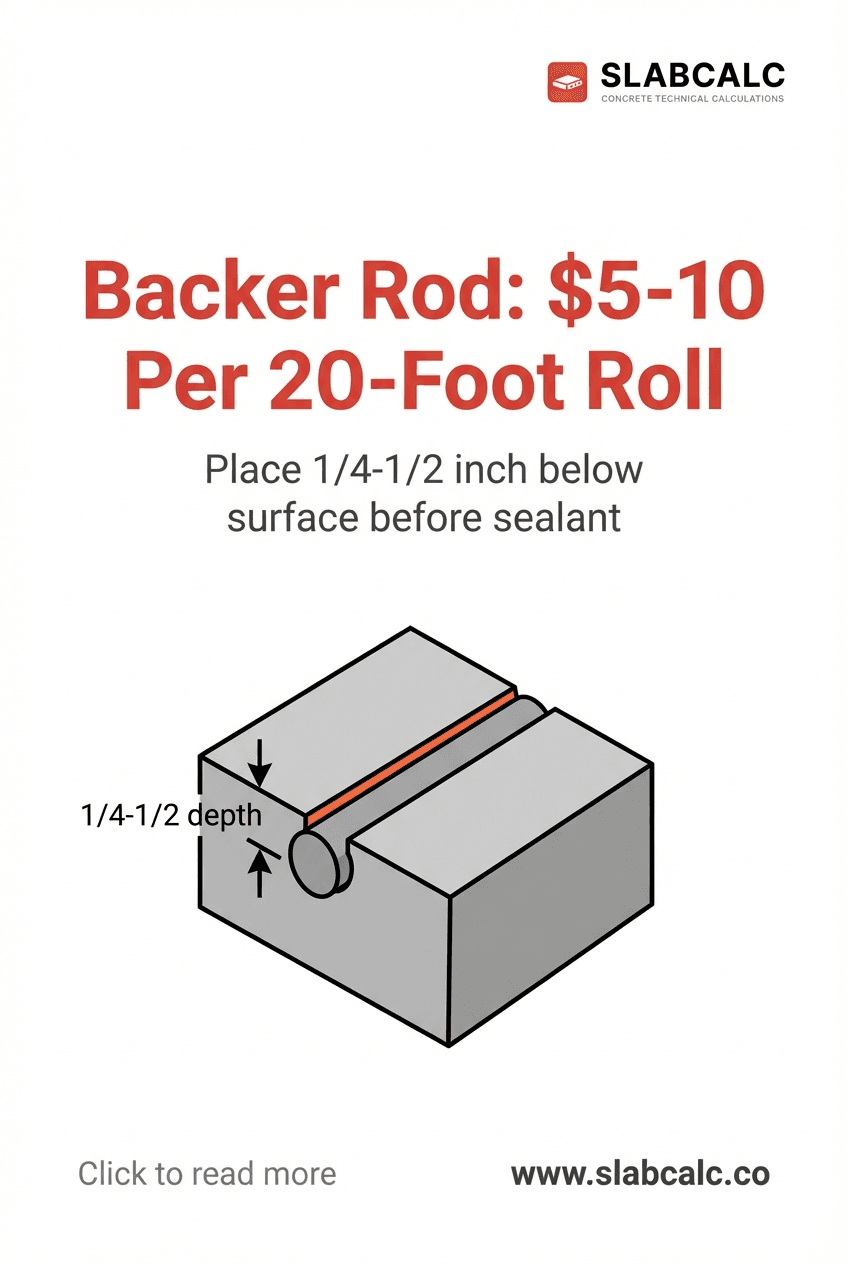
Backer Rod Spec: Why 1/4-1/2 Inch Below Surface Matters
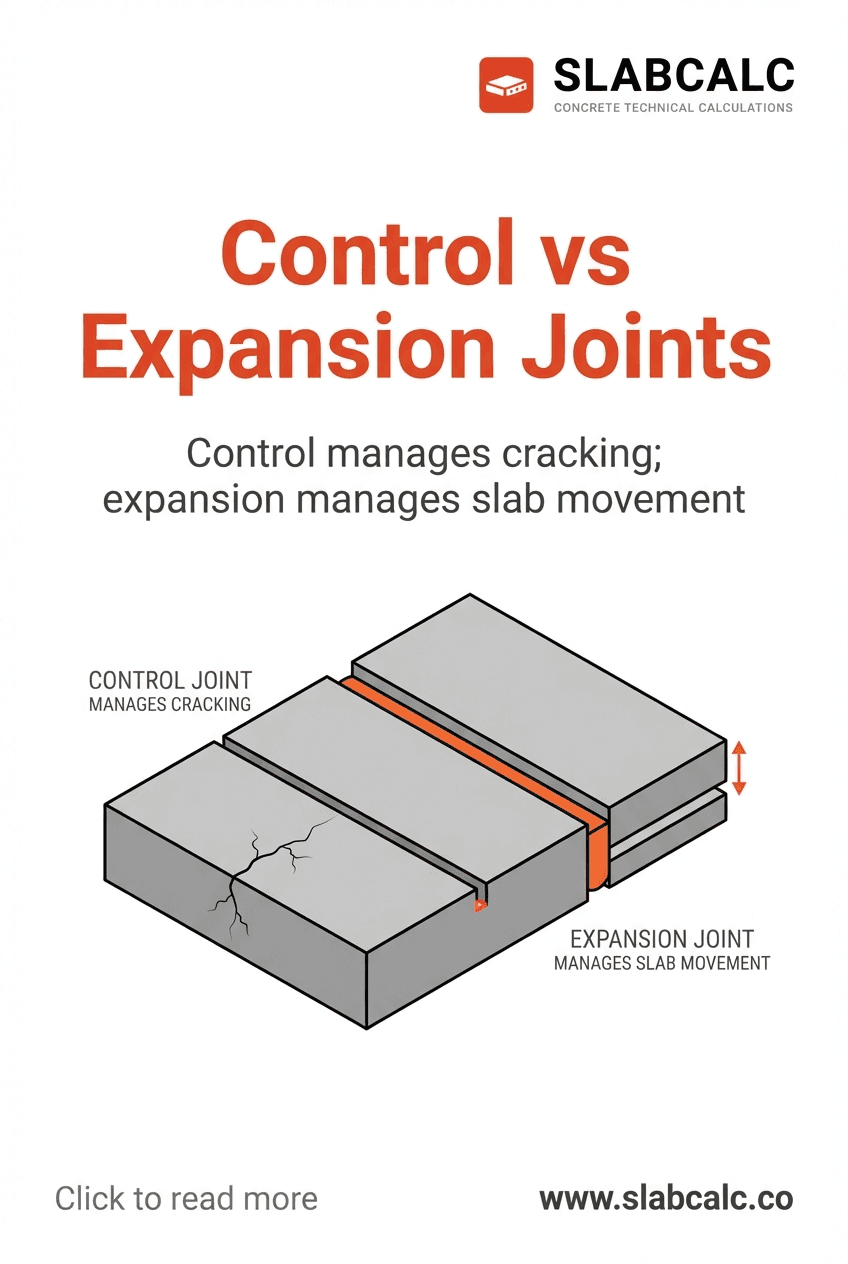
Control vs Expansion Joints: Why Confusing Them Ruins Concrete
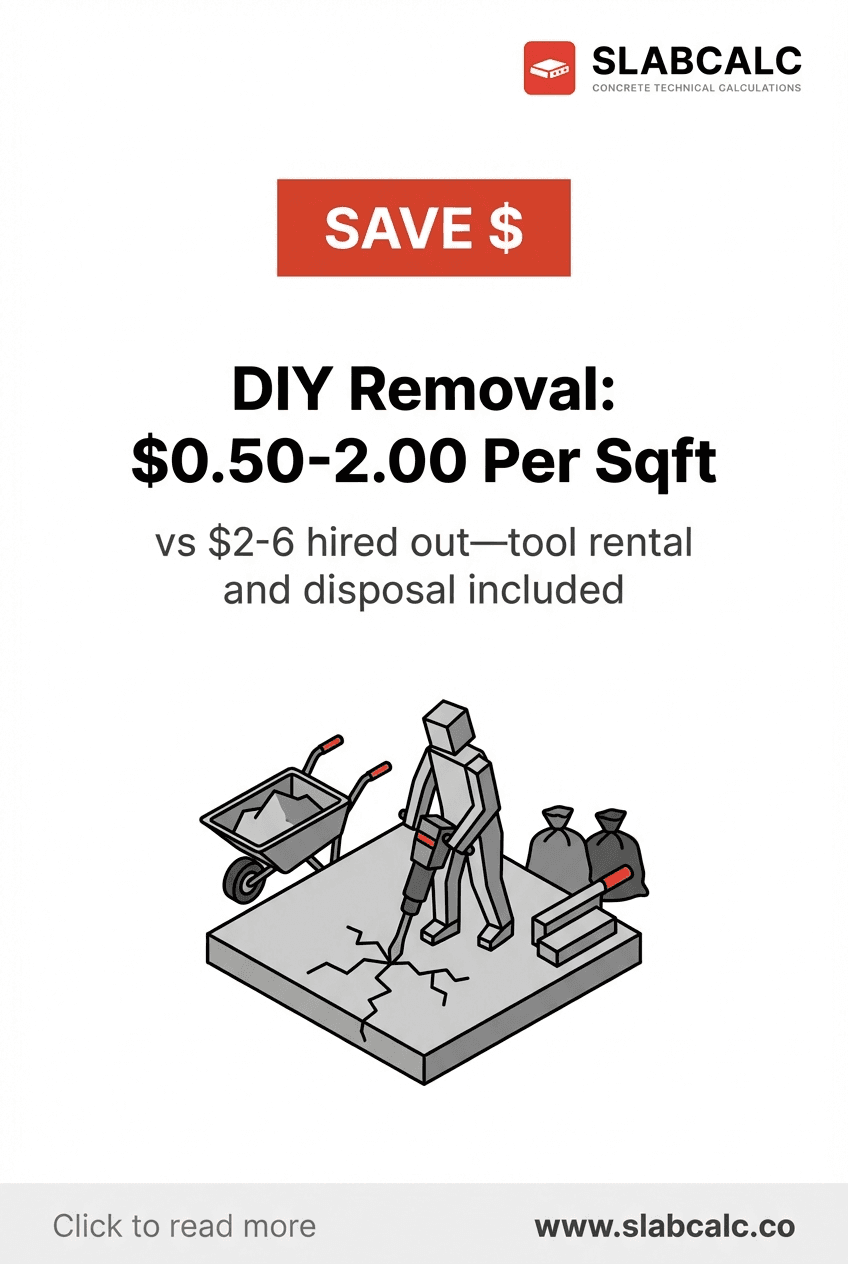
DIY Concrete Removal Costs: Save $1.50-4.00 Per Square Foot
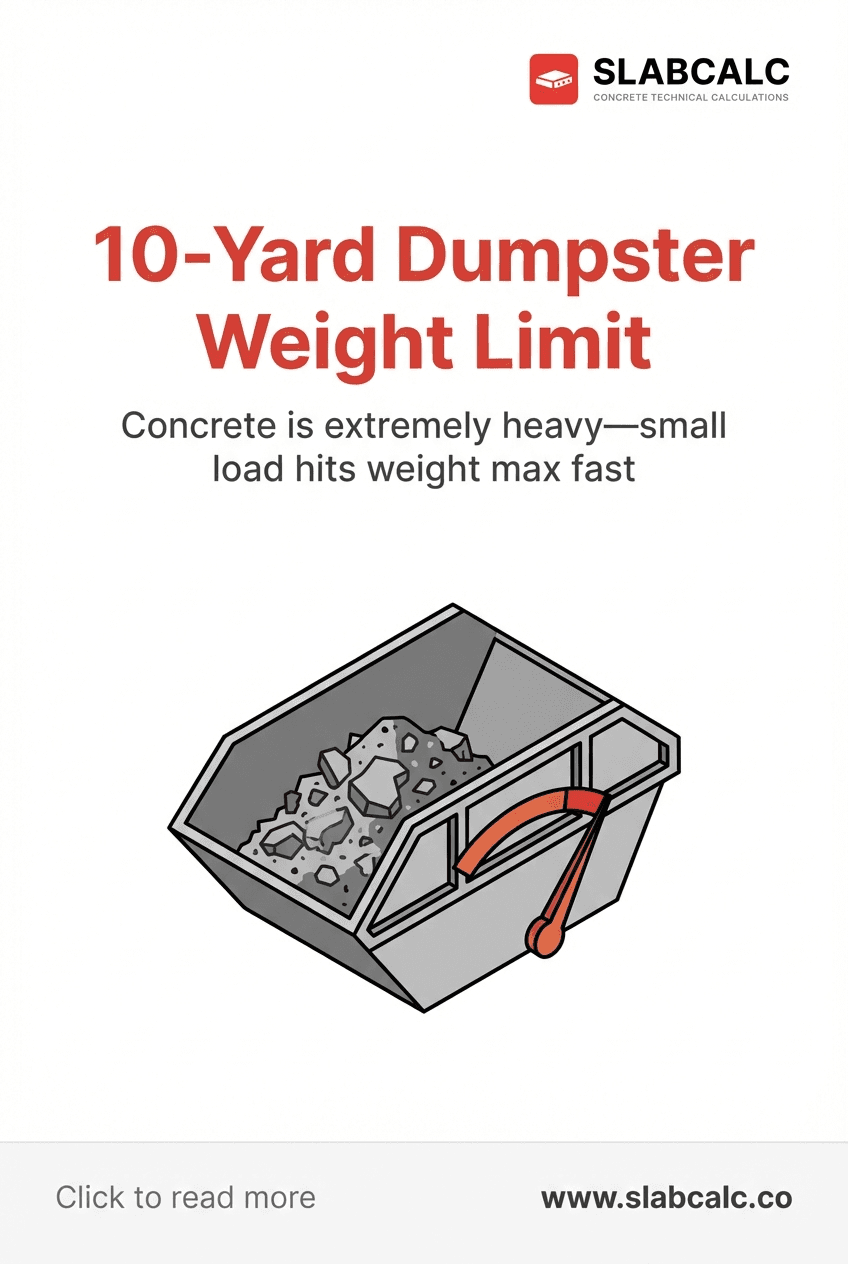
10-Yard Dumpster Weight Limit: Why Concrete Removal Costs More
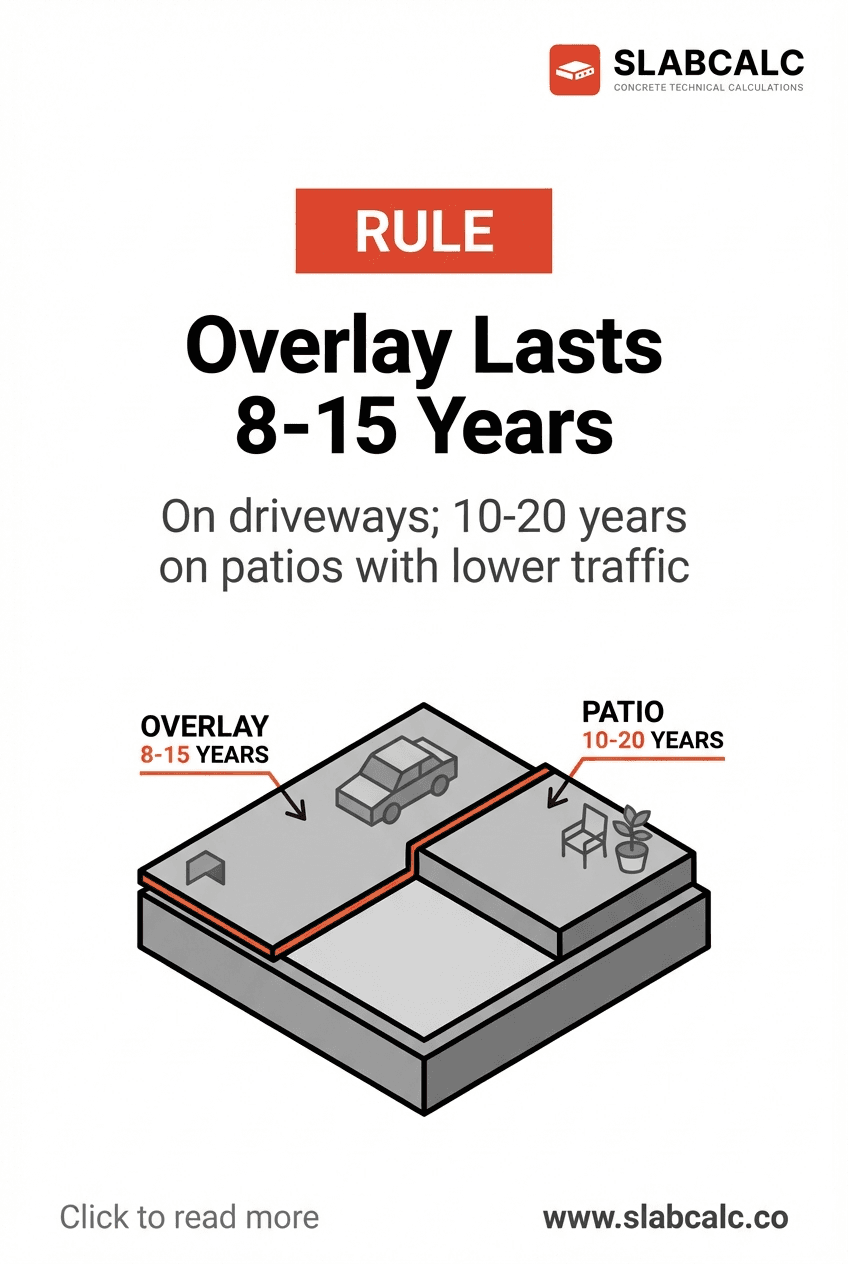
Concrete Overlay Lifespan: Decision Guide for Homeowners
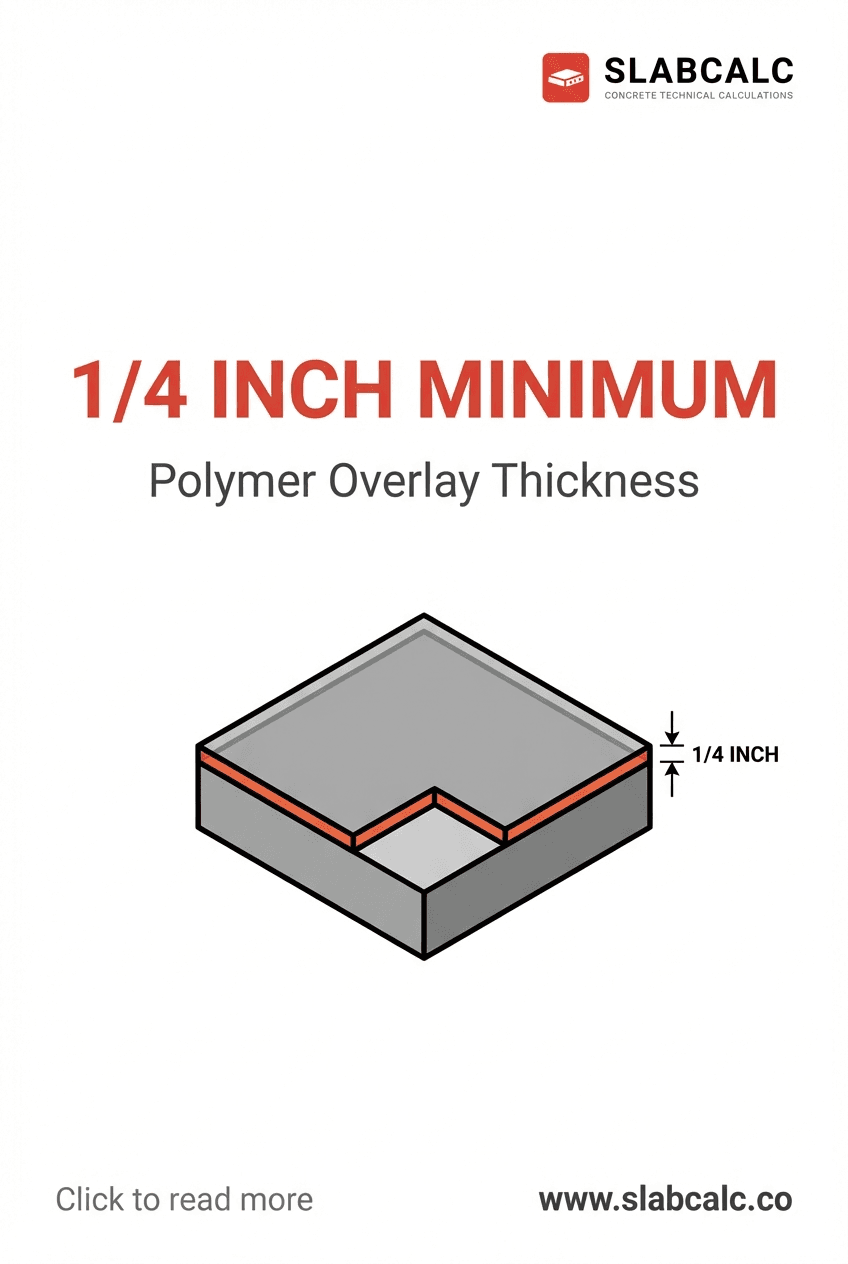
Polymer Overlay Thickness: Why 1/4 Inch Matters for Concrete Resurfacing
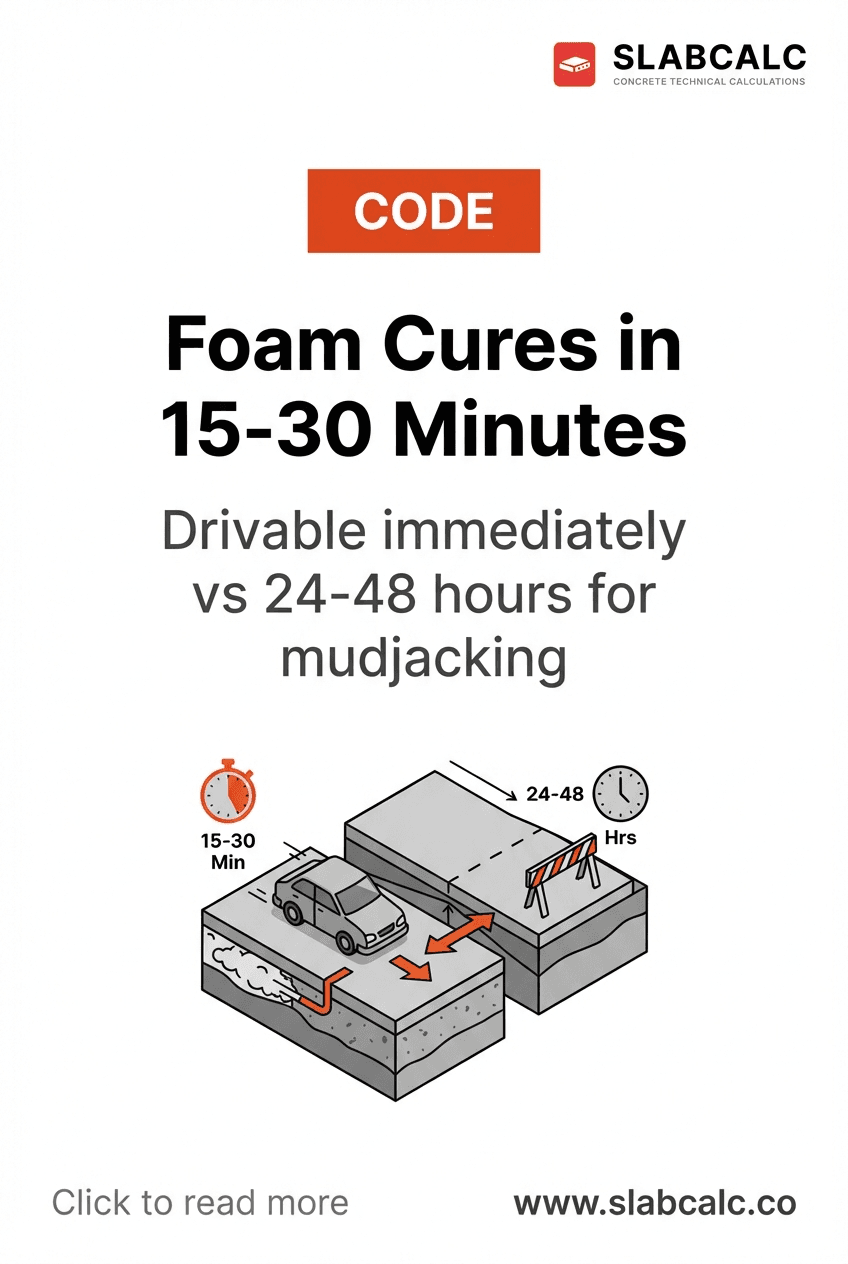
Foam Leveling vs Mudjacking: Speed and Code Requirements
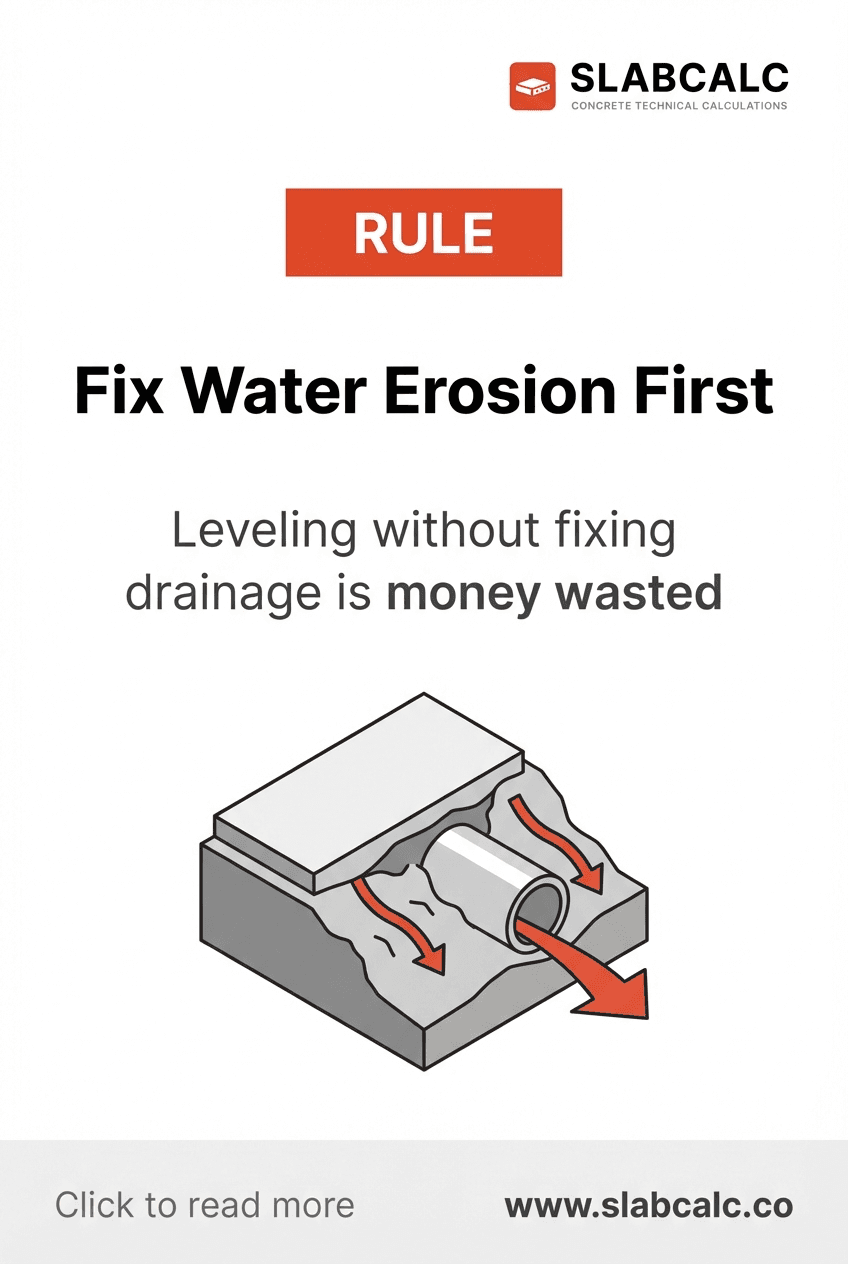
Fix Water Erosion Before Releveling Your Concrete Slab
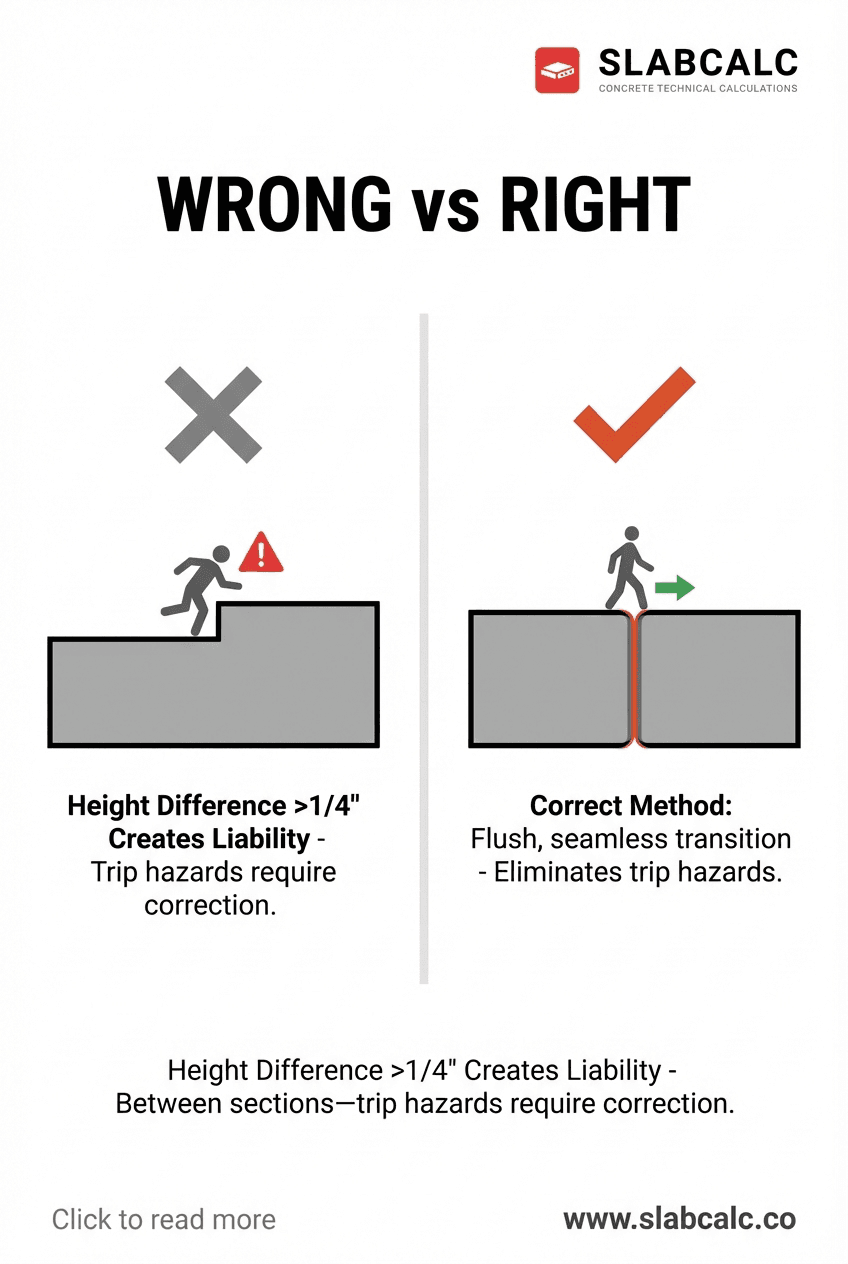
Height Difference Over 1/4 Creates Liability: Trip Hazard Fixes
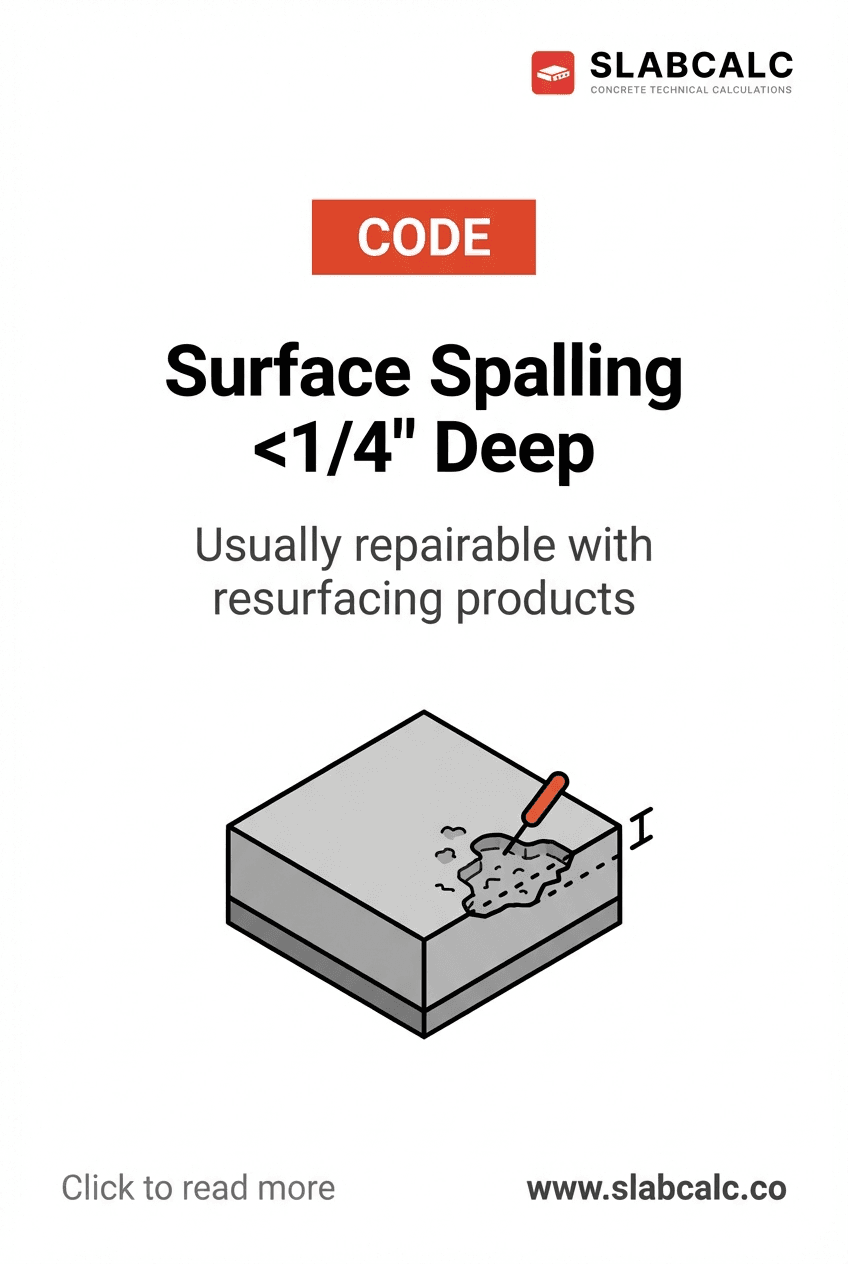
Surface Spalling Repair: Code Requirements & Resurfacing Solutions
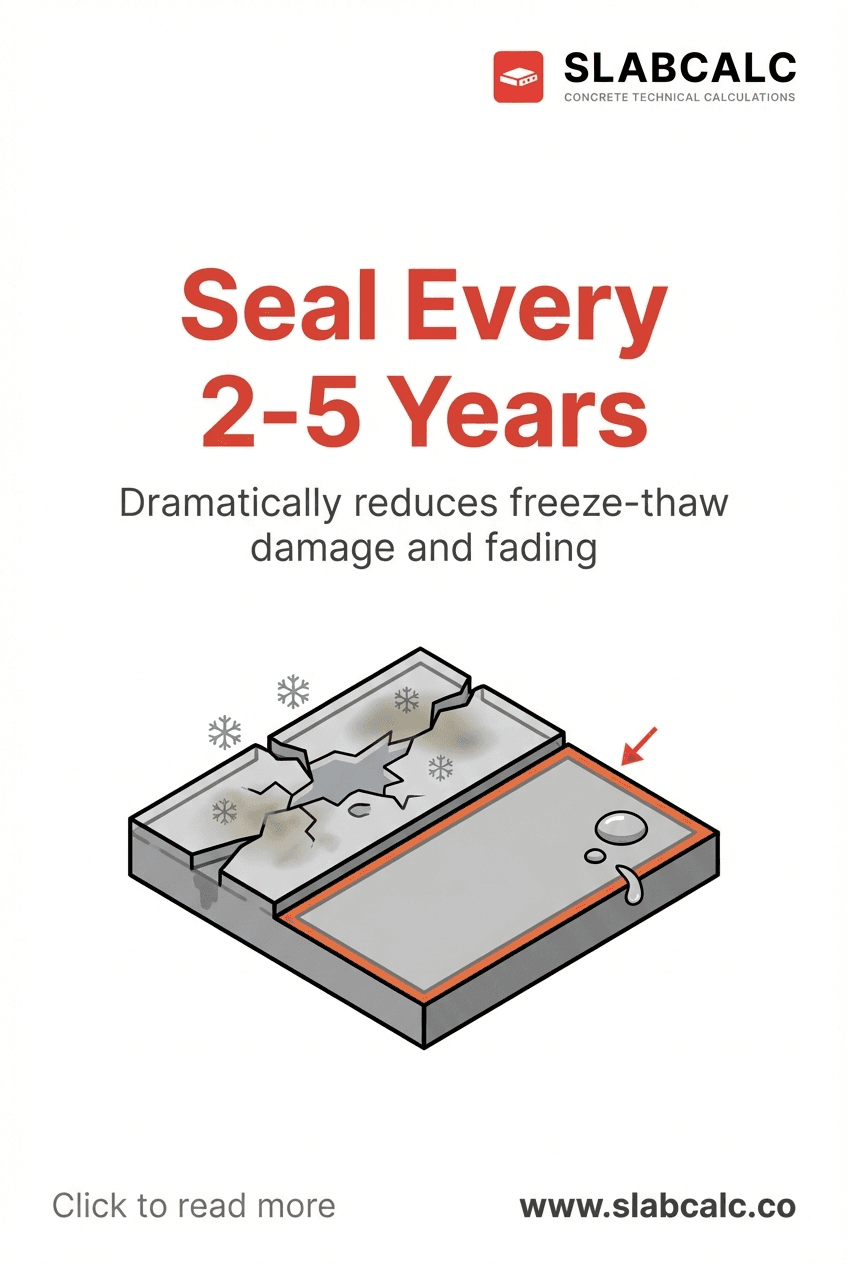
Concrete Sealing Spec: Protect Slabs Every 2-5 Years

Air-Entrained Concrete: The Professional Secret to Stop Freeze-Thaw Spalling
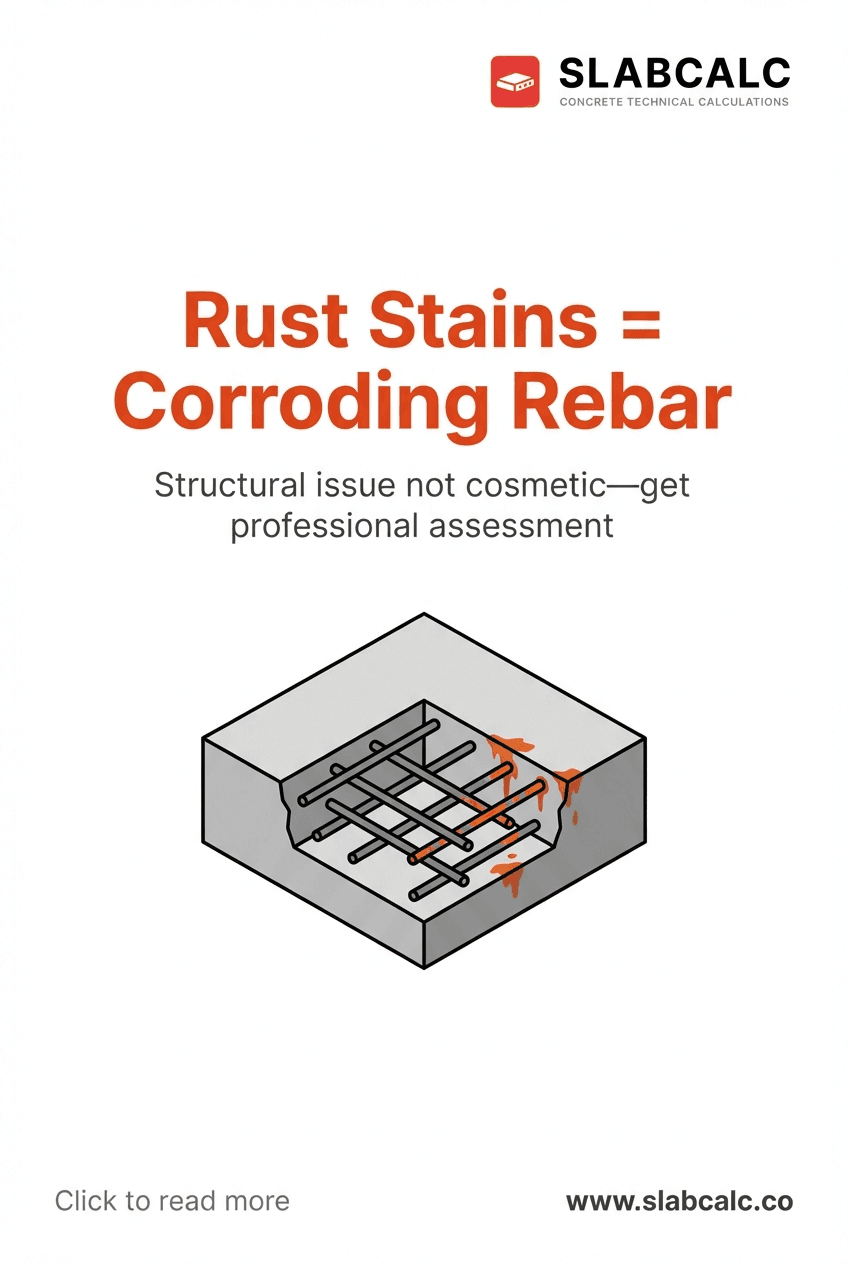
Rust Stains on Concrete: Why Corroding Rebar Is a Structural Crisis
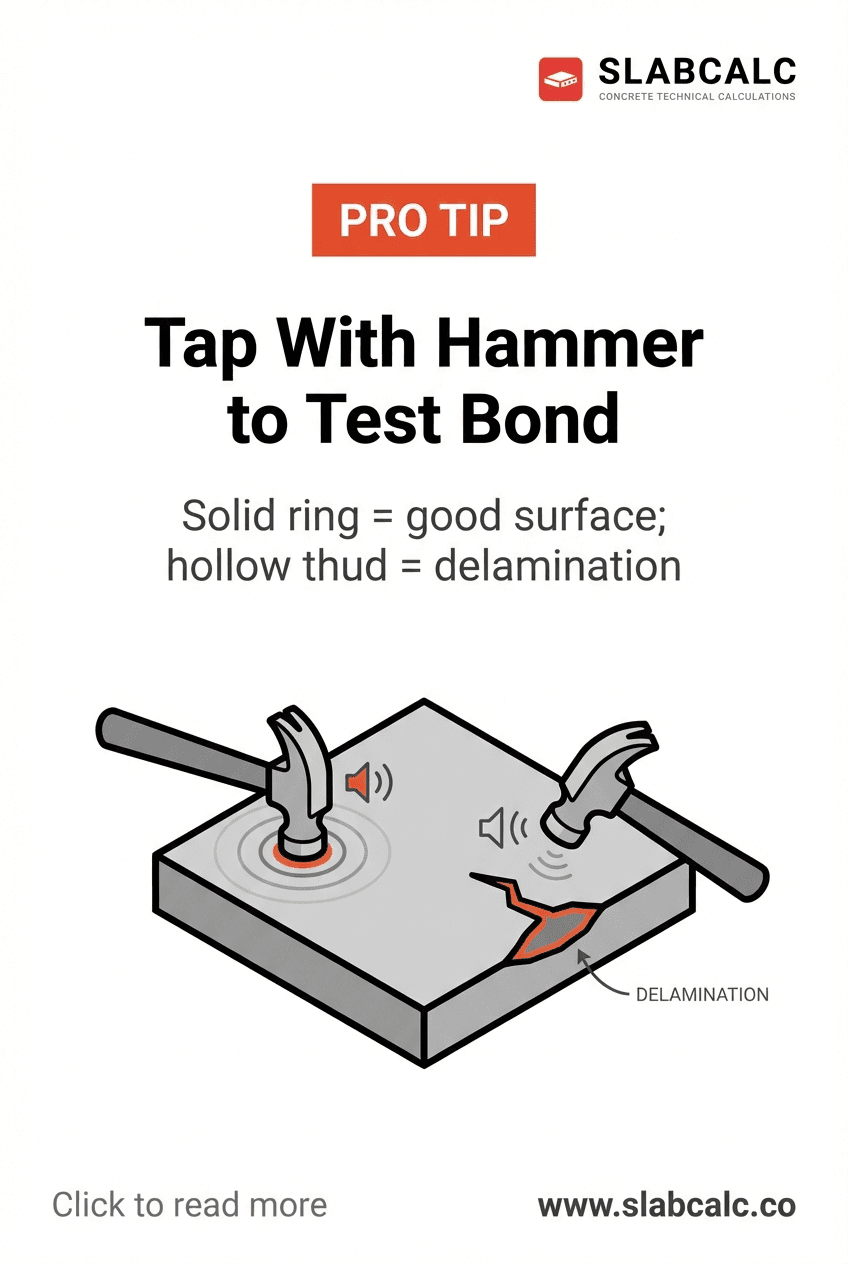
Tap With Hammer to Test Bond: Detect Delamination Early
The 24-Hour Window for Fresh Concrete Oil Stains
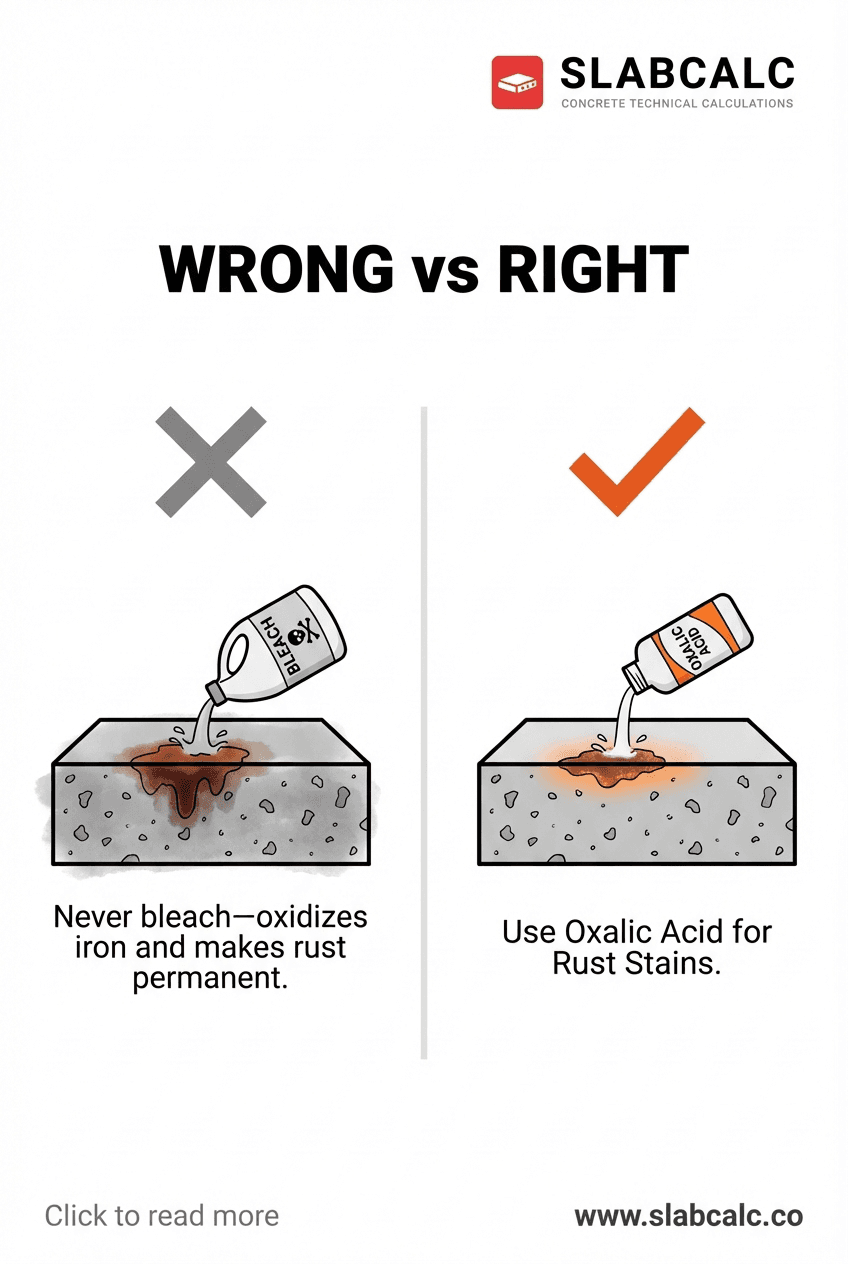
Remove Rust Stains from Concrete: The Oxalic Acid Method
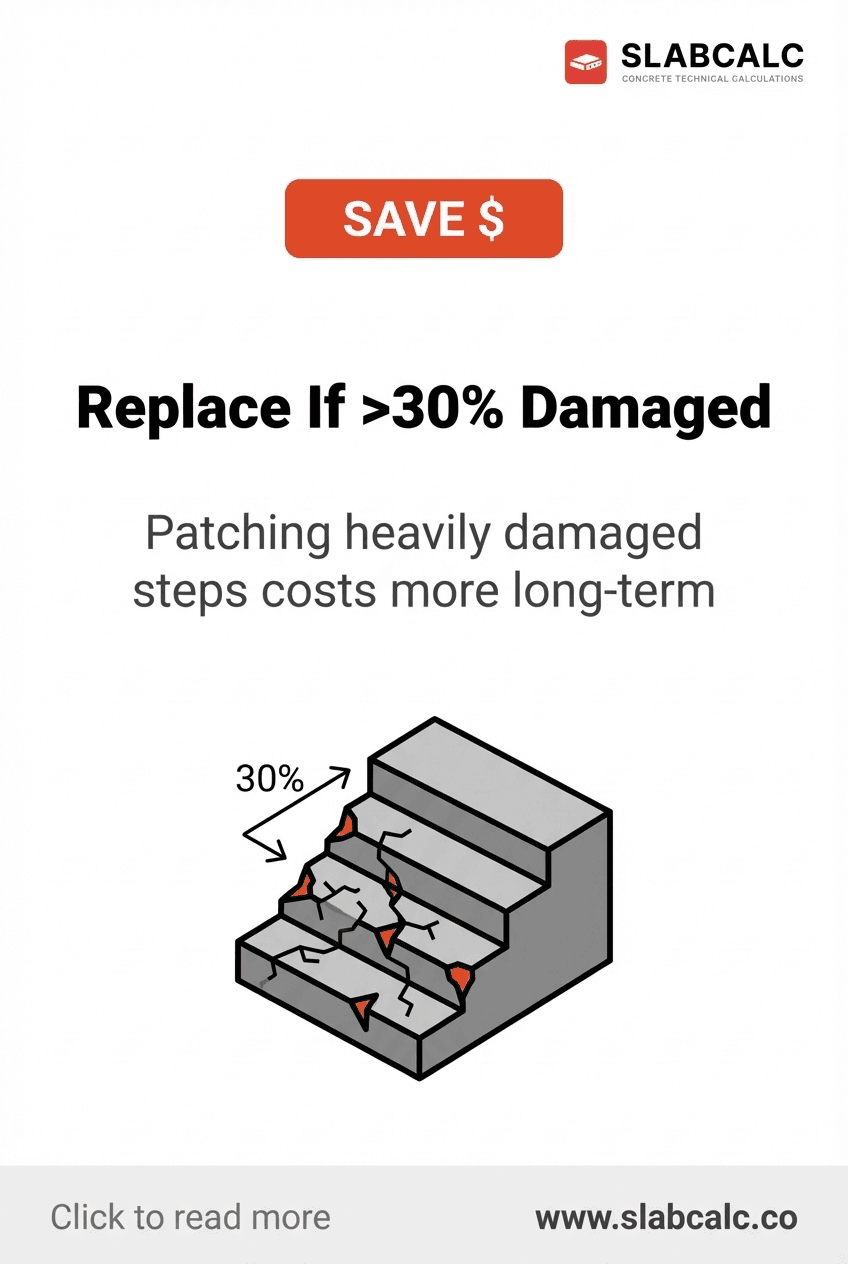
Concrete Steps Repair: When to Replace vs. Patch
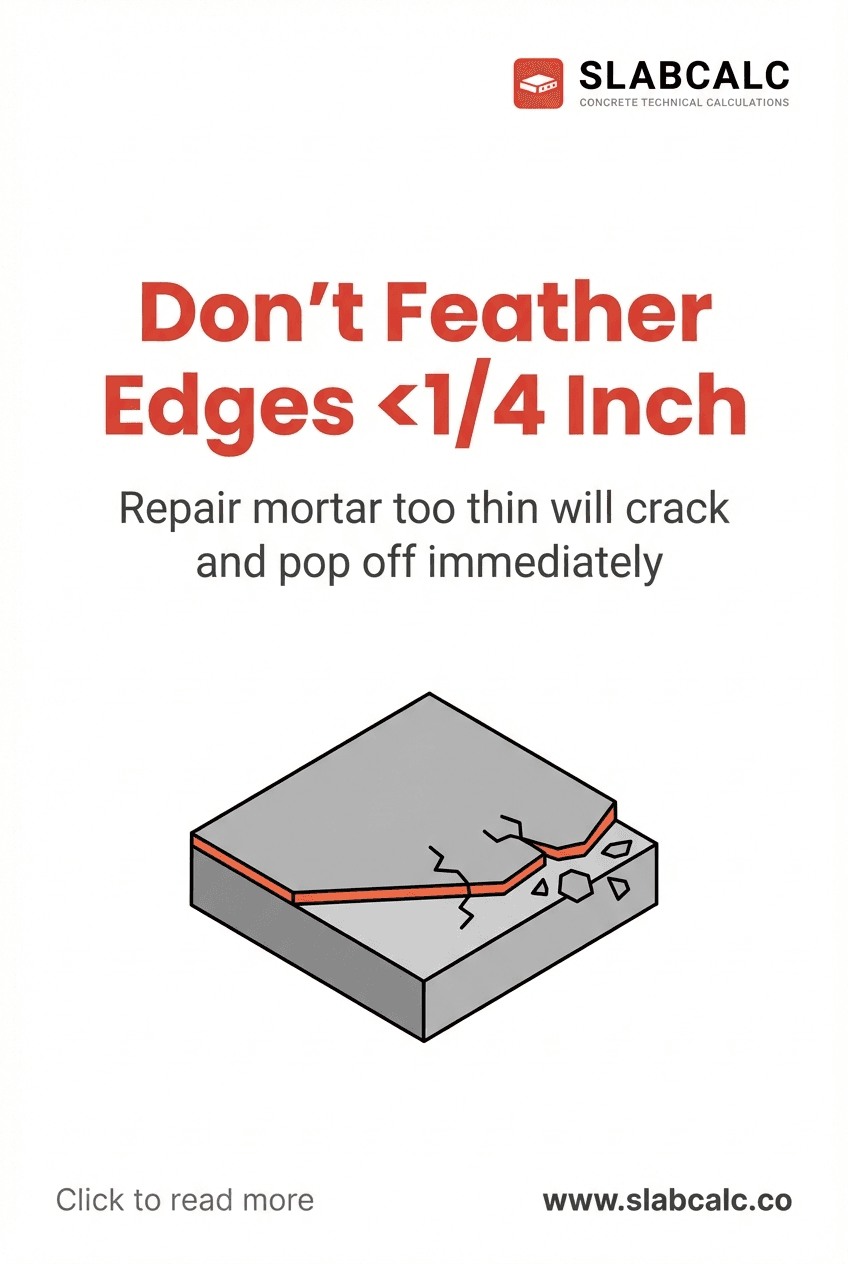
Why Thin Repair Mortar Fails: The 1/4 Inch Rule
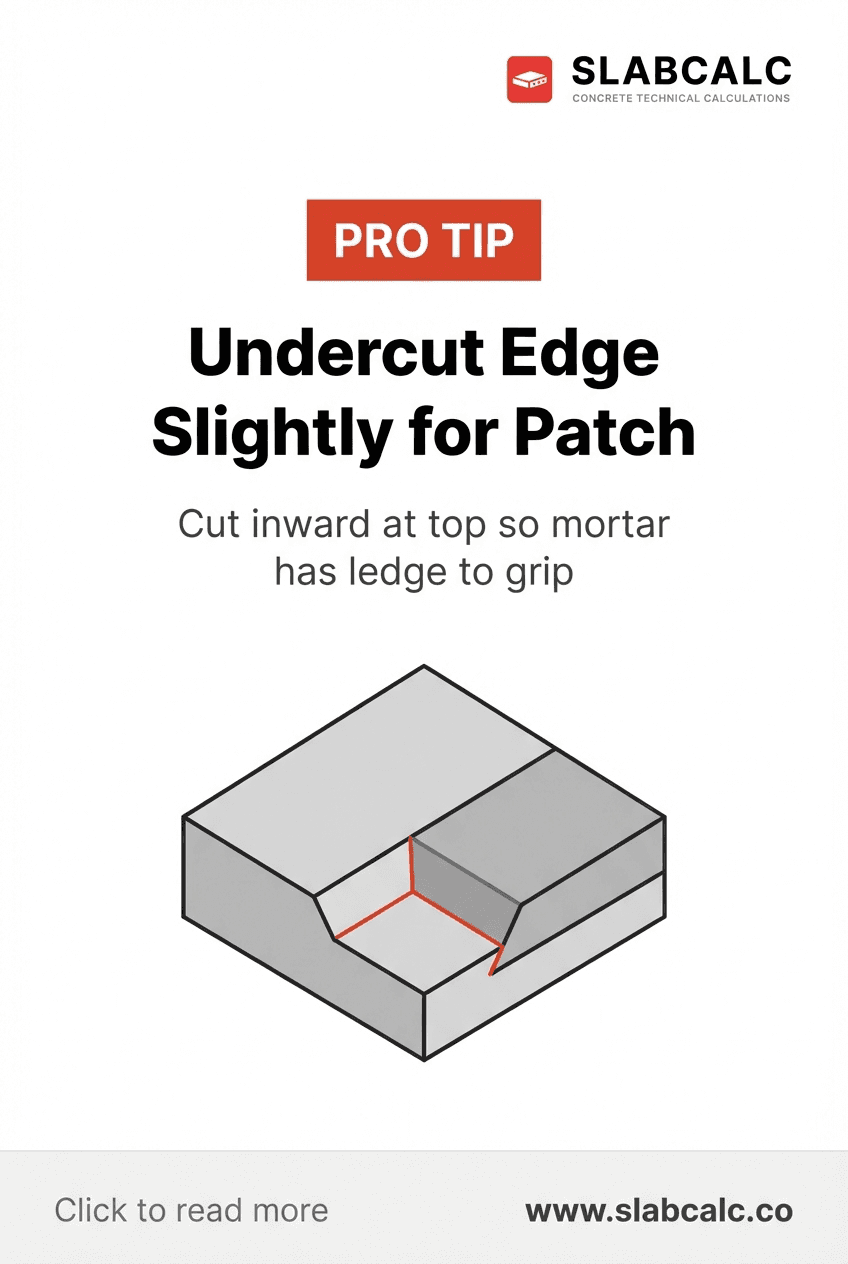
Why Your Concrete Patch Fails (And How Pros Fix It)
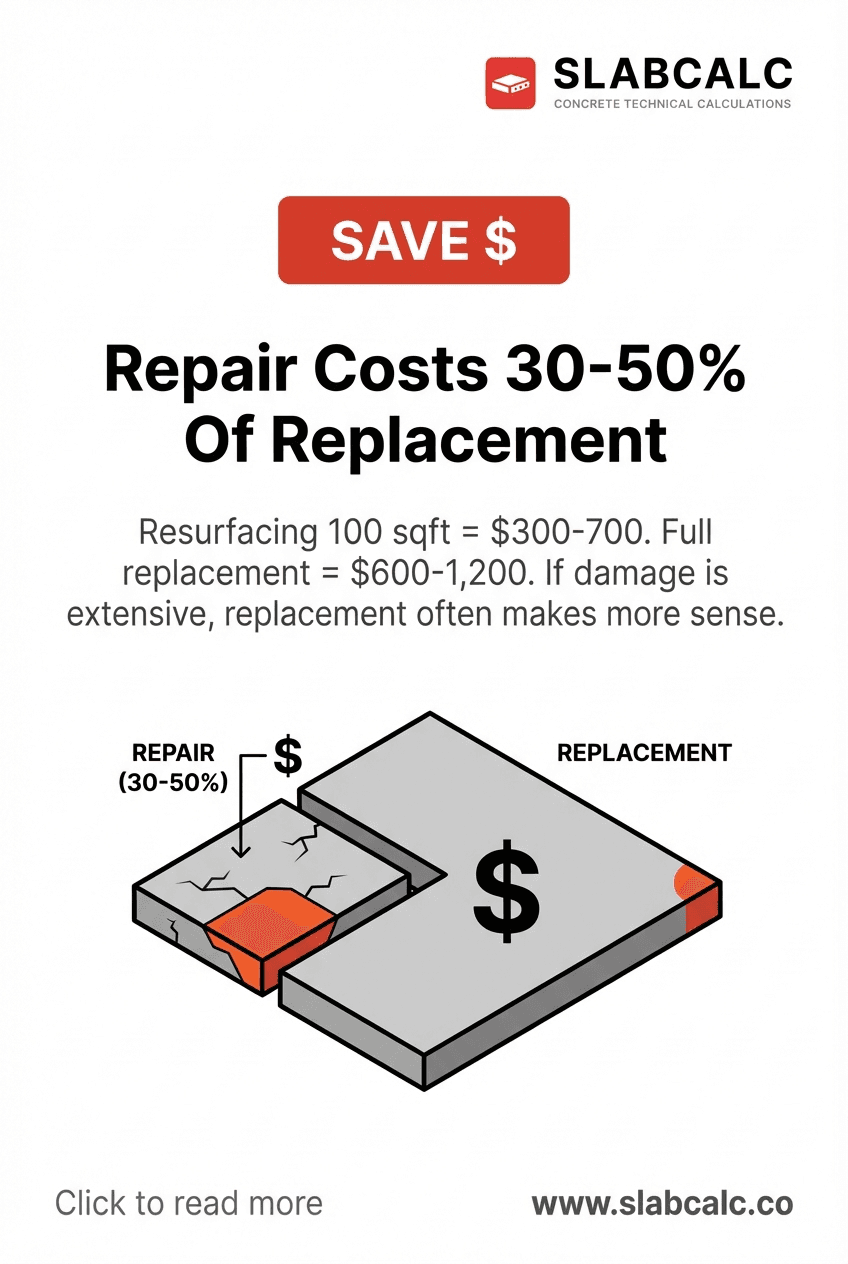
Concrete Repair vs. Replacement: The Real Cost Breakdown
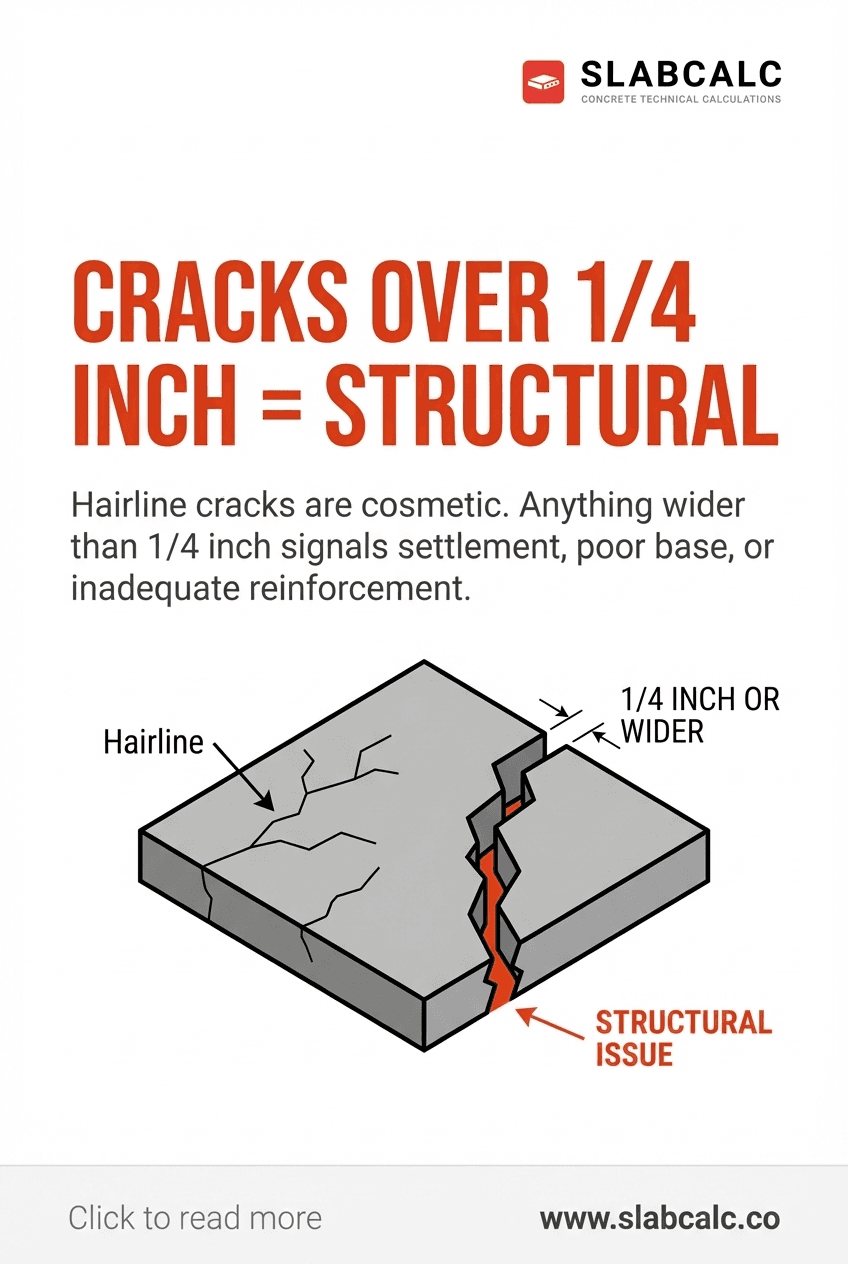
When Concrete Cracks Mean Structural Failure
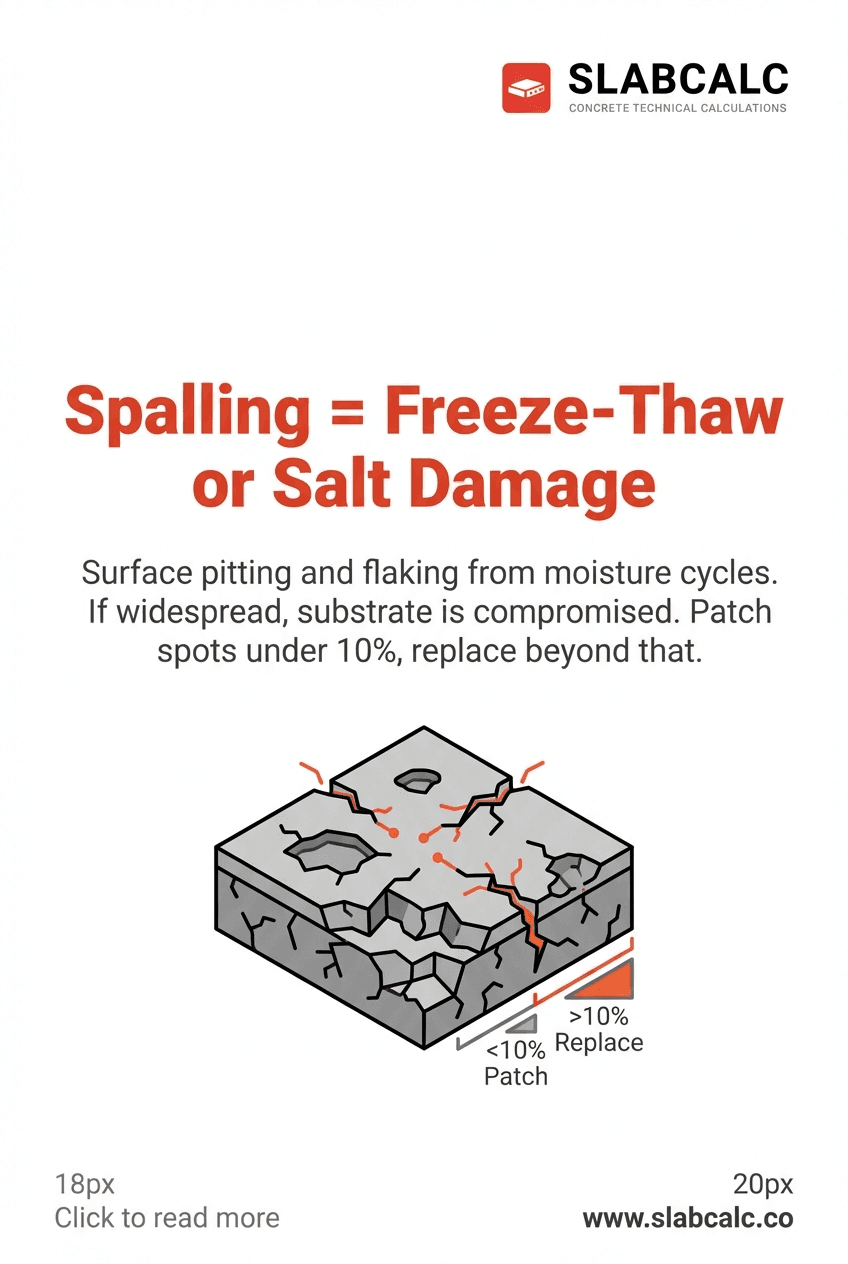
Spalling and Scaling: When to Repair vs. Replace
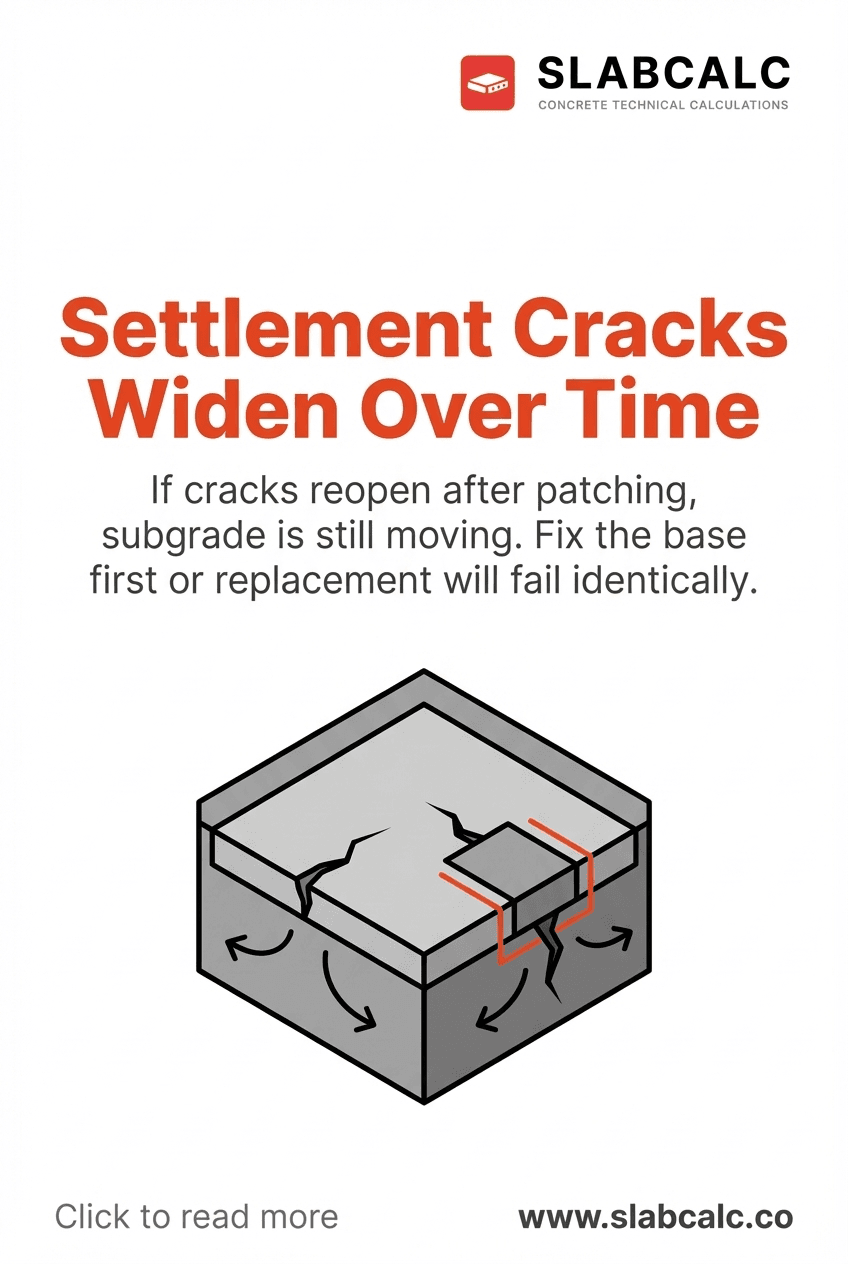
Why Patched Cracks Keep Reopening—And What to Do
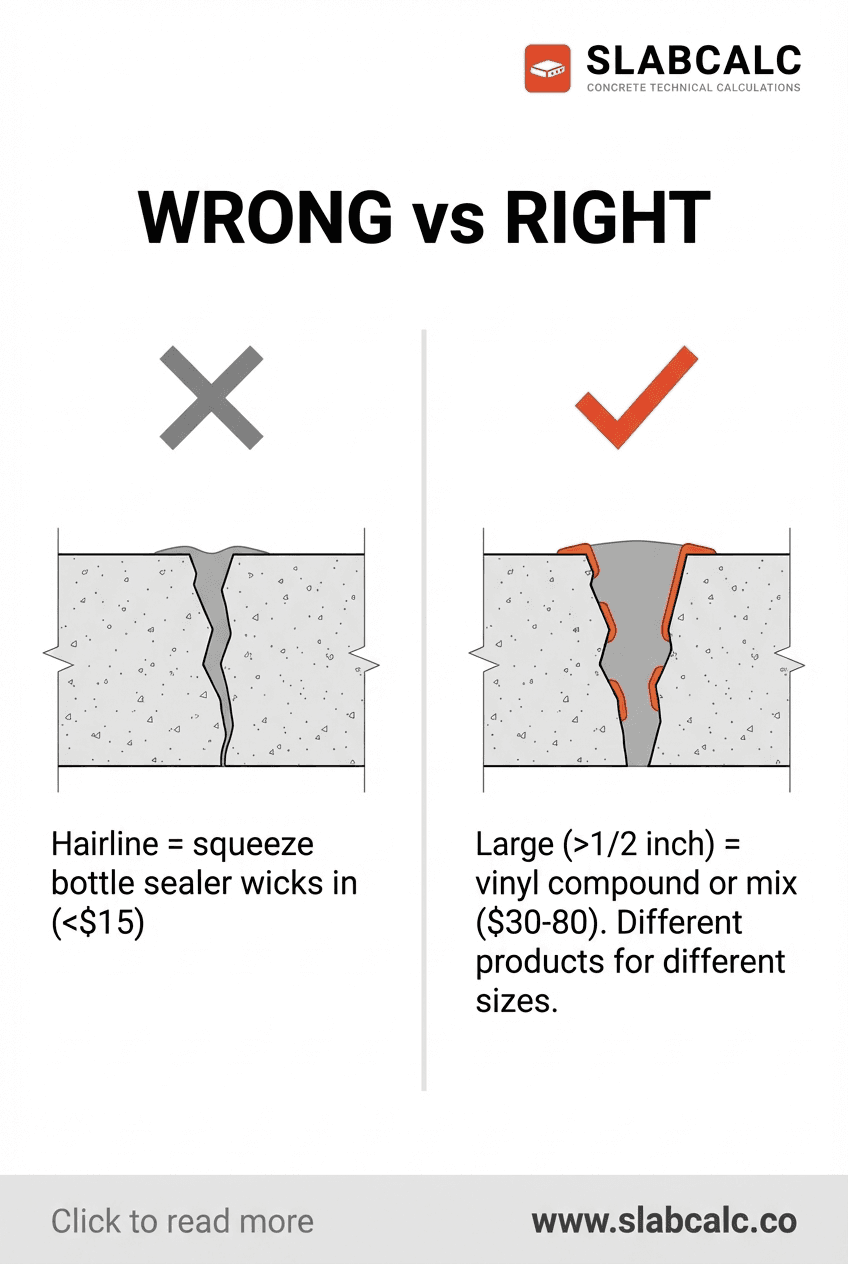
Hairline vs Large Crack Repair: Choose the Right Product
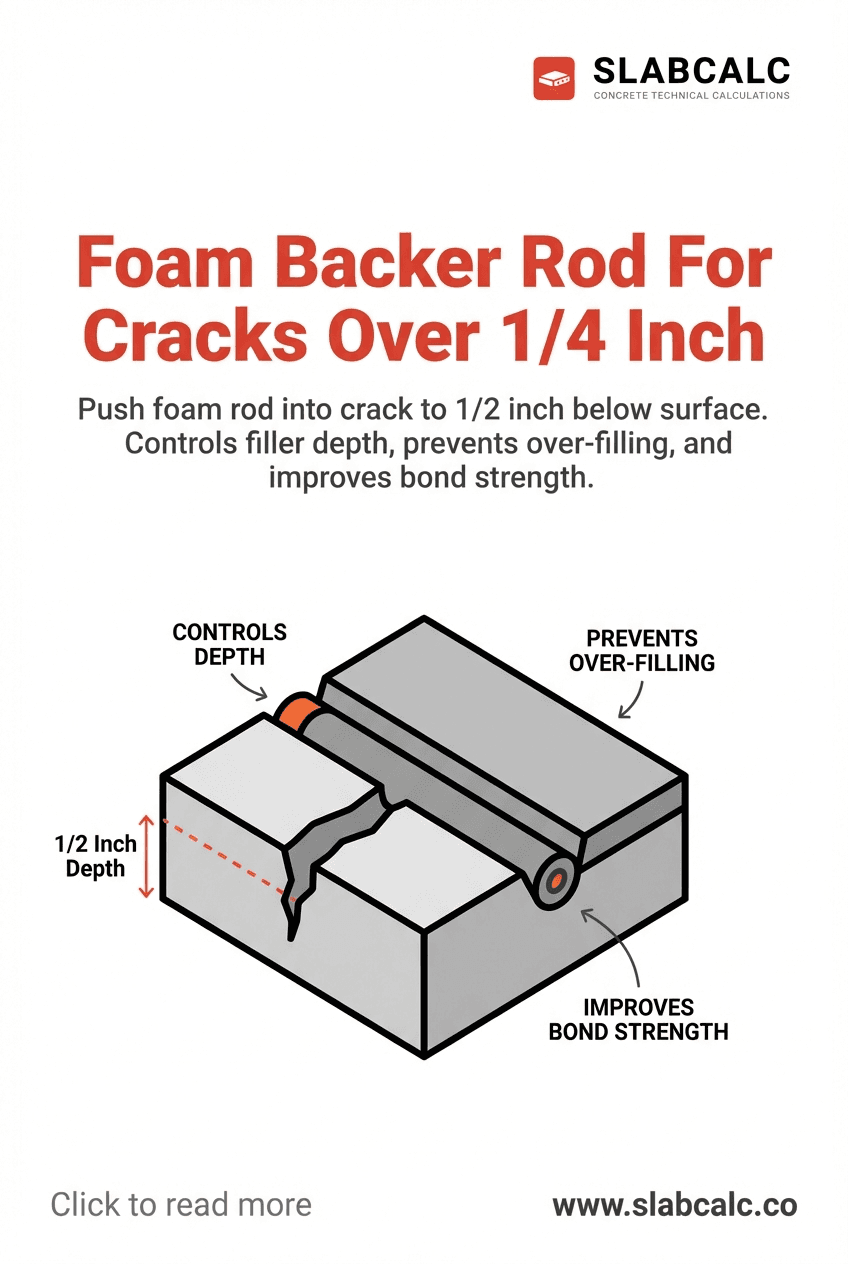
Foam Backer Rod: The Critical Step Most DIYers Skip
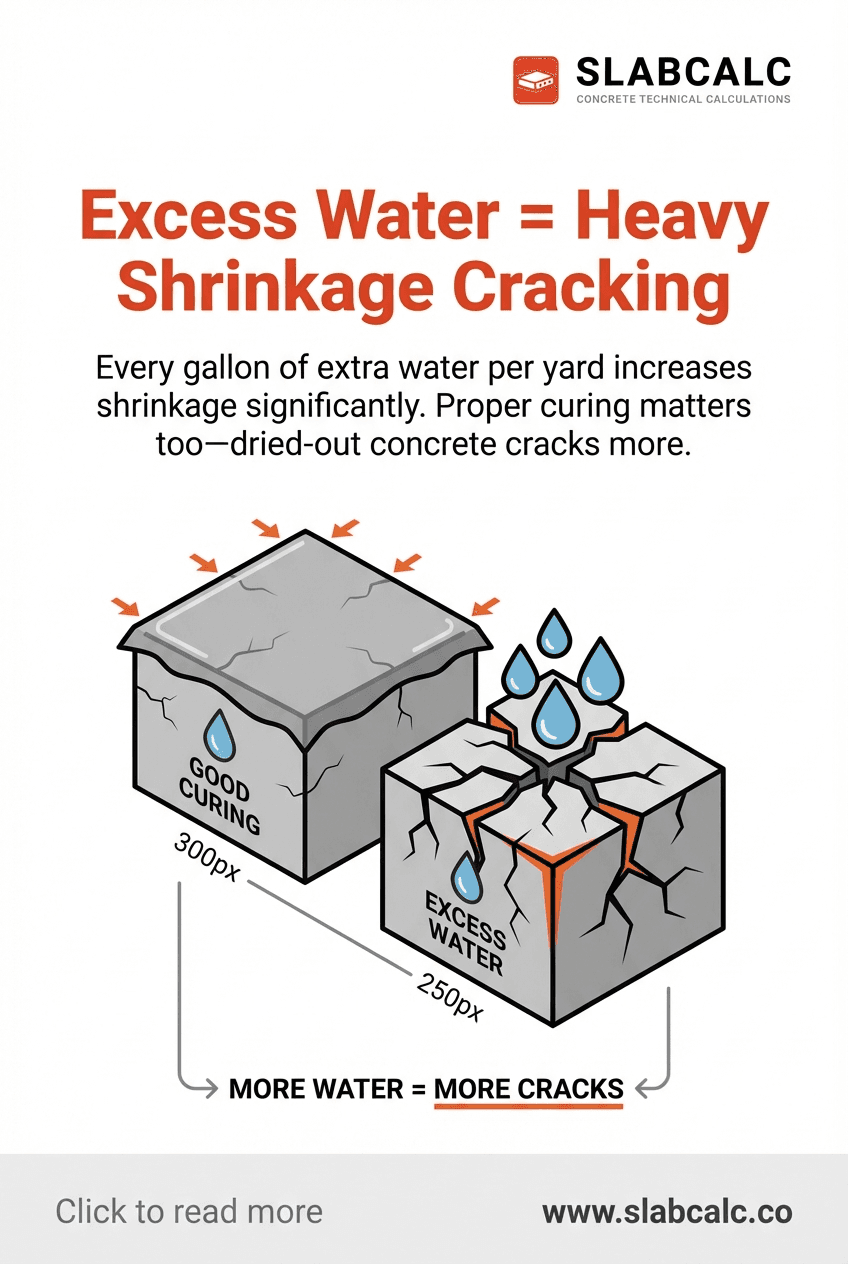
Stop Shrinkage Cracks: Water-to-Cement Ratio Specification Guide
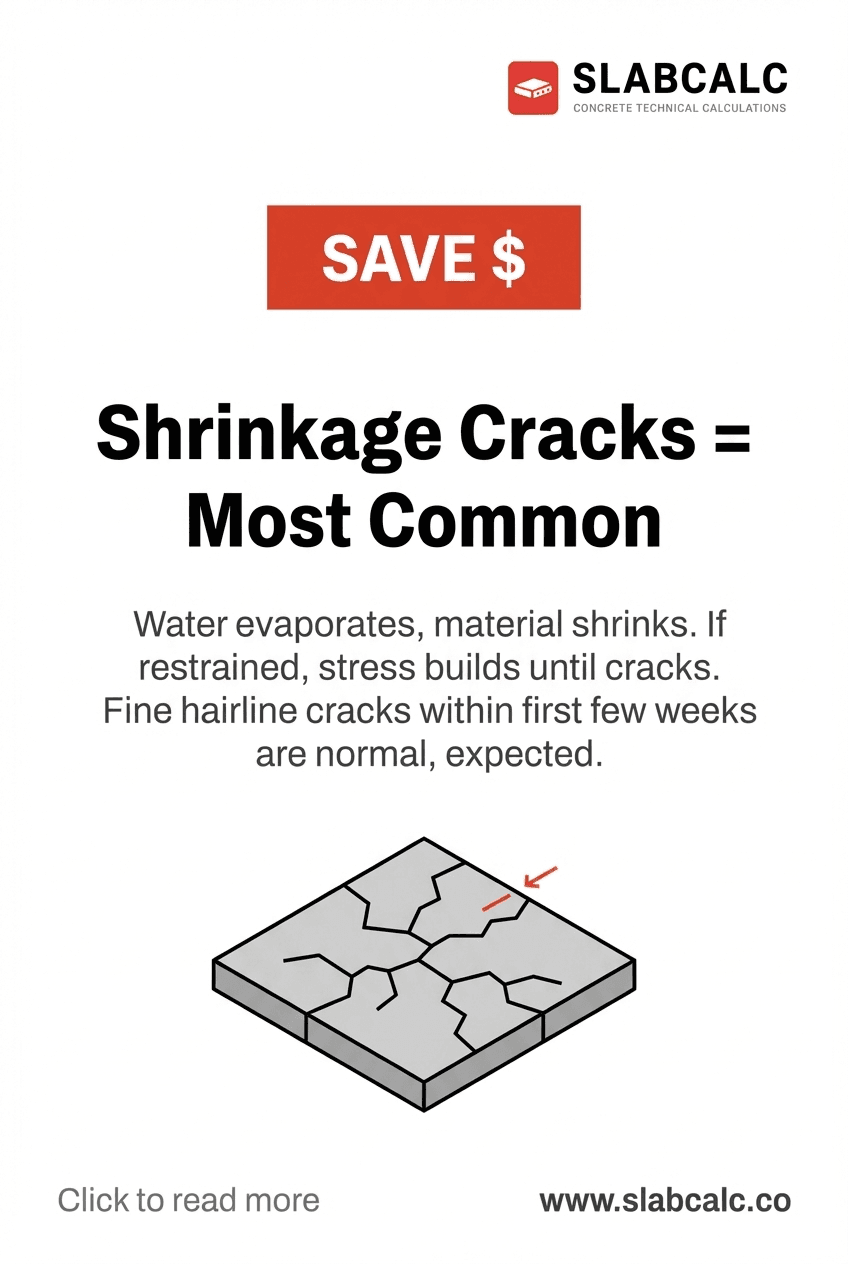
Why Concrete Shrinkage Cracks Cost You Less Than You Think
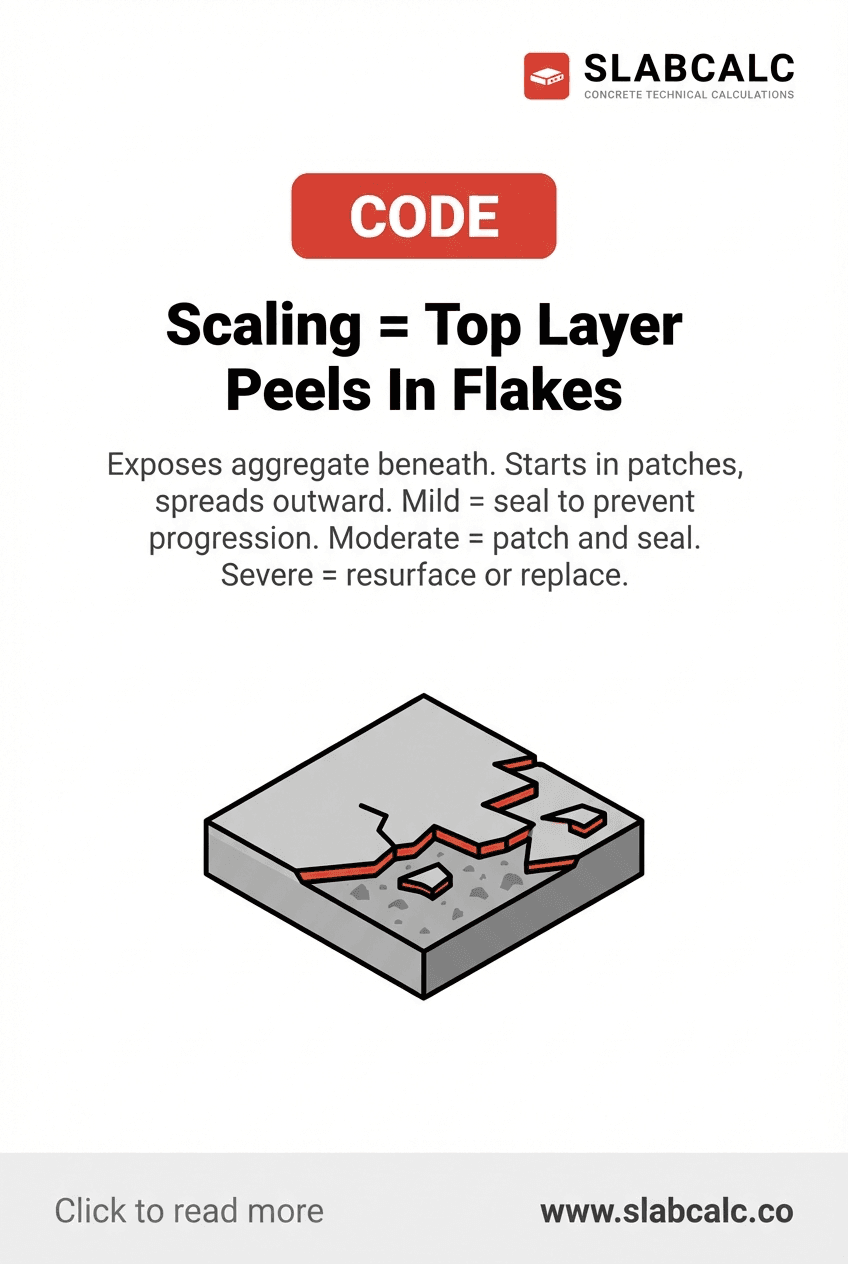
Concrete Scaling: When Surface Flaking Means Trouble
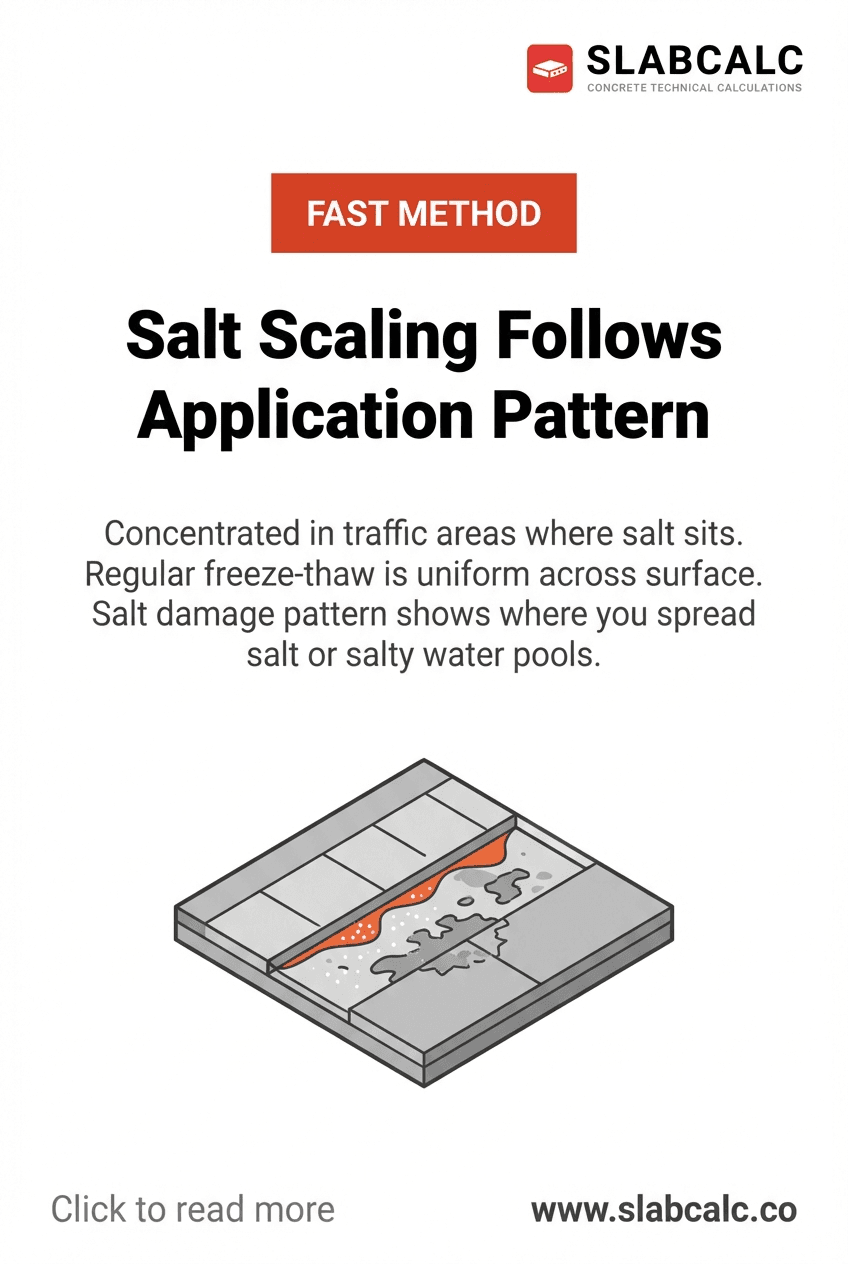
Spot Salt Damage Before It Spreads: A Pattern Recognition Guide
Thickness Guides
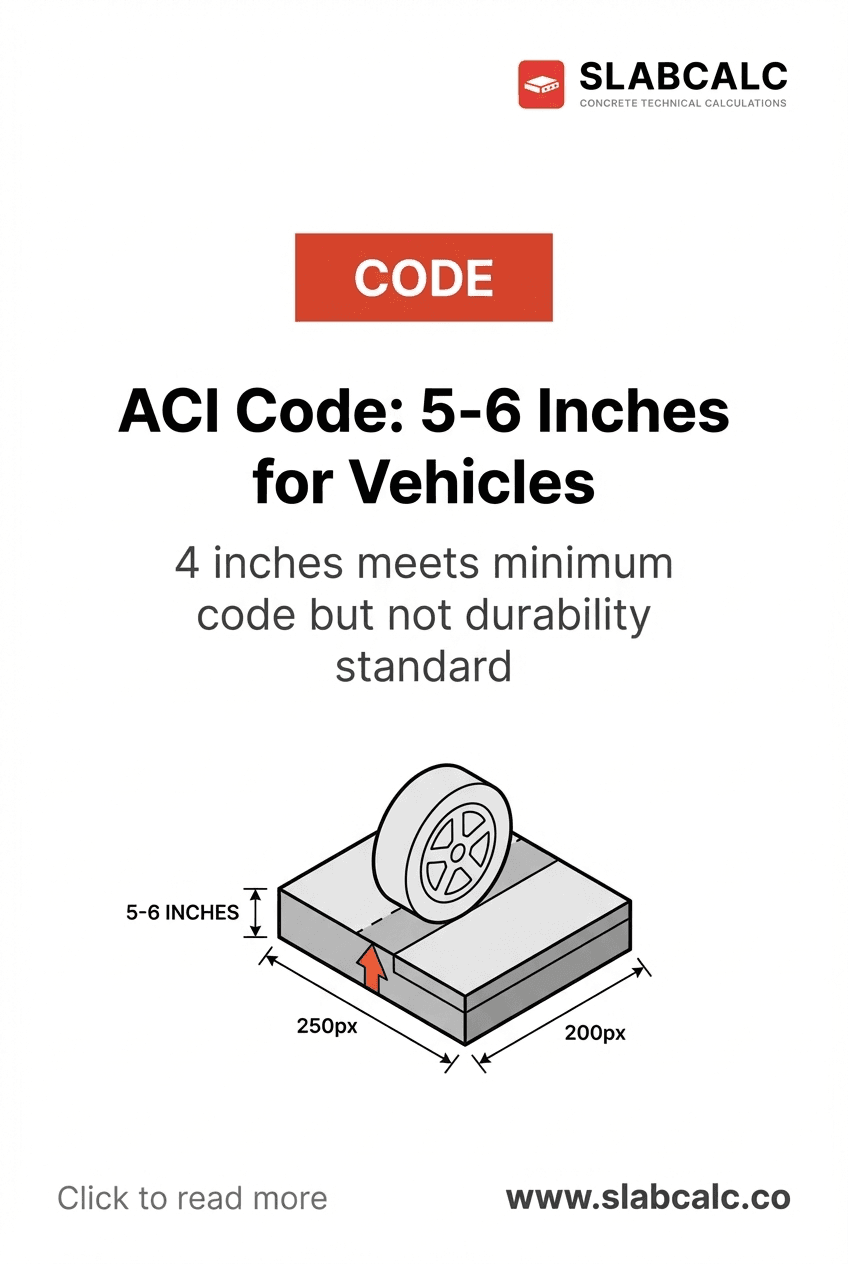
ACI Code 5-6 Inches for Vehicle Concrete Slabs
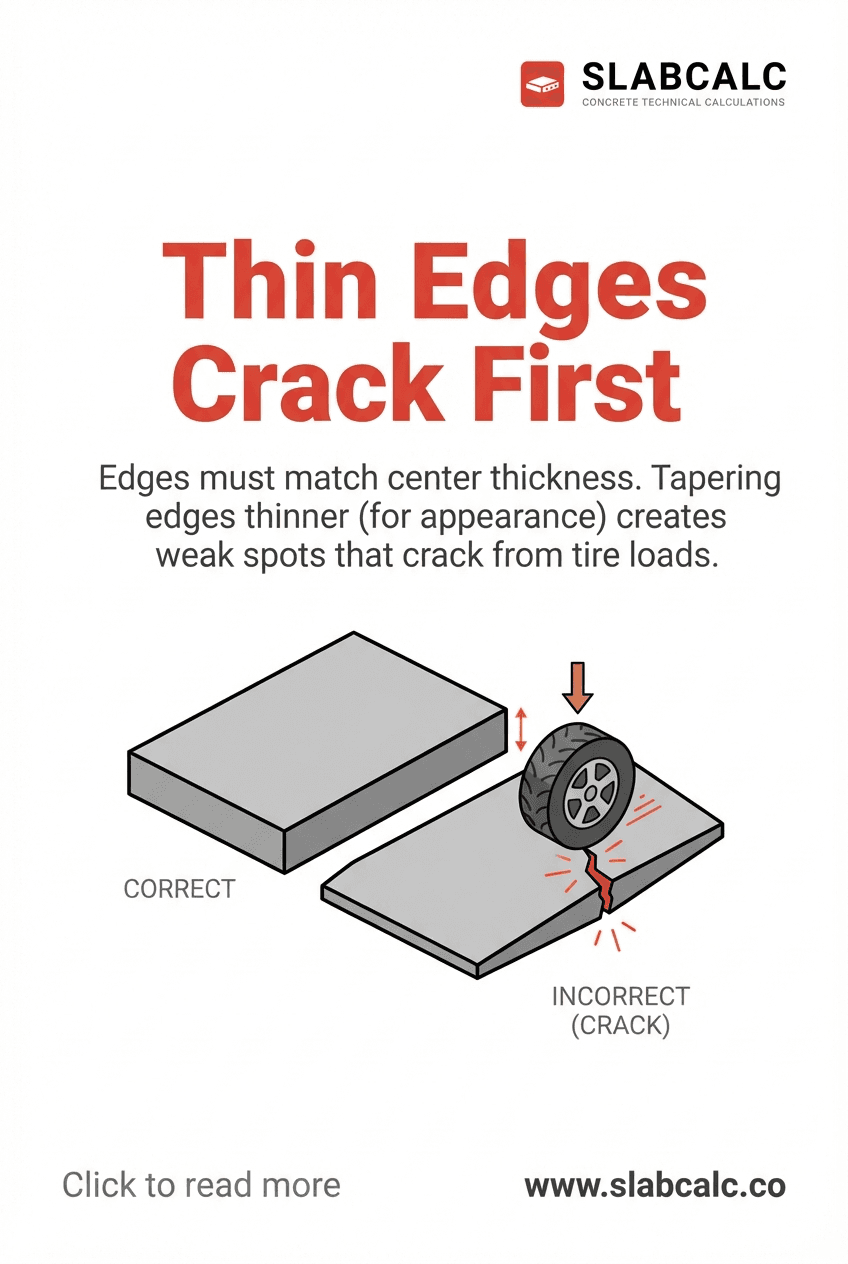
Why Thin Driveway Edges Fail (And How to Prevent It)
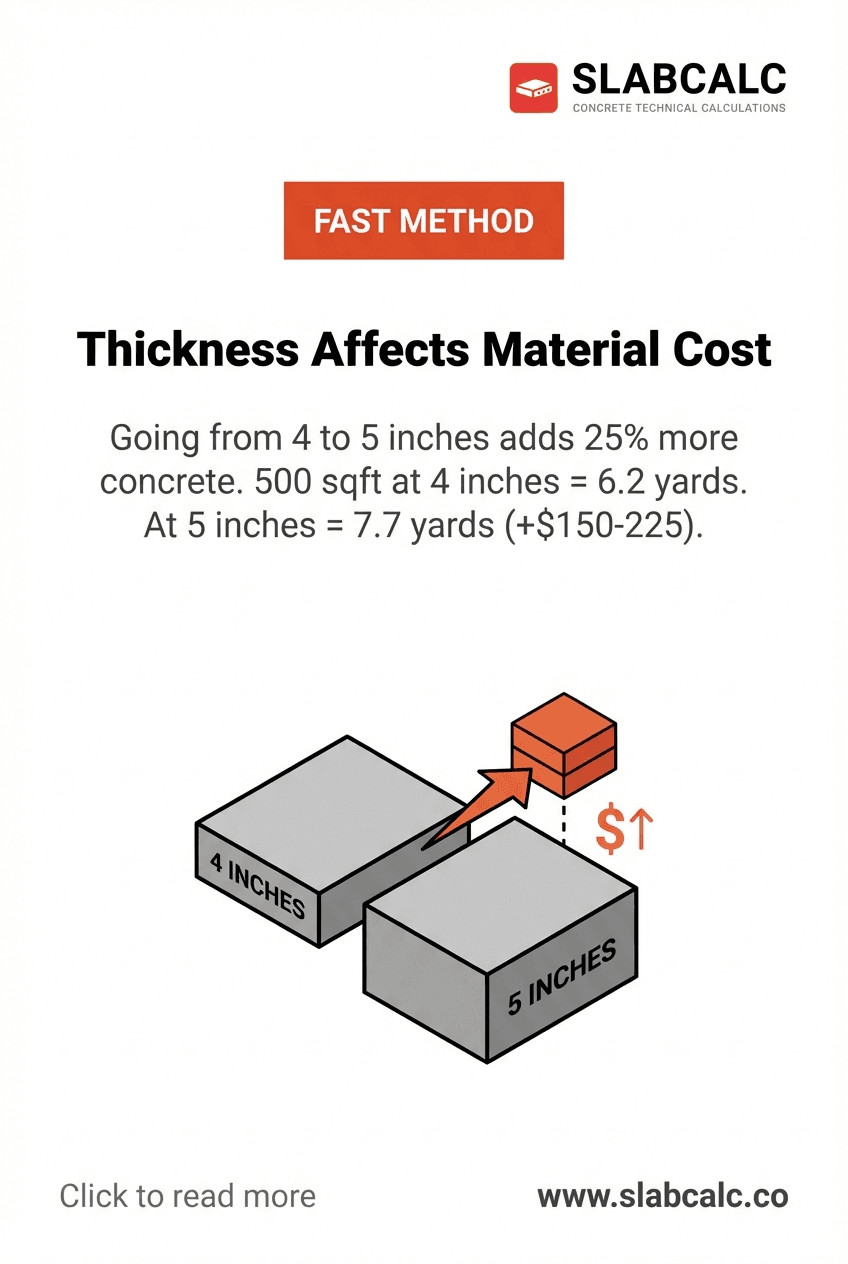
How Concrete Thickness Changes Your Costs Fast
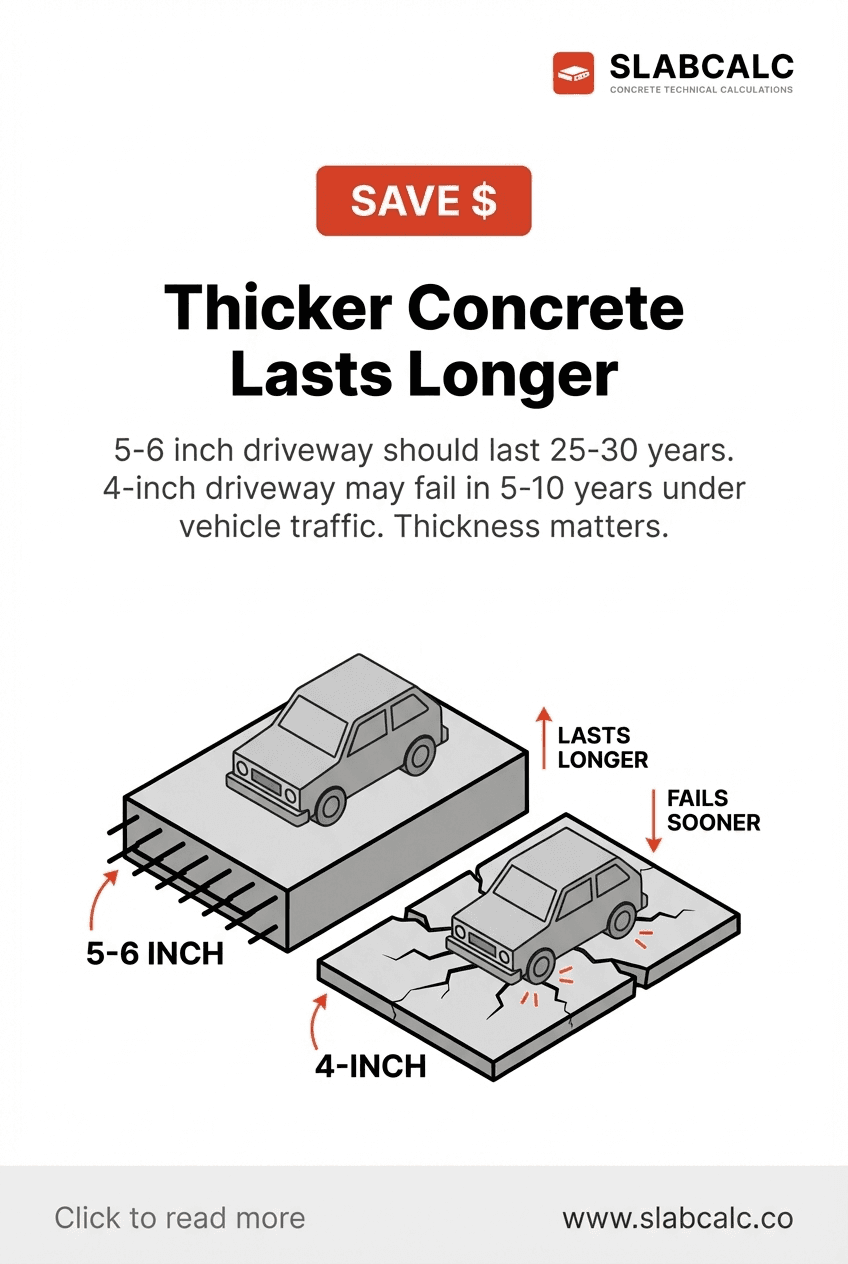
Why Concrete Thickness Saves You Thousands in Repairs
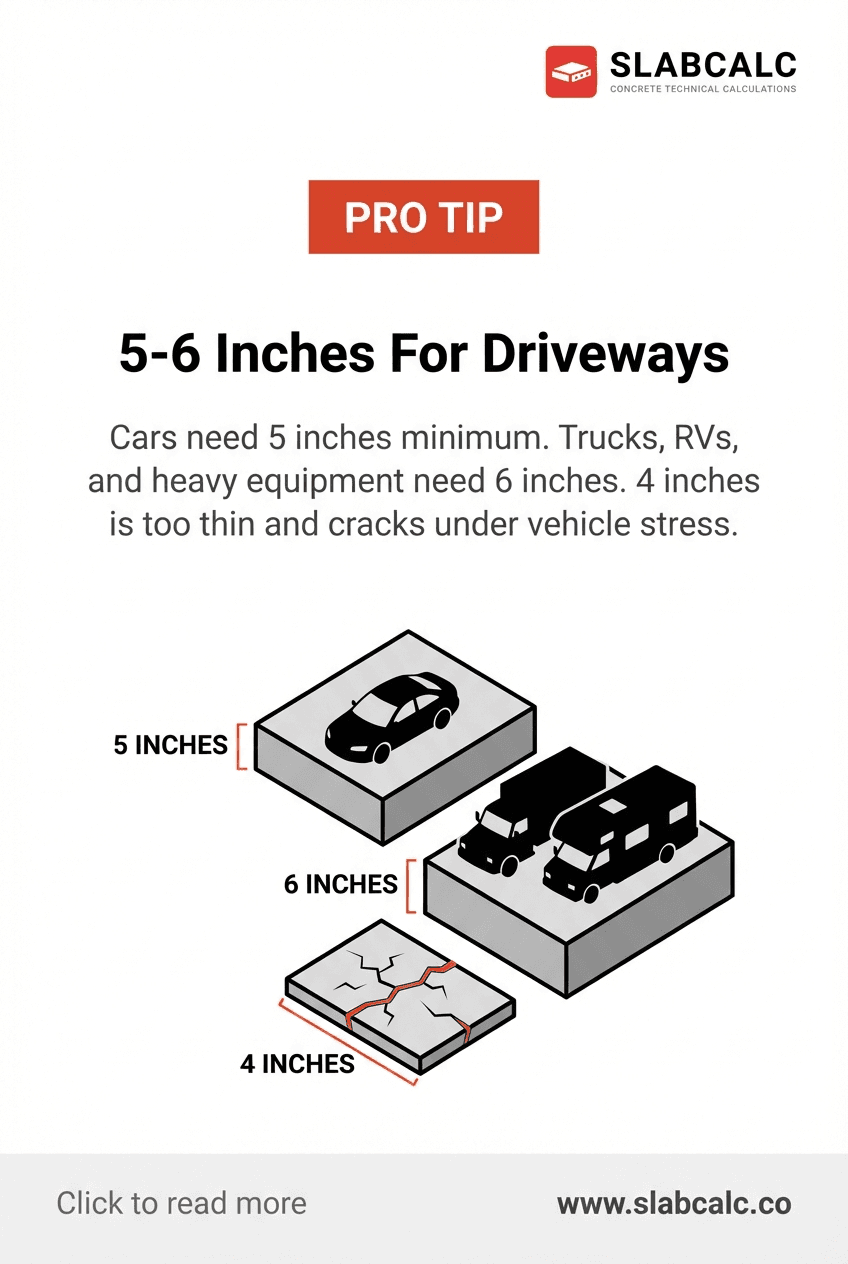
Why 5-6 Inches Is Non-Negotiable For Driveways
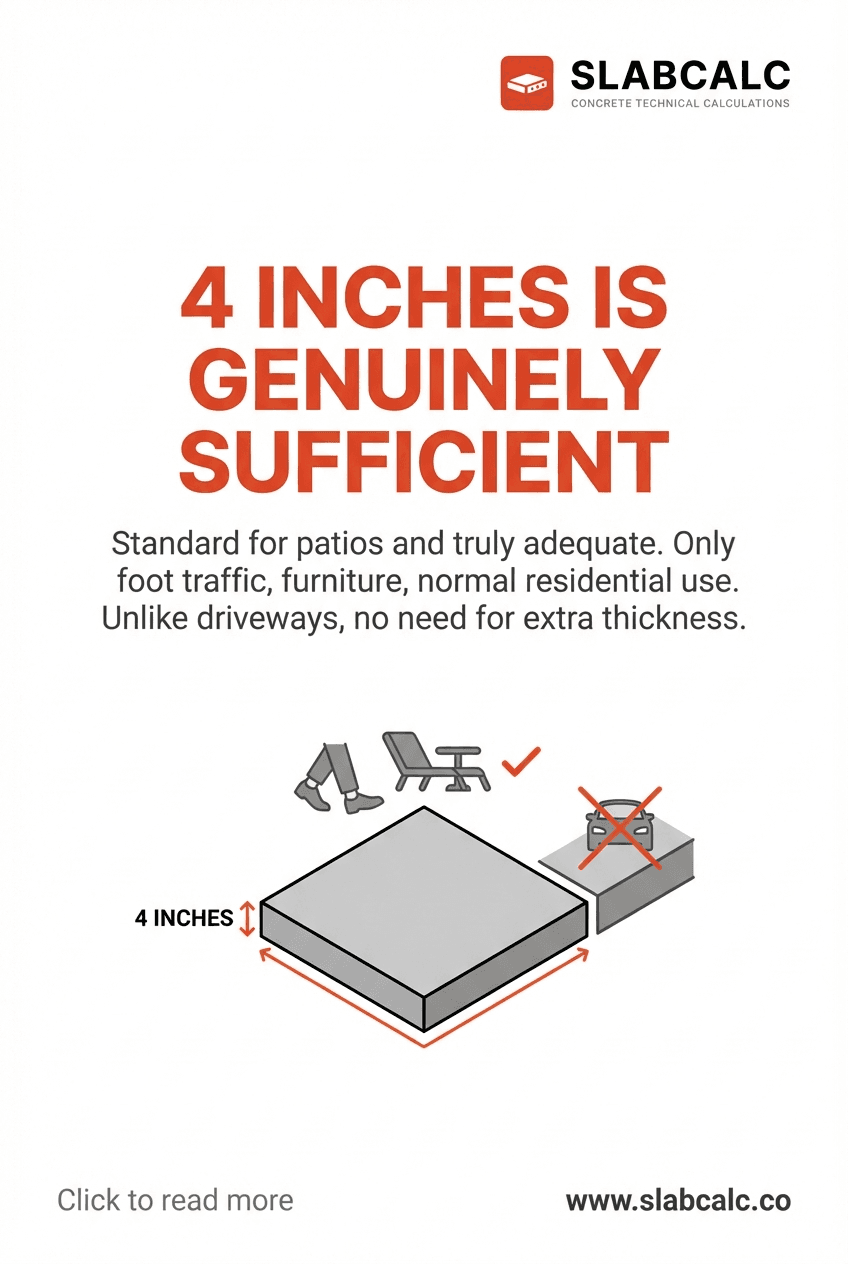
Why 4-Inch Patios Are Standard and Sufficient
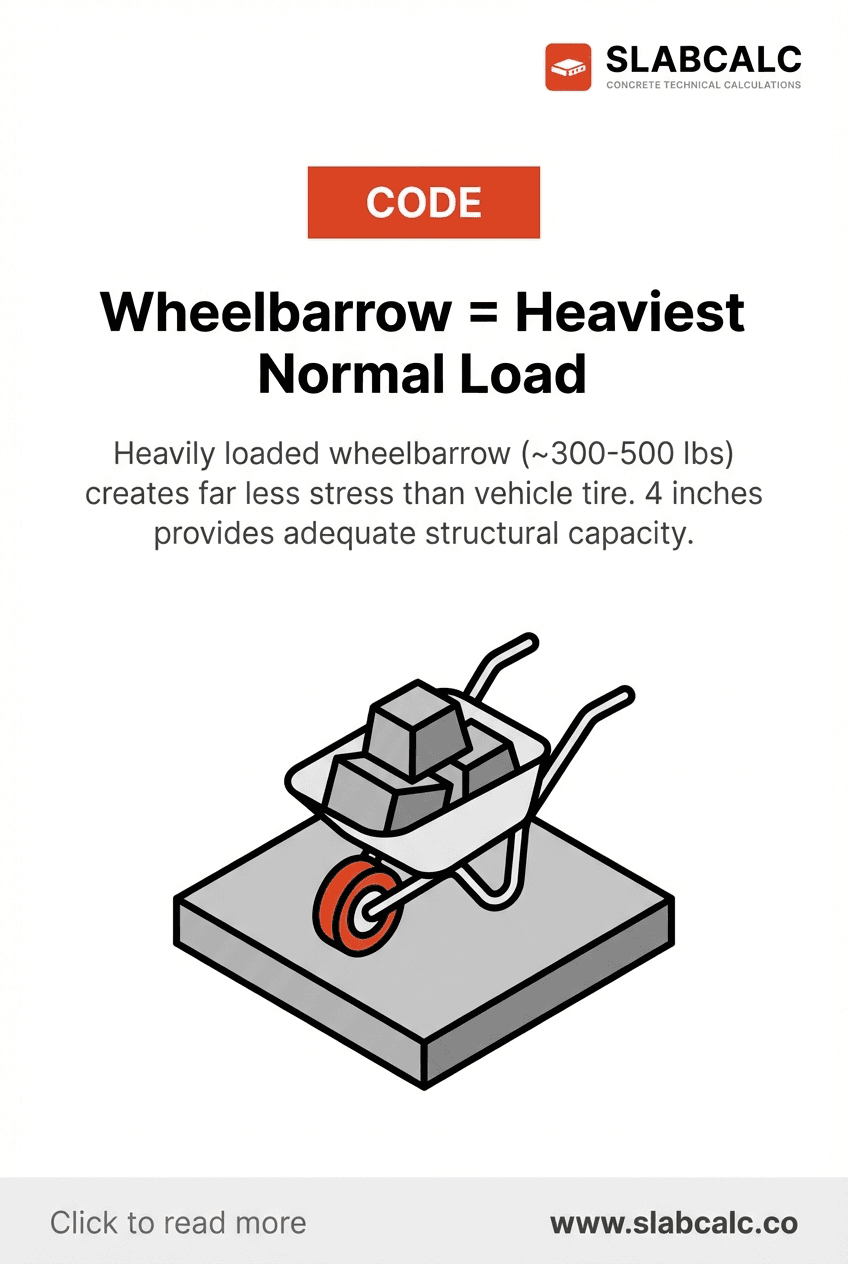
Why 4 Inches Is Code-Legal for Residential Sidewalks
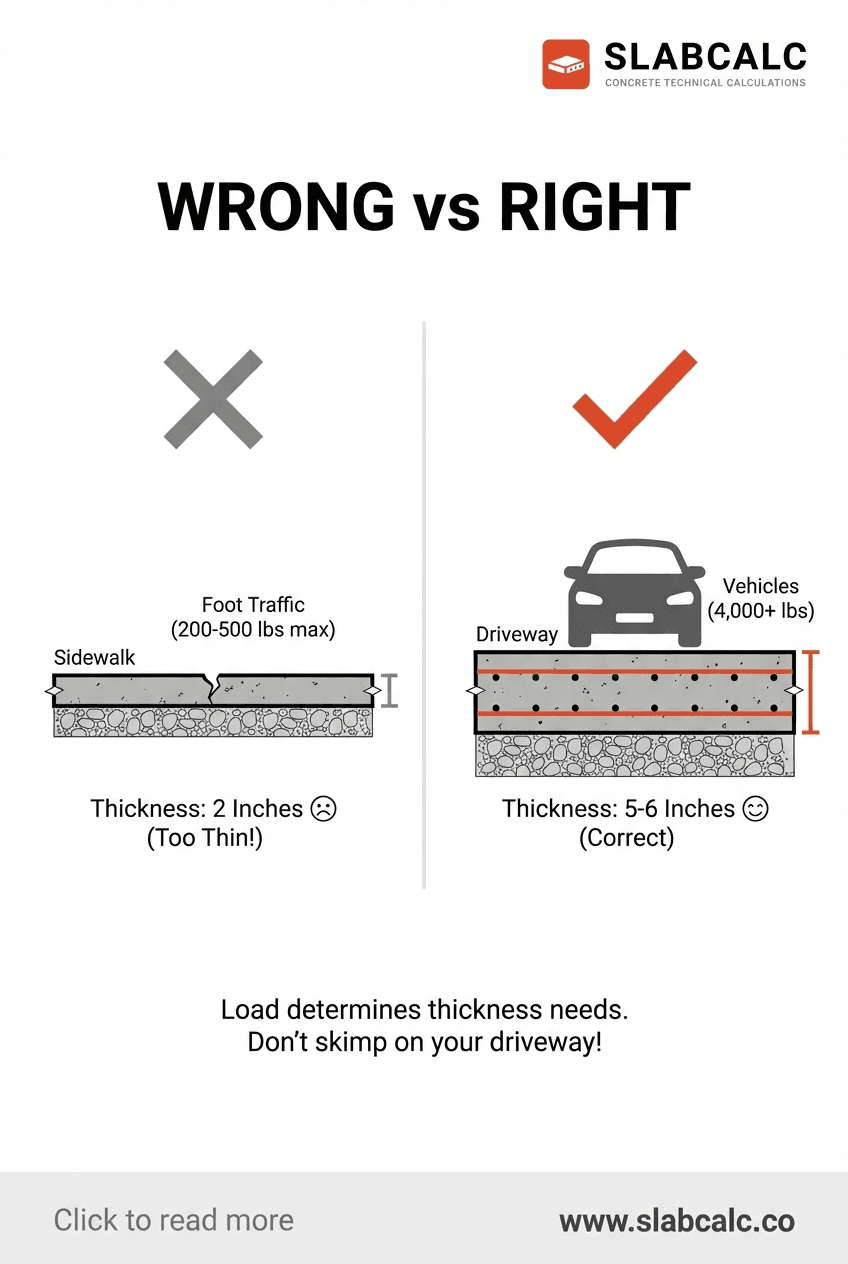
Sidewalk vs Driveway Thickness: Load-Based Concrete Decisions
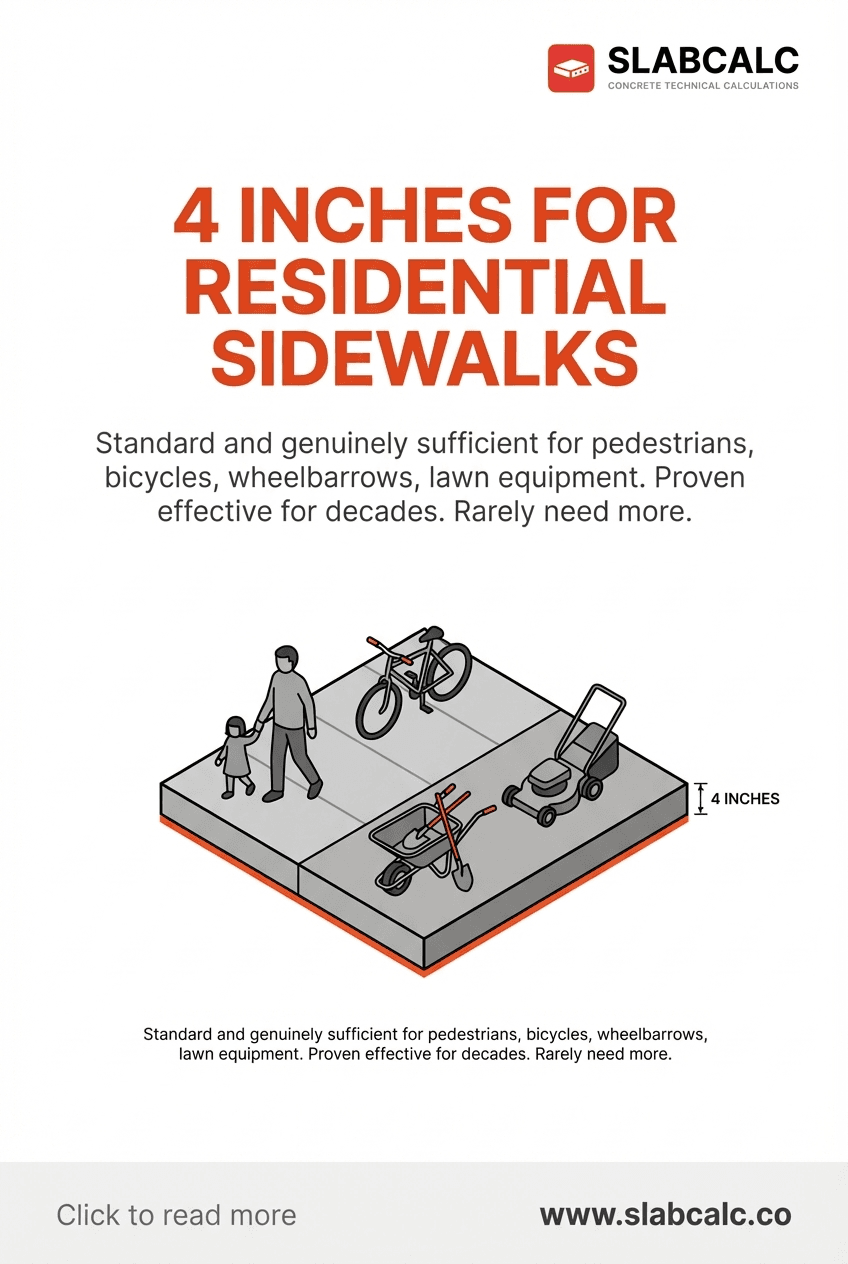
4 Inches: The Standard Thickness for Residential Sidewalks
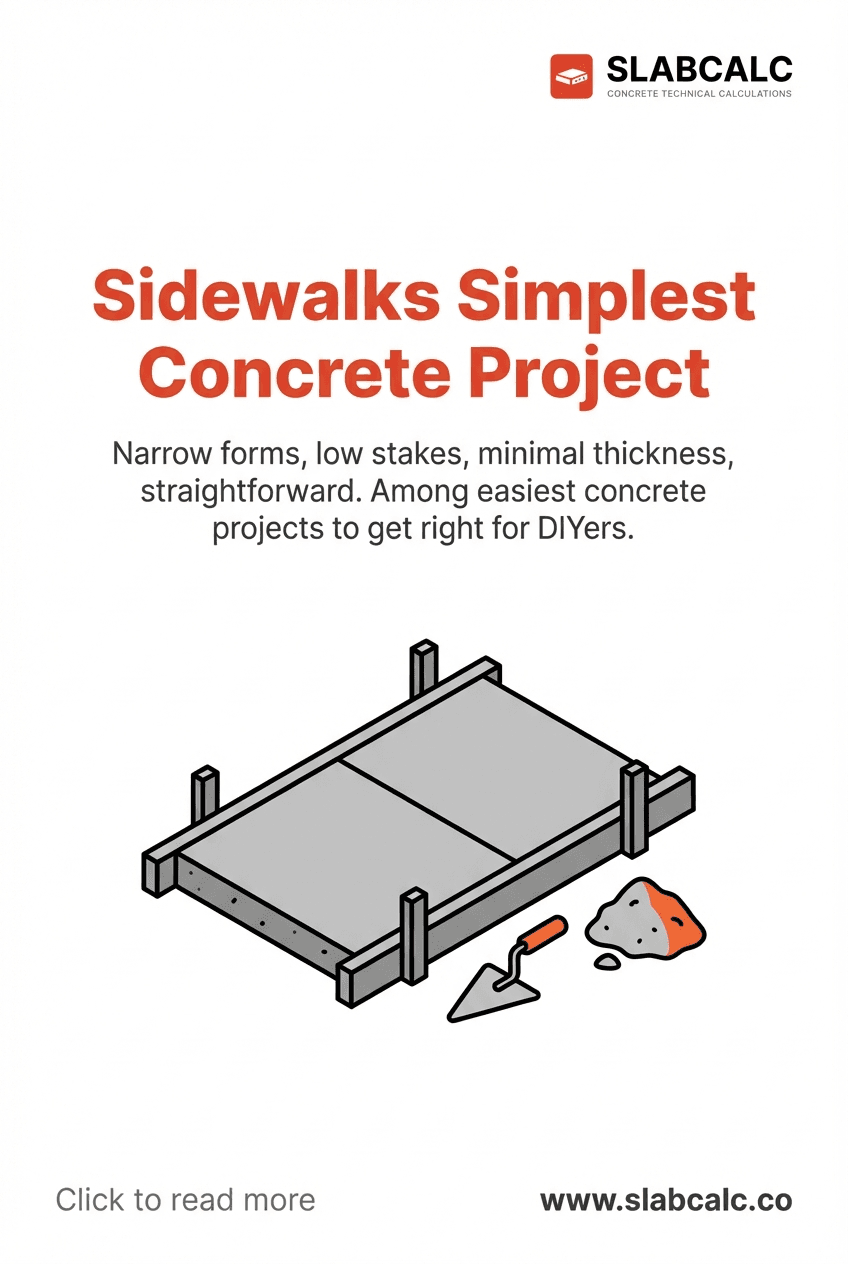
Why 4 Inches Is the Perfect Sidewalk Thickness
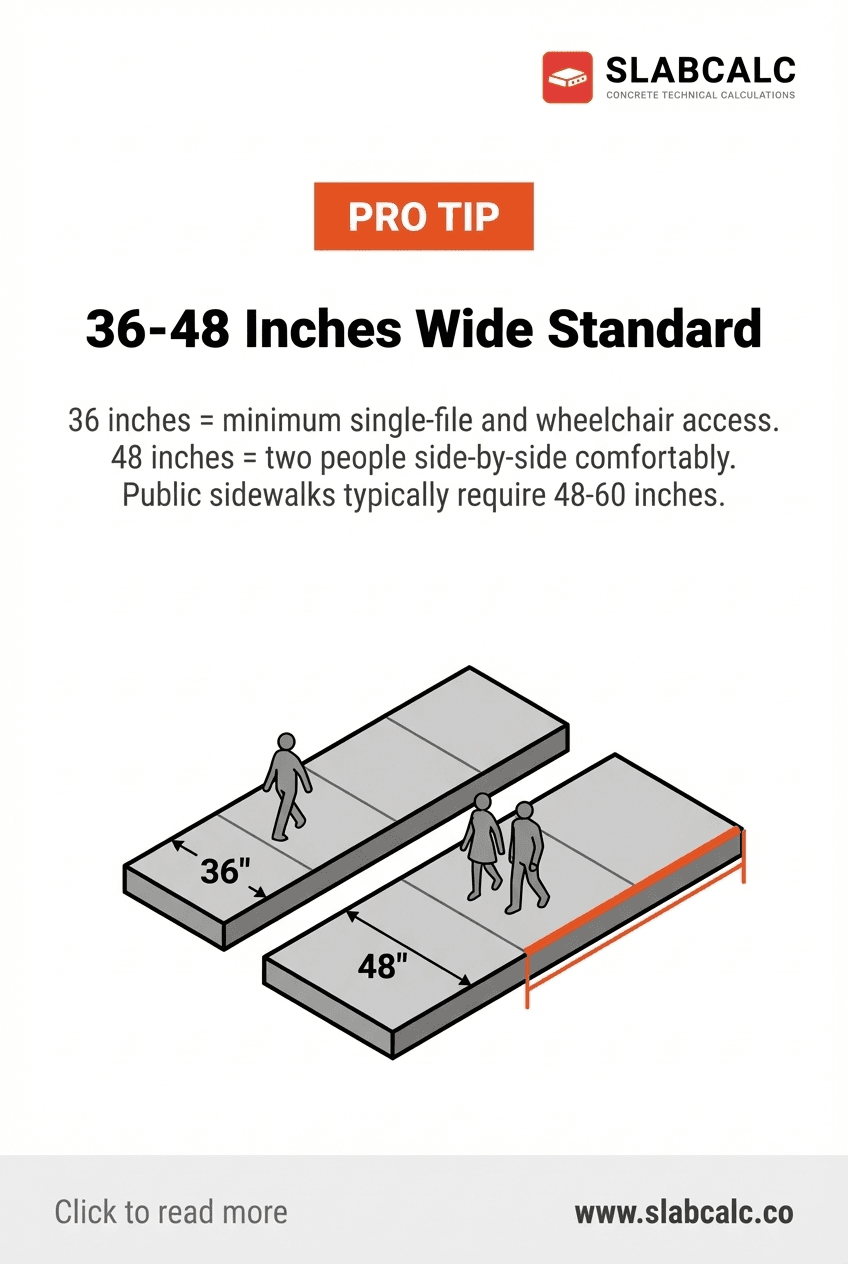
Sidewalk Width Guide: Why 36-48 Inches Is Standard