
Sakrete MaxStrength = 5,500 PSI
The Mistake Most DIYers Make
Most homeowners treat all bagged concrete the same way: dump it in, add water until it looks right, mix, and pour. This approach works fine for garden edging or a small pad. But for structural work—bearing walls, footer reinforcement, or load-bearing slabs—this casual method loses you 20–30% of the concrete's strength potential.
The difference? Sakrete MaxStrength delivers 5,500 PSI, the highest-strength bagged mix commonly available. But you only get those numbers if you nail the water ratio. Too much water, and you're throwing away structural capacity.
Why MaxStrength Matters for Structural Work
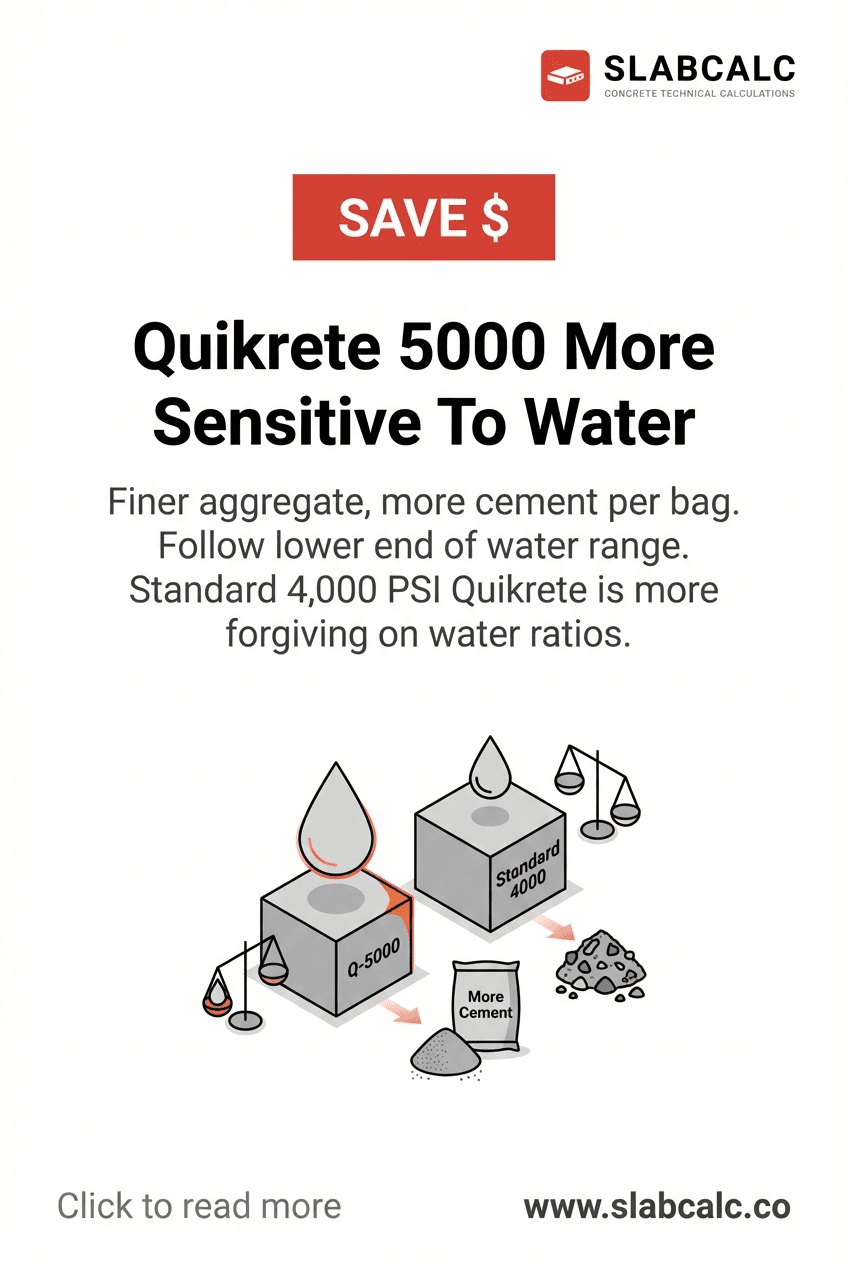
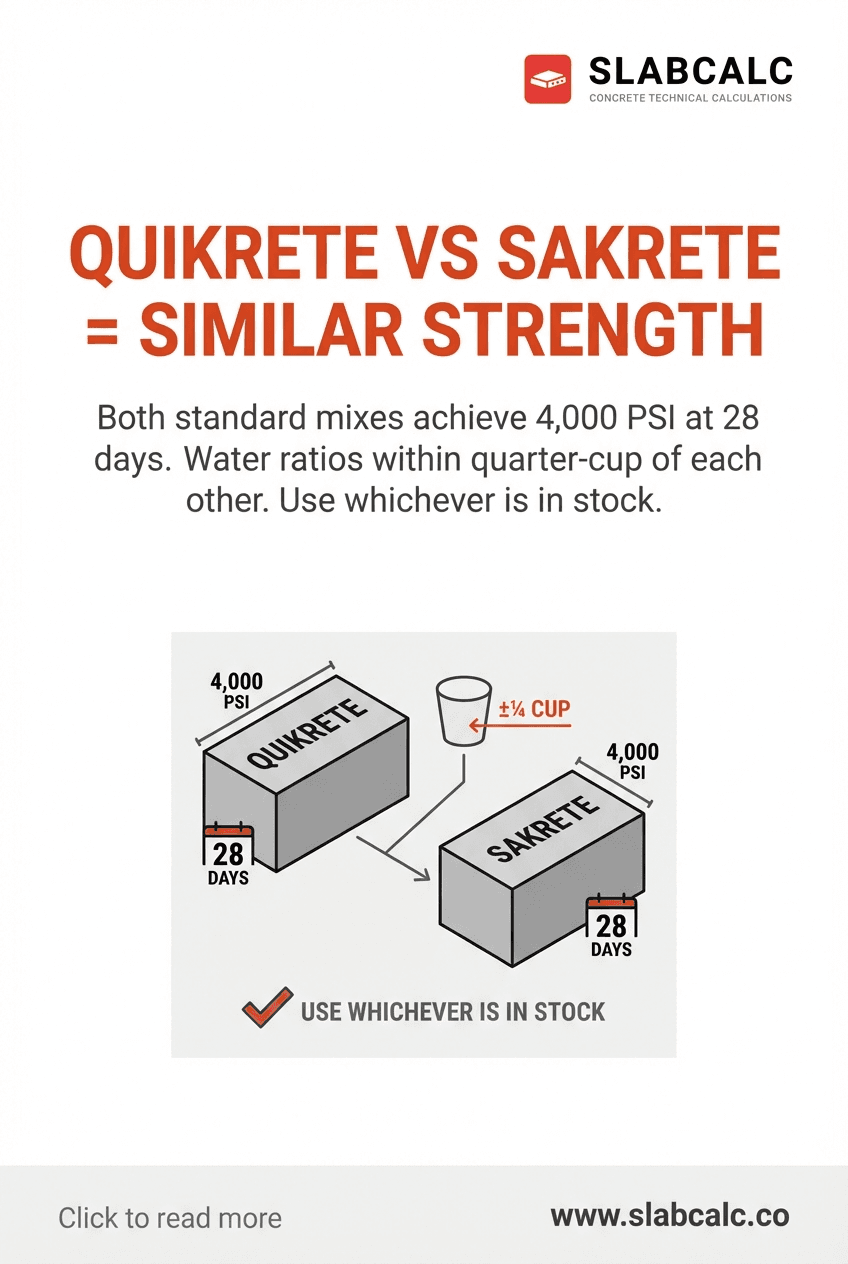
Standard concrete mixes (3,000–4,000 PSI) work for patios and non-load-bearing slabs. But when you're pouring under a bearing wall, creating a frost-protected footer, or building a concrete step system that needs to handle freeze-thaw cycles, the extra 1,500 PSI gives you a safety margin that code inspectors and structural engineers respect.
Sakrete MaxStrength is engineered with a optimized cement-to-aggregate ratio and includes additives that accelerate hydration and boost early strength gain. At 7 days, you're already at 85% design strength—meaning faster form removal and quicker project schedules.
The Pro Water-Ratio Secret
Here's where most DIYers fail: the bag says "add water until workable," but that's not how professionals approach high-strength concrete.
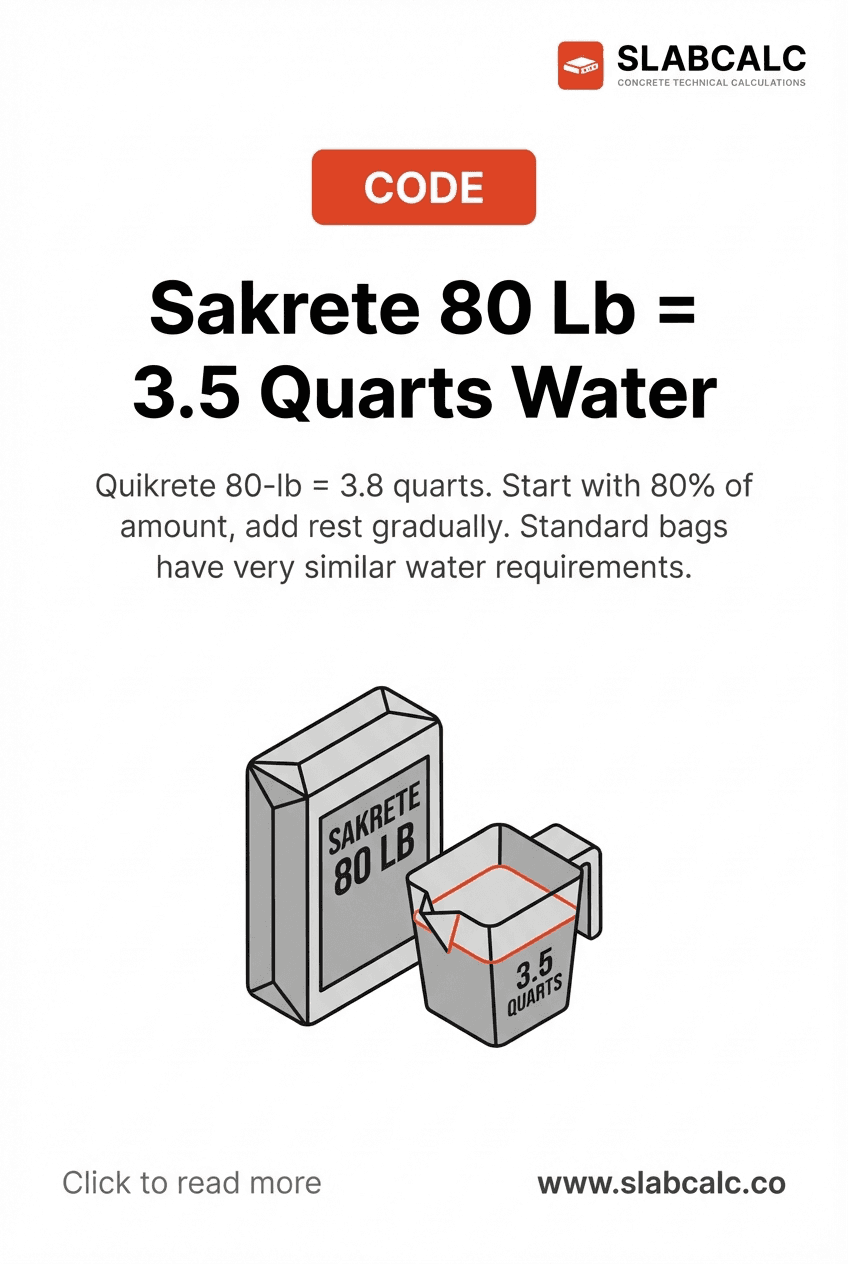
The rule: Use only 5.5 to 6 quarts of water per 60-pound bag—not the 7–8 quarts many people use. This lower water-to-cement ratio is the single biggest factor controlling final strength.
Why it works: Water is a lubricant, not a binder. Extra water makes mixing and pouring easier, but it creates voids in the cured concrete. Those voids become weak points. Keep water low, and the paste tightly binds the aggregate, creating a denser matrix that resists compression and cracking.
Step-by-Step Application
1. Measure precisely. Use a 5-quart bucket with clear markings. Don't eyeball it. A single extra quart per bag can drop strength by 10–15%.
2. Add water first to the mixer. This helps distribute the powder evenly and reduces dust and lumps.
3. Add one bag (60 lb) of Sakrete MaxStrength. Mix for 2–3 minutes until fully hydrated. The mix should look like thick peanut butter, not pancake batter.
4. Let it slake. Let the freshly mixed concrete sit for 3 minutes. This allows the cement to begin absorbing water. Then mix again for 30 seconds.
5. Use within 90 minutes. High-strength mixes set faster. Plan your pour timing carefully.
6. Keep it moist during curing. Wet the slab with a sprinkler for the first 7 days. Drying too fast weakens the concrete.
Real Cost Impact
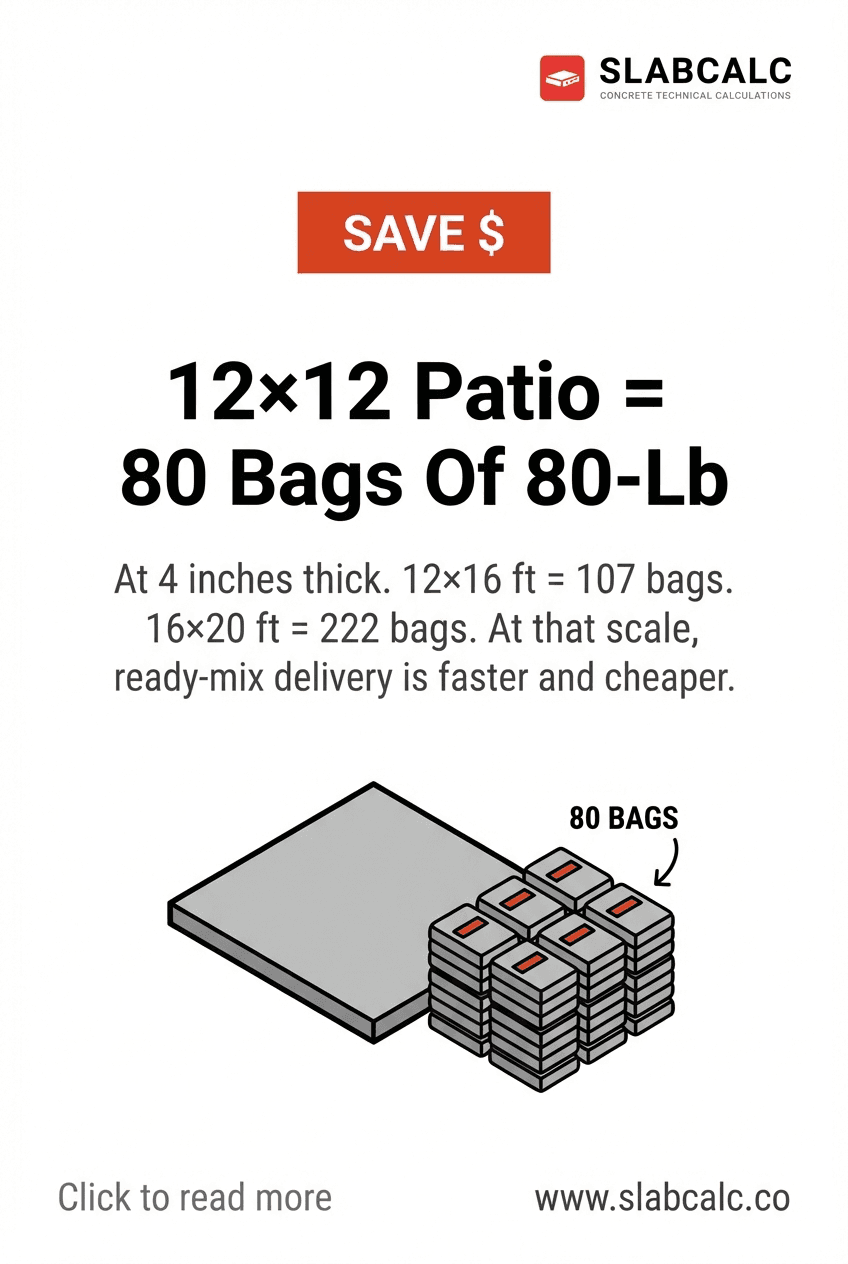
Sakrete MaxStrength bags run $6–$8 each. Standard 4,000 PSI mix costs $4–$6. For a 12 cubic-foot pour (about 32 bags), the premium is $64–$64—money well spent if code compliance or structural performance matters.
Use SlabCalc's concrete calculator to size your project exactly, then specify MaxStrength for structural zones. You'll pour once and pour right.