

Concrete Crack
AnalyzerFREE
Photo in, diagnosis out — failure mode, severity, and what to do next.
Tap to upload or take a photo
JPEG · PNG · WebP · Max 10 MB
How it works
Take a photo
Close-up, good lighting, crack in frame.
AI diagnoses
Classifies failure mode in seconds.
Get your result
Severity score and repair guidance.
How It Works
Upload a photo
Take a clear, close-up photo of the damaged area in good lighting. The more detail visible, the more accurate the diagnosis.
AI analyzes the damage
Our AI examines crack width, pattern, displacement, staining, and surface texture against six known concrete failure modes.
Get your diagnosis
Receive a failure mode classification, severity score from 1–5, plain-language explanation, and a clear repair recommendation.
Six Failure Modes
Shrinkage Cracking
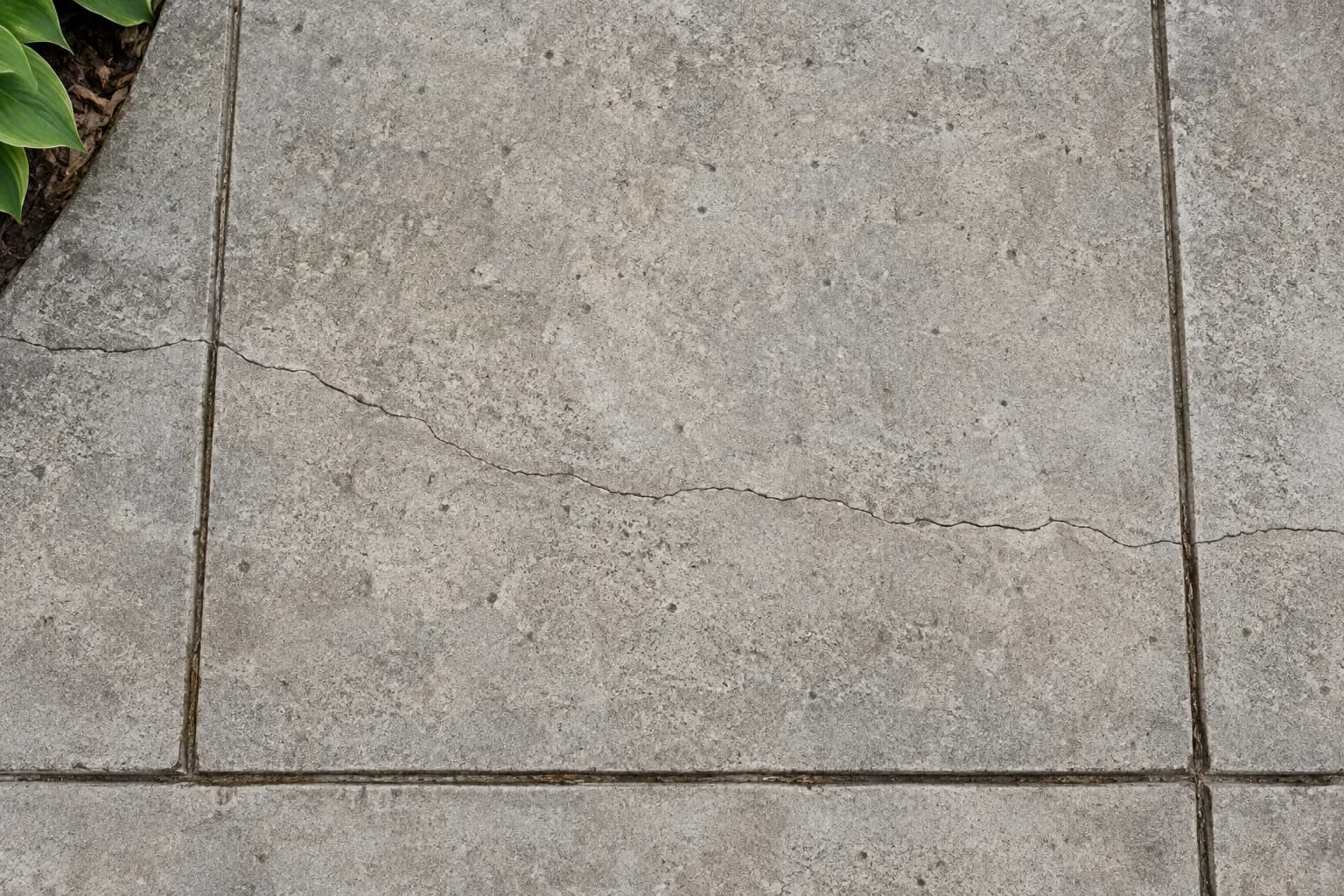
Fine, shallow cracks in a map pattern or running parallel. Uniform width under 1/16 inch with no displacement. The most common type — typically cosmetic.
Structural Cracking
Wide cracks (over 1/4 inch) running vertically or diagonally, often with one side visibly higher or lower than the other. Indicates overload or structural failure.
Freeze-Thaw Spalling
Surface flaking, pitting, or the top layer lifting away in scales. Most visible near slab edges. Caused by moisture freezing and expanding within the concrete.
Settlement Cracking
One section of slab sits noticeably lower than the adjacent section. Crack runs along a joint line or diagonally from a corner. Caused by soil movement or voids beneath the slab.
Alkali-Silica Reaction (ASR)
A web of cracks covering the entire surface, often with white gel residue visible at crack edges. Progressive damage — no DIY fix exists.
Corrosion-Induced Cracking
Linear cracks running parallel to the surface, with rust-brown staining along the crack line. Indicates corrosion of embedded steel reinforcement.
Quick Reference
| Failure Mode | Key Visual | Severity | Action |
|---|---|---|---|
| F1 Shrinkage Cracking | Fine map cracks, no displacement | 1–2 | DIY |
| F2 Structural Cracking | Wide crack, one side higher | 3–5 | Professional |
| F3 Freeze-Thaw Spalling | Surface flaking near edges | 2–4 | Professional |
| F4 Settlement Cracking | Step at joint, section lower | 2–4 | Professional |
| F5 Alkali-Silica Reaction (ASR) | Dense web cracking + white gel at edges | 3–5 | Engineer |
| F6 Corrosion-Induced Cracking | Rust-brown staining along crack | 3–5 | Engineer |
Severity Guide
Cosmetic Damage
Surface-level cracks with no structural implication. DIY repair products are appropriate. Monitor for widening.
Read more →When to Call a Contractor
Cracks that exceed cosmetic thresholds but stop short of structural risk. Professional assessment required before repair.
Read more →When to Call a Structural Engineer
Structural risk indicators: displacement, width over 1/4 inch, rebar corrosion, or cracks in load-bearing elements.
Read more →Comparison Guides
Related Resources
Accuracy & Limitations
This tool uses AI vision analysis to classify concrete damage from photos. Diagnosis accuracy depends on photo quality — clear, well-lit, close-up shots produce the most reliable results. When the image is ambiguous between two classifications, we default to the higher severity. This tool is designed to guide decisions, not replace a professional assessment. For any crack rated severity 4 or higher, consult a licensed structural engineer before taking action.
Frequently Asked Questions
Next Steps
Once you know what type of crack you have and how severe it is, plan your next move.
Calculator
Concrete Slab Calculator
Estimate materials for a replacement slab or patch →
Calculator
Footing Calculator
Size footings for foundation repairs or new pours →
Cost Guide
Foundation Cost Guide
Real pricing data for foundation work in your area →
Cost Guide
Driveway Cost Guide
Local pricing for driveway replacement or repair →
Guide
How to Repair Cracks
DIY and professional repair methods by crack type →