
3,000-4,000 PSI Standard Residential
The Time Trap: Why Over-Specifying PSI Costs You
Most DIYers assume "stronger is better" and order 4,500–5,000 PSI concrete for driveways or patios. Here's the problem: higher PSI mixes require more cement (15–18% instead of 10–15%), cost $8–15 more per cubic yard, take longer to work with, and deliver zero practical benefit for residential use.
The slow way: Order a high-strength mix, wait for the truck, realize it's set faster than you can place it, and waste material or stretch the job into a second day.
The fast way: Specify 3,000–4,000 PSI from the start. This standard residential strength gives you workability for 45–90 minutes, sets predictably in 24–48 hours, and costs $35–50 per cubic yard instead of $60–75.
What 3,000–4,000 PSI Actually Means
PSI (pounds per square inch) measures compressive strength—how much weight the hardened concrete can support before cracking. At 3,000 PSI, your slab can handle roughly 3,000 pounds of pressure per square inch.
For residential work, this covers:
- Driveways: passenger cars and light trucks (typical load: 2,000–3,500 PSI requirement)
- Patios: foot traffic and patio furniture
- Garage floors: standard vehicle weight
- Sidewalks: pedestrian use
- Shed pads: storage structures
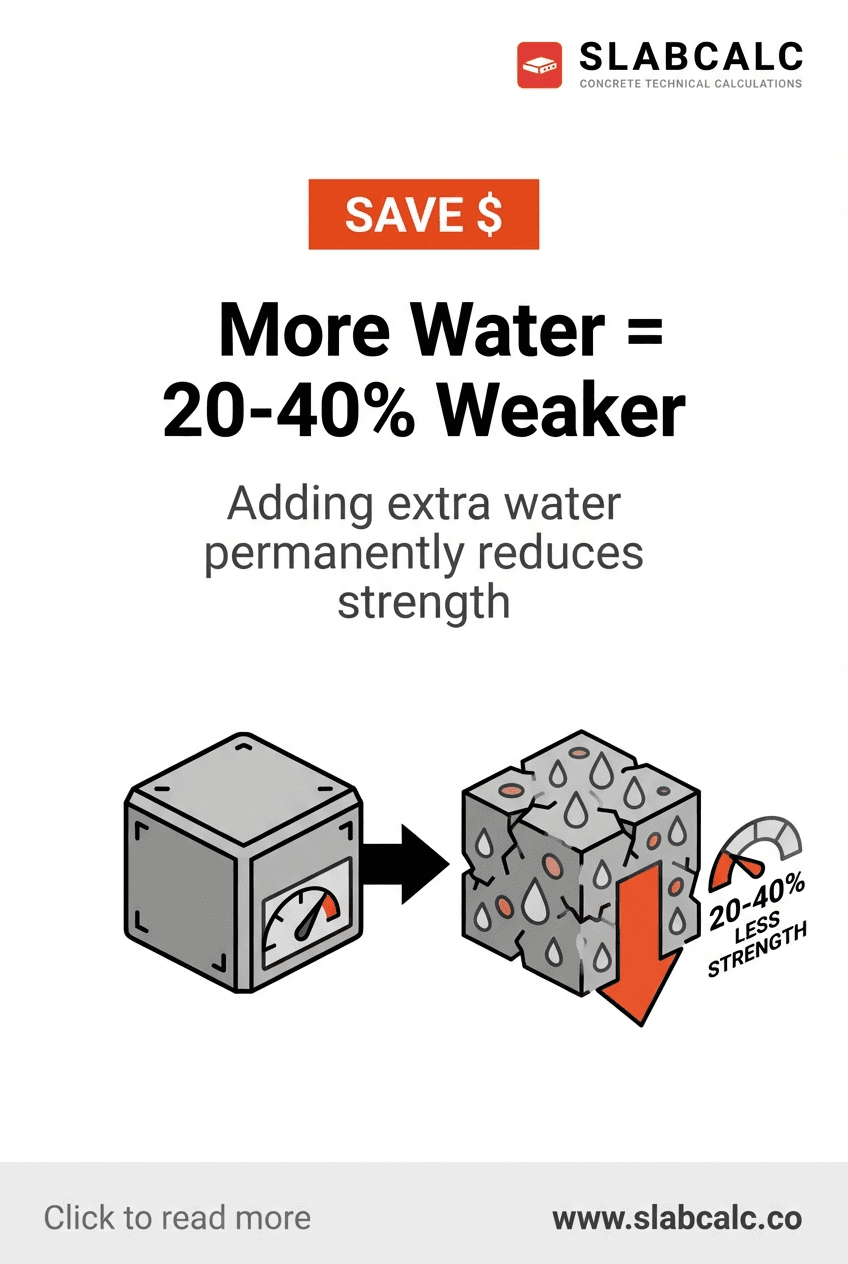
Reaching 4,000 PSI adds a safety margin without overkill. The concrete achieves this strength using Type I Portland cement mixed at the standard 0.50–0.55 water-to-cement ratio. This is the industry default for good reason: it balances strength, workability, and cost.
When to Break This Rule
High-strength concrete (5,000–10,000+ PSI) is justified only for:
- Commercial truck ramps (heavy vehicle traffic)
- Industrial warehouse floors (loaded equipment)
- High-traffic retail spaces (forklift use)
- Structural columns (load-bearing applications)
Even then, 5,000 PSI is the practical ceiling for residential. Going beyond 10,000 PSI requires specialized additives, accelerants, and curing protocols that add 20–40% to material costs and extend labor by 8–12 hours per project.
The Tools and Timing Benchmark
To verify your concrete's strength, you don't need a lab. Use these benchmarks:
| Time | Strength | What It Means |
|---|---|---|
| 24 hours | ~1,200 PSI | Safe to walk on (barefoot) |
| 7 days | ~2,500 PSI | Ready for foot traffic and light furniture |
| 28 days | 3,500–4,000 PSI | Full strength (this is your target) |
Tools you need:
- A concrete slump test cone (measures workability—takes 2 minutes)
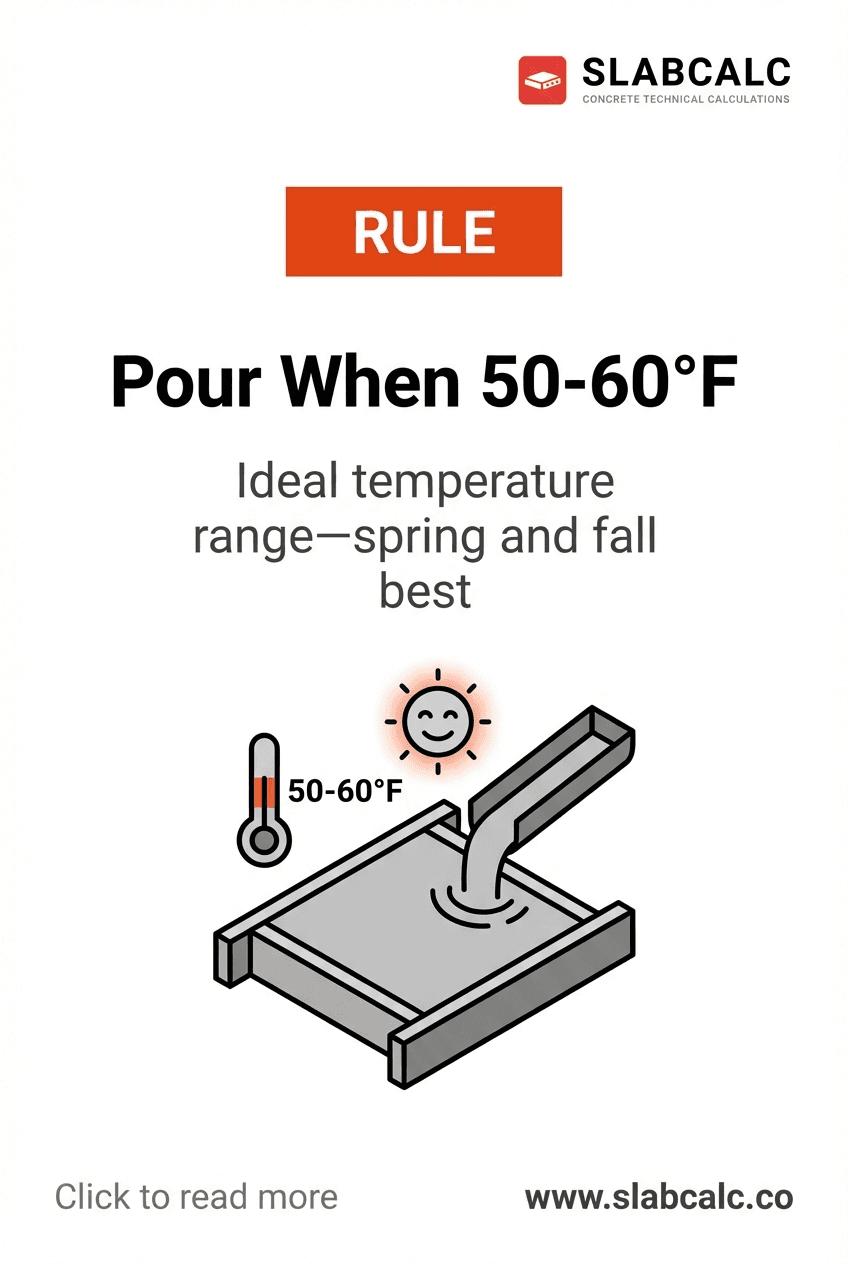
- A thermometer (temperature affects cure time; 70°F is optimal)
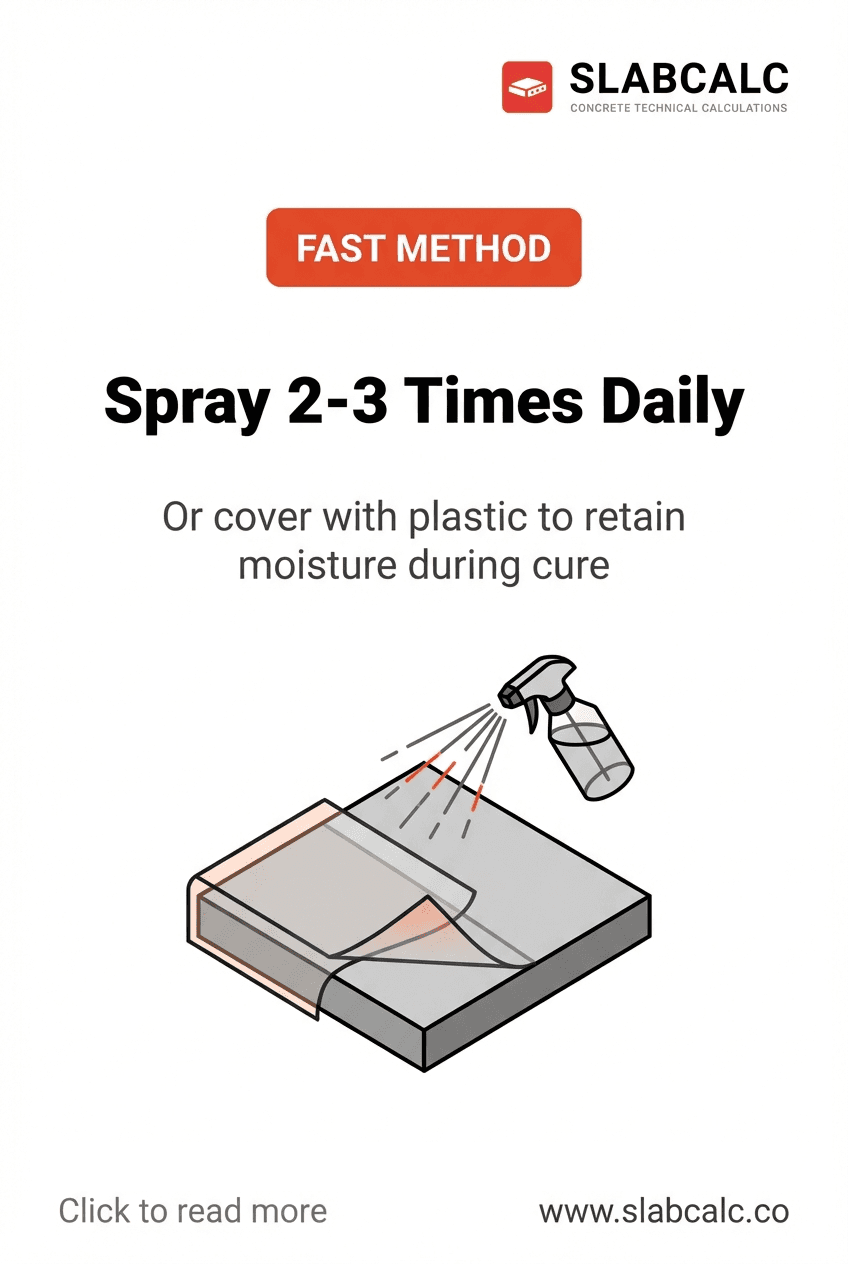
- Simple curing cover (plastic sheeting, cost: $15–25)
Time savings in action:
- Ordering correct PSI: saves 1–2 truck calls and $200–400
- Predictable set time: finishes the job in one day instead of spreading over two
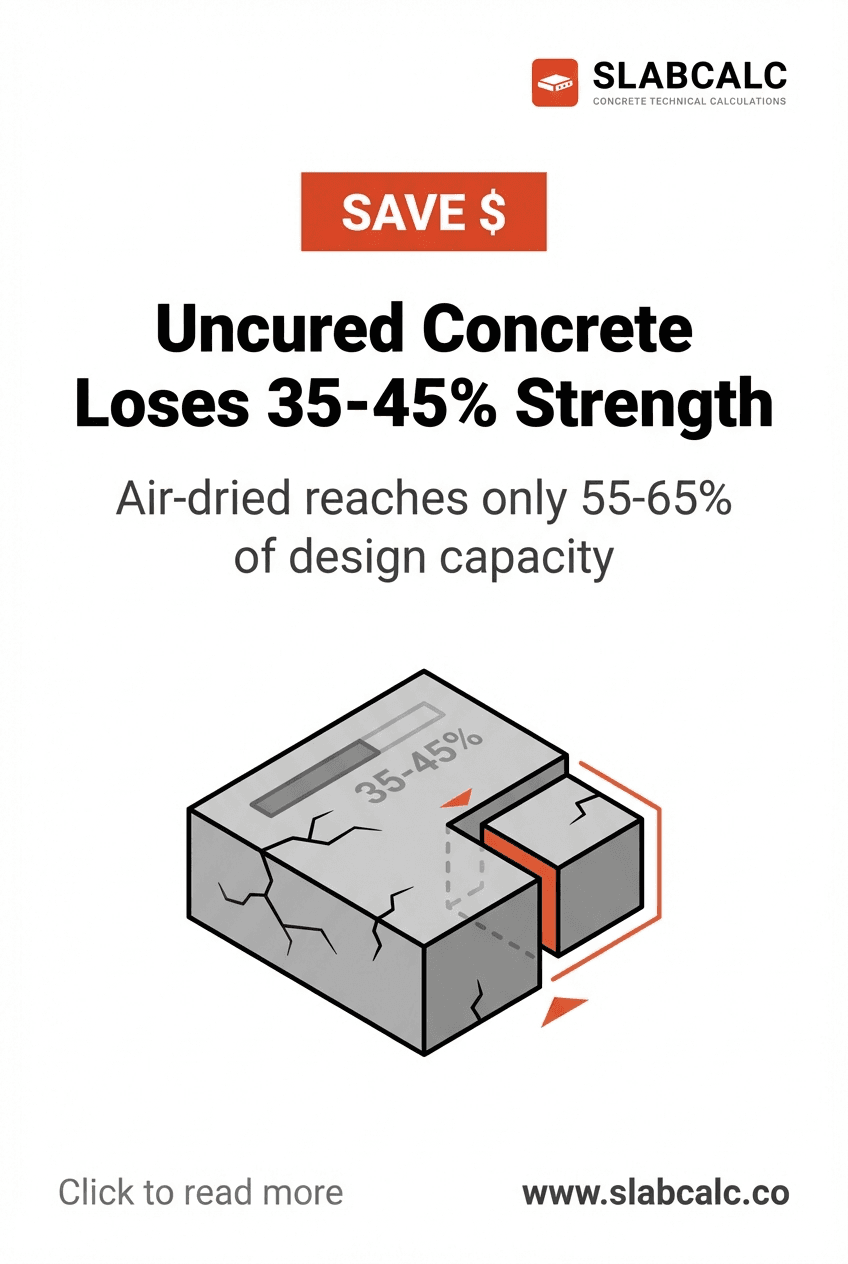
- Proper curing (28 days to full strength): prevents cracking and costly repairs 3–6 months later
Stick to 3,000–4,000 PSI for residential slabs. It's the sweet spot between performance, cost, and workability.