
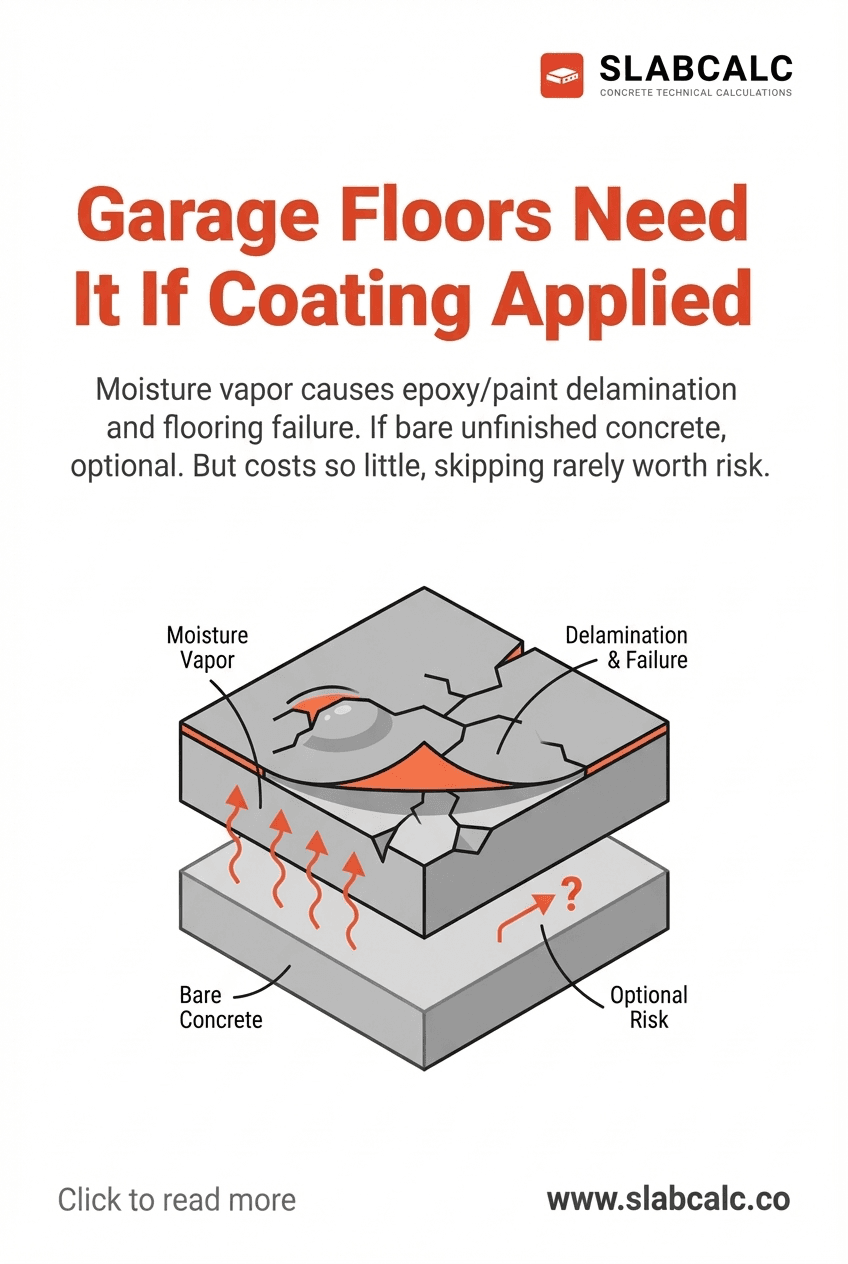
Garage Floors Need It If Coating Applied
The Worst-Case Outcome
Your new garage floor looks pristine after you've spent $800–$1,500 on a professional epoxy coating. Within 18 months, the finish bubbles, peels, and delaminates. You're left with bare concrete again and no warranty coverage. The cost to fix it? Another $1,200–$2,000 plus the labor to remove the failed coating. This is one of the most preventable concrete mistakes—and it happens because a vapor barrier was skipped at the slab stage.
Why Moisture Vapor Destroys Coatings
Concrete is porous. Beneath every slab lies soil that holds water. That water evaporates upward as vapor, migrating through the concrete with relentless pressure. A bare, uncoated slab releases this vapor harmlessly into the air. But the moment you seal the surface with epoxy, polyurethane, or paint, you trap that vapor between the coating and the concrete. The pressure builds. The bond fails. The coating bubbles and peels.
A vapor barrier—typically 6-mil polyethylene sheeting or engineered membrane—sits directly on the soil before the concrete is poured. It blocks moisture vapor from entering the slab in the first place. No trapped vapor means no delamination.
How to Identify the Risk Early
Before you pour, check your soil conditions. Clay-heavy soil is highest risk—it holds water and releases it slowly, maintaining constant moisture contact with the slab. Ask your local building inspector about the water table depth in your area. If groundwater sits within 10 feet of grade, vapor barrier installation is critical.
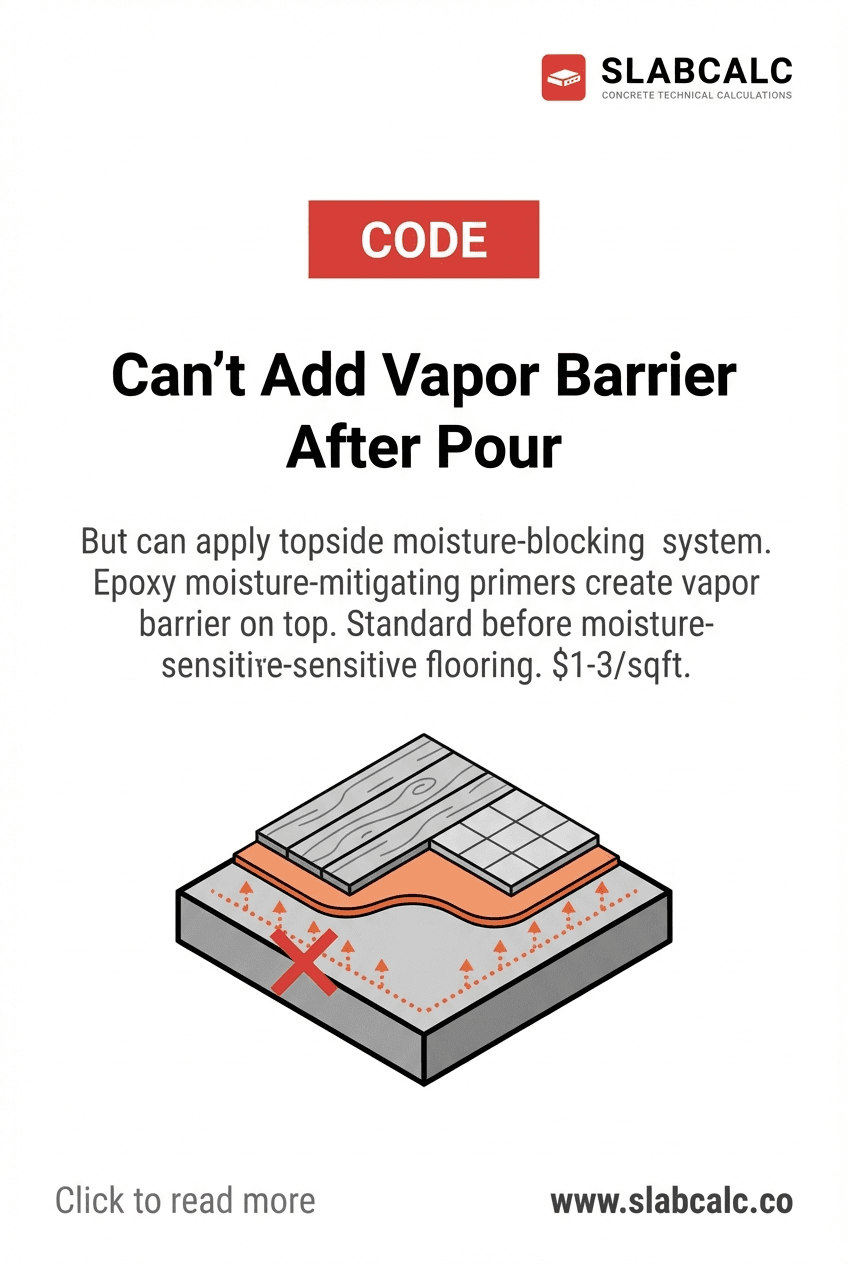
Even if your slab is already poured, you can test it. The calcium chloride test measures moisture vapor transmission rate (MVTR). If results exceed 3–4 lbs per 1,000 sq ft per 24 hours, most epoxy manufacturers will deny warranty coverage. Testing costs $200–$400 and takes 72 hours—cheap insurance before spending $1,500 on coating.
Prevention Checklist
Before Pouring:
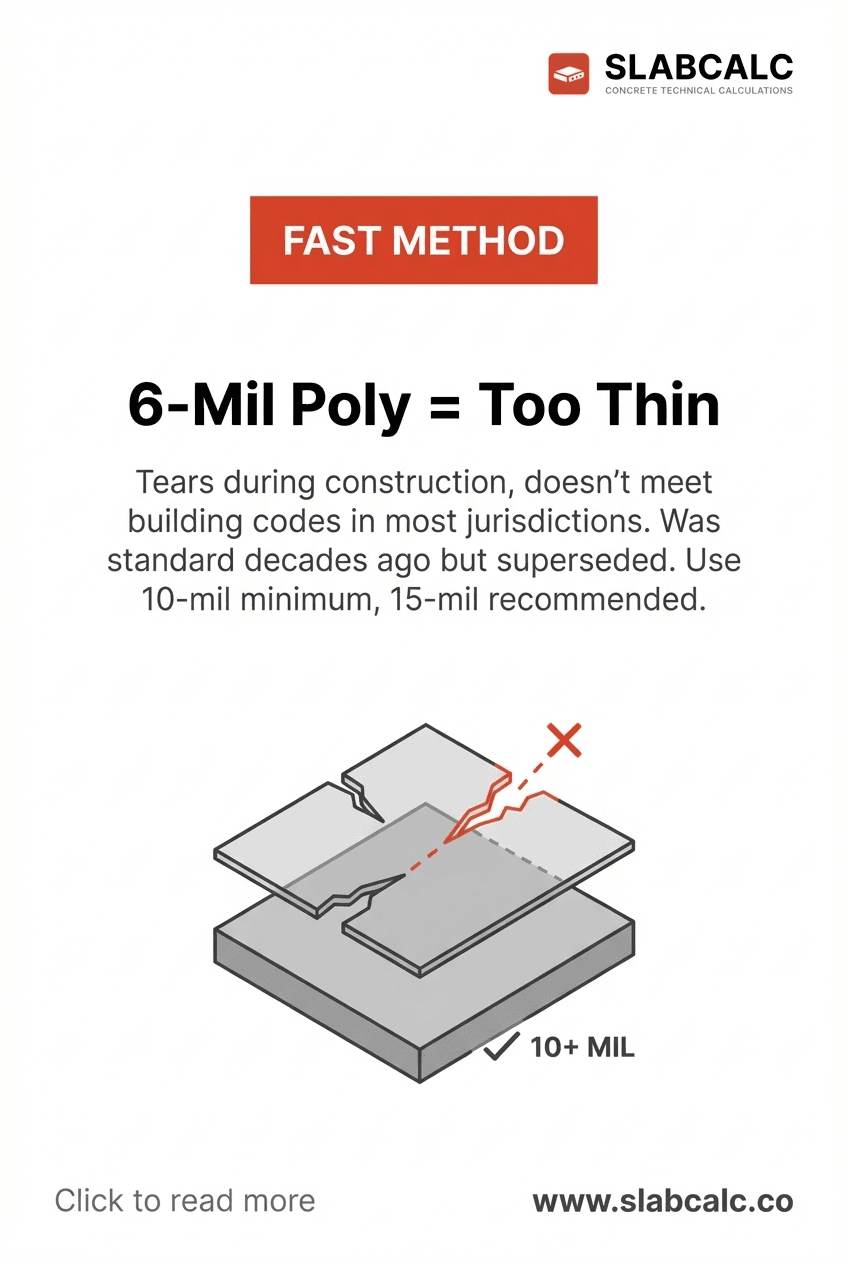
- Use 6-mil polyethylene or 10-mil engineered vapor barrier
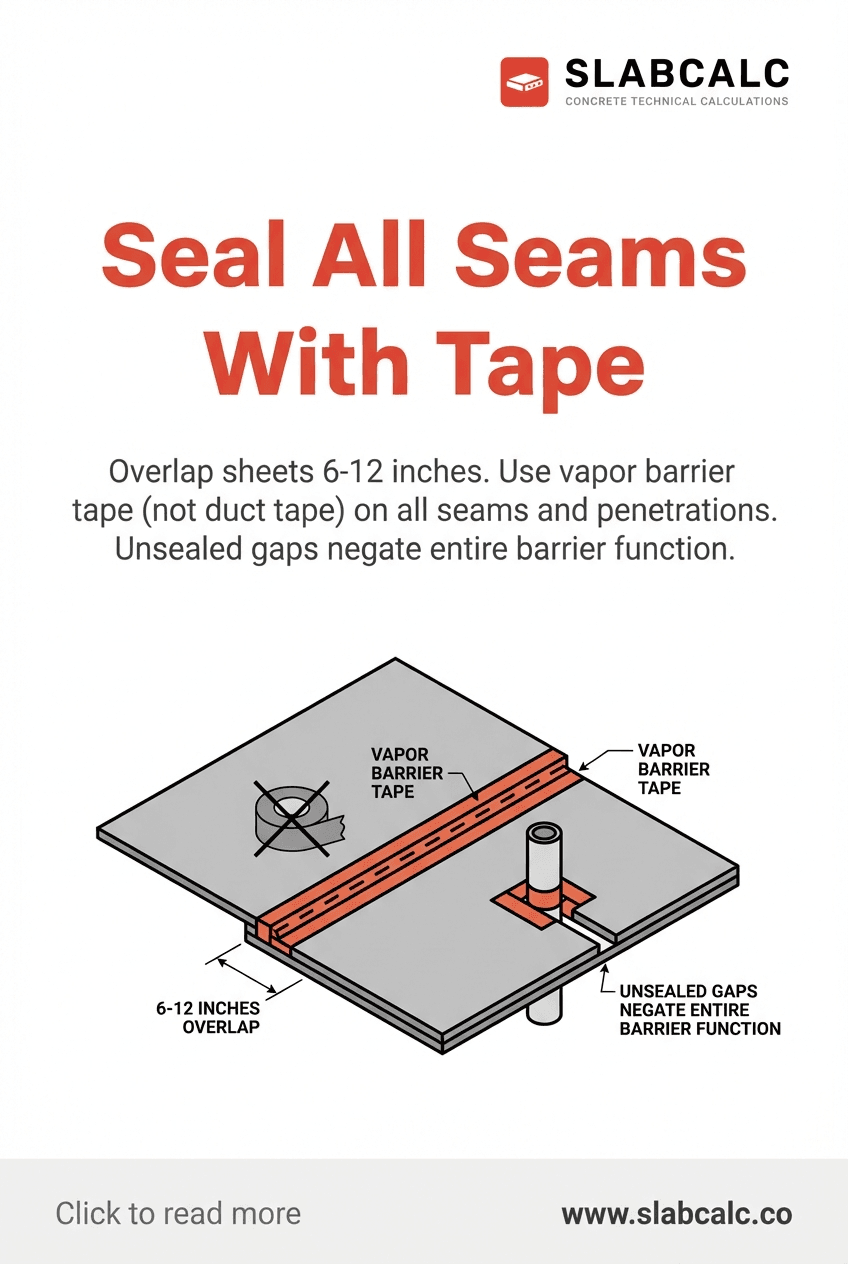
- Lap seams at least 6 inches and seal overlaps with tape
- Cover the entire soil surface, corner to corner
- Install before the subbase or rebar is laid
- Confirm local building codes—some jurisdictions mandate specific materials (such as Class A vapor barriers with permeance ratings under 0.3 perms)
If Coating the Finished Slab:
- Perform a moisture test at least 7 days before coating application
- Ensure results are within the coating manufacturer's specifications
- Document moisture readings for warranty validity
For Bare Concrete:
- A vapor barrier is optional outdoors (driveways, patios)
- It's highly recommended indoors, even if you never plan to coat—future owner or moisture changes may demand it
The barrier costs $0.10–$0.20 per square foot. For a 400-square-foot garage, that's $40–$80. Skipping it to save that amount risks thousands in rework. Install it during the slab pour, and your coating will last 10+ years.