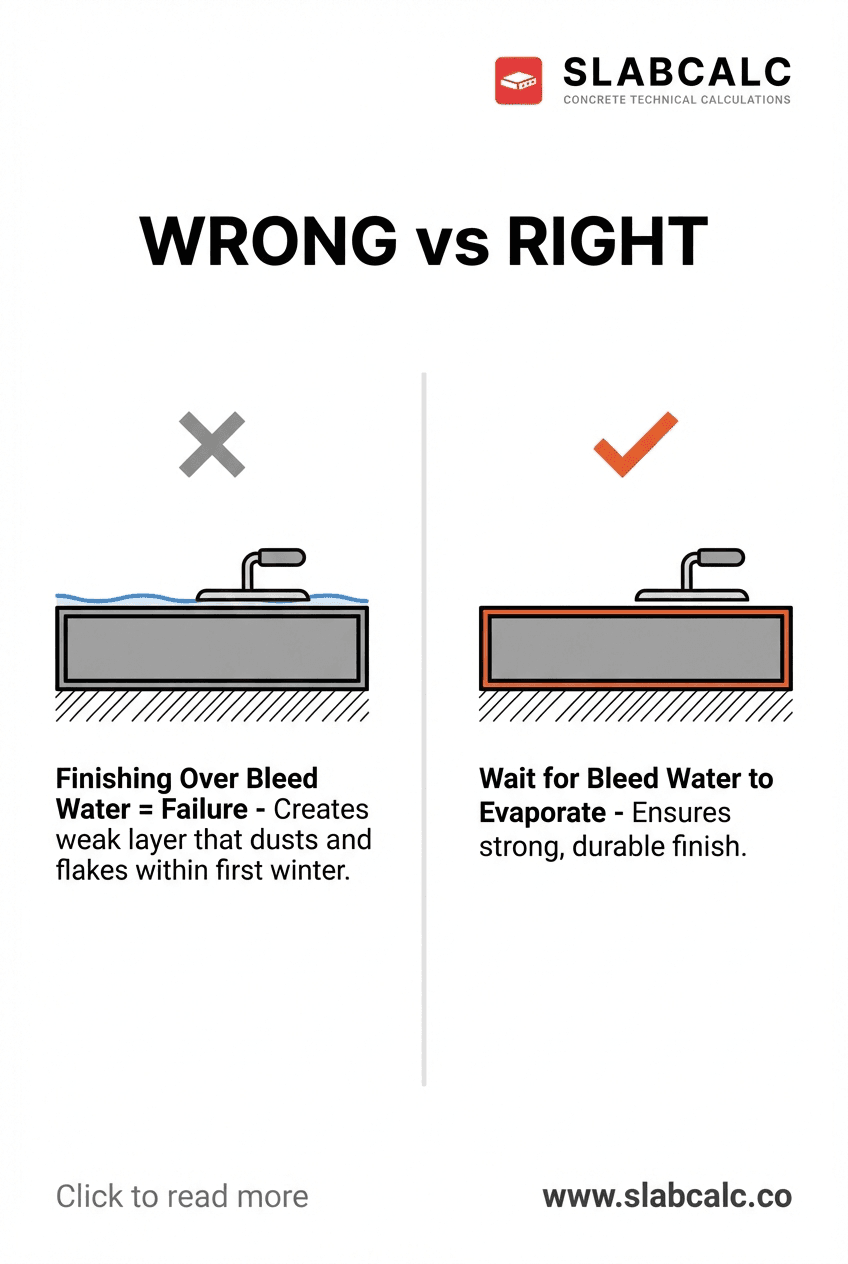
Finishing Over Bleed Water = Failure
Save $2,000–$5,000 by Waiting
Finishing concrete over bleed water creates a weak surface layer that dusts, scales, and flakes within the first winter. Repairing this damage costs $2,000 to $5,000 for a 500-square-foot slab—or $8 to $12 per square foot for grinding, patching, and resealing. The fix? Wait 20 to 90 minutes after screeding before you touch the surface again. This costs nothing and eliminates the problem entirely.
Why Bleed Water Destroys Your Slab
When concrete is placed, water from the mix rises to the surface as cement and aggregate settle. This creates a thin, shiny film called bleed water. If you float, trowel, or edge while this water is present, your tools push it back down and seal it under a layer of cement paste. This creates a weak zone only 1/16 to 1/8 inch thick with a water-cement ratio 2 to 3 times higher than the rest of the slab.
By late spring, foot traffic and weather exposure crack this weak layer. By winter, freeze-thaw cycles accelerate the damage. Flakes appear first at edges and high-traffic areas. By year two, the problem spreads across 30–50% of the slab surface.
The damage is permanent. You cannot patch it with a thin overlay or simple resurface. Your only option is grinding out 1/4 inch of the entire slab surface ($3,000–$4,500 for 500 square feet) or replacing the slab ($8,000–$12,000).
The Cost Comparison
The Cheap Approach (= Failure):
- Finish immediately after screeding: $0 extra labor
- First-year repair bill: $2,500–$5,000
- Ongoing maintenance: $1,000–$2,000 every 3–4 years
- 10-year total cost: $6,500–$13,000
The Right Approach (= Success):
- Screede concrete (standard practice)
- Wait 20–90 minutes for bleed water to disappear
- Finish normally (no extra labor cost)
- Repair bill: $0
- Maintenance: Routine sealing only ($200–$400 every 2–3 years)
- 10-year total cost: $600–$1,200
Your savings: $5,900–$11,800 on a typical residential slab.
How to Know When It's Safe to Finish
Don't use a clock—use these tests:
The Bleed Water Check: Look at the slab surface. You should see no shiny water film. Wipe your hand across the surface. It should feel dry, not slick.
The Thumb Test: Press your thumb firmly into the concrete at a non-visible edge. If water beads up around your thumb, bleed water is still present. Wait longer.
The Weight Test: Gently press a hand float into the surface. If water appears under or around the float, you're too early. The concrete should push back with resistance.
The Decision Framework
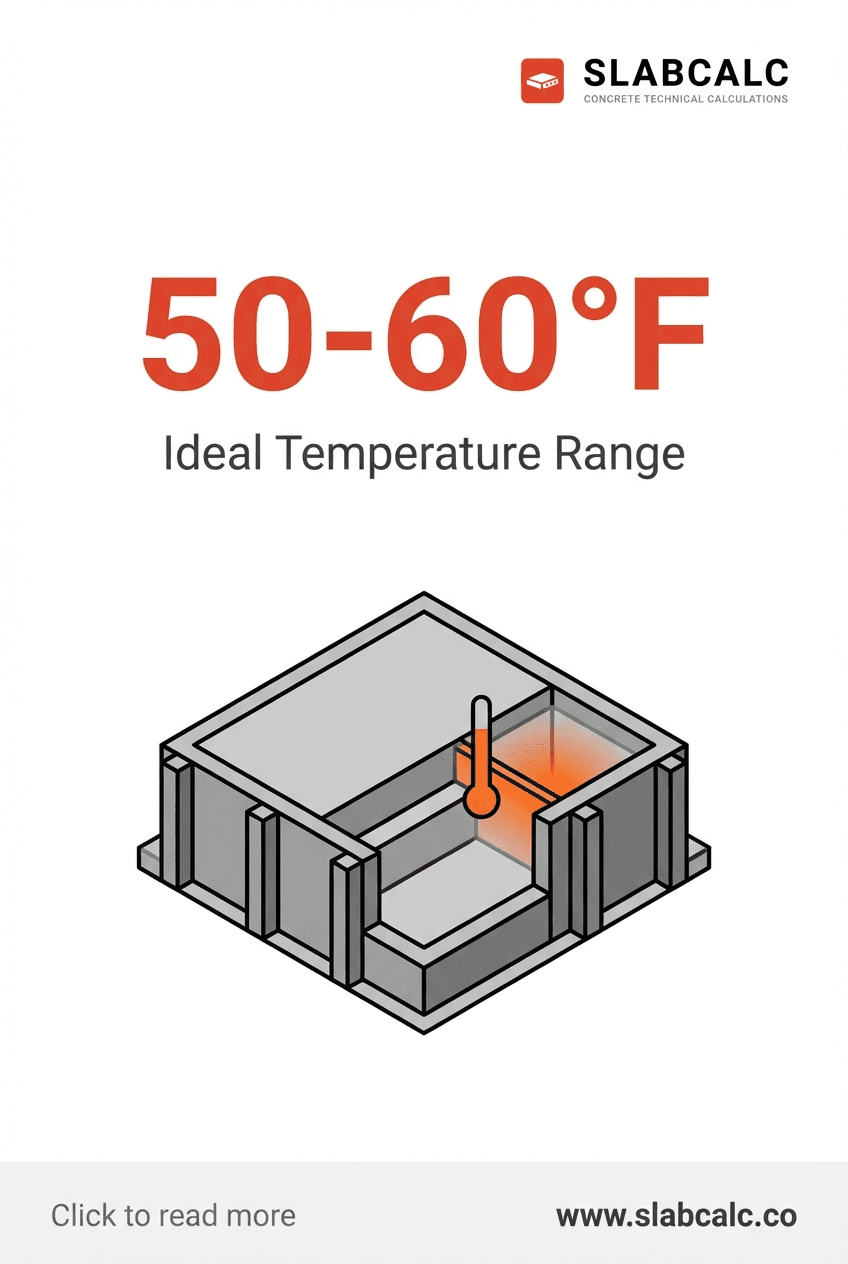
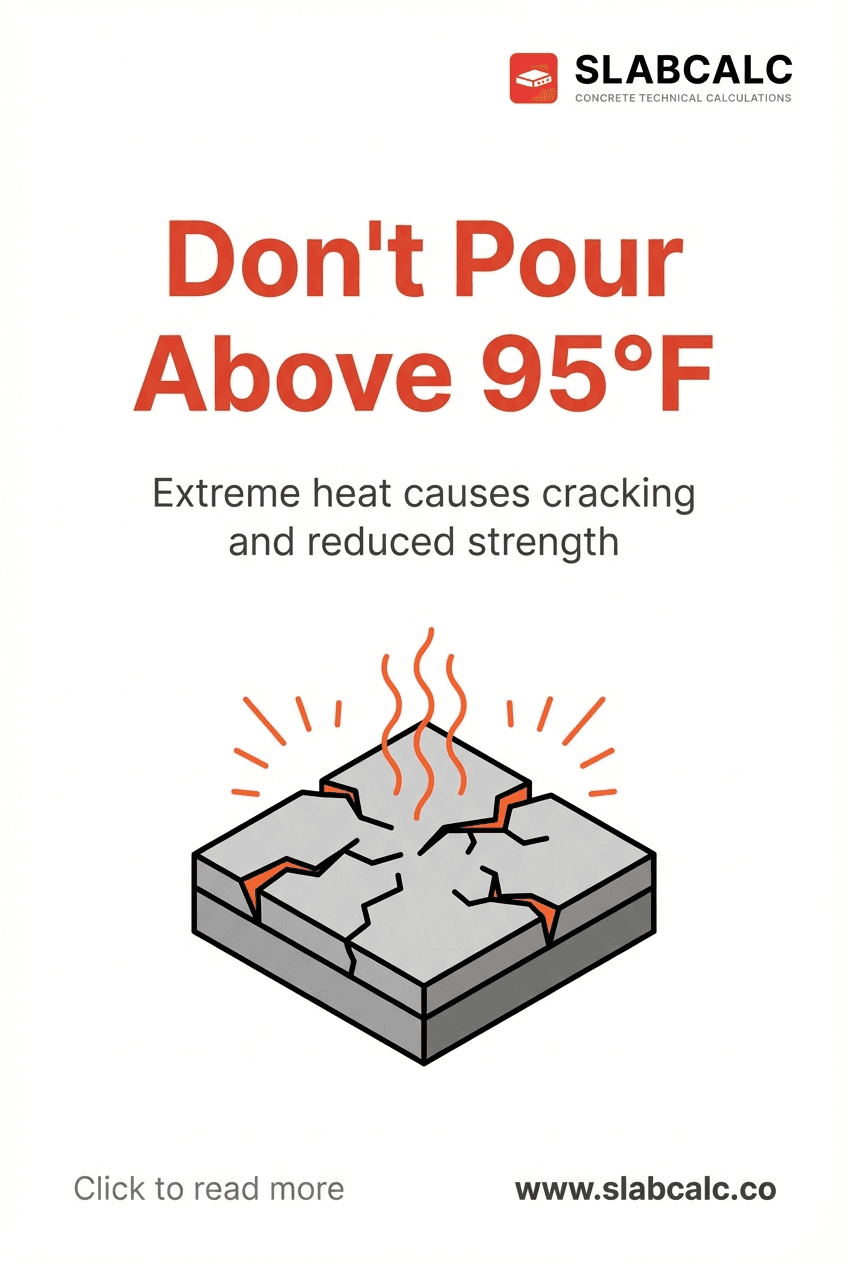
Temperature affects bleed water duration. In 70°F weather, expect 30–45 minutes of bleeding. In cooler conditions (50–60°F), allow 60–90 minutes. In hot, dry weather (85°F+), bleeding may stop in 15–20 minutes, but verify with the thumb test.
Your job is simple: Screen and bull-float immediately. Then step back. Make coffee. Check your phone. In most cases, bleed water will be gone before your coffee gets cold. When the surface feels dry and your thumb test shows no water, you're safe to finish. Your future self will thank you when your concrete still looks flawless in year ten.