

Spring & Fall = Best Seasons
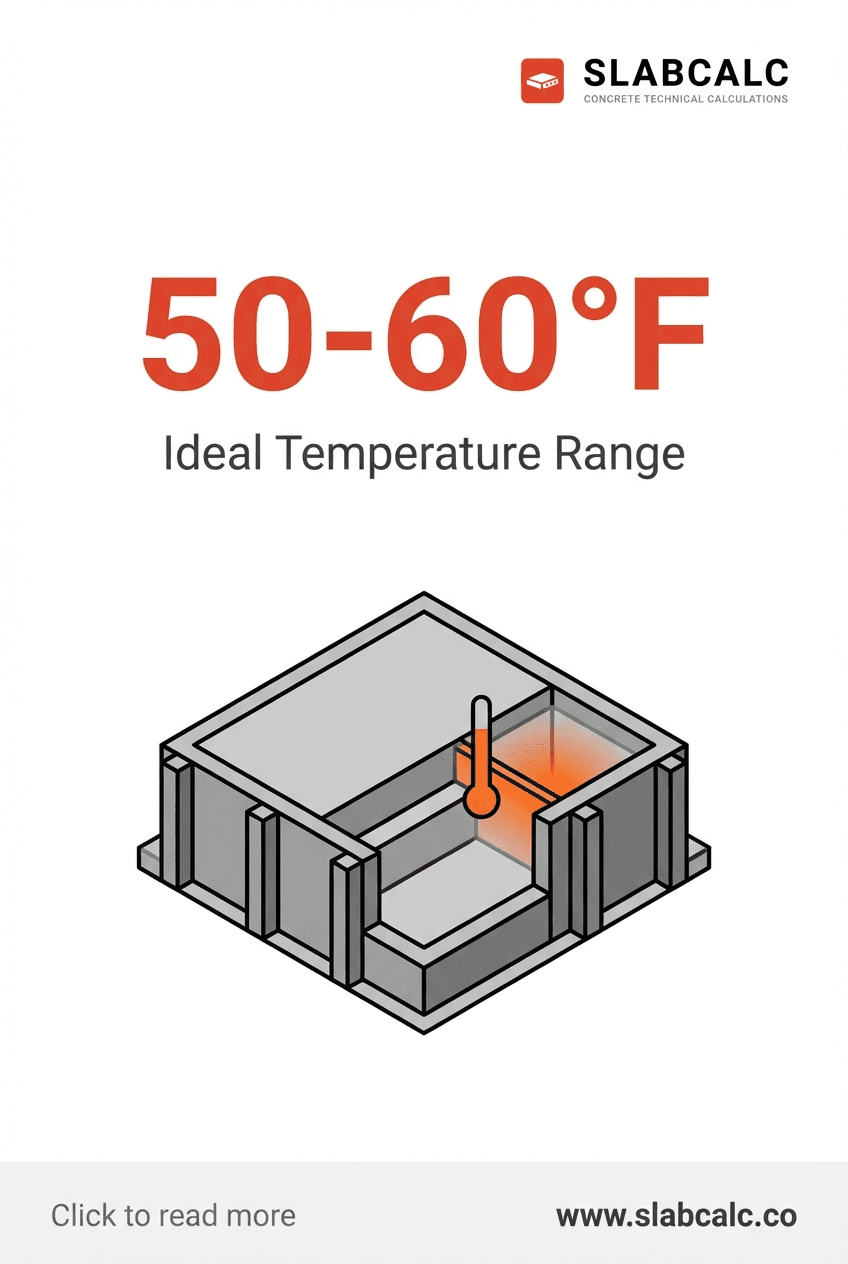
The Code Says: Stay Between 50–60°F
The American Concrete Institute (ACI 306) and most local building codes require that concrete be placed when air and ground temperatures stay between 50°F and 60°F for optimal curing. This isn't a suggestion—inspectors enforce it. If your project fails strength tests and temperatures were outside this range during the first 7 days, the blame (and remediation cost) falls on you.
In plain language: concrete is a chemical reaction. When it's cold, the reaction crawls. When it's hot, the reaction sprints and you lose control. Spring and fall naturally deliver the "Goldilocks zone" most of the continental U.S. needs.
Why These Months Work Nationally
April through May and September through October hit the sweet spot across most American regions. Daytime highs typically land in the 60–75°F range, nighttime temps stay above freezing, and humidity hovers in the comfortable 40–60% range.
Northeast and Midwest: Avoid December through February entirely. Ground temperatures below 40°F mean concrete won't cure properly—it may freeze before hardening. You'd need heated blankets, enclosures, and accelerators, driving costs up 30–50%. It's not worth the headache.
Southeast: Push your window to March–May and September–November. July and August bring 90°F+ heat that forces you to pour at dawn, use expensive retarders, and risk surface cracking from uneven cooling.
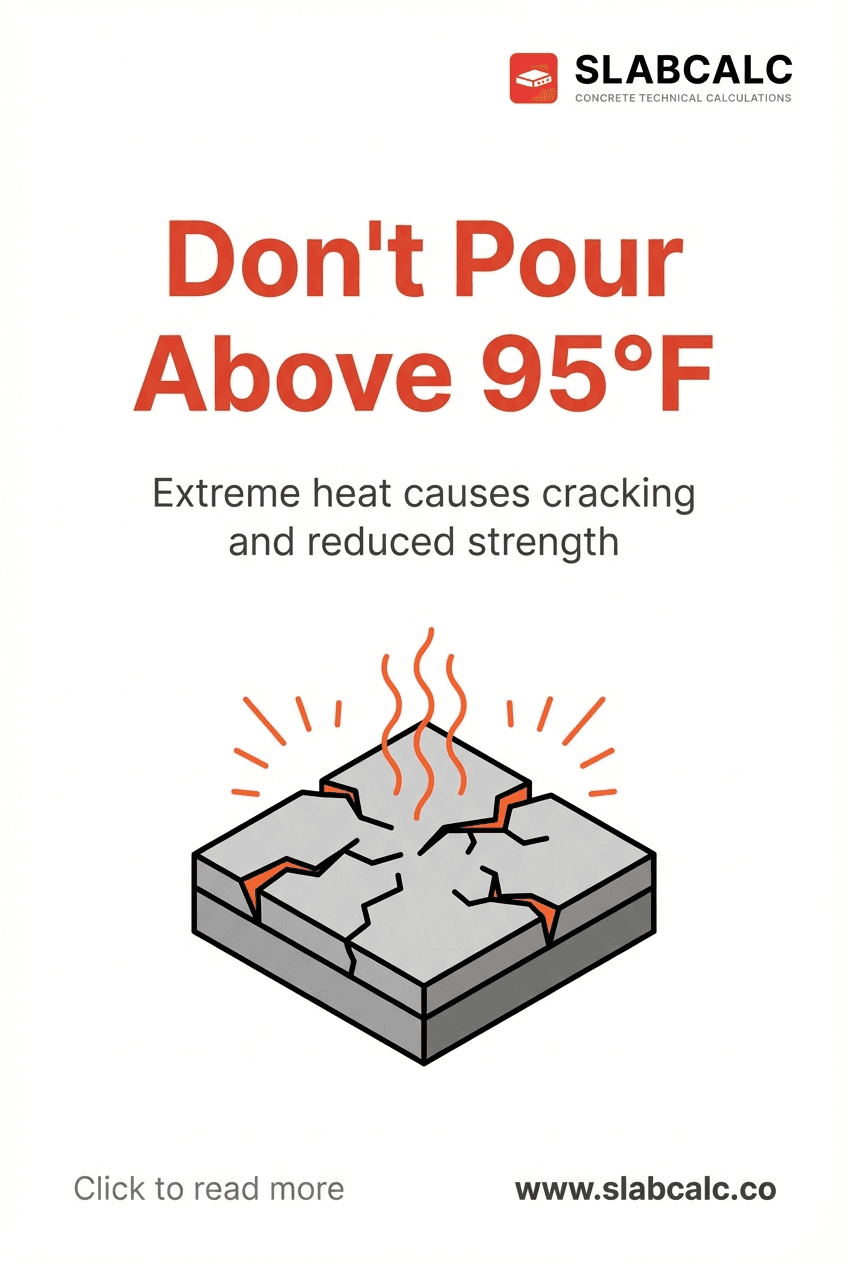
Southwest and California: March–April and October–November. Summer heat above 95°F makes proper finishing nearly impossible. You'll fight the concrete every step.
Pacific Northwest: May–June and September are your windows. October onward brings persistent rain that can compromise curing for weeks.
Practical Implications for Your Wallet
Timing saves money in three ways:
1. Labor efficiency: In 55°F weather, a crew can finish a slab properly without rushing. In 85°F, they're working against the clock, which means overtime premiums (15–25% labor cost increase).
2. Admixture costs: Accelerators cost $40–80 per yard. Retarders and heat blankets add another $100–200 per project. Spring/fall pouring eliminates these extras.
3. Rework risk: Pour concrete in March in the Northeast and it may fail strength tests due to freeze exposure. You're replacing the entire slab—potentially $1,500–4,000 down the drain.
Common Violations (And Why Contractors Do It)
Many homeowners and budget-conscious contractors pour year-round because "it's cheaper now" or "the forecast looks okay." This creates three problems:
- Winter pours set slowly and crack; strength gains plateau early
- Summer pours demand constant supervision and specialty additives
- Unexpected cold snaps (April snow, October frost) can ruin otherwise-timed work
The Bottom Line
Book your concrete pour for April–May or September–October. Ground conditions are stable, air temperatures are predictable, and your contractor doesn't need to fight the weather. You'll get proper curing, predictable strength gain, and a slab that lasts 30+ years without preventable cracking. In any other season, you're adding risk and cost to save a few weeks.