
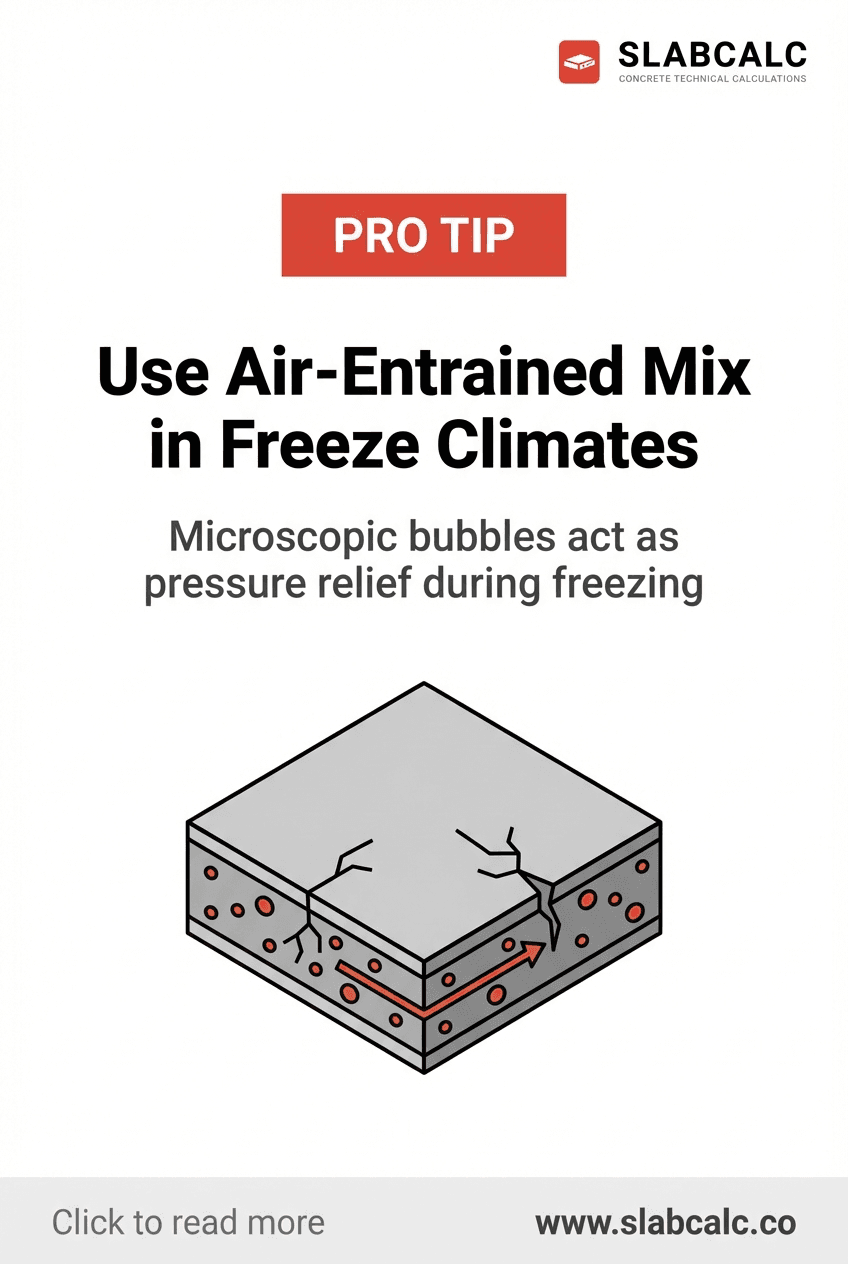
Use Air-Entrained Mix in Freeze Climates
The Mistake Most Homeowners Make
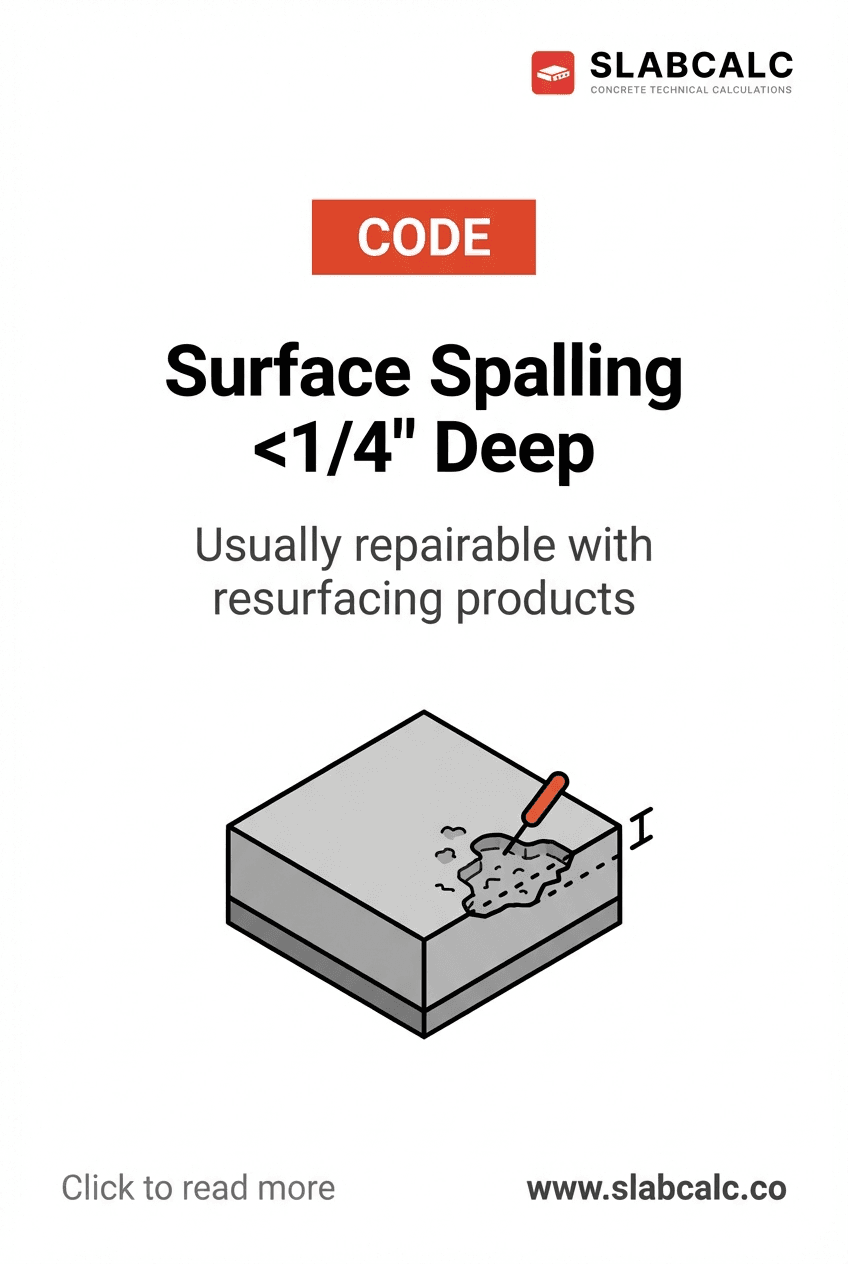
You order standard concrete for your driveway, patio, or foundation in a climate where winter temperatures drop below 32°F. Contractor pours it, finishes it smooth, and for the first year everything looks great. Then winter arrives. By spring, you're looking at spalling—flaking, pitting, and surface deterioration that spreads across your slab like a disease.
The problem: you didn't specify air-entrained concrete, and neither did your contractor. This single detail costs thousands in premature repairs or complete replacement.
What Air-Entrained Concrete Actually Does
Air-entrained concrete contains millions of microscopic air bubbles—typically 4–8% of the concrete's volume. These aren't visible to the naked eye, but they're the difference between a slab that lasts 50 years and one that deteriorates in 5.
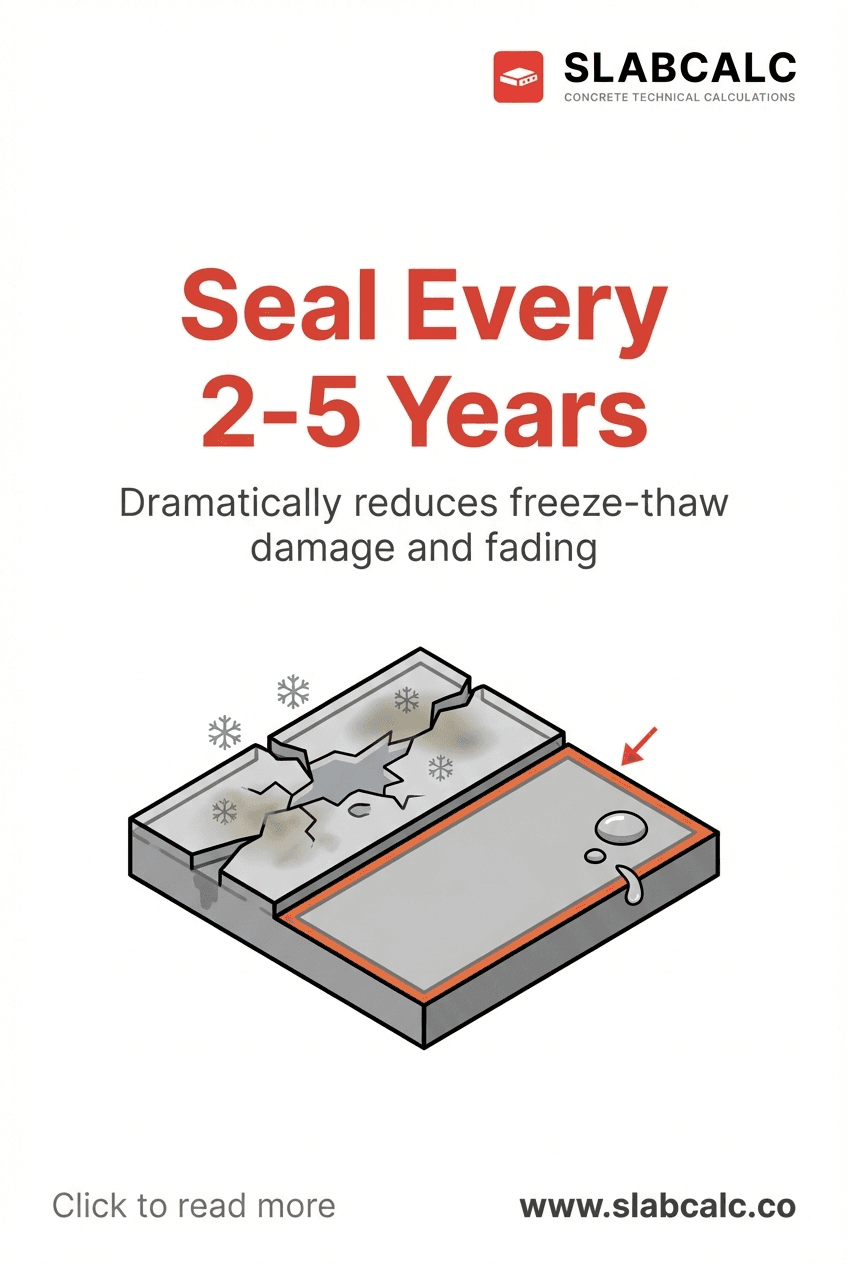
When water enters concrete pores (which happens everywhere), it freezes during winter. Water expands 9% when frozen. In regular concrete, this expansion creates internal pressure with nowhere to go—the concrete fractures from within. In air-entrained concrete, those tiny air bubbles act as pressure relief valves. When ice forms, the expansion has space to move into, preventing catastrophic internal damage.
Why This Matters in Freeze-Thaw Climates
In regions like Minnesota, Wisconsin, Ohio, Pennsylvania, and Canada, concrete experiences 20–40 freeze-thaw cycles annually. Non-air-entrained concrete degrades progressively with each cycle. Surface spalling typically begins in year 2–4 and accelerates.
Air-entrained concrete is non-negotiable if your climate experiences:
- Winter temperatures below 28°F regularly
- Deicing salt exposure (which dramatically accelerates spalling)
- More than 5 freeze-thaw cycles per winter
The cost difference is minimal: air entrainment adds $15–30 per cubic yard to your concrete mix. Replacing a spalled 300 square-foot driveway costs $2,400–4,500. The math is obvious.
How to Specify Air-Entrained Concrete
Step 1: Before ordering, confirm your climate zone requires it. Check local building codes—most northern regions mandate 4–6% air entrainment for exterior slabs.
Step 2: Tell your concrete supplier explicitly: *"I need air-entrained concrete, 4–6% air content." Don't assume they'll include it.
Step 3: Request a concrete mix design that specifies air entrainment. It should appear on the ticket as "AE" or "air entrainment: yes."
Step 4: Ensure proper finishing. Air-entrained concrete is slightly softer to finish, but contractors must resist over-troweling, which removes surface air bubbles and defeats the purpose.
Step 5: Cure properly. Keep the slab moist for 7 days minimum and avoid heavy salt application the first winter.
The Professional Standard
Concrete contractors in freeze-thaw regions automatically specify air-entrained concrete for exterior work. It's not a premium add-on—it's baseline protection. If your contractor questions whether you need it, find a new contractor.
Air entrainment won't prevent all concrete problems, but it eliminates the single most common cause of premature spalling in cold climates. It's the most cost-effective insurance your concrete project can have.