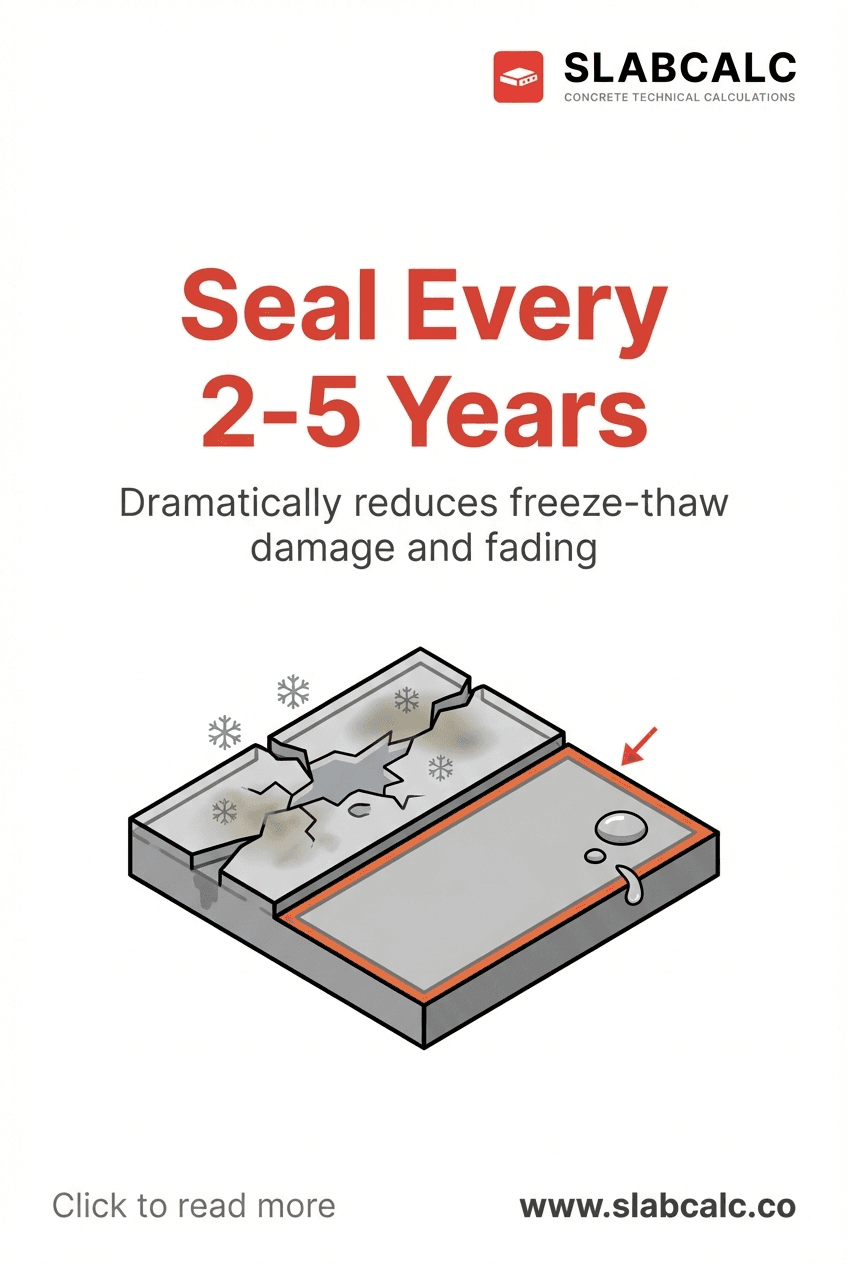
Seal Every 2-5 Years
The Material Spec That Stops Spalling
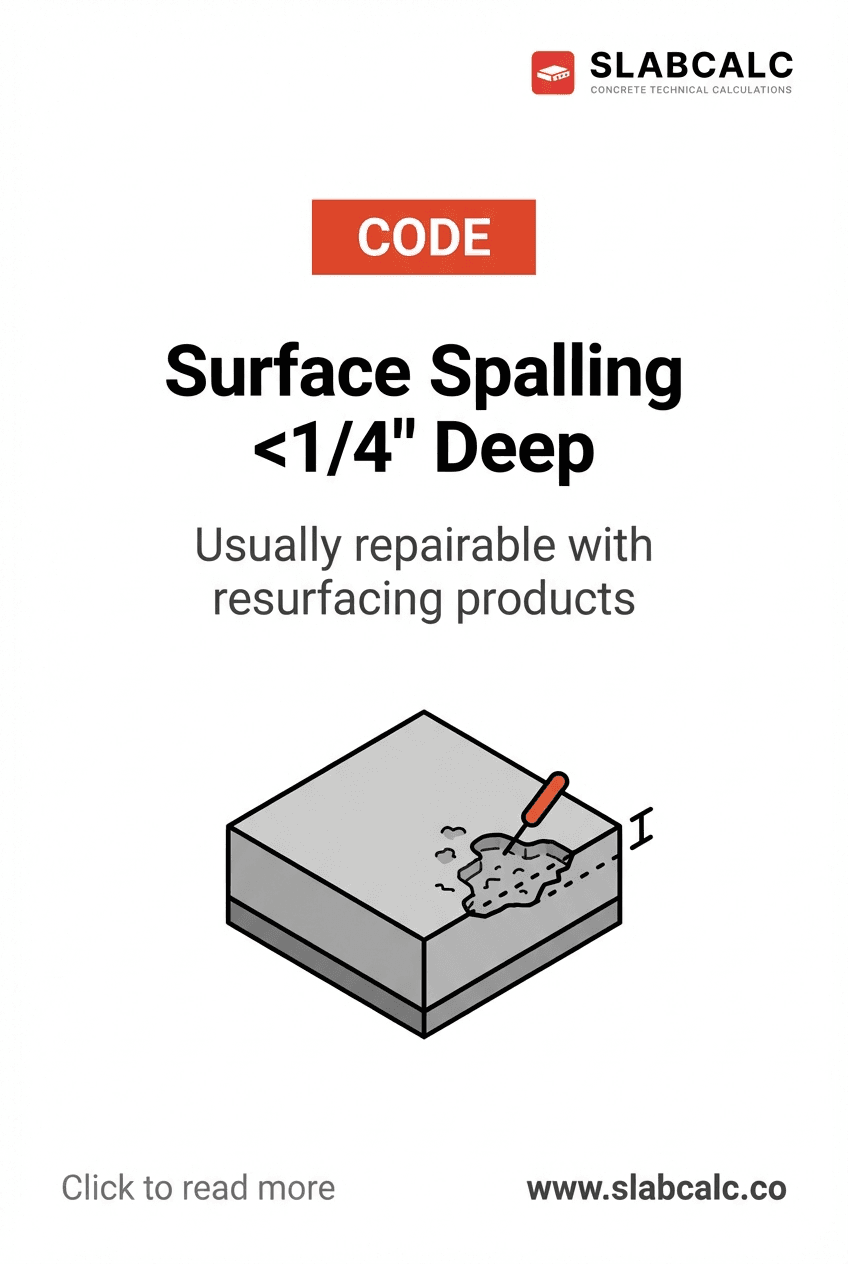
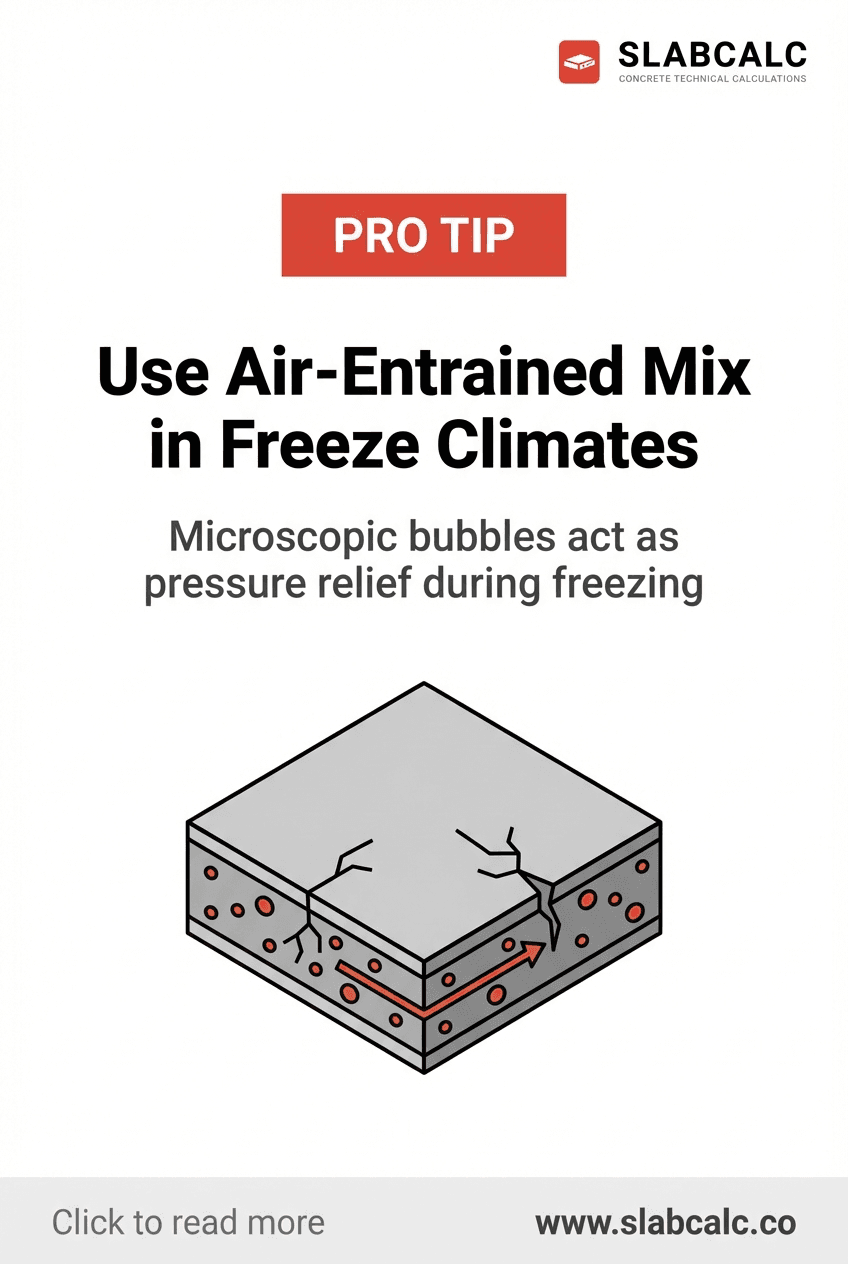
A quality concrete sealer applied every 2–5 years is the single most effective defense against freeze-thaw spalling and surface deterioration. Without it, water penetrates concrete pores, expands 9% when frozen, and literally explodes the top layer from inside out. Sealed concrete extends slab life by 15–20 years in harsh climates.
The specification matters because not all sealers perform equally. A penetrating sealer (silane/siloxane) stops water at the source by blocking pores. A topical sealer (acrylic or polyurethane) sits on the surface and wears away faster—but costs 40–50% less. For driveways in freeze-thaw zones, penetrating sealers are worth the premium ($0.40–$0.60 per square foot vs. $0.20–$0.30 for topical).
Why 2–5 Years Is the Sweet Spot
Concrete continues absorbing water long after it cures. Winter salt spray and rainfall accelerate moisture infiltration. Studies show unsealed concrete in freeze-thaw regions experiences visible spalling within 3–5 years. A penetrating sealer maintains effectiveness for 3–5 years; topical sealers typically last 1–2 years before UV exposure breaks down the coating.
Resealing at the 2-year mark (for topical) or 4-year mark (for penetrating) keeps your slab ahead of the damage curve. Delaying resealing beyond 5 years means water has already re-saturated the surface, and spalling risk climbs steeply.
Which Sealer Type to Specify
Penetrating Sealers (Silane/Siloxane)
- Penetrate 2–4 inches into concrete
- Reduce water absorption by 95%+
- Invisible; don't change color or create a shine
- Cost: $0.40–$0.60/sq ft + labor
- Best for: High-traffic areas, driveways, freeze-thaw zones
- Coverage: 250–400 sq ft per gallon
Topical Sealers (Acrylic, Polyurethane)
- Form a hard film on the surface
- Enhance color and add slight sheen
- Easier DIY application
- Cost: $0.20–$0.30/sq ft + labor
- Best for: Appearance-sensitive projects, garages
- Coverage: 400–600 sq ft per gallon
For homeowners in northern climates, penetrating silane sealer is the smart spec. It's worth the extra cost because it prevents the expensive damage that forces patching or replacement.
Application and Sourcing Tips
Apply sealer when concrete is at least 28 days old and the surface is clean and dry (moisture content below 6%). Spring or fall is ideal—avoid summer heat and winter freeze. Expect to spend $100–$300 in materials for a 1,000 sq ft driveway, plus 4–6 hours of labor.
Buy sealer from concrete supply houses, not big-box stores. Brands like Quaker, Sakrete, and Stoneline offer proven performance and technical support. Always request a safety data sheet and follow ventilation requirements on polyurethane products.
Resealing is far cheaper than repairing spalled concrete. One spall patch (4–6 sq ft) costs $150–$400 in materials and labor. A full slab reseal of the same area costs $50–$80. The math is simple: seal every 2–5 years and avoid structural damage.