
1/8 Inch Cracks
The Magic Number: 1/8 Inch
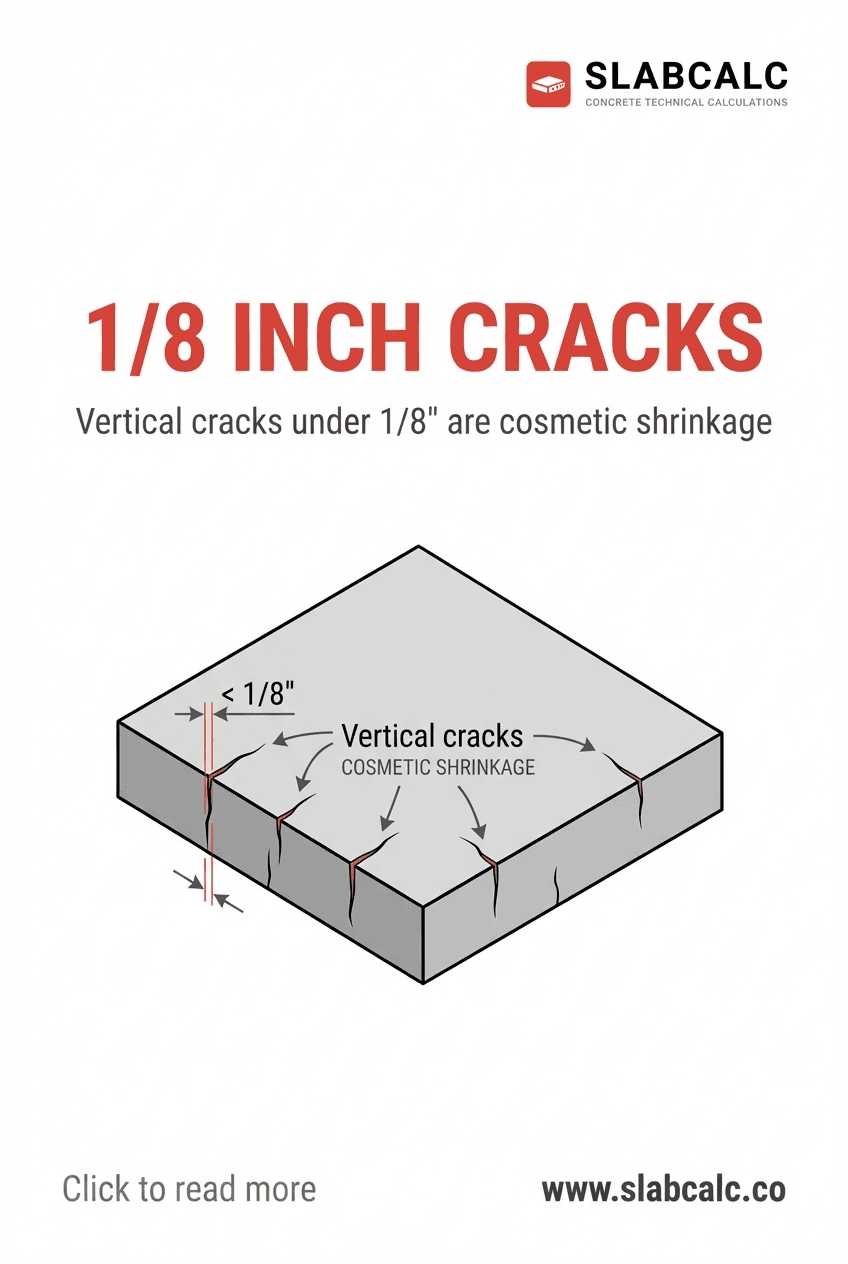
1/8 inch is the threshold between cosmetic and concerning. Vertical cracks in basement concrete walls that measure under 1/8 inch wide are almost always harmless shrinkage cracks. This measurement matters because it separates what you can ignore from what requires action. If your basement wall has vertical cracks narrower than 1/8 inch, you likely don't have a structural problem.
Why This Width Matters
Concrete shrinks as it cures—typically 0.5% to 1% of its original volume. When a basement wall is poured, it's held tight at both the top (where it meets the rim joist) and bottom (where it meets the footing). This restraint creates tension. The concrete can't move freely, so it relieves that stress by cracking vertically, like pulling taffy. These cracks are inevitable, and they're stable once they form.
The 1/8 inch threshold exists because cracks narrower than this don't allow water infiltration under normal conditions and rarely indicate settlement or structural movement. Wider cracks, especially those approaching 1/4 inch or beyond, suggest deeper issues like soil settlement, hydrostatic pressure, or wall bowing.
When 1/8 Inch Still Requires Attention
Not every sub-1/8 inch crack can be left alone. Three situations demand action:
Active water leakage: Even a hairline crack can weep water if hydrostatic pressure is pushing against the wall. If you see efflorescence (white mineral deposits) or dark staining along a crack, seal it with polyurethane caulk or concrete crack filler.
Horizontal or diagonal cracks: The 1/8 inch rule applies only to vertical cracks. Horizontal cracks, even narrow ones, indicate wall movement and warrant professional evaluation.
Rapidly growing cracks: Mark the crack with a pencil or tape, photograph it, and check monthly. If it's visibly wider after 3–6 months, contact a structural engineer.
Practical Steps for Your Basement
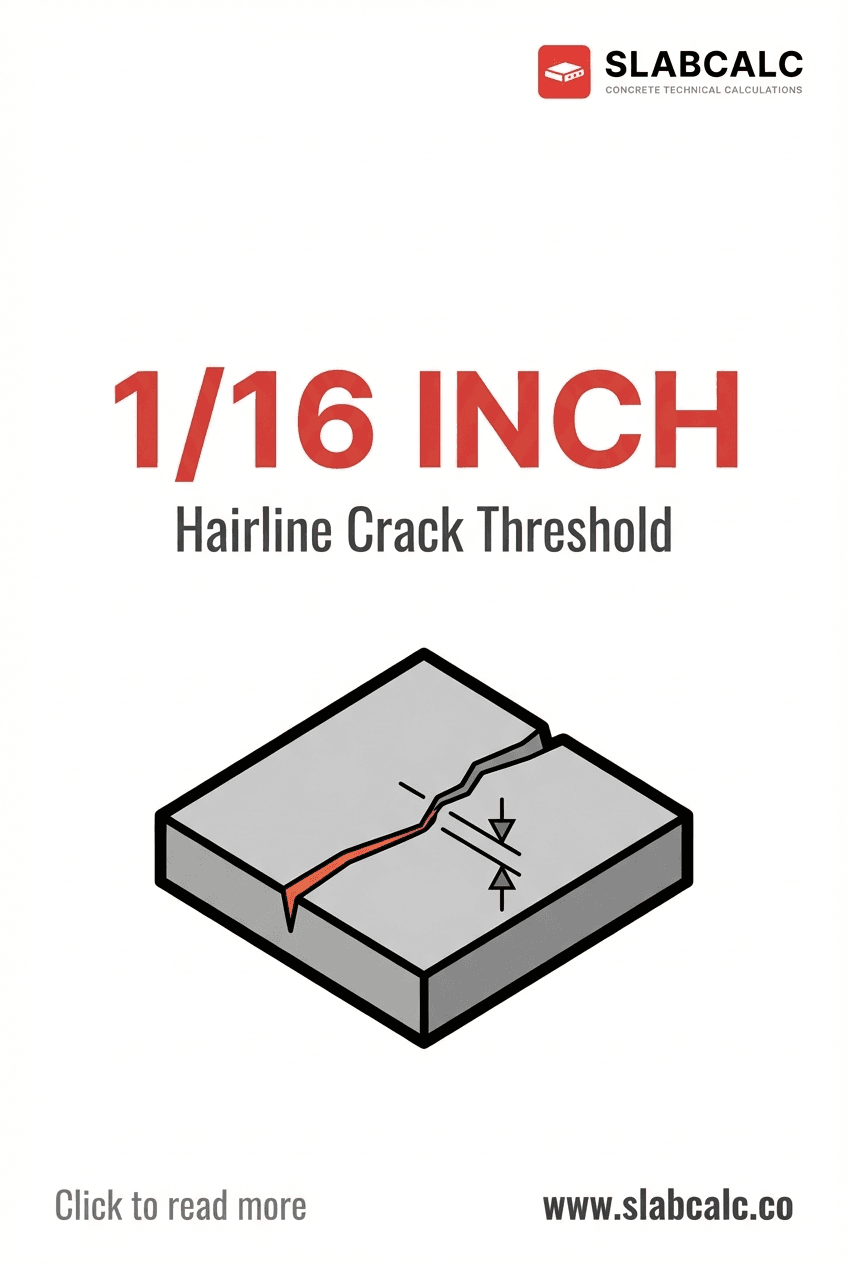
Start by measuring your cracks with a ruler or calibrated crack gauge. Take photos of any cracks wider than 1/16 inch. Document the location, orientation, and width.
For vertical cracks under 1/8 inch with no water leakage, monitor them annually but no intervention is necessary. If you want a finished appearance, a cosmetic concrete stain or paint will hide them completely.
For cracks showing water or measuring wider than 1/8 inch, use a concrete epoxy or polyurethane sealant. These cost $15–40 per tube and create a waterproof bond. Clean the crack with a wire brush, vacuum out dust, and apply the filler according to product instructions.
Don't assume every basement crack signals foundation failure. The 1/8 inch measurement is your first diagnostic tool. Use it to prioritize repairs and avoid expensive unnecessary work.