
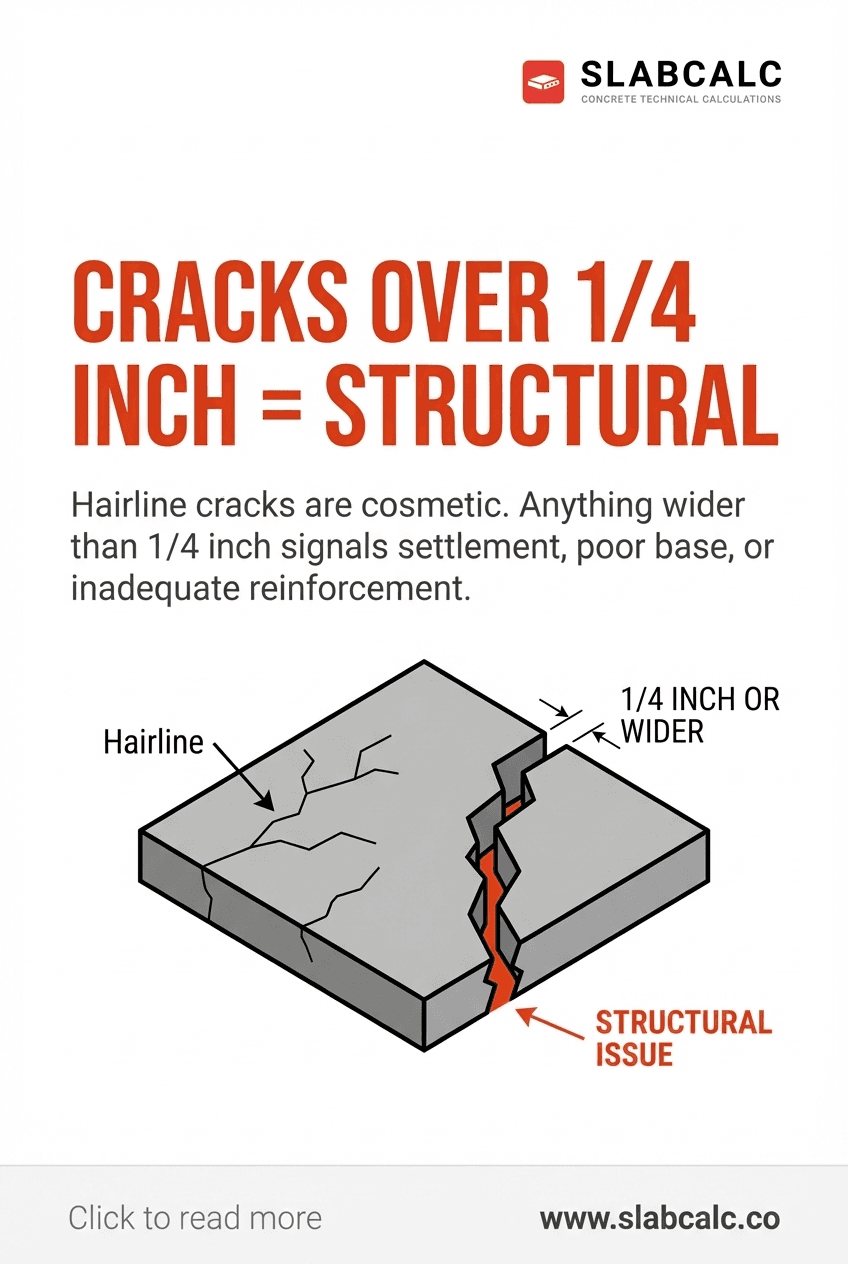
CRACKS OVER 1/4 INCH = STRUCTURAL
The 1/4 Inch Rule Explained
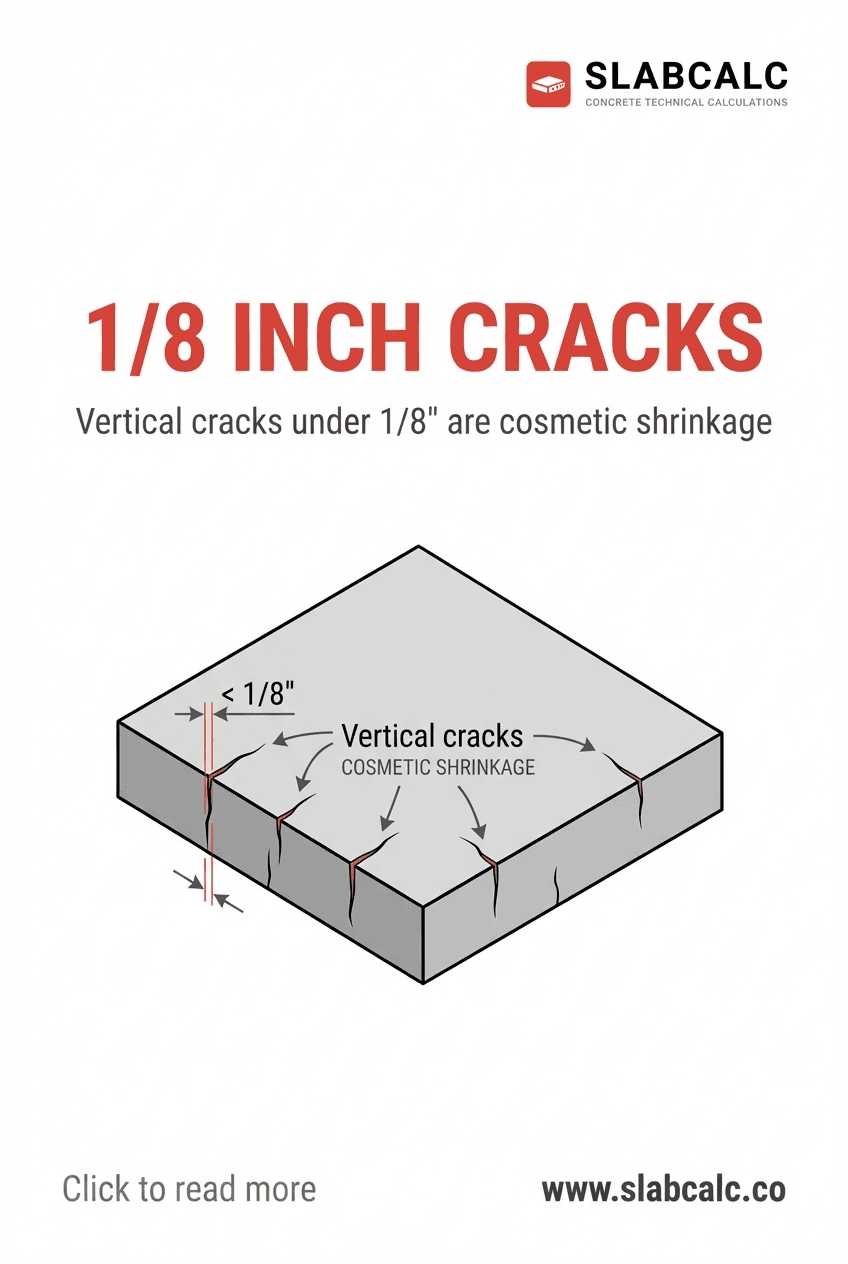
1/4 inch (6mm) is the line between cosmetic damage and real structural trouble. Cracks narrower than this are typically shrinkage cracks—normal, expected, and not a sign of failure. Cracks wider than 1/4 inch indicate your slab is moving, settling, or was inadequately reinforced from the start. This is the measurement that separates a quick cosmetic fix from a potential tear-out and replacement.
Why does this specific number matter? Concrete naturally shrinks as it cures and loses moisture. In the first 28 days, expect hairline cracks under 1/16 inch in most slabs. These are superficial and don't affect structural integrity. But anything wider than 1/4 inch means forces are at work—differential settlement, poor subgrade preparation, insufficient rebar or wire mesh, or concrete that was poured too thin. At that width, water infiltration becomes a real risk, especially in basements and freeze-thaw climates, and the crack will continue to widen under load.
When the 1/4 Inch Rule Applies
Use this measurement for any residential concrete slab experiencing active cracking. It applies to driveways, patios, garage floors, basement slabs, and sidewalks. Measure the widest point of the crack with a ruler or caliper—not at the edges where it may taper.
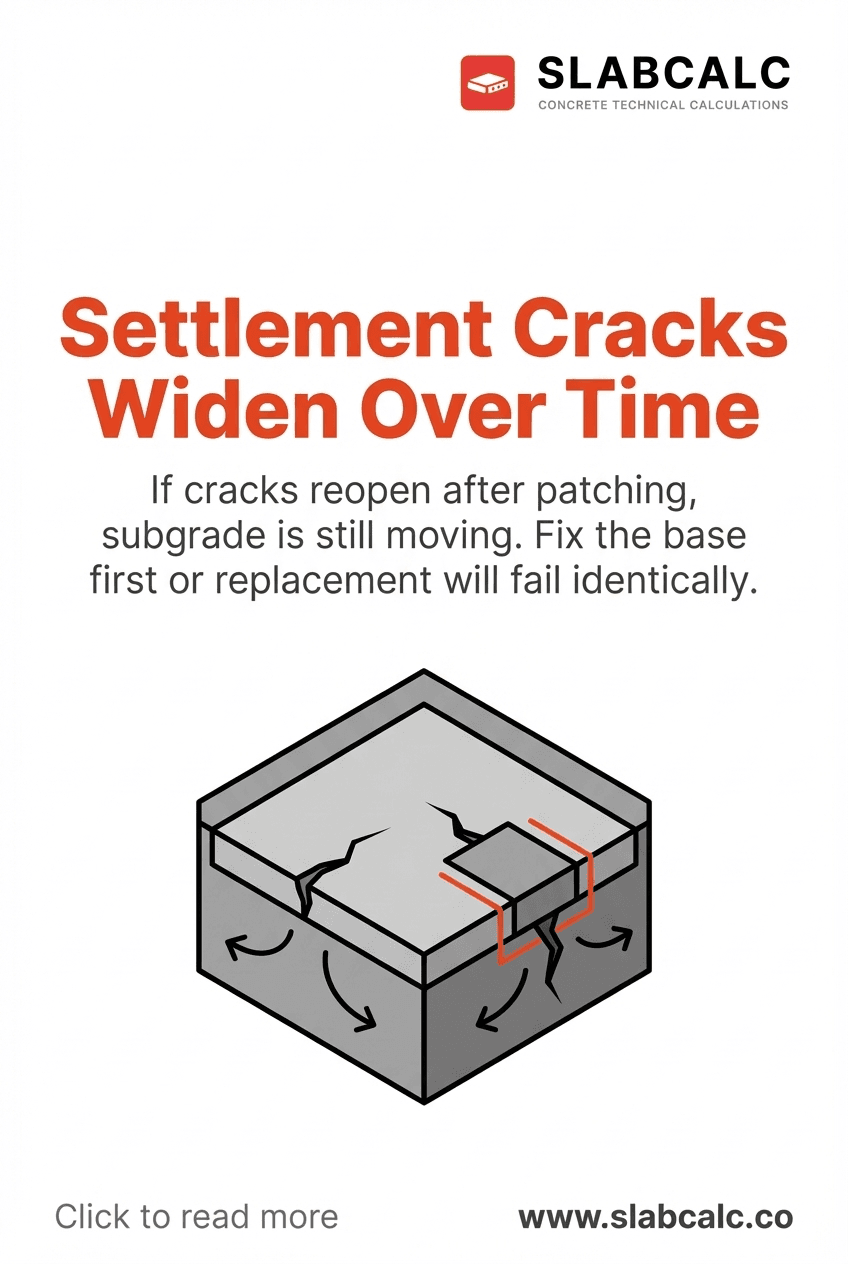
The rule applies only to vertical cracks or cracks running across the slab surface. Vertical displacement matters too: if one side of the crack is noticeably higher than the other (called "step"), this signals serious settlement and requires professional assessment regardless of width.
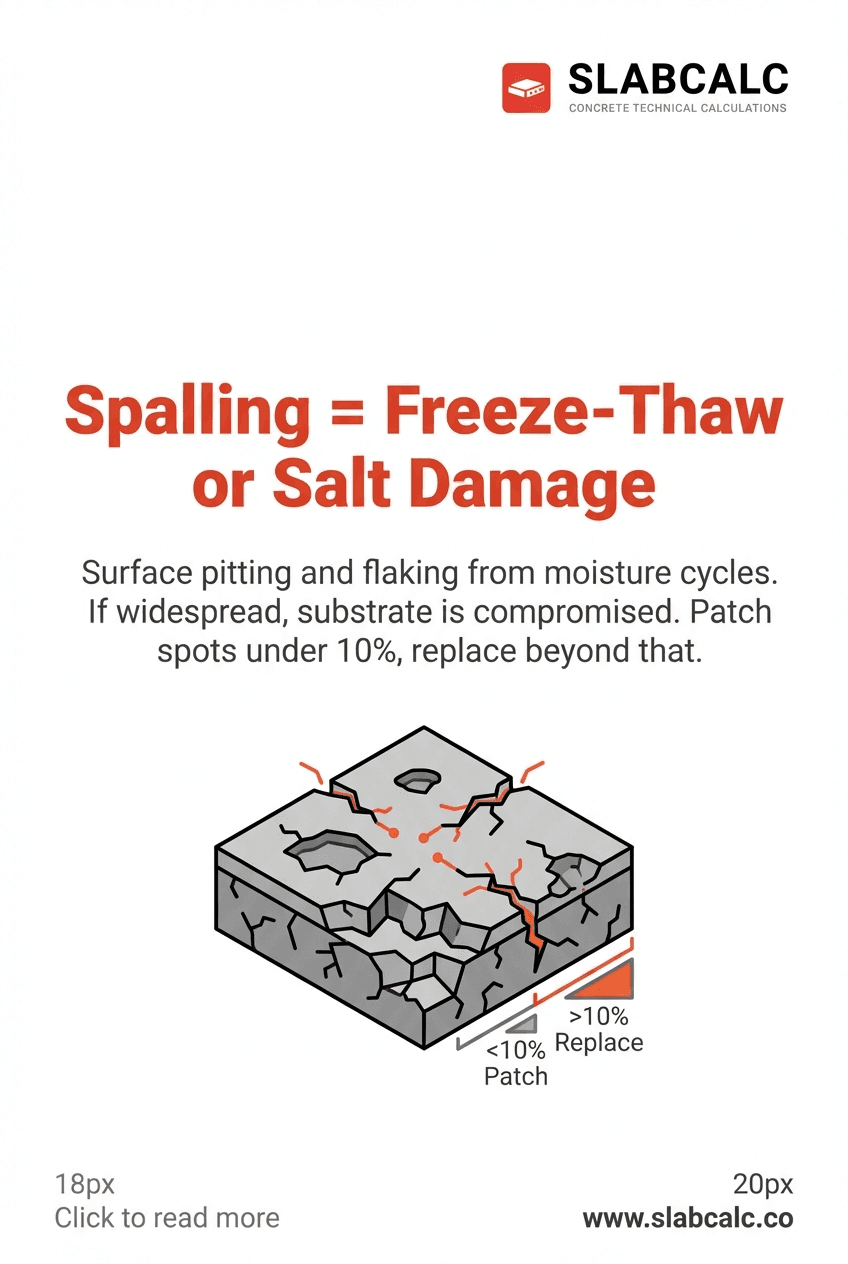
This rule does not apply to hairline cracks under a 1/16 inch—those are cosmetic and don't warrant repair. It also doesn't apply to surface spalling or scaling, which are separate failure modes.
When It Doesn't Apply
Cracks in new concrete (under 7 days old) are too early to assess with this rule. Wait 28 days for full curing before making a repair decision. Very old slabs—20+ years—may have 1/4 inch cracks from natural aging without immediate risk, but they should still be monitored and sealed to prevent water entry.
What to Do About It
For cracks under 1/4 inch: Clean out debris, apply concrete caulk or sealant, and monitor. These are maintenance-level fixes, costing $5–$20 per linear foot.
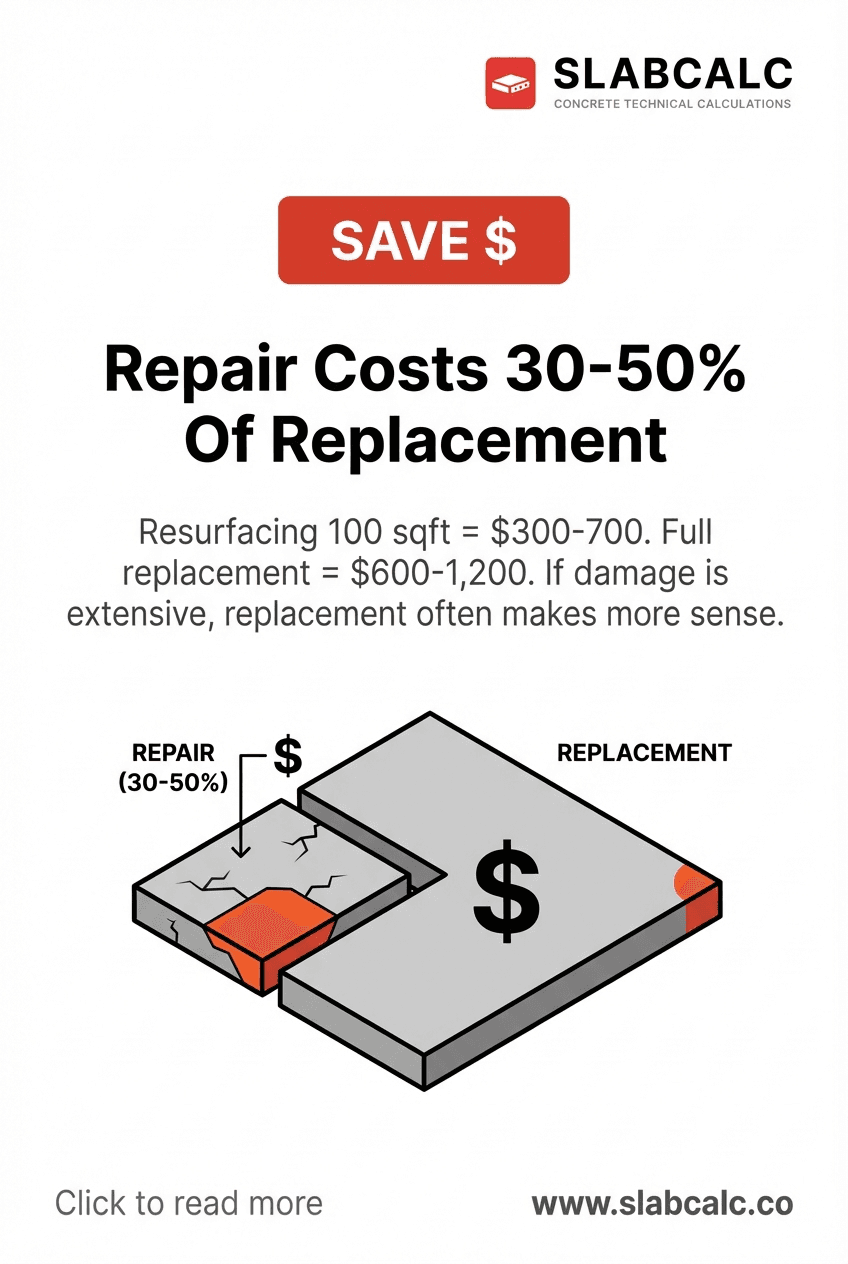
For cracks over 1/4 inch: Assess the cause. Is the subgrade settling? Is the slab too thin (check edges—should be at least 4 inches)? Are there obvious factors like inadequate reinforcement? If the crack is actively widening or if vertical displacement exists, you're looking at repair or replacement. A new slab typically costs $6–$12 per square foot, while targeted repairs may run $15–$50 per linear foot.
Get a concrete professional to evaluate cracks wider than 1/4 inch with vertical movement. Document the crack's width, length, and location with photos. If you're planning a replacement, use a concrete calculator to get accurate material quantities and avoid repeating the original failure.