
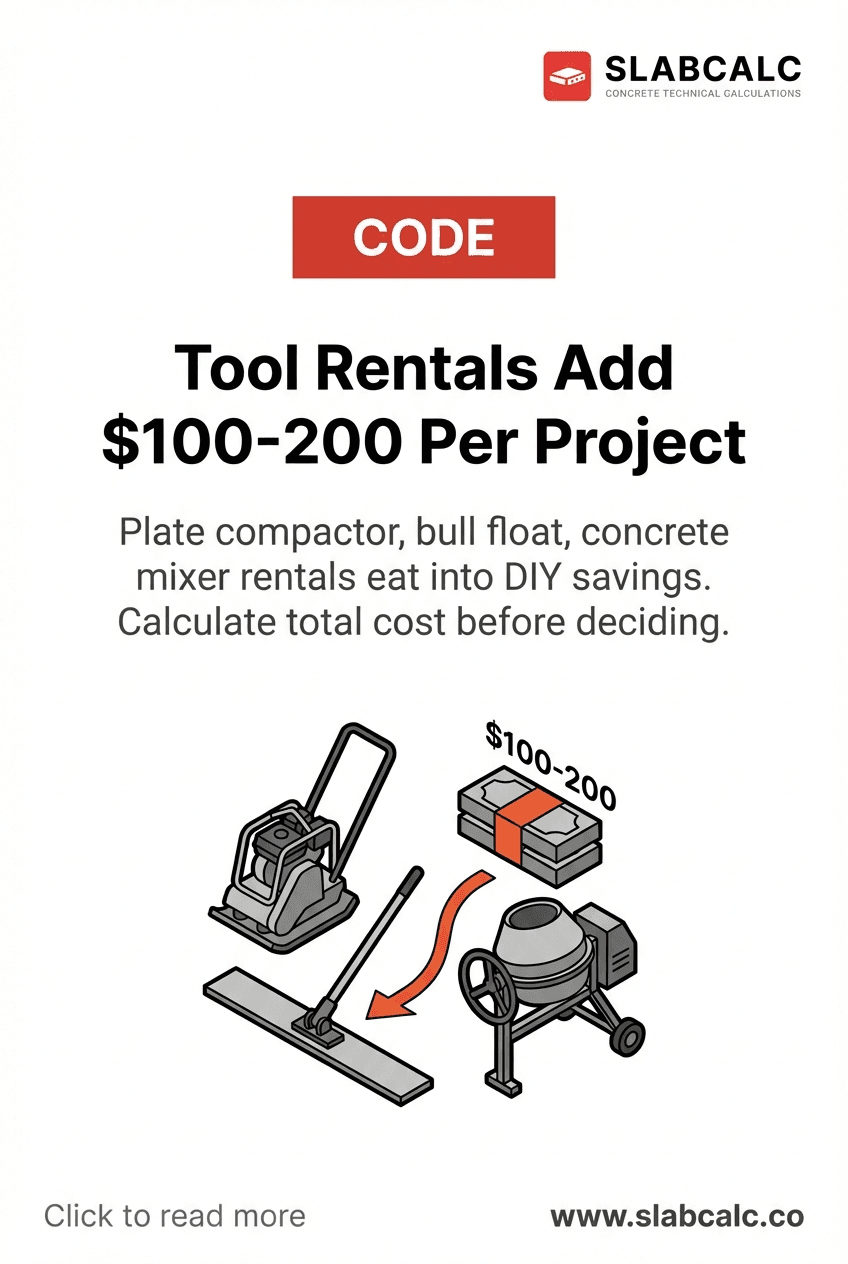
Tool Rentals Add $100-200 Per Project
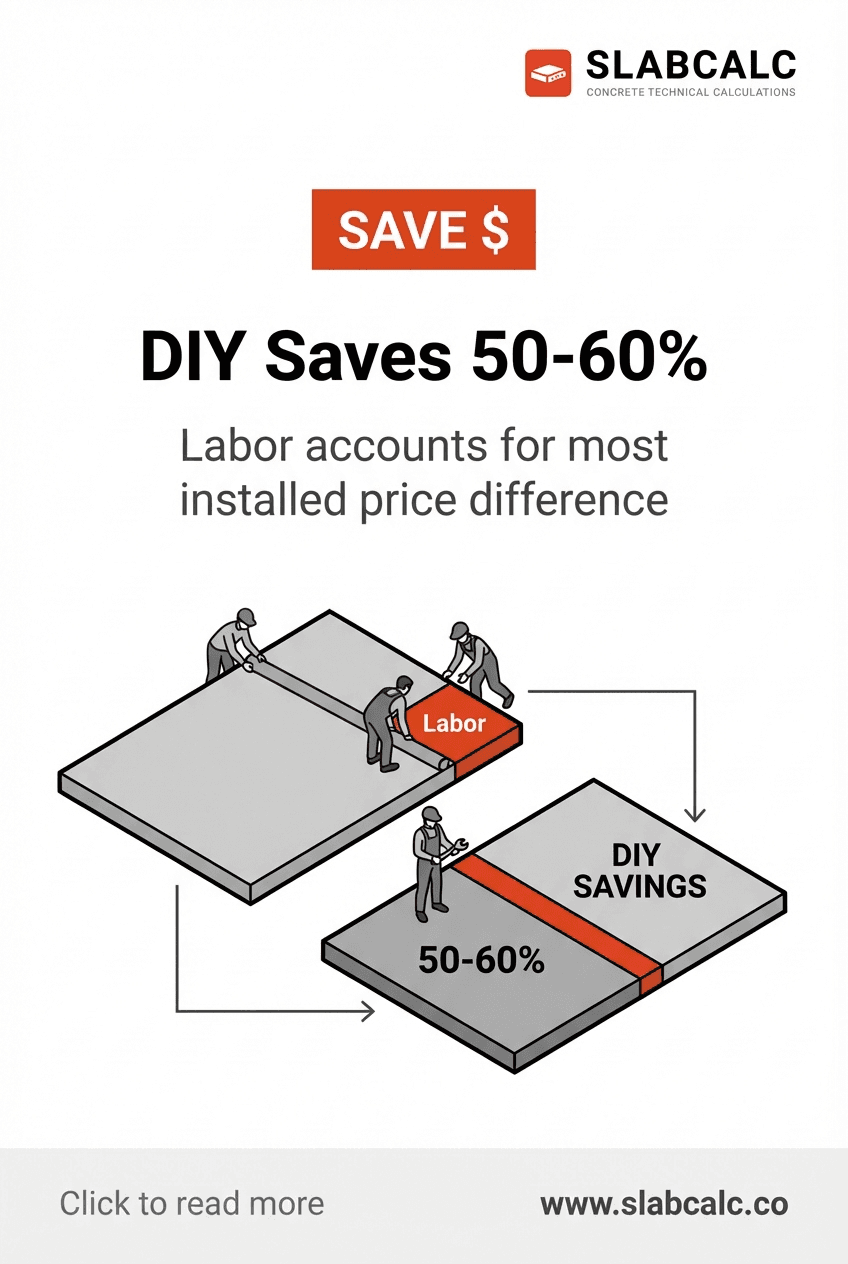
Most DIY concrete calculators advertise savings of 50–60% compared to hiring a contractor. What they often overlook is the $100–200 in mandatory tool rentals that eat directly into those savings. Understanding and budgeting for equipment rental costs is essential before you decide whether DIY makes financial sense for your project.
Why You Can't Skip Tool Rentals
The American Concrete Institute (ACI) 302.1R guideline specifies that concrete subgrade preparation must include compaction to 95% of maximum dry density. This isn't optional—it's a code requirement in most jurisdictions. You cannot achieve this with a hand tamper. Similarly, ACI 304R requires proper screeding and finishing techniques that demand specialized floats and edge tools.
Local building codes typically reference ACI standards. Violating compaction requirements leads to settlement, cracking, and potential failure of the slab within 1–3 years. Inspectors will catch inadequate preparation before you ever pour.
Breakdown of Typical Rental Costs
For a standard 12×12 patio (144 square feet) at 4 inches thick:
Soil Preparation Equipment:
- Plate compactor: $35–50/day
- Hand tamper (optional, still insufficient): $5–10/day
Concrete Mixing & Placement:
- 5 HP concrete mixer: $40–60/day (if using 80 lb bags)
- Bull float with handles: $25–40/day
- Concrete power screed (for larger jobs): $60–80/day
Finishing Tools:
- Edgers and jointers: $15–25/day (often bundled)
- Broom for texture finish: $5–15/day
Typical Total: $120–250 for a single day rental
If your project stretches across two days—which is common for DIYers—you're paying for two rental periods or overnight hold fees, pushing costs to $200–400.
The Real Math: Does DIY Still Win?
Revisit the cost comparison with rentals included:
DIY Total with Rentals:
- Materials: $280–350
- Tool rentals (2 days): $180–200
- Revised total: $460–550
Professional Installation:
- $1,150–1,730 (typically $8–12 per square foot)
Net DIY savings: $600–1,180 (about 52% savings)
The advantage remains, but it's smaller than advertised. For a modest 10×10 slab (100 square feet), your savings shrink to $400–600 after tool rentals.
Common Mistakes That Increase Costs
Under-renting: Choosing a cheaper manual compactor or skipping compaction altogether. This violates ACI 302.1R and creates liability. Fixing a failed slab costs $800–1,200 per 100 square feet.
Over-booking rental periods: Renting for three days when two suffices wastes $50–100. Most rental shops charge daily rates; planning your work timeline carefully saves money.
Not factoring in delivery fees: Many rental companies charge $30–75 for equipment delivery, which isn't reflected in daily rental rates.
Smart Budgeting Strategy
Use SlabCalc's concrete cost calculator to estimate material quantities, then call three local rental shops for equipment quotes. Add 15% contingency. This gives you a realistic total before committing.
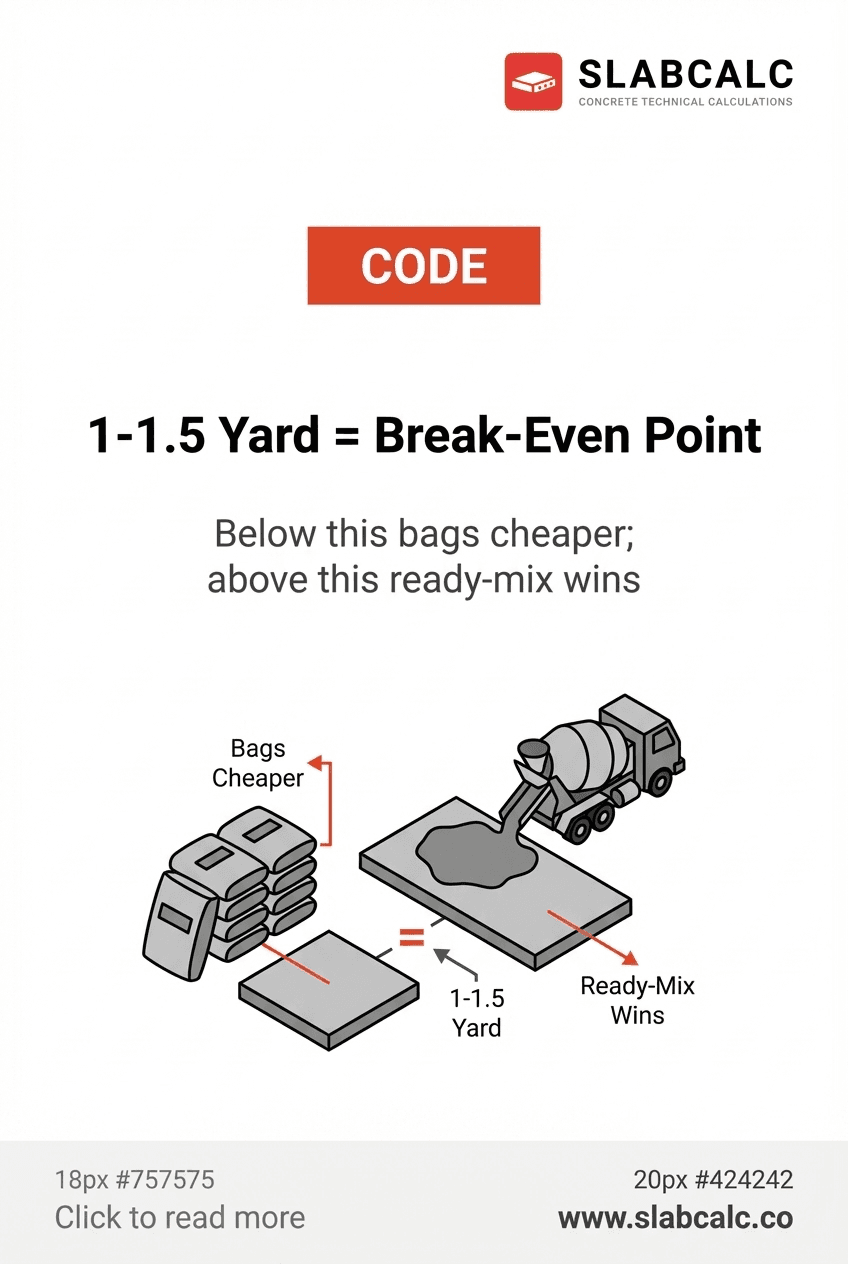
For projects under 100 square feet, contractor quotes often beat DIY costs once you factor in rentals and your time. For projects over 300 square feet, DIY rental costs per square foot drop significantly, making savings worthwhile again.
Bottom line: Don't let hidden tool rentals derail your budget. Calculate them first, then decide.