
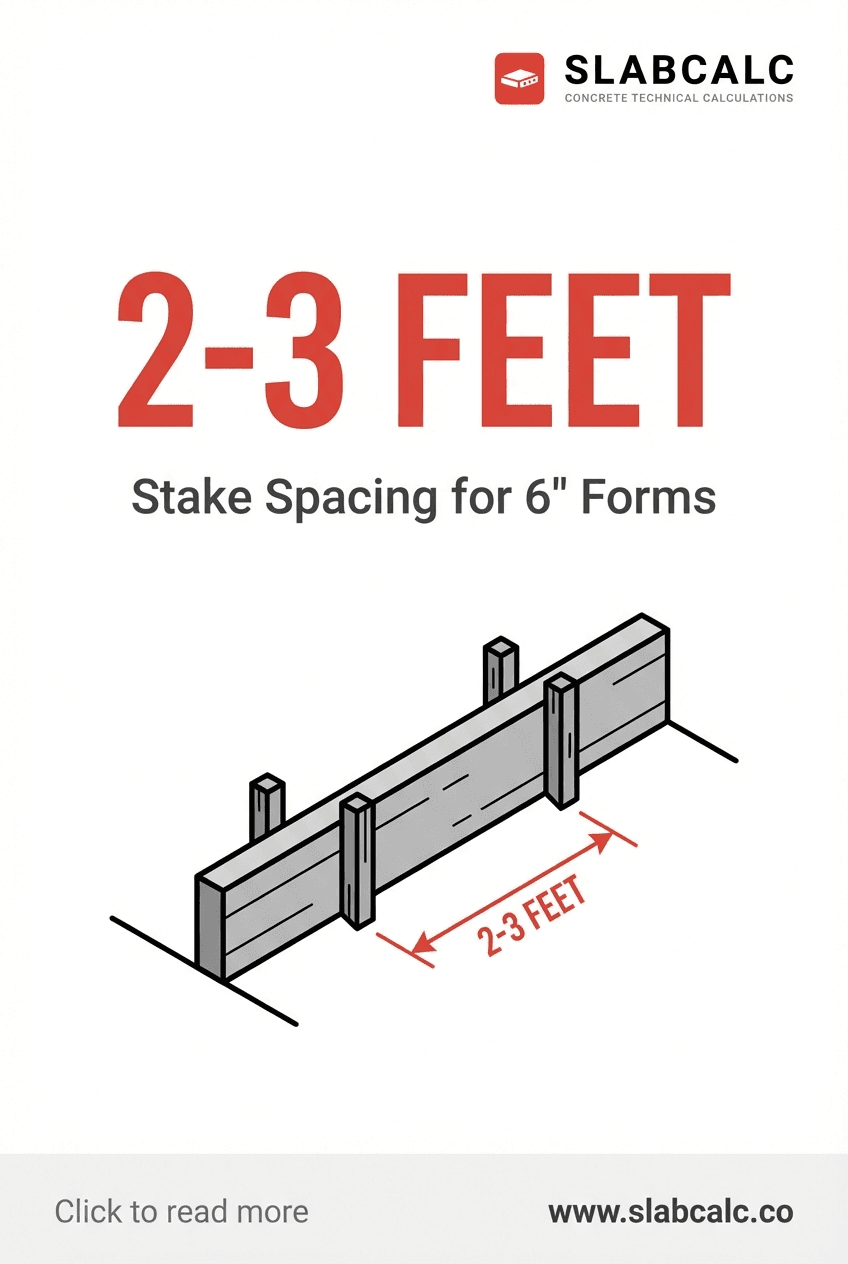
2-3 FEET
Space Stakes 2–3 Feet Apart for 6-Inch Forms
When you're building concrete forms, stake spacing is the difference between a successful pour and a catastrophic blowout. For standard 6-inch forms (like 2x6 lumber), place stakes every 2 to 3 feet along the form line. This is the critical measurement that keeps lateral concrete pressure from pushing your forms outward and collapsing your entire project.
Why This Number Matters
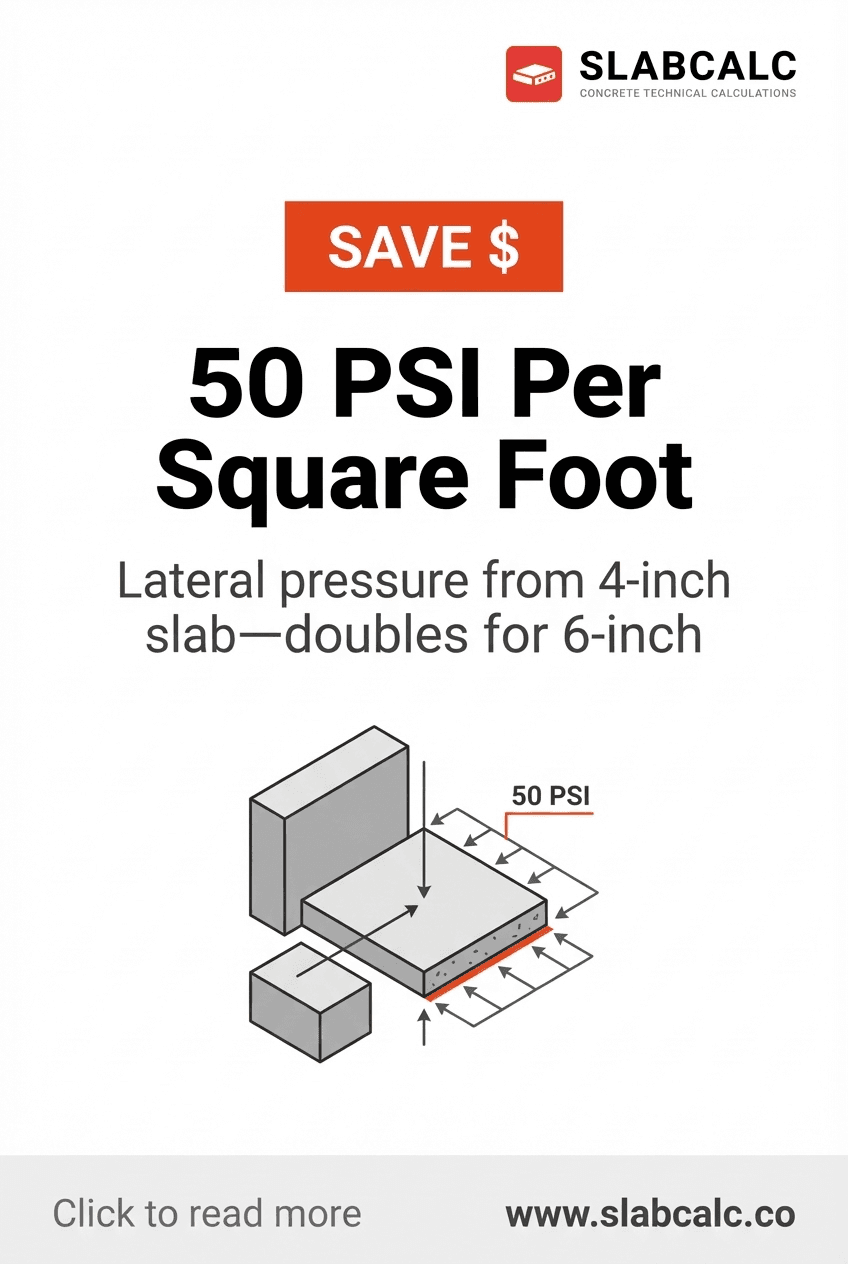
Concrete generates immense sideways force. A 6-inch-thick slab exerts roughly 300 pounds of lateral pressure per linear foot of form at the base. Gaps between stakes exceed 3 feet, and the form board flexes outward like a bow under load—concrete seeps through, forms shift, and you're left with an uneven, cracked slab (or worse, a complete failure).
Stakes spaced 2–3 feet provide enough support points to distribute pressure evenly. Each stake absorbs only a manageable portion of the load, preventing dangerous deflection. Closer spacing adds cost in materials and labor, but the protection is worth it.
When to Use 2–3 Feet
This spacing applies specifically to 6-inch-deep pours using 2x6 form boards. Common projects that fit this category include:
- Patios and walkways
- Garage floors and driveways (standard thickness)
- Shed foundations
- Pool decks
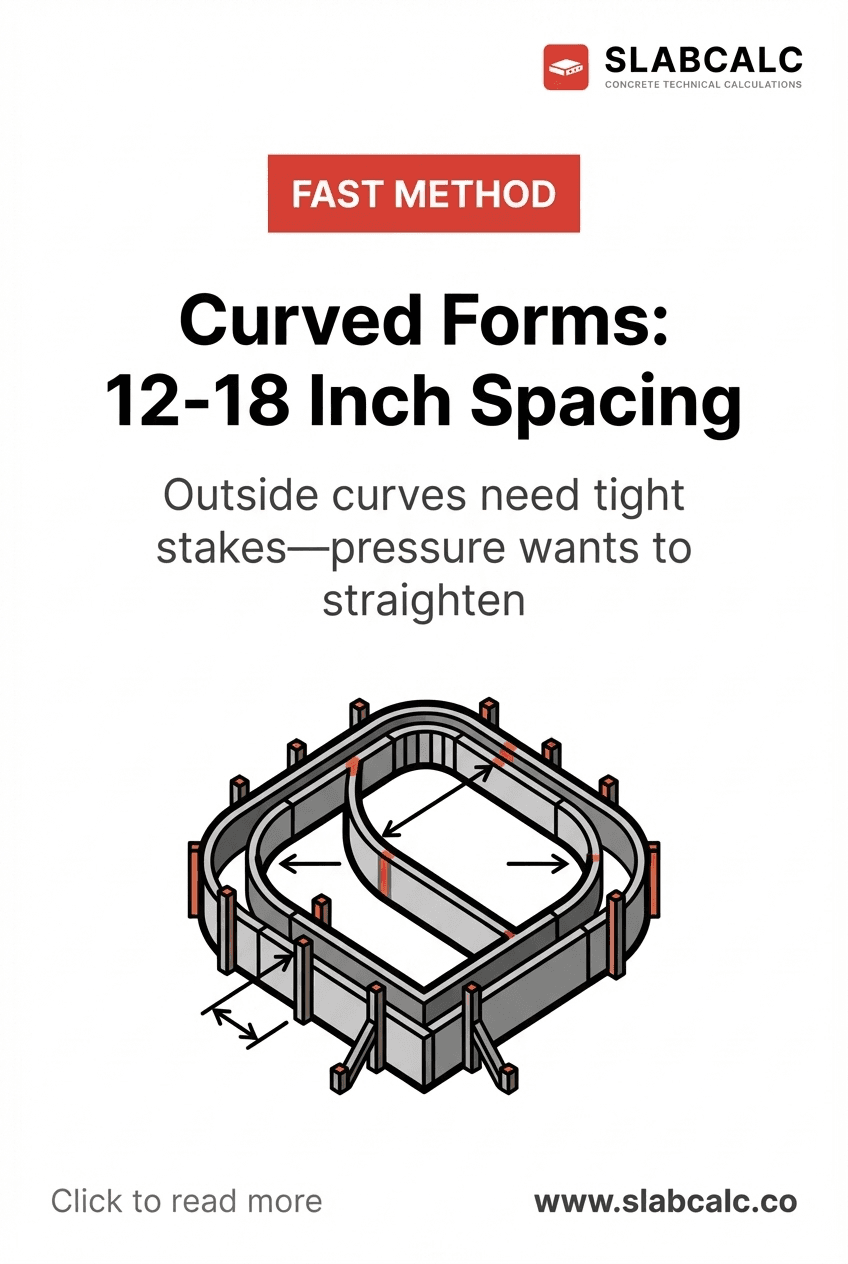
Stakes should be 2x2 or 2x4 lumber, 24 inches long, driven 12–14 inches into the ground. The rule holds for both straight runs and curves, though curves may need slightly tighter spacing due to additional stress at bends.
When to Adjust
Go tighter (18–24 inches) if:
- Your soil is sandy, loose, or recently backfilled
- You're pouring deeper than 6 inches (8-inch forms need 2-foot spacing)
- Ground conditions are wet or unstable
- You're working on a slope
You can stretch to 3 feet only if:
- Your soil is firm clay or compacted gravel
- The pour is shallower than 6 inches (4-inch forms allow 3–4 feet)
- Your form boards are in excellent condition (no splits or warping)
Always tighten spacing at corners—place stakes within 6 inches of board intersections where pressure concentrates. Same rule for board joints where two form pieces meet end-to-end.
Practical Application
For a typical 10x10-foot patio at 4 inches thick, you'd need 7–8 stakes per 10-foot side using the 2–3-foot spacing. A 12x16-foot driveway slab requires roughly 14–16 stakes total. Spend 30 minutes calculating your perimeter and dividing by 2.5 feet—it takes seconds, costs just a few extra 2x4s, and eliminates risk.
Calculate your concrete volume first using our concrete slab calculator, then return to the bracing guide to finalize your stake layout. This two-step approach ensures both accurate material estimates and structural safety on the job.