
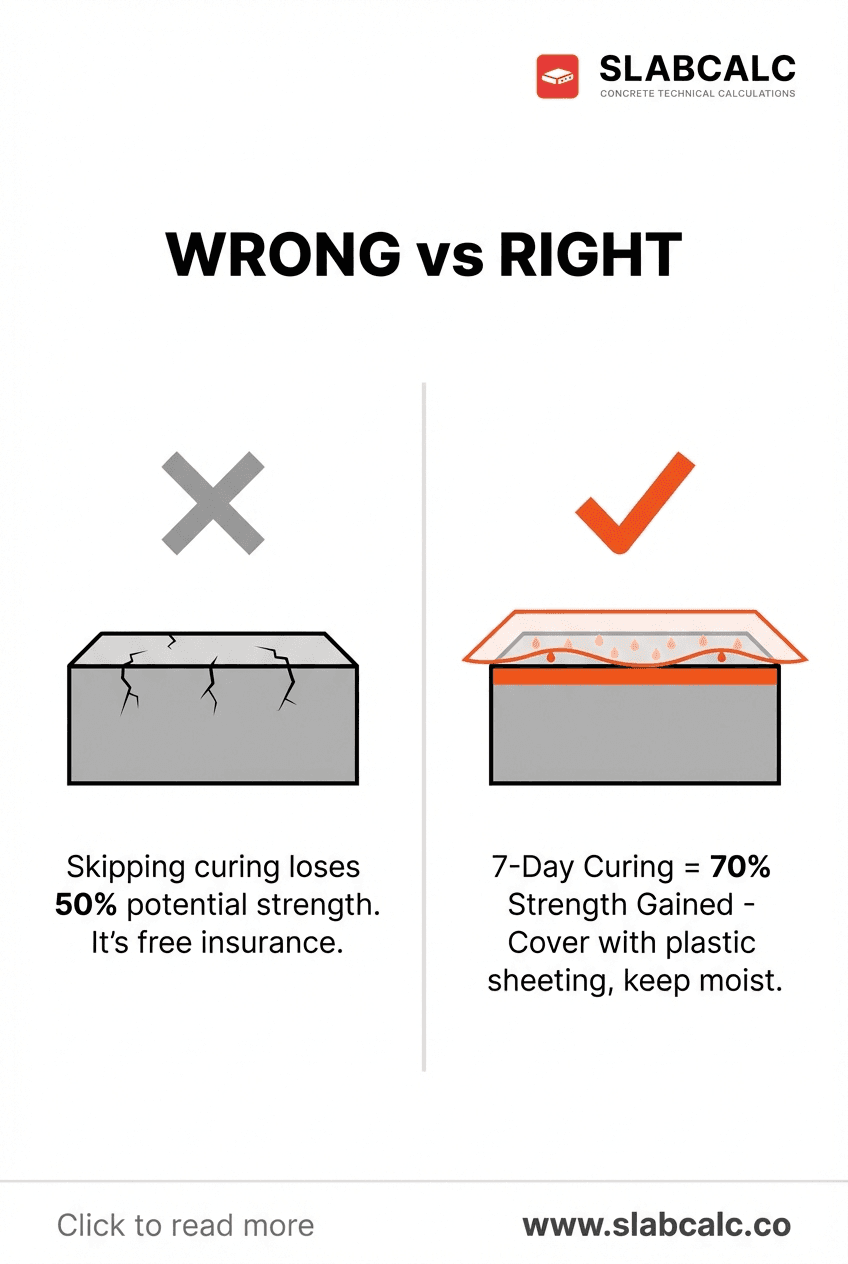
7-Day Curing = 70% Strength
You just finished your pour. The slab is flat, the surface is smooth. Now the hardest part begins—doing nothing but keeping it wet. This is where most DIYers fail, and it costs them dearly.
The Decision Tree: What Happens Next
If you cover the slab with plastic and keep it moist for 7 days: Your concrete reaches roughly 70% of its full design strength. It becomes durable, crack-resistant, and ready for normal use.
If you skip curing or do it halfway: Your concrete loses approximately 50% of its potential strength. It becomes brittle, prone to surface spalling, and vulnerable to freeze-thaw damage in winter.
If you rush foot traffic or vehicle loads before day 7: You introduce stress fractures that won't show up for months or even years, creating expensive repair bills later.
The math is simple: seven days of free insurance costs you nothing but a roll of plastic sheeting and occasional water application.
Why Concrete Needs Water
Concrete doesn't cure by drying—it cures through hydration, a chemical reaction between cement and water. That reaction continues for weeks, but it peaks during the first seven days. If the surface dries out, hydration stops at the top layer, leaving a weak skin over a stronger core. This causes delamination and surface failure.
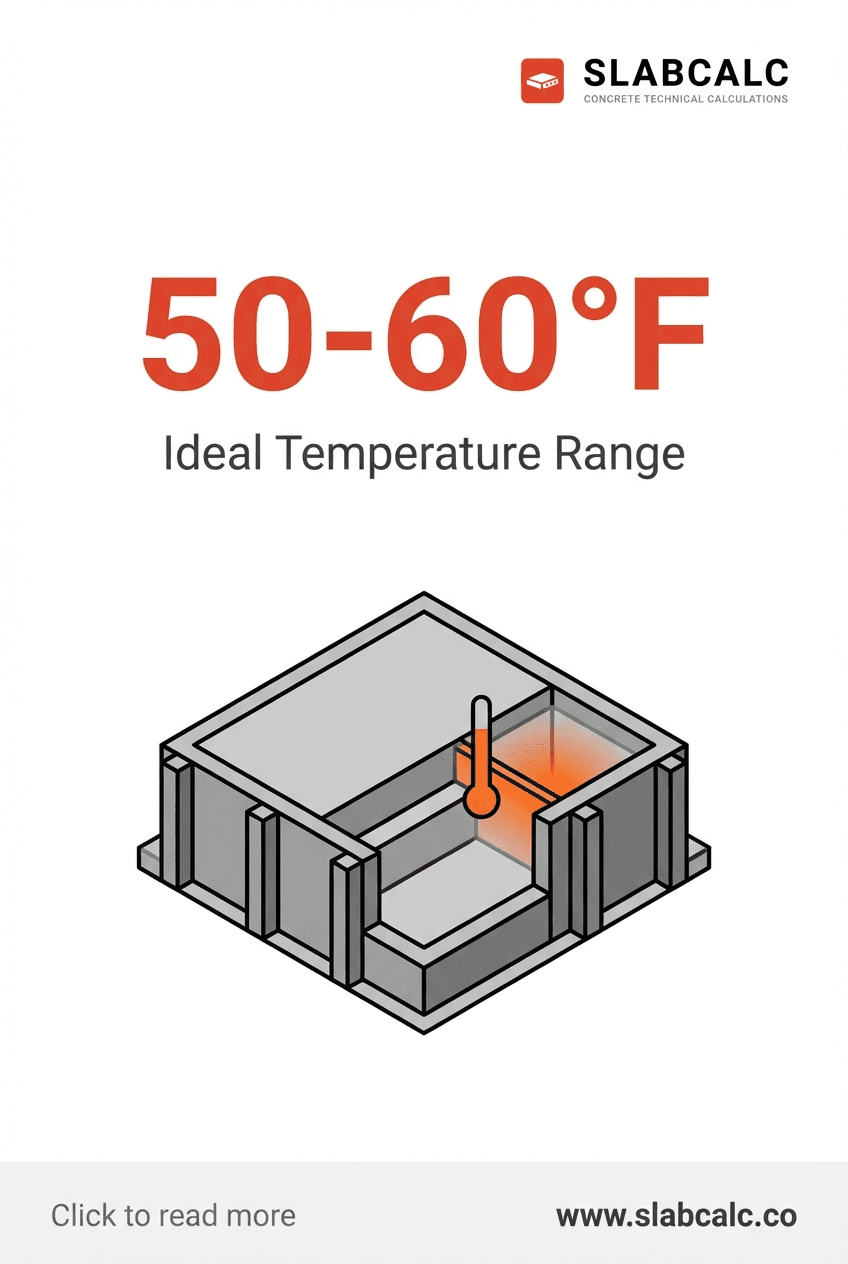
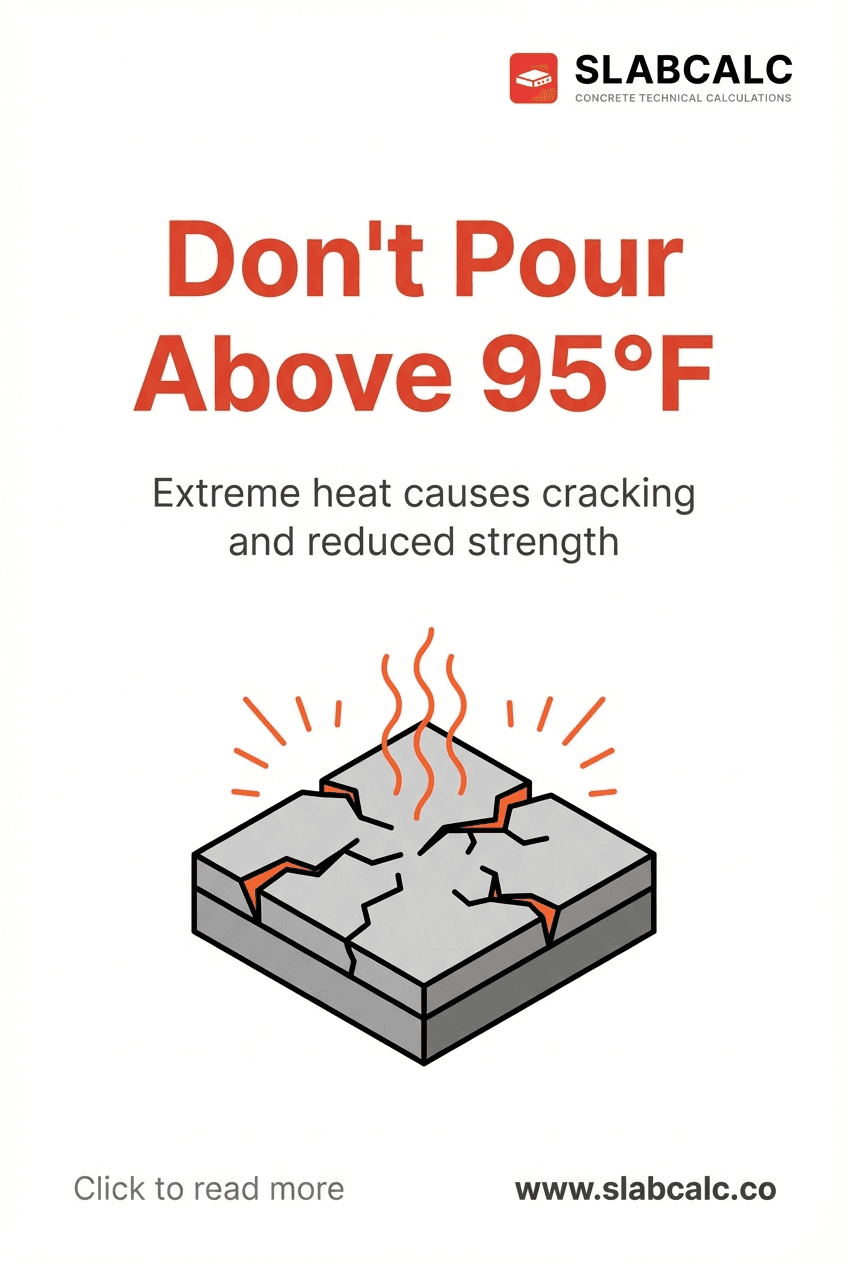
Temperature matters too. Concrete cures faster in warm weather (above 50°F is ideal), but faster isn't always better. Fast curing can create stress and cracking. Cold weather (below 40°F) dramatically slows hydration. In freezing conditions, you may need to extend curing to 10–14 days or use heated enclosures.
The Practical Method: Plastic + Water
Cover your finished slab with 6-mil polyethylene plastic sheeting. Overlap seams by at least 12 inches and weight down the edges with bricks or concrete blocks so wind doesn't tear it free. This traps moisture escaping from the slab.
Every other day, spray the edges and any exposed surfaces with a garden hose. You don't need to flood it—light, consistent moisture is enough. The plastic does most of the work by preventing evaporation.
Alternatively, use soaker hoses under the plastic for hands-off watering, especially during hot, dry spells when evaporation accelerates.
The Edge Cases Nobody Talks About
Hot, dry climates: Increase misting frequency to daily. Evaporation happens so fast that plastic alone isn't enough.
Rain: Don't remove the plastic during rain. Water still escapes from the sides. Leave the cover on.
Foot traffic: Even family members walking on the slab before day 7 introduces micro-damage. Keep everyone off for the full week.
Cold weather: Below 50°F, extend curing to 10 days minimum. The reaction just moves slower.
The Clear Recommendation
Do not skip this step. Invest $15 in plastic sheeting and 30 minutes twice a week in misting. You're protecting a project that cost hundreds or thousands of dollars. Proper curing is the difference between a slab that lasts 20 years and one that cracks and crumbles in five.
Your concrete only gets one chance to cure right.