
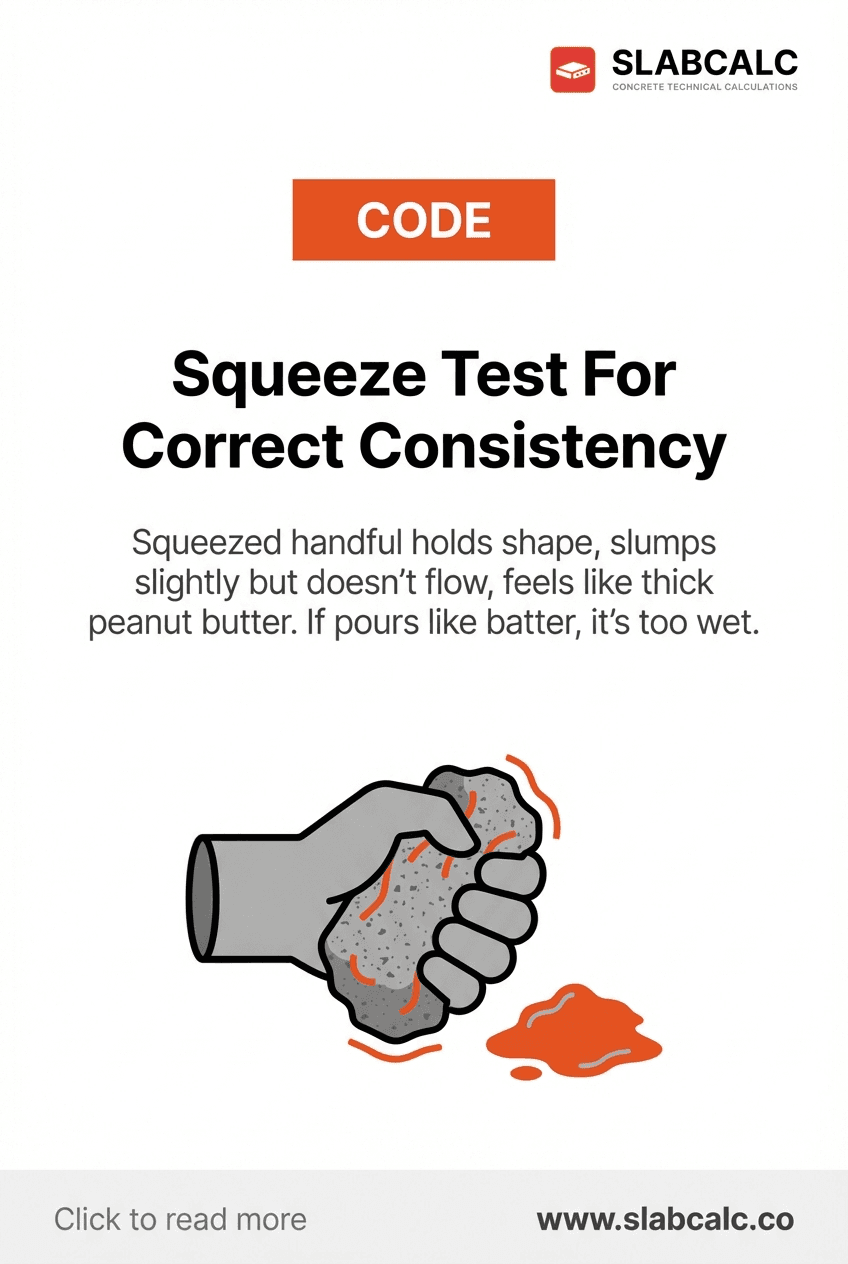
Squeeze Test For Correct Consistency
What the Code Says
The ACI 304R-00 Guide for Concrete Slabs and IRC Section R402 require concrete to meet specified slump (workability) limits based on application. For typical residential flatwork, slump should fall between 3 and 4 inches. The squeeze test is the practical field method to verify you're in that range without equipment.
The Squeeze Test Method
Stop guessing at water ratios. The squeeze test takes 10 seconds and eliminates 90% of consistency problems.
How to perform it:
Grab a handful of freshly mixed concrete. Squeeze it firmly in your closed fist for 2–3 seconds, then open your hand.
The correct result:
- The squeezed ball holds its shape without crumbling
- It slumps slightly when you open your hand (about ½ inch of settling)
- It does not flow or spread across your palm
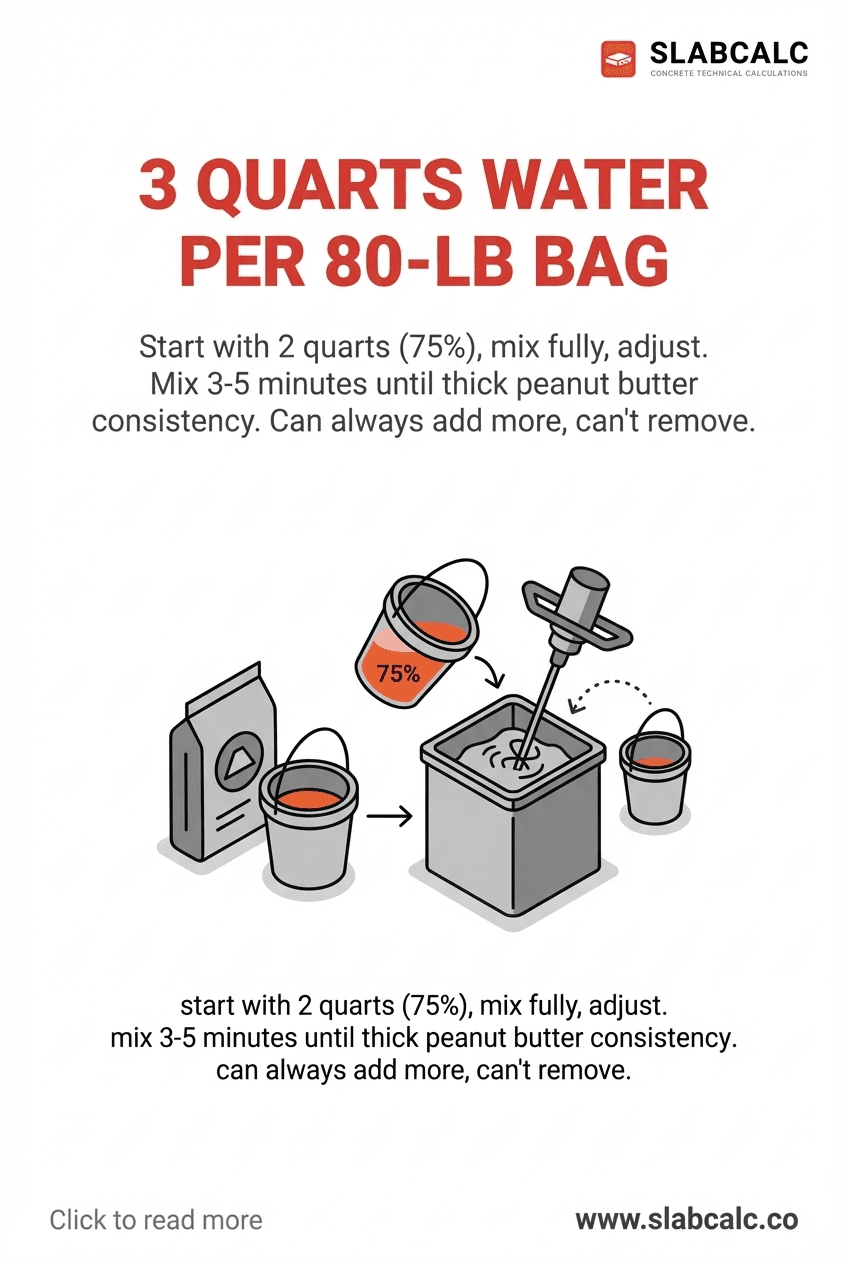
- It feels like thick peanut butter or cooked oatmeal
If it fails:
- Pours like batter? Too wet. Add dry mix in small batches (½ bag at a time for an 80-lb batch) and retest.
- Crumbles apart? Too dry. Add water in ¼-quart increments and fold thoroughly before retesting.
Why This Matters
Water-to-cement ratio is the single factor controlling concrete strength. Every extra quart of water in an 80-lb batch can reduce compressive strength by 5–10%. Over-watering is the #1 DIY mistake, leading to:
- Weak surface that dusts and spalls under foot traffic
- Increased shrinkage cracking as excess water evaporates
- Segregation (aggregate settling away from cement paste)
- Extended cure time and poor early strength
- Reduced durability against freeze-thaw cycles
The American Concrete Institute explicitly warns against adding water "just to make it flow easier." Proper mixing technique—not water—makes concrete workable.
Common Violations
Most DIYers add 20–30% too much water. Signs include:
- Concrete looks shiny and wet (not matte)
- It flows around your trowel without resistance
- Bleed water pools on the surface within minutes
- The mix is easier to pour but weaker when set
Practical Tips
Start conservative. For an 80-lb bag, begin with 2.5 quarts of water, not 3. You can add more; you cannot remove it.
Mix thoroughly first. Dry mix the cement and aggregate for 30 seconds before adding water. This ensures even distribution and reduces the water needed.
Retest after every addition. Each time you add water or dry material, fold and turn the batch 8–10 times, then squeeze-test again.
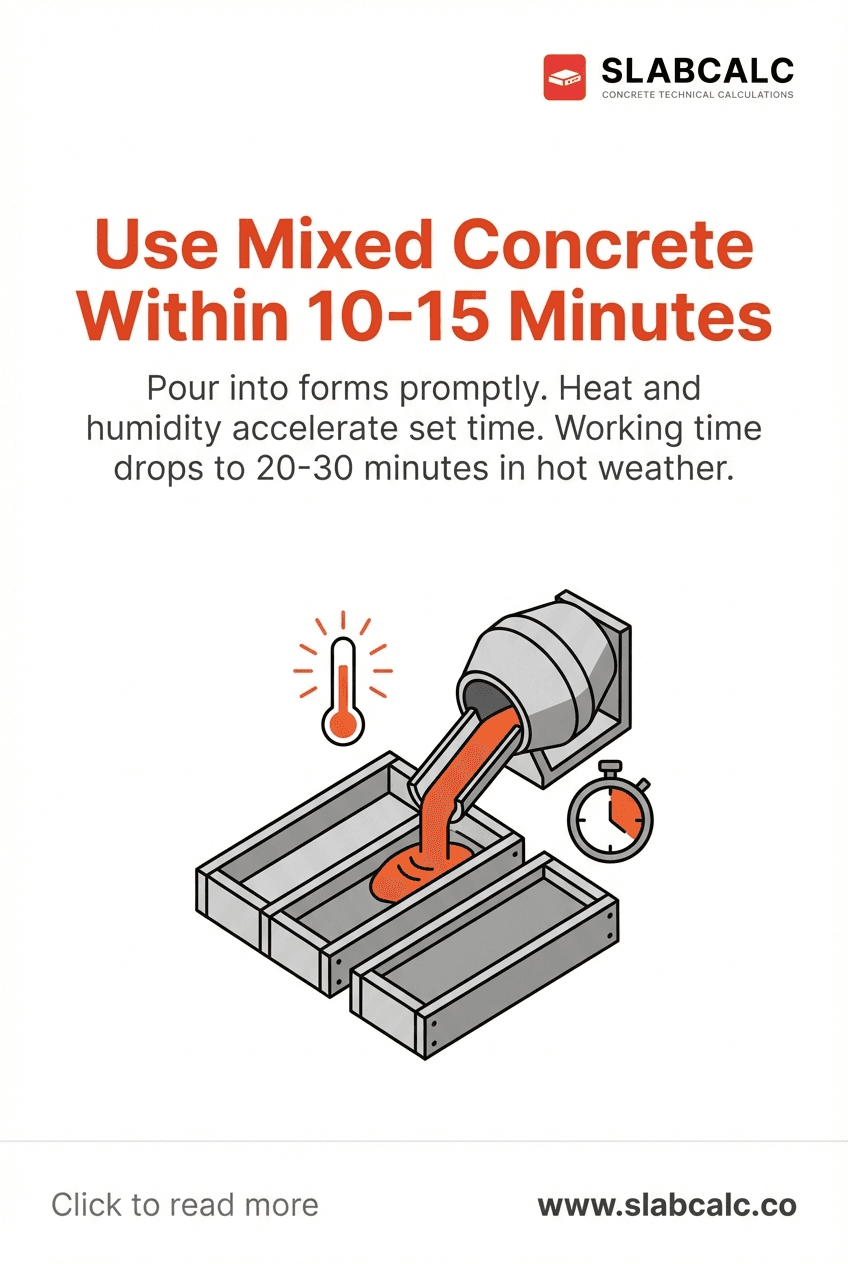
Adjust for weather. On hot, dry days, sand and cement dry faster. You may need slightly more water. On humid days, use slightly less.
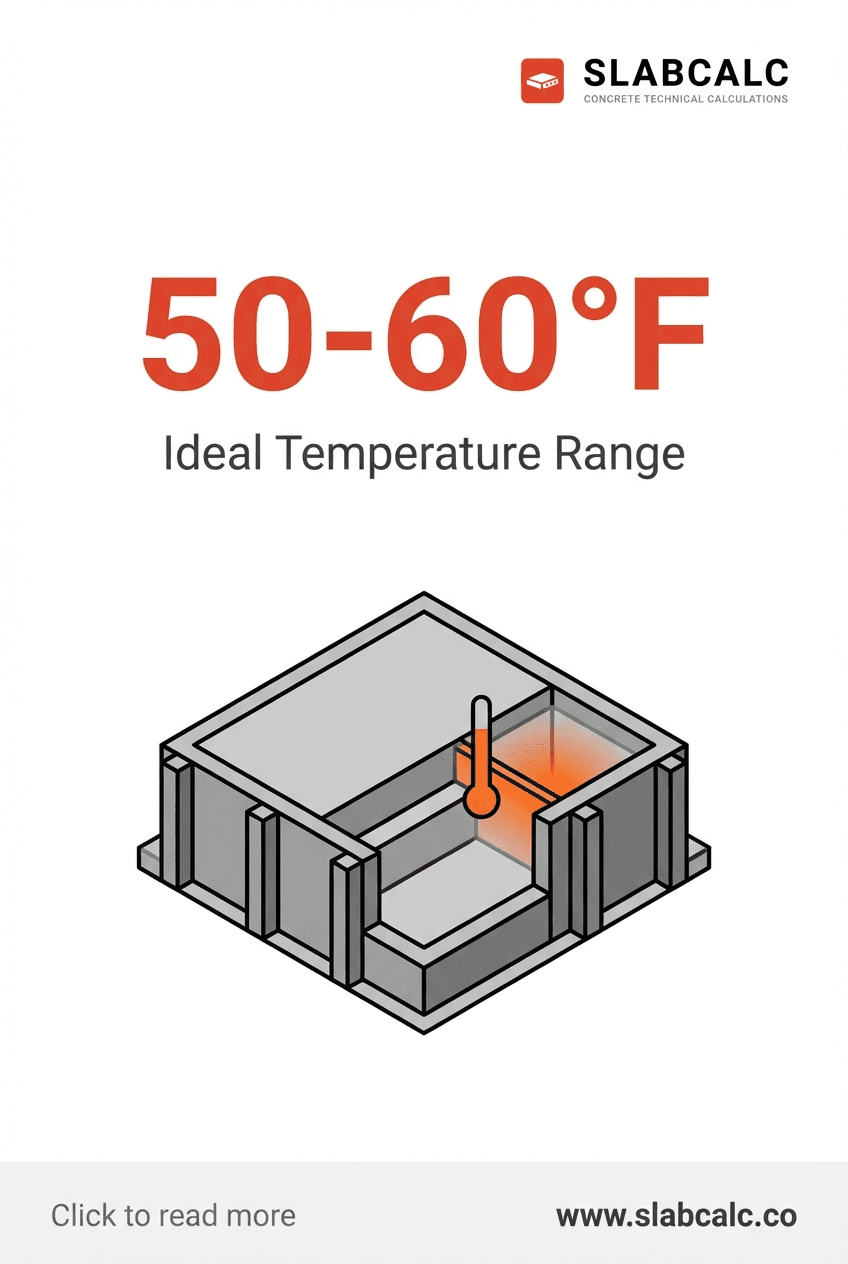
Use room-temperature water. Cold water slows hydration; hot water accelerates it but can cause flash set.
The Bottom Line
The squeeze test is free, fast, and requires no equipment. It's the most reliable way to hit the sweet spot between workability and strength. Spend 30 seconds per batch on this test—it's the difference between a slab that lasts 30 years and one that fails in 5.