
Replace If Repairs Cost Over 50%
Save $3,000–$8,000 by Making the Right Call
Most homeowners don't realize that patching a heavily damaged slab often costs more than replacement over a 5–10 year period. The math is simple: if repair costs exceed 50% of a full replacement, you're throwing money at a temporary fix.
For a typical 500-square-foot basement slab, replacement costs $2,000–$4,000 (at $4–$8 per square foot). A single spalling repair runs $300–$800. Crack sealing costs $150–$300 per location. When you add up multiple problem areas—deep cracks, spalling patches, settlement gaps, and water intrusion repairs—you quickly hit $1,000–$2,500 in patching work that addresses symptoms, not the root cause.
The Real Cost Comparison
Repair Scenario (Ongoing Costs):
- Initial spalling patch: $500
- Crack filling (3–4 locations): $600–$1,200
- Topical sealant: $200–$400
- Year 3 re-sealing: $300–$500
- Year 5 additional patching (because the base is still damaged): $800–$1,500
- Total over 5 years: $2,400–$4,100
Replacement Scenario (One-Time Cost):
- Full slab demo and removal: $500–$1,000
- New concrete (500 sq ft at $5–$7/sq ft): $2,500–$3,500
- Finishing and curing: $300–$500
- Total: $3,300–$5,000 (one upfront cost, 20+ year lifespan)
When you repair a structurally compromised slab, you're managing decline rather than solving it. Water continues to seep through cracks you sealed. Underlying settlement keeps shifting the surface. Spalling spreads because the moisture damage beneath the patch persists.
How to Assess Your Damage
Walk your slab with a straightedge and measure the problem zones. Ask yourself:
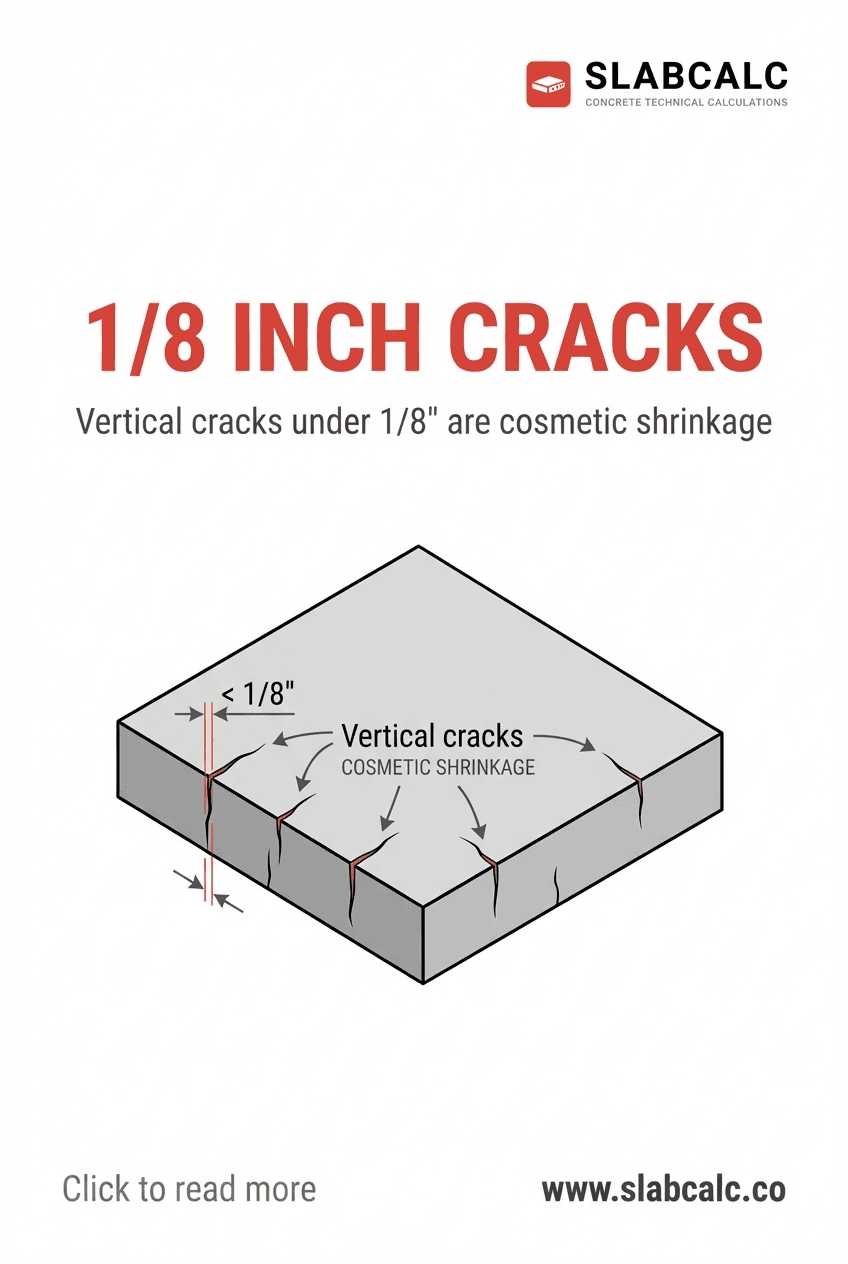
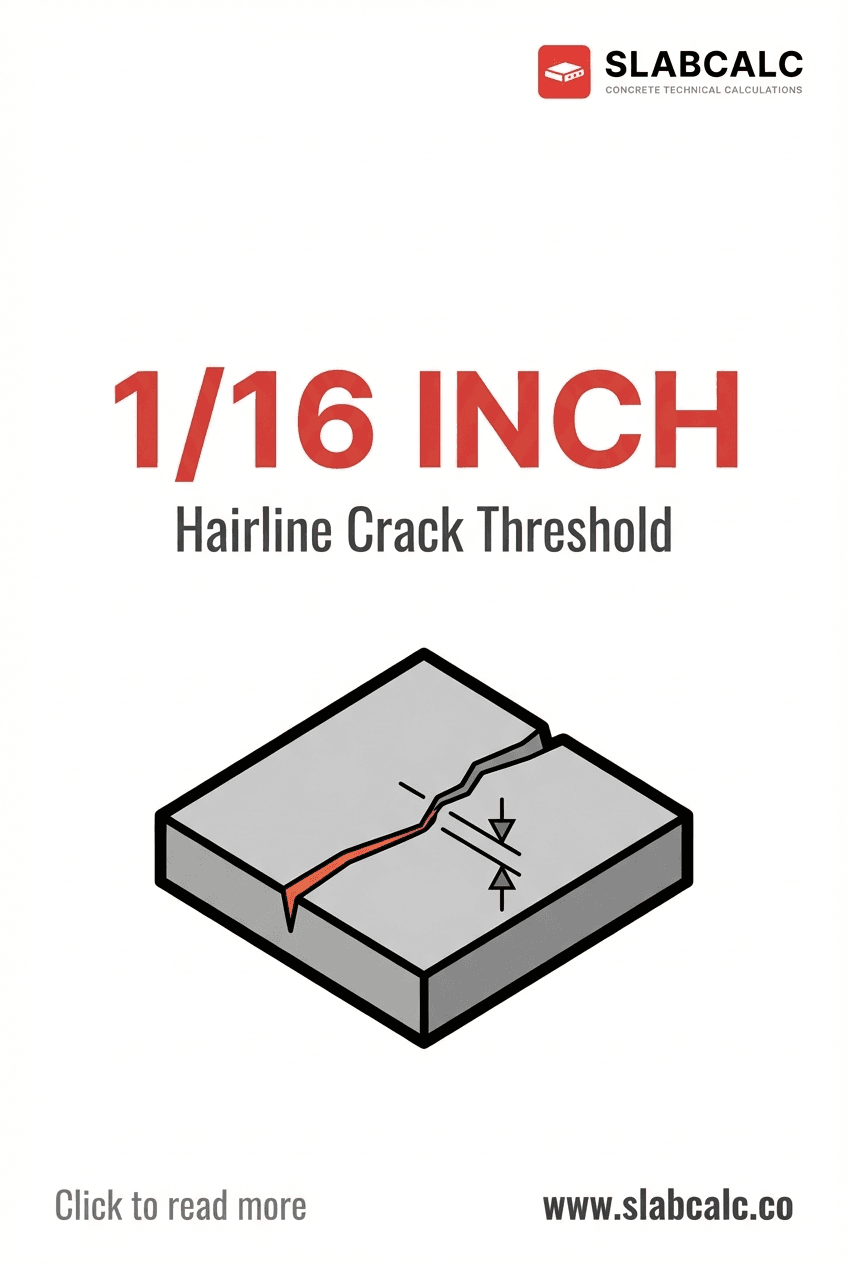
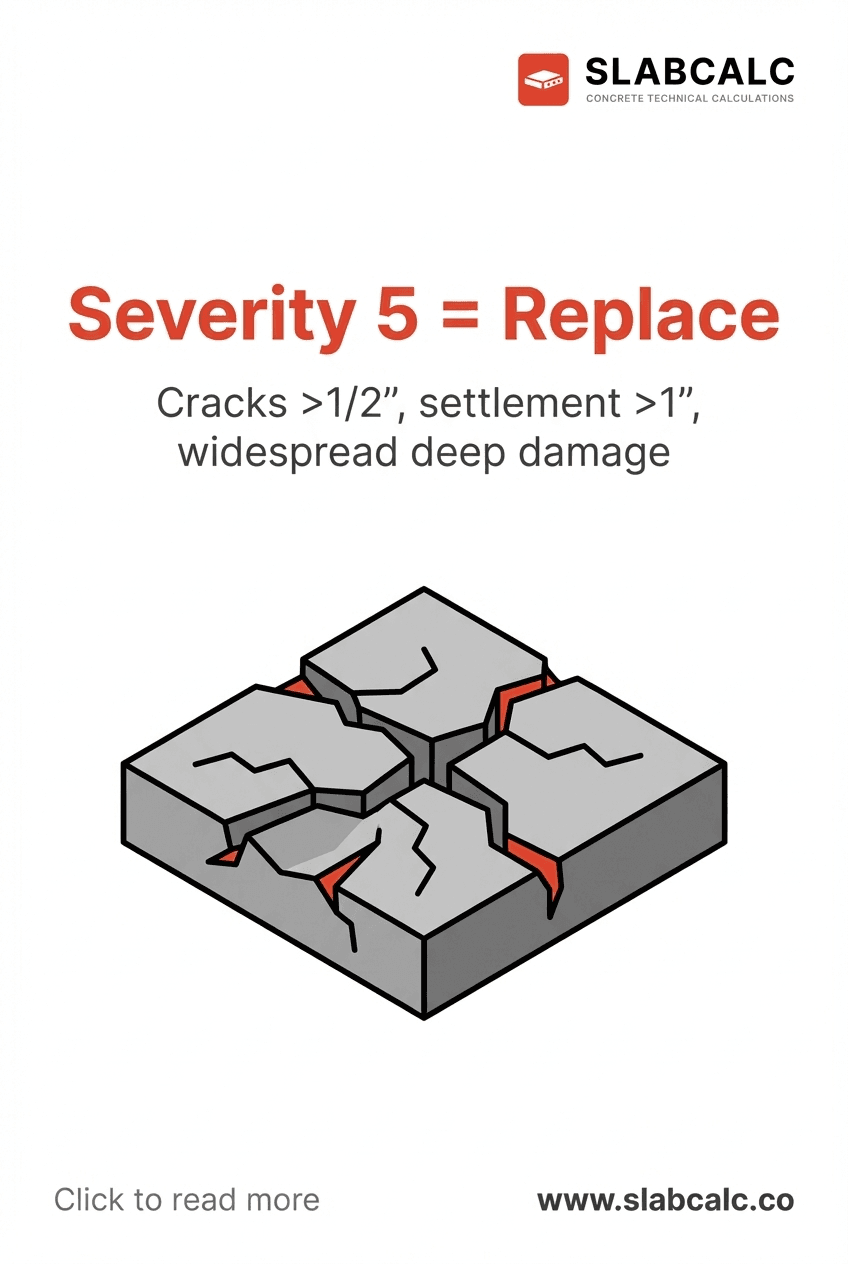
- Are cracks wider than 1/4 inch? Widening cracks signal structural movement, not cosmetic issues.
- Is spalling (surface breakdown) covering more than 25% of the slab? This indicates moisture damage throughout the concrete.
- Do you see settlement or rocking? One section higher or lower than adjacent areas means the base has failed.
- How old is the damage? If it's been stable for 10+ years, patching may work. If it appeared recently or is growing, replacement is smarter.
The Decision Framework
Use the 50% threshold as your decision point. Get two quotes: one for comprehensive patching and one for replacement. If repairs cost more than half the replacement price, replace the slab. You'll gain a 20–30 year service life, eliminate repeat repair bills, improve safety, and often increase property value.
Factor in inconvenience too. Patching can take weeks with multiple contractors. Replacement happens in days. For basements or areas you use regularly, the downtime cost matters.
Document your slab's condition with dated photos and measurements—this data justifies the investment and helps contractors provide accurate quotes. Don't let cheap fixes become expensive problems.