
Hairline vs Large Crack Repair
Make the Right Call: Crack Size Determines Everything
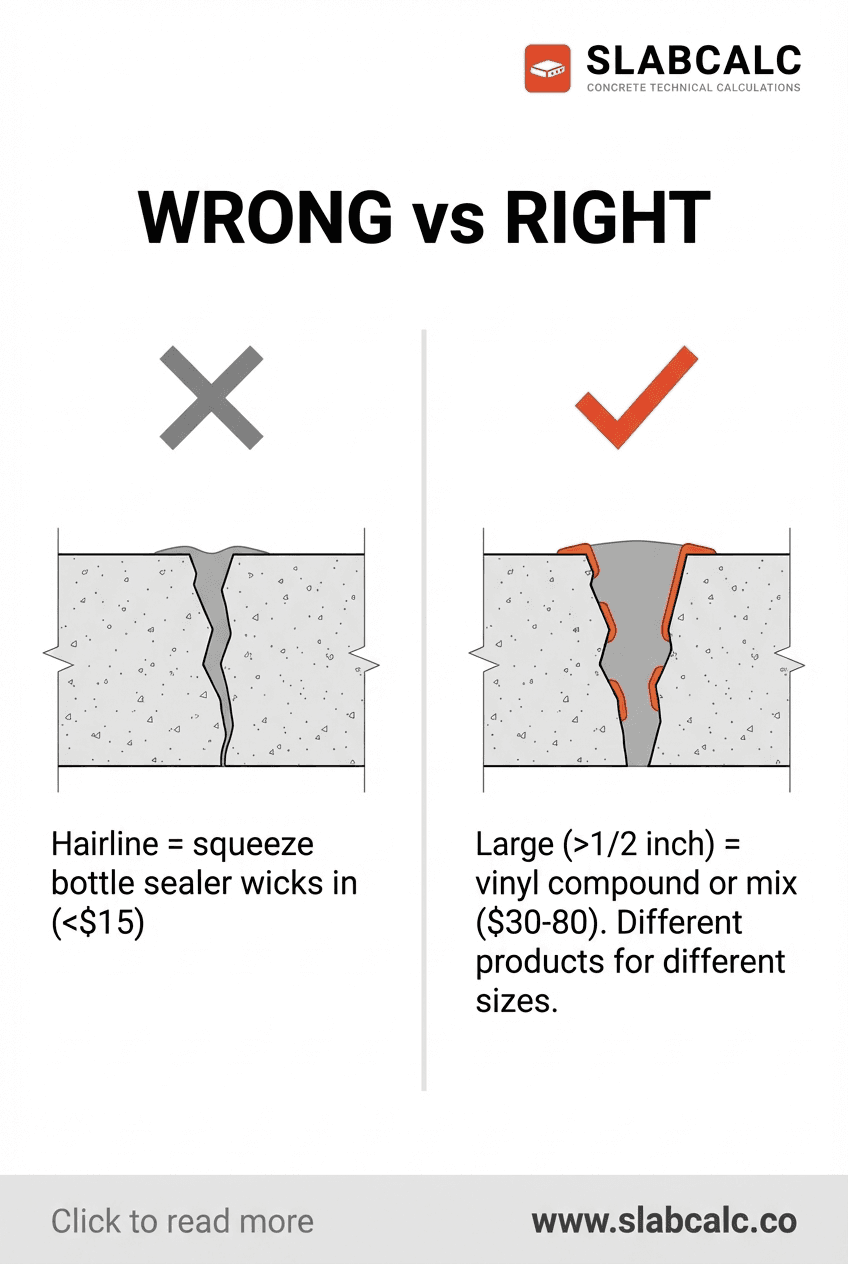
The most common mistake homeowners make is using the wrong repair product for their crack size. A squeeze bottle sealer that works perfectly on a hairline crack will fail catastrophically on a half-inch fissure. Conversely, spending $60 on polyurethane compound for a paper-thin crack is overkill. Your decision tree is simple:
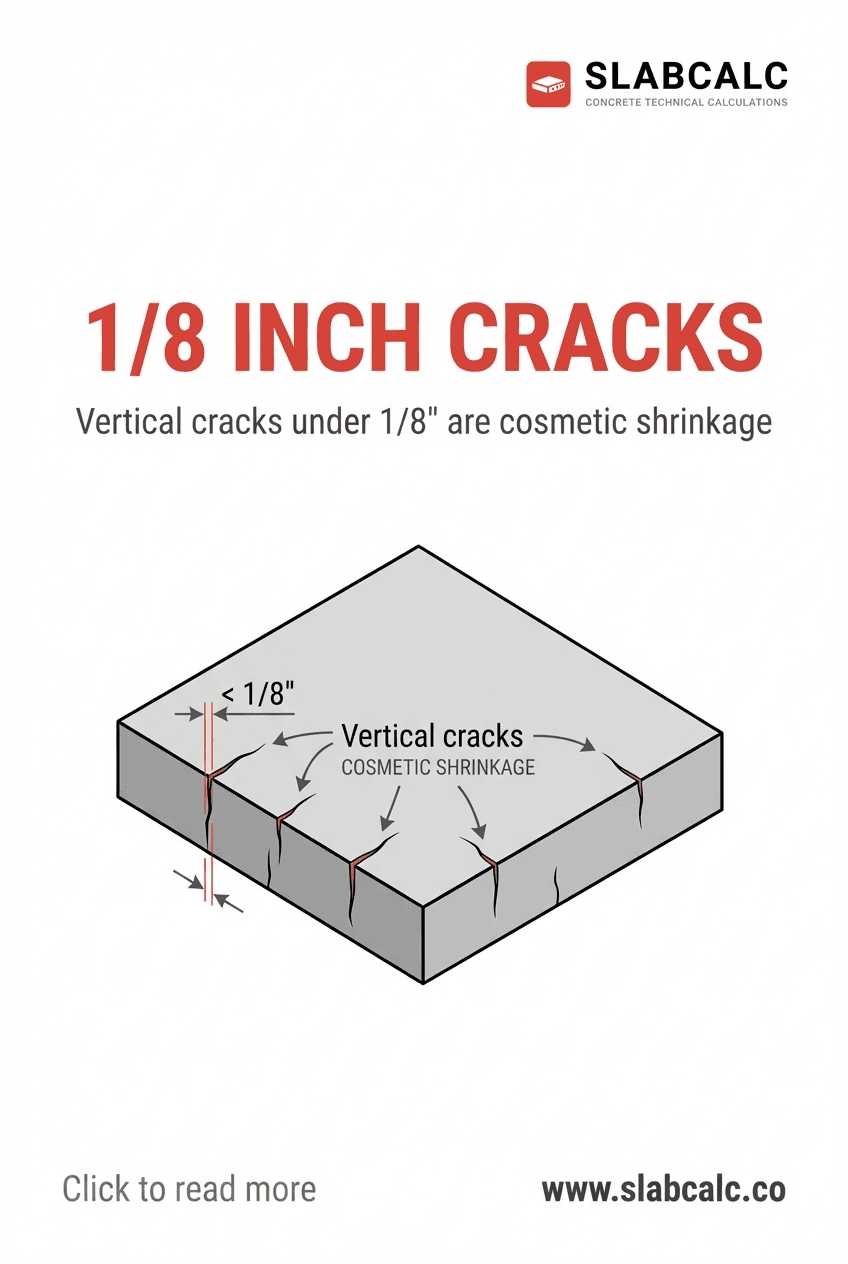
If your crack is less than 1/16 inch wide: Use a squeeze bottle concrete sealer ($8–15). These low-viscosity products wick into hairline cracks and cure hard without any prep work.
If your crack is 1/16 to 1/4 inch wide: Use polyurethane caulk or elastomeric filler ($15–25). Flexible compounds won't re-crack as the concrete moves seasonally.
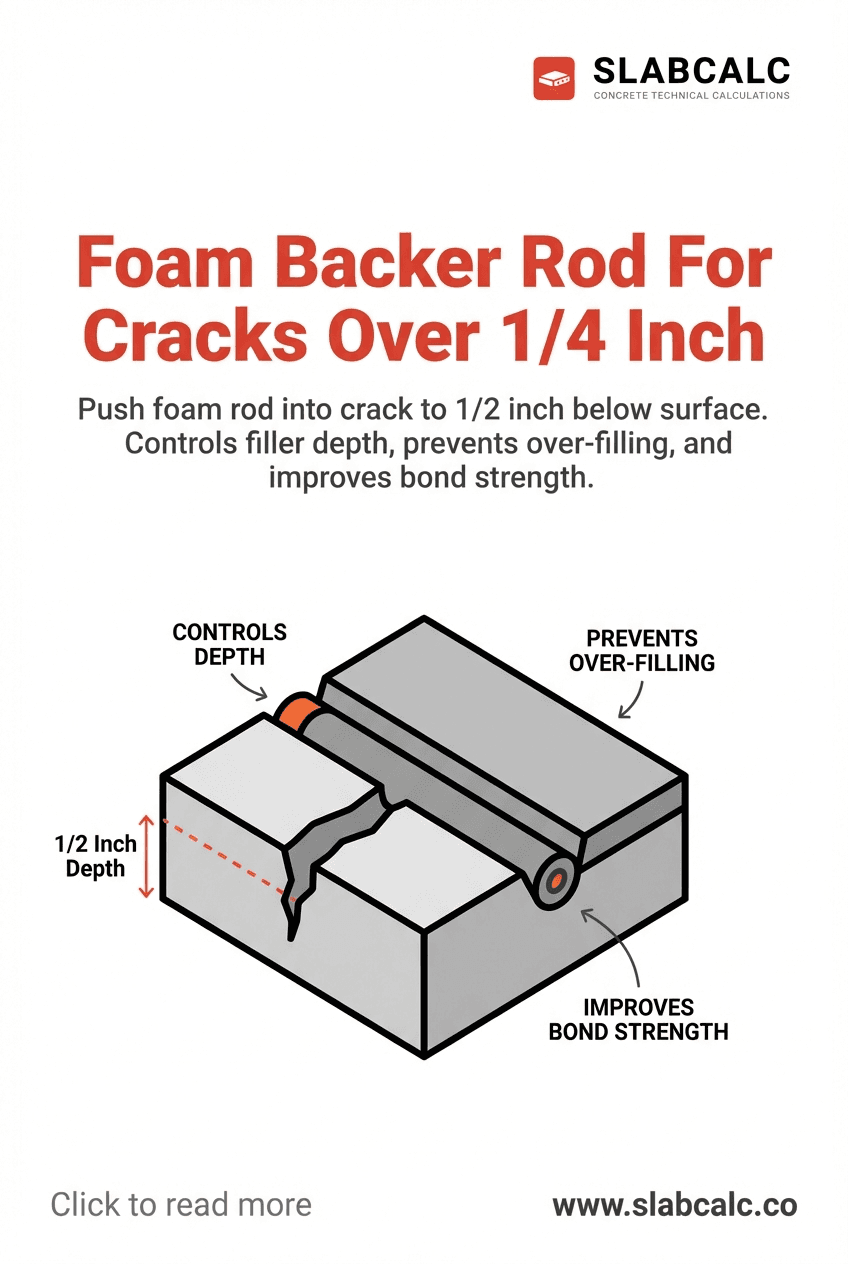
If your crack is 1/4 to 1/2 inch wide: Use vinyl patching compound with a foam backer rod ($25–40). The rod prevents you from overfilling, which guarantees premature failure.
If your crack exceeds 1/2 inch: Use vinyl concrete patching compound or hydraulic cement ($30–80), or consult a professional. Large cracks often signal underlying problems—settlement, frost heave, or structural stress—that won't be fixed by filling the symptom.
Measure Twice, Choose Once
Grab a ruler or calipers and measure your widest point. This single measurement drives your entire repair strategy and budget. Most people eyeball it and guess wrong. A crack that looks big might be 3/16 inch (use caulk), not 5/8 inch (use patching compound). The difference in product cost is marginal, but the difference in success rate is dramatic.
Also check depth. Hairline cracks often run shallow; large cracks may penetrate your full slab thickness. Shallow cracks need less material; deep cracks require more product and may need backer rod to prevent waste and ensure adhesion.
Three Edge Cases People Overlook
Active vs. stable cracks: If your crack has grown visibly in the past six months, it's active. Passive repairs fail on active cracks. You may need a structural assessment before wasting money on sealers.
Wet conditions: Water actively seeping from a crack? Standard sealers won't stick. Use hydraulic cement, which cures even when wet, or let the concrete dry for 48 hours before sealing.
Movement and temperature: Large cracks benefit from flexible products because concrete expands and contracts 1/8 inch per 100 feet with temperature swings. Rigid fillers crack again. Flexible polyurethane or vinyl compounds accommodate this movement.
The Recommendation
Start with measurement. Measure in millimeters or fractions of an inch—precision matters. For hairline cracks, buy a squeeze bottle sealer and spend 20 minutes. For anything wider than 1/4 inch, invest in proper patching compound and backer rod. The $40–60 investment prevents costly re-repairs within a year. Don't confuse cost with value; the cheapest repair is the one that actually lasts.