

Concrete 101: The Complete Beginner's Guide
If you've never worked with concrete before — or you're not sure what PSI means, whether “cement” and “concrete” are the same thing, or how wet your mix should be — start here. These guides answer the foundational questions before you buy a single bag.
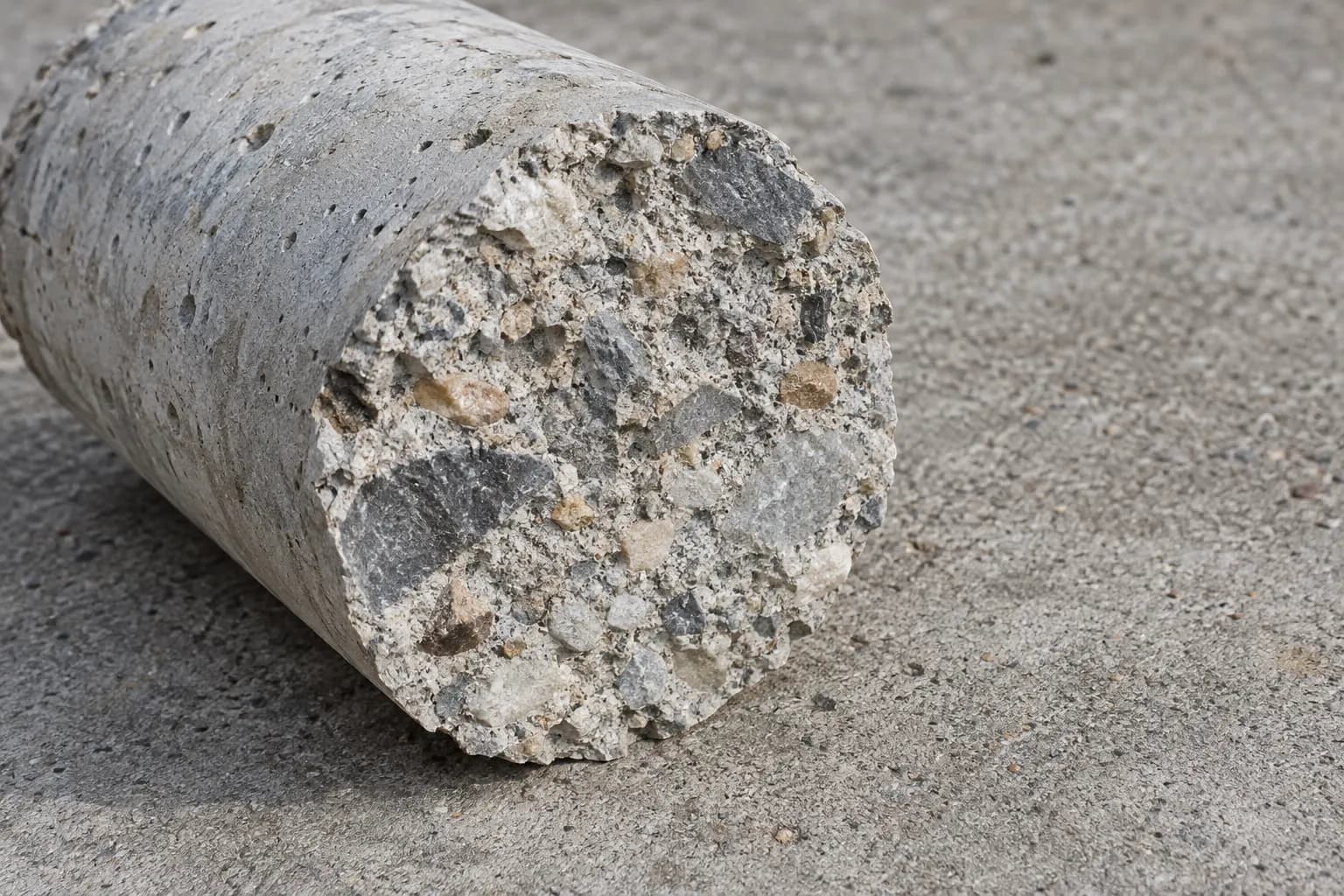
Understanding Concrete
Concrete vs Cement: What's the Difference?
Cement is an ingredient in concrete—not another word for the same thing. Think of it like flour and bread: flour is a key ingredient in bread, but you wouldn't call a loaf of bread "flour." Similarly, cement is a key ingredient in concrete, but a concrete driveway isn't a "cement driveway."
Concrete vs Mortar vs Grout: What's the Difference and When to Use Each
Concrete, mortar, and grout are all cement-based materials, but they're not interchangeable. Using the wrong one — like filling tile joints with concrete, or setting a slab with mortar — leads to failure. This guide explains what makes each product different and when to use which one.
Concrete PSI Explained: 3000, 4000, or 5000 PSI — Which Do You Need?
PSI stands for pounds per square inch — it's the number on your concrete bag or your ready-mix ticket that tells you how strong the hardened concrete will be. Choosing the wrong PSI wastes money (over-spec) or creates a slab that fails too soon (under-spec). This guide shows you exactly which rating to use for the most common residential projects.
Types of Concrete: Which One Do You Need?
For most residential projects—patios, sidewalks, shed pads—standard concrete mix (3,000-4,000 PSI) is all you need. Driveways and areas supporting vehicle traffic benefit from high-strength concrete (5,000+ PSI). Fast-setting concrete is best reserved for posts and small repairs, not slabs.
Masonry Materials: Brick, Stone, and Concrete Block
Masonry construction assembles small prefabricated units — brick, stone, or concrete block — bonded by mortar into walls, columns, and arches. The four principal materials are governed by long-standing ASTM and European specifications, and structural design is codified primarily under TMS 402/602 in the United States and Eurocode 6 in Europe.
Cinder Block vs Concrete Block: What's Actually the Difference
If you're buying block at a home improvement store today, there's a good chance the product labeled or nicknamed a 'cinder block' is actually a concrete block — a CMU rated to at least 1,900 PSI net area under ASTM C90. True cinder blocks, made with coal-cinder aggregate, were phased out of most U.S. production by the 1970s-80s. The name stuck around; the material mostly didn't.
Before You Mix
Concrete Tools for Beginners: What You Actually Need (Buy vs. Rent)
The tool list for a concrete project looks intimidating until you understand what each tool actually does. Most beginner projects — a small slab, a set of stepping stones, fence posts — need only a handful of items you can buy for under $100. This guide cuts through the noise: what to buy, what to rent, and what you can safely skip.
How to Use a Bag of Concrete: Reading the Label and Mixing It Right
Every bag of concrete — Quikrete, Sakrete, or any other brand — has the same essential information on the label. Once you know how to read it, you'll know exactly how much water to add, how long to mix, and how many bags your project needs. This guide walks through the label line by line, then covers the mixing procedure start to finish.
How Much Water to Add to Concrete Mix (And How to Fix Adding Too Much)
Water is the most critical variable in concrete mixing — and the easiest one to get wrong. Too little and the mix won't work properly. Too much and you've permanently weakened the finished concrete, no matter how carefully you pour and finish it. This guide gives you exact amounts by bag size, the right technique for adding water, and what to do if you accidentally add too much.
Is Your Concrete Mix Too Wet or Too Dry? How to Get It Right
The consistency of your concrete mix determines whether your project lasts 30 years or starts scaling and cracking in 3. Too wet and you've permanently weakened it; too dry and it won't compact, bond, or finish properly. This guide shows you how to judge consistency by sight and feel — the same way experienced concrete workers do it — so you get it right every time.
How to Mix a Small Batch of Concrete (1–3 Bags, By Hand)
For projects that need 1–3 bags of concrete — a fence post, a small patch, a set of stepping stones — hand mixing in a wheelbarrow is faster, cheaper, and just as effective as renting a mixer. You don't need much technique: add water first, add the dry mix, work a concrete hoe for 5 minutes, and check consistency. This guide walks through the process step by step.
Quikrete vs Sakrete vs Generic Concrete: Which Bag Should You Buy?
Quikrete and Sakrete are equal - buy whichever is cheaper or more available. Generic and store-brand concrete is acceptable for non-structural fill (topping off a post hole, patching a low spot), but skip it for any structural pour - driveways, slabs, footings - where consistent PSI and code compliance matter.
Pouring & Working Time
Dry Pour Concrete: Does the No-Mix Technique Actually Work?
Dry pour concrete — pouring dry mix directly into a hole and adding water on top — sounds almost too easy. No mixing, no wheelbarrow, just dump and done. The technique is legitimate and endorsed by Quikrete and Sakrete for specific applications. But it only works in one situation, and using it outside that situation produces weak, uneven results.
How Long Do You Have to Work With Concrete? (Setting Time Explained)
Working time is the window between when you pour concrete and when it stiffens enough that you can no longer finish, level, or adjust it. For standard concrete at 70°F, that window is roughly 30–90 minutes. But temperature, humidity, wind, and the type of mix can cut that window in half — or double it. This guide explains what affects working time and how to plan your project around it.
When Can You Walk on New Concrete? (And Drive on It?)
Fresh concrete looks solid long before it actually is. Walking on it too soon leaves permanent footprints; driving on it before it reaches full strength can crack a slab that would otherwise last decades. This guide gives you the exact timeline for foot traffic, vehicle loads, and heavy equipment — and explains what's happening inside the concrete at each stage.
How to Patch Small Holes and Chips in Concrete (DIY Guide)
Small holes, chips, and surface pitting in concrete are common — and fixable in an afternoon without professional help. The key is using the right patching material, properly preparing the damaged area, and following the curing steps. This guide covers the complete process for DIY concrete patching.
After the Pour
Does Concrete Dry or Cure? (What Actually Happens When It Hardens)
The most common misconception about concrete is that it hardens by drying out — like paint or mud. It doesn't. Concrete hardens through a chemical reaction called hydration that actually requires water to complete. Understanding this changes how you care for fresh concrete and explains why so many well-intentioned shortcuts cause concrete to fail.
7 Ways to Prevent Concrete From Cracking
Every concrete slab will eventually develop some cracking — it's a material property, not a defect. But the difference between cracks that appear in year 2 versus year 25 comes down to what you do during the pour. These seven steps address the most common causes of premature concrete cracking and are within reach for any DIY project.
Do You Need to Seal New Concrete? A Simple Decision Guide
Concrete sealer isn't mandatory — but for some projects, skipping it is a clear mistake. For others, sealing provides cosmetic benefits but no real protection. This guide gives you a simple decision framework: when to seal, when it's optional, and when to skip it entirely.
How Long Does Concrete Take to Cure? (Complete Timeline)
You can walk on concrete after 24-48 hours and drive on it after 7 days minimum—but full strength takes 28 days. Rushing these timelines causes permanent damage that weakens your slab for its entire lifespan.
Tools & Resources
Best Concrete Calculators Compared: 2026 Guide
Most free concrete calculators answer one question: how many cubic yards do I need? That's useful, but it's rarely the whole question. If you're planning a driveway, a patio, or a foundation slab, you also need to know what it will cost installed, whether that cost varies by city, and how much to actually order from a ready-mix supplier. This guide compares the six most-used free concrete calculators honestly — what each does well, where each falls short, and which one fits which situation.
Best Concrete Cost Estimators Online: Compared
Searching for concrete cost estimates online surfaces two very different types of content: interactive tools that take your inputs and return a number, and editorial guides that show national cost ranges. They look similar in search results but work completely differently. This guide compares the four most-used options — Homewyse, Angi, HomeGuide, and SlabCalc — and explains where each gets its numbers.
Best Online Concrete Crack Diagnosis Resources
A crack in your concrete can mean almost nothing — normal shrinkage during the first few weeks — or it can signal a structural problem that needs professional attention. The challenge is that most cracks look similar to an untrained eye. This guide covers the best free resources for diagnosing concrete cracks: which ones go deepest, which are most actionable for DIYers, and where each falls short.
Ready for Your First Project?
Once you've got the basics down, browse our weekend DIY project guides — stepping stones, planters, pavers, and more. Written for first-timers, no contractor experience required.
Browse DIY Projects →Calculate Before You Buy
Use our free concrete calculator to find exactly how many bags you need — before you make a single trip to the hardware store.
Open Concrete Calculator →